Photo: Wikipedia
Find The Best Places To Live
in Fall River
PRO TIP! You can paste a Zillow or Redfin link to get info on that property.
What It's Like Living in Fall River, MA
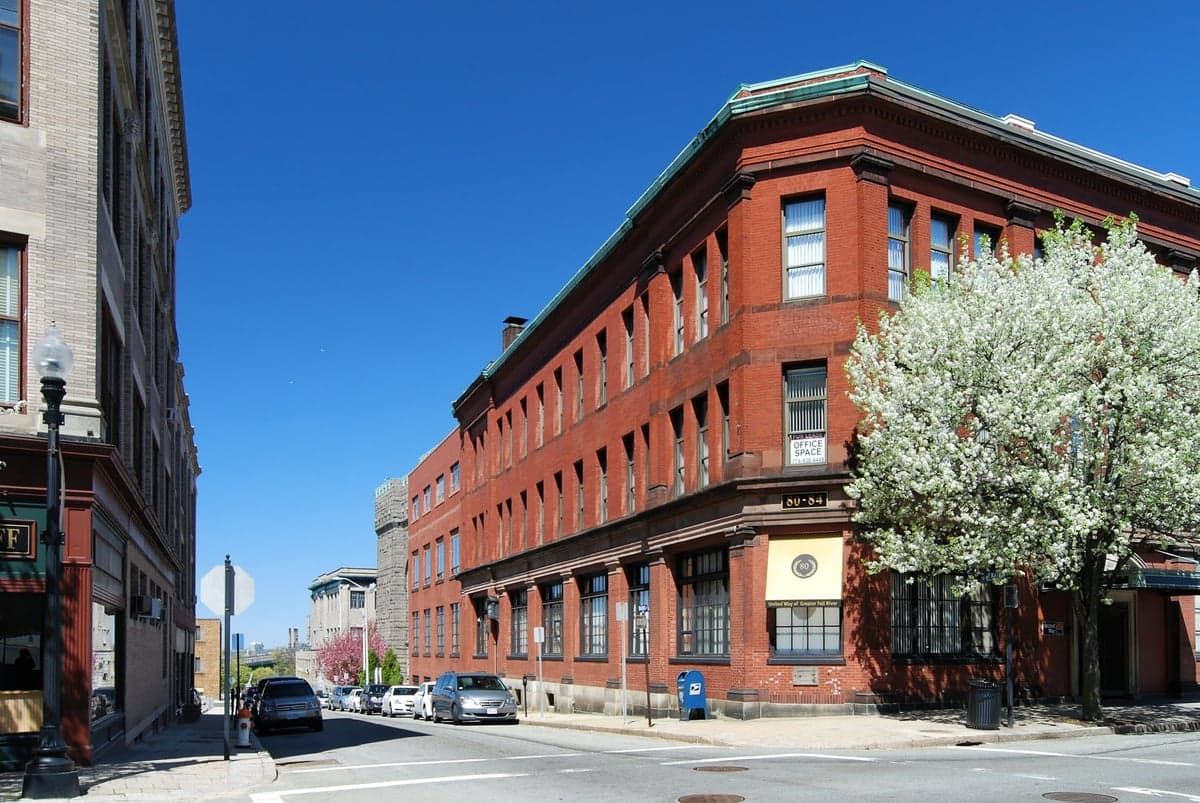
Fall River, Massachusetts, has a reputation that precedes it—old mill city, Portuguese enclave, tough around the edges—but living here reveals a place that’s far more layered than the headlines suggest. It’s a city of 93,764 people where the smell of chourico and peppers drifts from backyard grills on summer evenings, where the high school football rivalry with Durfee is a legitimate civic event, and where the cost of living index of 107 (just above the national average) makes it one of the more affordable options on the South Coast. You don’t move to Fall River for polish; you move here because you want a real, working-class city with deep roots, a strong sense of place, and a pace that doesn’t pretend to be anything else.
The Daily Rhythm: Work, Commute, and the Neighborhood Feel
Most people here aren’t commuting to Boston—that’s a 50-mile slog that few attempt daily. The average commute clocks in at about 25 minutes, which means you’re likely working in Fall River itself, in nearby Taunton, or across the Braga Bridge in New Bedford. The big employers are healthcare (Saint Anne’s Hospital, Charlton Memorial), manufacturing (the remnants of the textile era plus newer biotech and food processing), and the school system. With a median household income of $53,933, this isn’t a high-roller town; it’s a place where people work steady jobs, shop at Market Basket and Stop & Shop, and know their neighbors by name. The median age of 39 suggests a mix of young families and empty-nesters, but you won’t find many recent college grads—only 16.8% of adults hold a bachelor’s degree, so the vibe is less “startup hub” and more “been here for three generations.”
Weekends have a predictable rhythm: coffee at a local spot like The Tipsy Toboggan or a Portuguese bakery on Columbia Street, then maybe a walk along the waterfront at Battleship Cove or a hike in the 6,000-acre Freetown-Fall River State Forest. The weather is classic New England—hot, humid summers, cold winters with occasional nor’easters, and a glorious but brief autumn. Seasonal depression is real here; the gray skies from November through March can wear on you, but the community pulls together for winter festivals and indoor events at the Narrows Center for the Arts.
Sports, Community, and the Things That Bring People Together
If you want to understand Fall River, start with high school football. The rivalry between B.M.C. Durfee High School and New Bedford High is one of the oldest in the country, and on Thanksgiving morning, the entire city seems to stop. It’s not just a game; it’s a family reunion, a class reunion, and a civic identity check all at once. Beyond high school, there’s no major pro team in the city itself, but the Pawtucket Red Sox (now the Worcester Red Sox) used to draw fans, and the New England Patriots, Bruins, Celtics, and Red Sox are followed with religious intensity. You’ll see more Patriots flags than American flags on some blocks.
The Portuguese heritage is the city’s defining cultural quirk. Fall River has one of the largest Portuguese-American populations in the country, and it shows in everything from the Holy Ghost Feast (a massive summer festival with free soup, music, and processions) to the fact that you can order a bifana—a pork sandwich on a roll—at nearly any corner bar. The city also has a notable Lithuanian and French-Canadian history, but Portuguese culture is the loudest. If you’re not Portuguese, you’ll still feel welcome, but you’ll also notice that many social circles, church groups, and even local businesses operate with a strong ethnic identity. It’s not exclusionary, but it’s distinct.
What’s There to Do: Entertainment, Food, and the Outdoors
Fall River punches above its weight for a city its size when it comes to entertainment. The Narrows Center for the Arts in the South End hosts national touring acts—think blues, folk, and roots rock—in a converted mill with great acoustics. The city also has a surprisingly vibrant bar scene: the Tipsy Toboggan is a craft beer bar with a loyal following, and places like The Cove and The Liberal Club offer live music and a no-frills atmosphere. For food, you can’t miss the chourico and peppers at Caravela, the seafood at The Black Whale (right on the water), or the Portuguese bread from any of the local bakeries. The annual Great Holy Ghost Feast in August is the biggest event of the year, drawing tens of thousands for food, rides, and a parade.
Outdoors, the city has Battleship Cove (home to the USS Massachusetts), which is a major draw for families and history buffs, and the nearby Freetown-Fall River State Forest offers hiking, mountain biking, and even some reputedly haunted spots (the “Bridgewater Triangle” lore is strong here). The waterfront is underutilized but improving, with new walking paths and a planned ferry to Newport, Rhode Island. For shopping, the Dartmouth Mall is just over the line in Dartmouth, and the Fall River Marketplace has the big-box staples. You won’t find high-end boutiques, but you’ll find everything you need.
Pros and Cons of Living Here
Let’s be honest about the trade-offs. The biggest pro is affordability: a median home value of $357,800 is a bargain compared to the rest of coastal Massachusetts, and you can still find fixer-uppers under $300,000. The cost of living index of 107 means your dollar goes further than in Boston (where the index is closer to 140). The community is tight-knit, the food is excellent, and the location is strategic—you’re 45 minutes from Providence, an hour from Boston, and 30 minutes from the beaches of Newport and Cape Cod.
The downsides are real. The violent crime rate of 795.7 per 100,000 is high—roughly double the national average—and property crime is a persistent issue in certain neighborhoods. The school system has struggled with funding and performance, which is why many families with means opt for private or parochial schools, or move to nearby towns like Somerset or Swansea. The city’s economy has never fully recovered from the collapse of the textile industry, and while there are signs of reinvestment (new apartment buildings, a biotech park), the job market is limited. Traffic can be a headache on the Braga Bridge and around Route 24 during rush hour, and the city’s infrastructure—roads, sidewalks, public transit—feels underfunded. If you’re looking for a polished, amenity-rich suburb, this isn’t it. But if you want a real city with character, history, and a sense that people look out for each other, Fall River might surprise you.

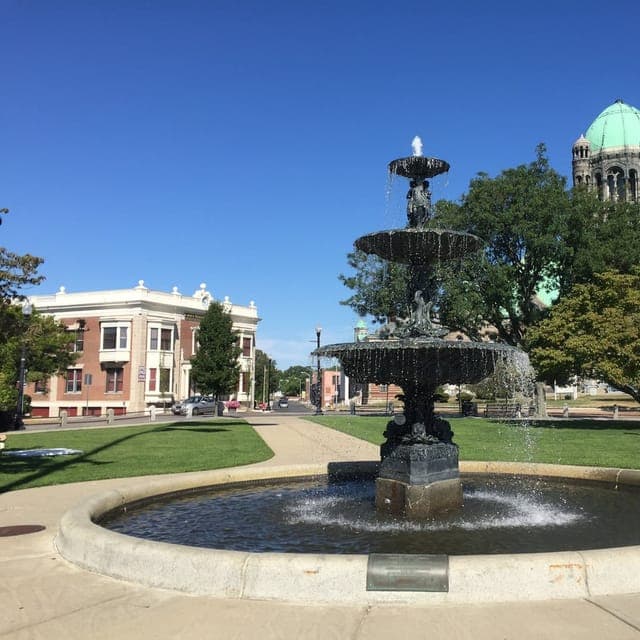
Similar small cities to Fall River
* Values derived from national, state, county, city and local statistics and may differ in a specific area. Last updated: 2026-04-19T06:06:07.000Z
Narrative content on this page is AI-generated and may contain mistakes. Verify any details that matter before acting on them.
ReloMaps may earn a commission from affiliate links at no extra cost to you.

