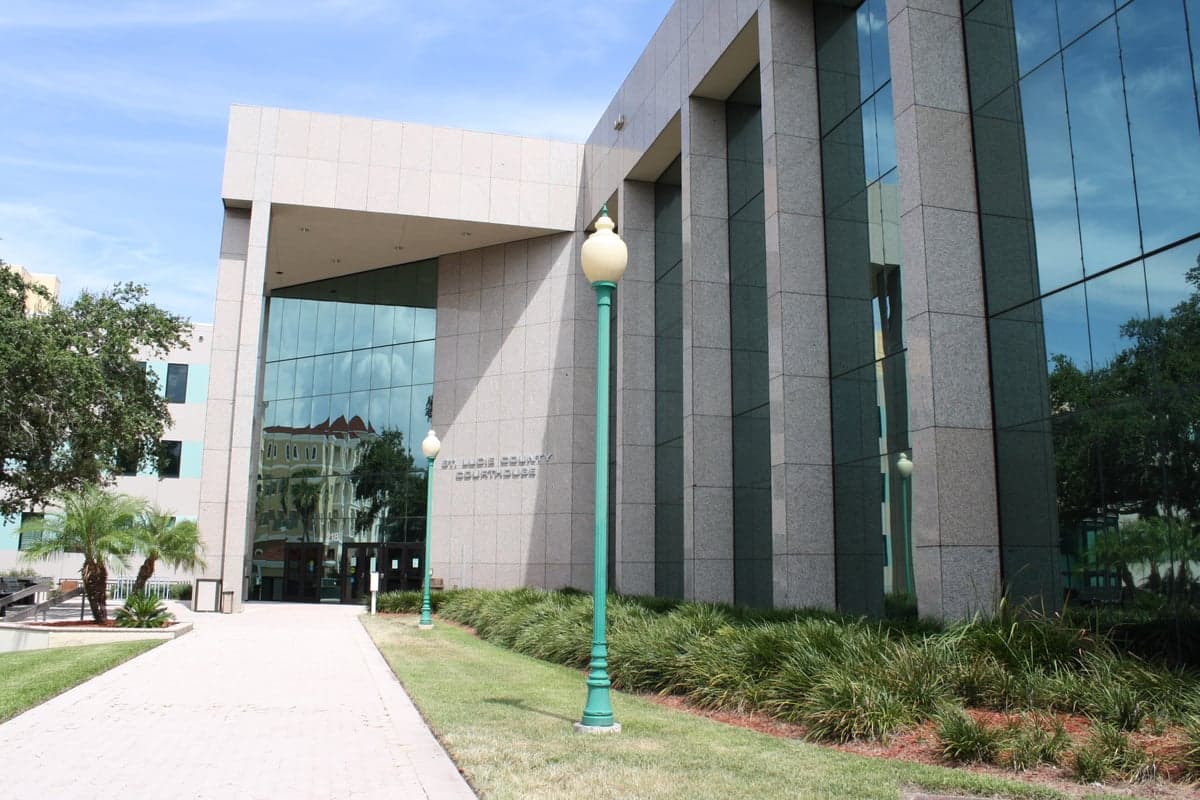
Photo: Wikipedia
Find The Best Places To Live in St Lucie County
PRO TIP! You can paste a Zillow or Redfin link to get info on that property.
Best Places to Live in St Lucie County
Cities & Towns in St Lucie County
Cities in St Lucie County
What It's Like Living in St Lucie County, FL
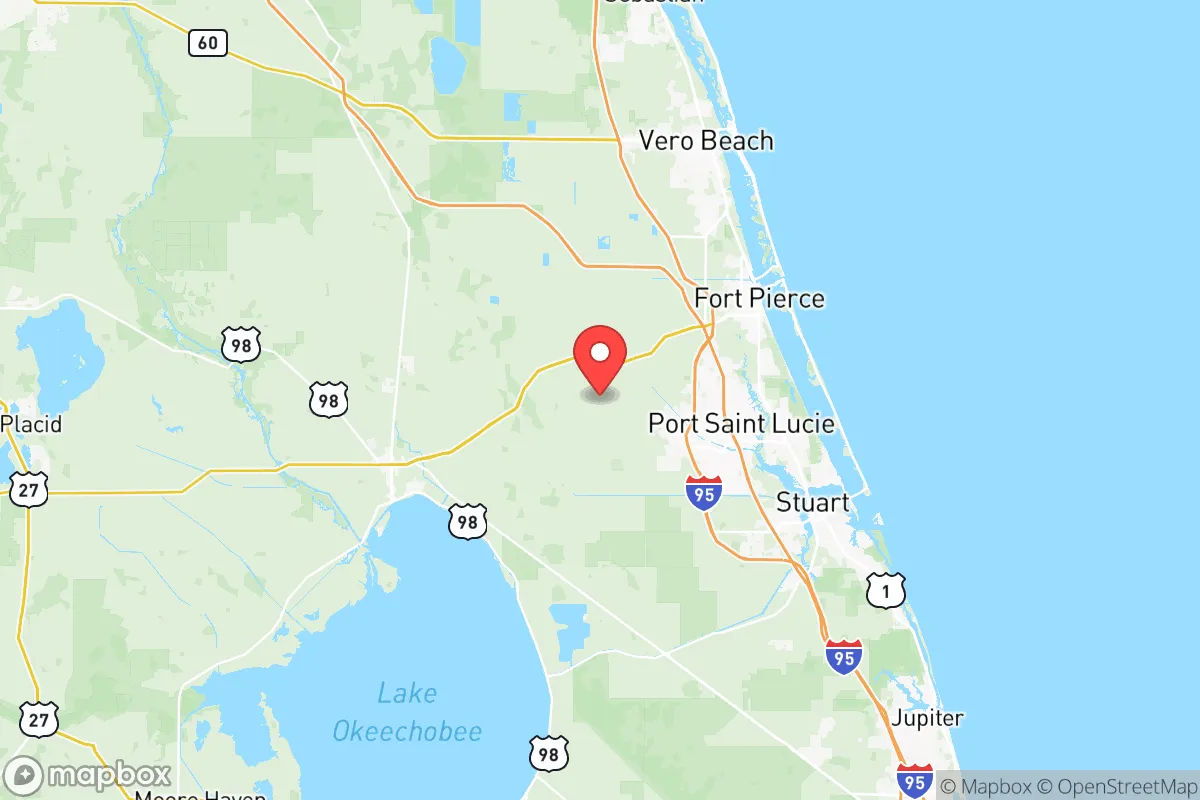
Living in St. Lucie County feels like being part of a sprawling, sun-soaked middle ground—not quite the high-energy bustle of South Florida, but a step up in pace and development from the rural ranches further north. It’s a place where the Atlantic breeze mixes with the smell of orange groves and new construction, where you’ll find Port St. Lucie families heading to Mets spring training games and Fort Pierce fishermen unloading the day’s catch at the docks. The county’s identity is split between its two main cities: the master-planned, family-centric sprawl of Port St. Lucie and the older, grittier historic charm of Fort Pierce, with smaller towns like St. Lucie Village and the rural pockets near Lakewood Park offering a quieter, more agricultural rhythm.
The Daily Rhythm: Commutes, Schools, and Weekend Rituals
For most residents, daily life revolves around the I-95 corridor, which slices through the county and connects everything. The average commute clocks in at just over 28 minutes, a number that feels accurate if you’re driving from the southern end of Port St. Lucie to a job in Stuart or Vero Beach. Traffic on I-95 can get snarled near the St. Lucie West Boulevard exit during snowbird season, but it’s nothing like the gridlock of Palm Beach County to the south. Parents spend weekends shuttling kids to soccer games at the St. Lucie County Sports Complex or grabbing groceries at the sprawling Publix on U.S. 1. The median age of 45.3 reflects a population heavy on families and retirees, so the social calendar often revolves around school events—Friday night lights at Fort Pierce Central High School or Port St. Lucie High School draw solid crowds, though not with the religious fervor you’d see in Texas or the Midwest. The New York Mets have their spring training home at Clover Park in Port St. Lucie, which gives the county a genuine big-league touch during February and March, when the parking lot fills with fans in orange and blue.
What’s There to Do: From the River to the Coast
Outdoor life is the main draw here. The Indian River Lagoon runs the length of the county, offering kayaking, paddleboarding, and fishing spots that locals guard jealously. Fort Pierce’s Jetty Park is a favorite for watching the sunrise or casting a line, while Pepper Park Beach in St. Lucie Village gives you a quieter stretch of sand without the crowds of Hutchinson Island. The Savannas Preserve State Park is a 5,000-acre gem for hiking and birdwatching, and the St. Lucie County Fair in February brings carnival rides and livestock shows that feel genuinely small-town. For nightlife, the Fort Pierce Marina area has a handful of bars and seafood joints—2nd Street Bistro is a local staple—while Port St. Lucie’s scene is more chain-restaurant heavy, with Texas Roadhouse and Outback doing steady business. The county’s median home value of $305,800 and cost of living index of 120 (above the national average) mean that housing isn’t cheap, but it’s still a bargain compared to coastal Broward or Palm Beach counties. That’s the trade-off: you get more space and newer homes, but you’re paying a premium for the Florida lifestyle.
Pros and Cons of Living Here: The Honest Trade-Offs
Longtime residents will tell you the biggest upside is the weather—winters are mild and dry, summers are hot and humid, and the Atlantic breeze makes even August bearable near the coast. The violent crime rate of 166.8 per 100,000 is lower than the national average, which gives families a sense of security in most neighborhoods, though property crime can be an issue in parts of Fort Pierce, particularly around the North Hutchinson Island area. The St. Lucie County School District is a mixed bag—some schools like Lincoln Park Academy in Fort Pierce have strong academic reputations, while others struggle with funding and overcrowding. Only 25.4% of adults hold a college degree, which reflects the county’s blue-collar and service-industry roots; if you’re a remote worker or a professional, you’ll find fewer peers with similar backgrounds than you would in, say, Gainesville or Tampa. The median household income of $69,027 is decent for Florida, but it can feel tight when you factor in the cost of living and the hurricane season insurance premiums that spike every summer. What frustrates locals most is the lack of major entertainment venues—there’s no concert hall or pro sports arena, so you’re driving to West Palm Beach or Orlando for big shows. But the trade-off is a slower, more predictable pace of life where you can actually get a reservation at a restaurant on a Saturday night and your kids can ride bikes to the park without you worrying every second.

* Values derived from national, state, county, city and local statistics and may differ in a specific area. Last updated: 2026-06-01T12:49:10.000Z
Narrative content on this page is AI-generated and may contain mistakes. Verify any details that matter before acting on them.
ReloMaps may earn a commission from affiliate links at no extra cost to you.

