Photo: Wikipedia
Quality of Life in St Lucie County
A livable area that tracks near national norms for affordability, walkability, and neighborhood health.
What does Quality of Life tell us?
Quality of Life measures an area by evaluating factors like cost of living, nearby amenities, country club access, airport proximity, socioeconomic signals and neighborhood character. For large states, this is a general average — quality of life can vary dramatically between metro areas, suburbs, and rural communities within the same state.
What does this tell us?
Quality of Life measures an area by evaluating factors like cost of living, nearby amenities, country club access, airport proximity, socioeconomic signals and neighborhood character. For large states, this is a general average — quality of life can vary dramatically between metro areas, suburbs, and rural communities within the same state.
Cost of Living
20% above national average
79%
The Real Cost of Living in St Lucie County for 2026
| Tier | Individual | Family (4) |
|---|---|---|
| Survival | $24k | $45k |
| Comfortable | $59k | $87k |
| Luxury | $115k+ | $178k+ |
| Elite (Top 5%) | $135k+ | $210k+ |
Quality-of-Life Analysis
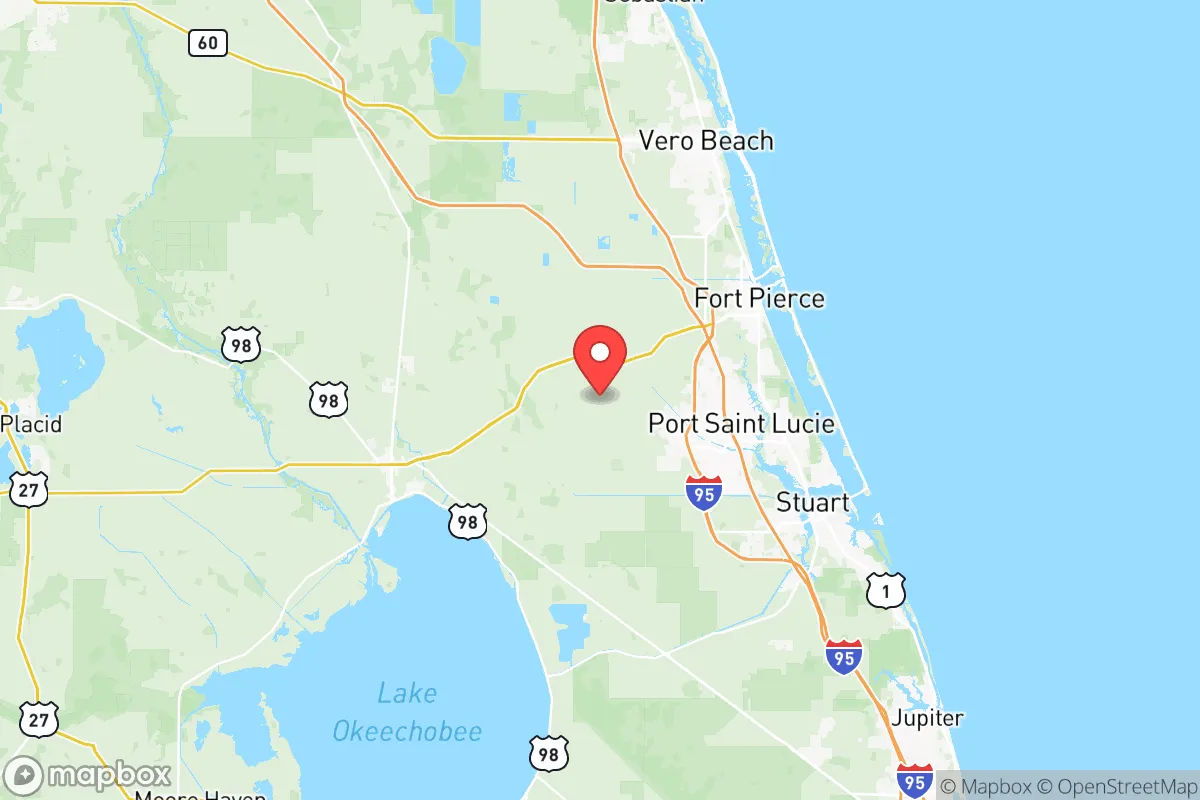
St. Lucie County offers a broad spectrum of living environments, from master-planned suburban expanses to historic riverfront towns and quiet agricultural pockets. The county's character shifts noticeably from the east‑coast barrier islands west across the Indian River Lagoon, through the middle‑class subdivisions of Port St. Lucie, into the older downtown neighborhoods of Fort Pierce, and finally into the rural interior near the Okeechobee county line. Different parts of the county attract distinctly different residents: young families and remote workers gravitate to the newer communities with their new schools and amenities, long‑time locals and artists cluster around Fort Pierce’s historic core, and those seeking land and privacy stake claims in the unincorporated western districts.
Largest town(s) & population centers
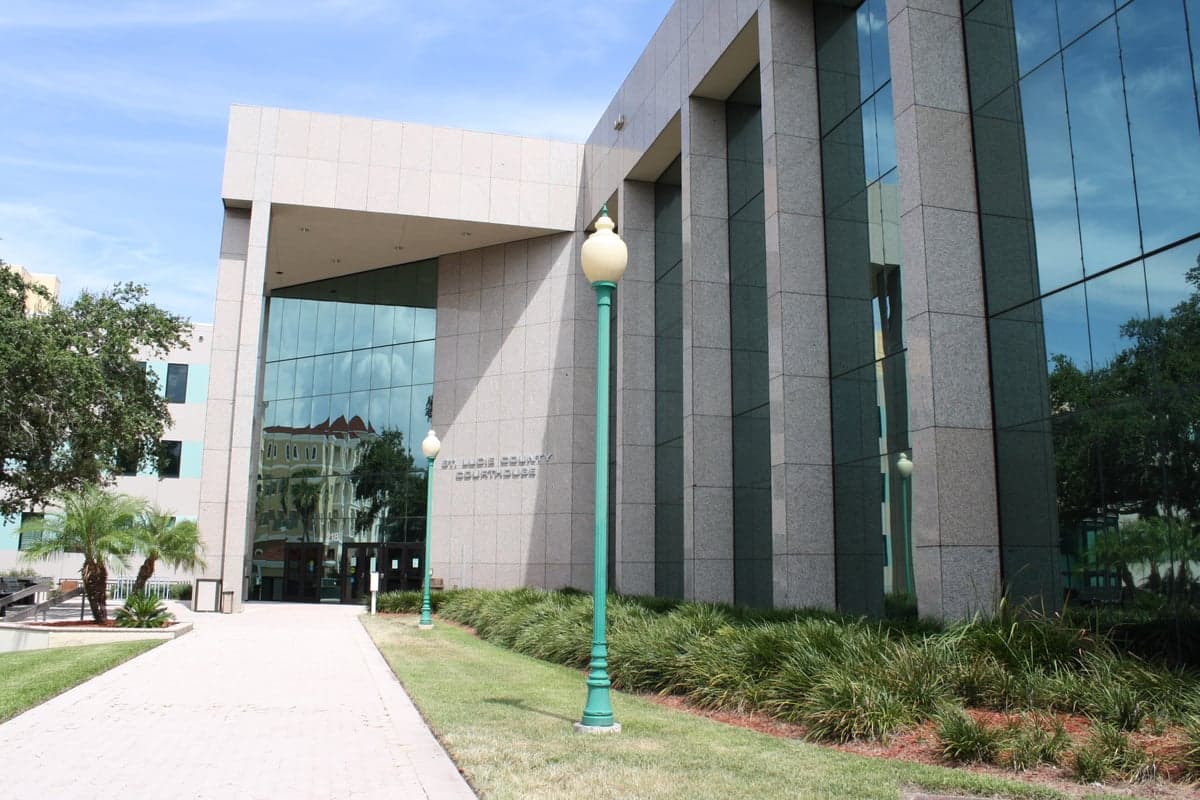
Port St. Lucie is the county’s dominant population center, a sprawling city of master‑planned villages like St. Lucie West and Tradition. Daily life here is oriented around sprawling commercial corridors such as U.S. Highway 1 and the Crosstown Parkway, with abundant strip malls, golf courses, and pocket parks. The city’s median home value sits near $305,800, reflecting the steady demand from families and retirees escaping higher‑cost South Florida. Fort Pierce, the county’s historic urban core, offers a more compact, walkable downtown centered on the Marina Square and the Fort Pierce Yacht Club. It hosts the county courthouse, the Sunrise Theatre, and a developing arts district, drawing residents who prefer an older, more diverse urban fabric over suburban homogeneity. The average commute across the county is about 28.5 minutes, with many workers driving south toward Palm Beach County or north to Vero Beach. The cost‑of‑living index of 120 (100 = U.S. average) is driven partly by housing in Port St. Lucie and partly by the high insurance and utility costs common to Florida’s east coast.
Smaller towns & rural pockets
Outside the two main cities, the county retains notable smaller communities. White City, an unincorporated area just west of Fort Pierce, mixes older subdivisions with orange groves and a quiet, suburban‑rural feel. Lakewood Park, southeast of Fort Pierce, is a census‑designated place with modest single‑family homes on larger lots and no centralized commercial core. On the barrier island, Hutchinson Island is a narrow strip of beach condos, state parks, and the Smithsonian Marine Station — a world apart from the mainland’s suburban rhythm, drawing vacation‑home owners and snowbirds. Rural western St. Lucie County, particularly the area around Indiantown Road (west of the Turnpike) and Midway Road, is given over to citrus groves, sod farms, and ranchland. Homes there are often on five‑acre parcels, with well water and septic, and residents accept long drives to grocery stores and schools in exchange for privacy and space.
Cost & lifestyle range
The cost and character divide most clearly along the east–west axis. At the highest end are waterfront properties on Hutchinson Island and custom homes along the North Fork of the St. Lucie River, where median prices exceed $600,000 and the lifestyle is resort‑oriented. The broad middle — Port St. Lucie’s subdivisions and Fort Pierce’s older neighborhoods — generally falls near the countywide median home value of $305,800 and median rent of $1,489. Here residents pay the county’s average cost of living (120) and enjoy solid schools, chain retail, and quick access to I‑95. At the lower end, unincorporated western areas and parts of central Fort Pierce offer home prices under $200,000, but often with older housing stock, longer commutes, and fewer nearby services. Rents can dip below $1,100 in rural duplexes or mobile home parks. Amenity access shifts sharply: a resident in Tradition can walk to a pharmacy, gym, and multiple parks; a resident in rural White City may drive 20 minutes for the same errands.
Families who want new schools, recreation infrastructure, and a short drive to beaches thrive in Port St. Lucie and its master‑planned villages. Retirees and artists find value and character in Fort Pierce’s historic neighborhoods. Commuters who accept a longer drive for a lower home price settle in the rural western tracts. Someone seeking a balance of space, cost, and convenience — with realistic expectations about Florida’s insurance and tax landscape — can find a genuine niche anywhere in St. Lucie County’s mosaic.

Crime in St Lucie County
Generally safer than 73% of comparable U.S. locations.
Violent CrimeViolent Crime Analysis
Property CrimeProperty Crime Analysis
Crime Analysis
St Lucie County presents a mixed safety profile for prospective residents, with property crime rates that demand attention while violent crime figures remain below national averages. The county recorded a violent crime rate of 166.8 per 100,000 residents and a property crime rate of 735.6 per 100,000 in the most recent reporting period. These numbers place the area in a middle tier among Florida counties, where safety outcomes vary significantly depending on which specific city or neighborhood a resident chooses.
Crime in context
St Lucie County's violent crime rate of 166.8 per 100,000 sits well below the national average of roughly 380 per 100,000 and also under the Florida state average of approximately 250 per 100,000. This is a meaningful distinction — the county is safer than many comparable Florida regions on violent offenses including homicide, robbery, and aggravated assault. The property crime rate of 735.6 per 100,000, however, runs higher than the national average of about 650 per 100,000 and roughly matches the Florida state average. Larceny-theft and motor vehicle theft are the primary drivers of this elevated property crime figure. Residents moving from high-crime metros like Miami or Orlando will find St Lucie County noticeably safer on violent crime, while those relocating from low-crime suburbs in the Midwest may find the property crime rate a step up from what they are accustomed to.
What residents experience
Daily life in St Lucie County is shaped by sharp contrasts between its municipalities. Port St Lucie, the county's largest city, consistently reports lower crime rates than the county average, particularly in its western developments and master-planned communities. Fort Pierce, the county seat, experiences higher concentrations of both violent and property crime, especially in its older downtown corridor and along the U.S. 1 commercial strip. St Lucie Village, a small coastal enclave, maintains very low crime figures due to its limited population and affluent residential character. The unincorporated areas around Lakewood Park and White City fall somewhere in between, with property crime rates that track closer to the county average. The 19th Judicial Circuit, which prosecutes cases in St Lucie County alongside Martin and Indian River counties, has not adopted the progressive prosecutorial policies seen in larger Florida jurisdictions like Miami-Dade or Orange County. This means offenders face more consistent consequences, which helps keep violent crime in check. Residents concerned about property crime should prioritize neighborhoods with active homeowners associations, neighborhood watch programs, and secured parking — these features correlate with notably lower incident rates in Port St Lucie's newer subdivisions.
Neighborhood-level variation within St Lucie County is substantial and worth investigating before committing to a specific address. The western sections of Port St Lucie, particularly areas near the Tradition community and along Becker Road, report property crime rates roughly 30-40% below the county average. In contrast, central Fort Pierce neighborhoods near the intersection of U.S. 1 and Okeechobee Road experience property crime rates that can double the county figure. Violent crime is heavily concentrated in a small number of census tracts in eastern Fort Pierce, while most of Port St Lucie and the county's rural western areas see very few violent incidents. Prospective residents should request crime maps from the St Lucie County Sheriff's Office or Port St Lucie Police Department for specific addresses, as block-level data reveals patterns that citywide averages obscure. The county's overall trajectory is positive — violent crime has declined approximately 15% over the past five years — but property crime remains stubbornly persistent in areas with higher rental density and commercial corridors.
* Values derived from national, state, county, city and local statistics and may differ in a specific area. Last updated: 2026-06-01T12:49:10.000Z
Narrative content on this page is AI-generated and may contain mistakes. Verify any details that matter before acting on them.
ReloMaps may earn a commission from affiliate links at no extra cost to you.

