
Political ClimatePolitical Climate in Golden Beach, FL
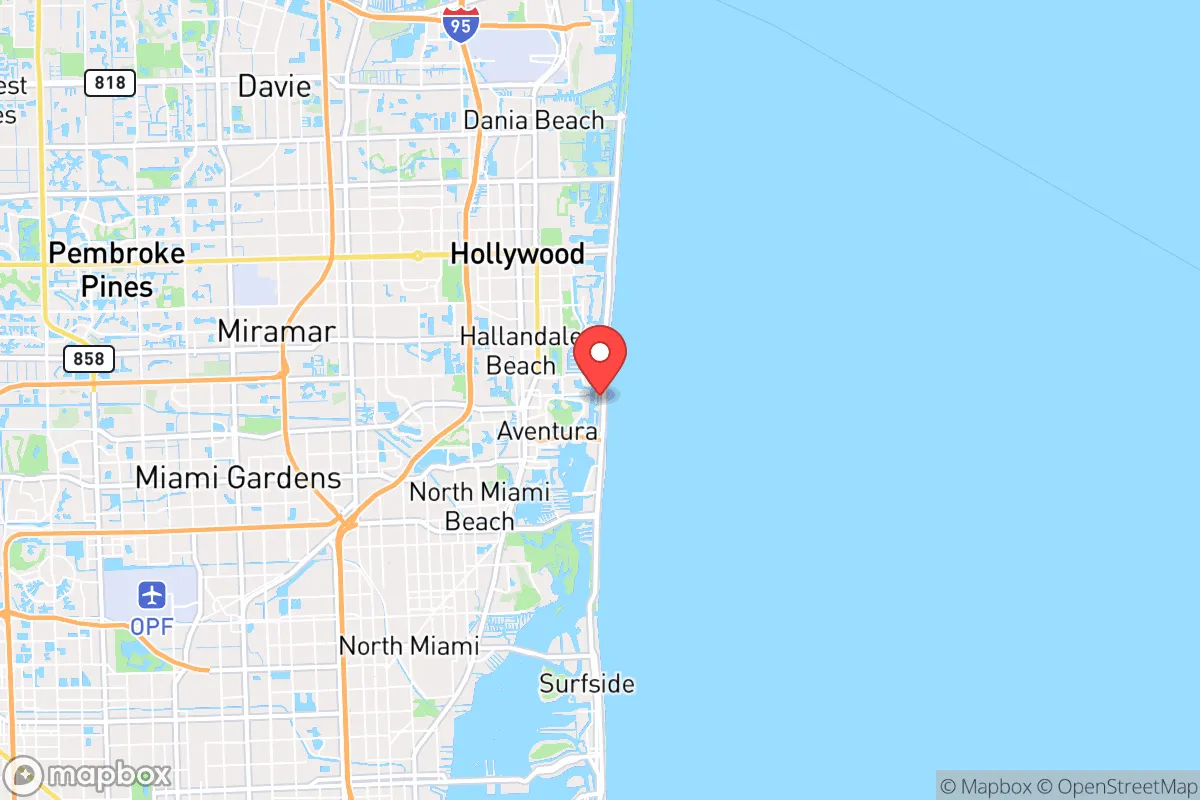
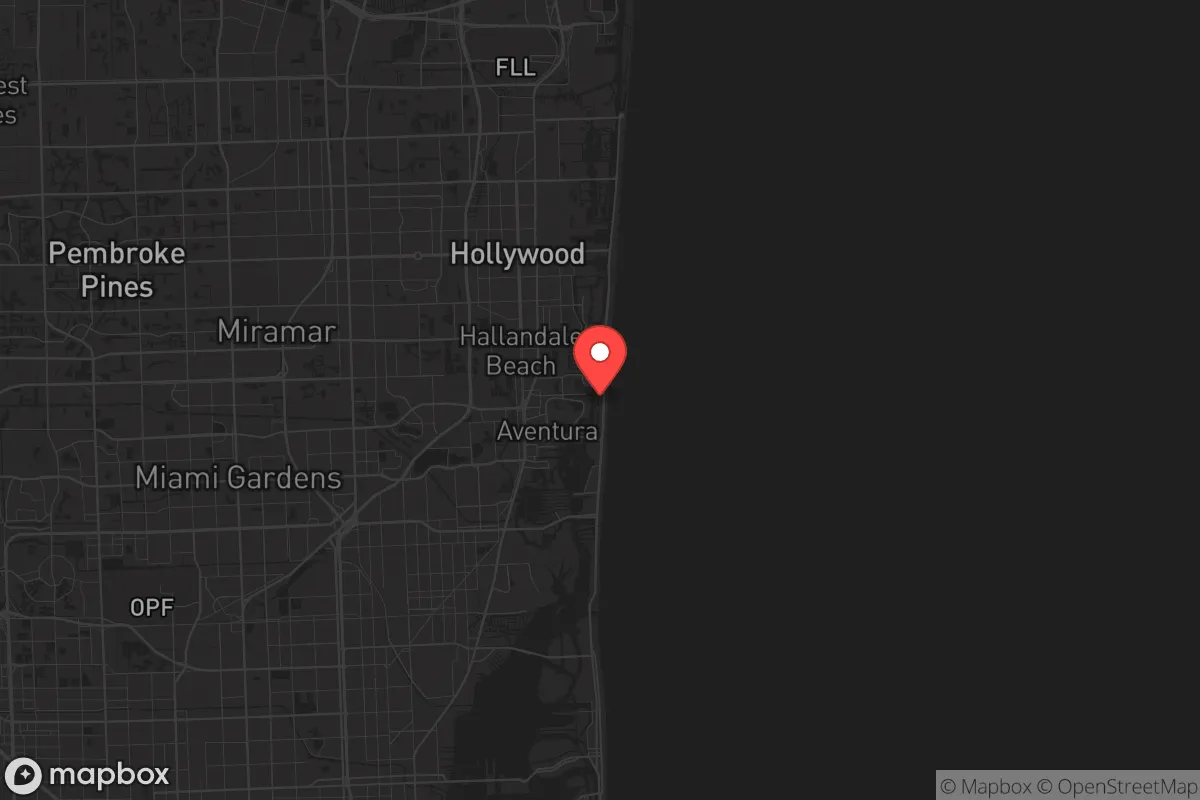
District shown is the primary district for this city’s centroid. Cities may span multiple districts.
Local Political AnalysisPolitical Analysis of Golden Beach, FL
Golden Beach is a small, affluent town in Miami-Dade County that leans heavily Democratic, with a Cook PVI of D+18, making it one of the most reliably blue spots in a state that itself has shifted rightward to R+5. This isn't just a statistical quirk—it reflects a long-standing local culture that has become increasingly progressive over the last decade, especially as new residents from the Northeast and California have moved in. If you've been here as long as I have, you've watched the town's politics drift further from the moderate, live-and-let-live ethos that once defined it, and toward a more activist, government-heavy approach that raises real concerns about personal freedoms and local autonomy.
How it compares
When you compare Golden Beach to the rest of Florida, the contrast is stark. The state as a whole has a PVI of R+5, meaning it leans Republican by a modest margin, and that's reflected in policies that generally favor lower taxes, less regulation, and more individual choice. Golden Beach, by contrast, sits in a D+18 bubble, surrounded by towns like Aventura and Sunny Isles Beach that also trend blue, but not quite as intensely. Drive just a few miles west to Hallandale Beach or Hollywood, and you'll find a more mixed political landscape, but Golden Beach remains an outlier. The town's local government has embraced progressive priorities—think stricter environmental mandates, higher density zoning pushes, and a general willingness to use government power to shape daily life. That's a far cry from the broader Florida ethos of "leave me alone," and it's a shift that feels increasingly out of step with the state's direction.
What this means for residents
For folks living here, the political climate translates directly into how much control you have over your own property, your business, and your family's choices. The local government has shown a tendency to get involved in things that, frankly, used to be left to individuals—like what kind of landscaping you can have, how you can use your home, and even what kind of energy upgrades you're required to make. There's a growing sense that the town's leadership sees itself as a manager of residents' lives rather than a servant of their rights. Property taxes are high, and new fees and regulations seem to pop up every year, all in the name of "sustainability" or "equity." If you value being left alone to make your own decisions, that's a red flag. The trajectory here is concerning: each election cycle brings more candidates who see government as the solution, not the problem.
One cultural distinction that stands out is the town's attitude toward law enforcement and public safety. While much of Florida has doubled down on supporting police and maintaining order, Golden Beach has seen local debates about defunding or redirecting resources—a conversation that would be unthinkable in most of the state. That kind of progressive experimentation might sound noble in theory, but in practice, it erodes the sense of security that made this area desirable in the first place. Looking ahead, if the trend continues, Golden Beach risks becoming a high-tax, low-freedom enclave that's increasingly disconnected from the values that make Florida attractive to so many. It's something to keep an eye on, especially if you're thinking about putting down roots here long-term.

State Political ClimatePolitical Climate in Florida
State Political AnalysisPolitical Environment in the State
Florida has transformed from a classic swing state into a solidly Republican-leaning powerhouse, carrying a Cook PVI of R+5 and delivering decisive wins for Donald Trump in both 2020 and 2024 by margins of roughly 3 and 13 points respectively. The dominant coalition today is a blend of conservative retirees, Hispanic voters (especially Cuban-Americans and Venezuelans in South Florida), and a surge of new residents from blue states seeking lower taxes and fewer restrictions. Over the past 20 years, the state has shifted rightward by about 10 points, driven by a combination of in-migration from the Northeast and Midwest, a growing population of culturally conservative Latinos, and a Democratic Party that has struggled to maintain its once-dominant registration advantage.
Urban vs. rural divide
The political map of Florida is a textbook case of urban-rural polarization, but with a few critical twists. The major Democratic strongholds are Miami-Dade County, Broward County (Fort Lauderdale), and Orange County (Orlando), which together account for roughly 40% of the state's population. However, Miami-Dade has been trending rightward for years, flipping from a 30-point Democratic margin in 2012 to a single-digit margin in 2024, driven by Cuban-American and Venezuelan voters who are deeply skeptical of socialism and progressive economic policies. Meanwhile, the fast-growing I-4 corridor — stretching from Tampa through Lakeland to Daytona Beach — is the state's true battleground, with suburban counties like Hillsborough and Pinellas becoming more competitive. The rural Panhandle and interior counties, such as Liberty County and Okeechobee County, vote Republican by 70-80% margins, while the Space Coast around Brevard County has become a conservative stronghold thanks to the aerospace and defense industry. The key takeaway: the Democratic base is shrinking geographically, concentrated in a few urban cores, while the Republican vote is spread across a much wider suburban and exurban landscape.
Policy environment
Florida's policy environment is a deliberate contrast to high-tax, high-regulation states like New York and California. There is no state income tax, a major draw for relocating families and businesses. The regulatory posture is business-friendly, with a right-to-work law and minimal occupational licensing burdens. On education, Governor Ron DeSantis pushed through the Parental Rights in Education Act (HB 1557, often called the "Don't Say Gay" law) and expanded school choice via the Family Empowerment Scholarship program, which now serves over 400,000 students. Healthcare policy is mixed: Florida did not expand Medicaid under the ACA, keeping the uninsured rate around 11%, but it also has strong protections for medical conscience rights and telehealth. Election laws have been tightened with SB 90 (2021), which limits drop boxes, requires voter ID, and restricts third-party ballot collection — measures that have drawn legal challenges but remain in effect. The state also passed a six-week abortion ban (HB 5) in 2023, which took effect after the Florida Supreme Court upheld it in 2024. For a conservative resident, the policy environment is broadly aligned with limited government, parental authority, and election integrity, though some libertarian-leaning residents chafe at the state's heavy-handed approach to property insurance regulation and the ongoing property tax burden (which is high by national standards, though offset by no income tax).
Trajectory & freedom
Florida's trajectory over the past five years has been toward more personal freedom in several key areas, though not uniformly. On gun rights, the state passed constitutional carry (HB 543) in 2023, allowing permitless concealed carry for adults 21 and older — a major win for Second Amendment advocates. On parental rights, the Parental Rights in Education Act and the Stop WOKE Act (HB 7, 2022) restricted critical race theory and gender ideology instruction in schools and workplaces, which many conservatives see as protecting children from government overreach. On medical autonomy, the state banned COVID-19 vaccine mandates for private employers and government workers (SB 252, 2023) and prohibited mask mandates in schools. However, there are areas where freedom has contracted: the state's property insurance market is in crisis, with premiums skyrocketing due to litigation abuse and hurricane risk, and the government has intervened heavily with reinsurance programs and rate caps that some argue distort the market. Additionally, the state's growth management policies have become more centralized, with the state preempting local zoning in some cases to speed up housing development. Overall, the trend is toward expanding individual liberties in cultural and medical domains, while economic freedom faces headwinds from insurance and housing costs.
Civil unrest & political movements
Florida has seen its share of political flashpoints, but large-scale civil unrest has been relatively contained compared to states like Oregon or Minnesota. The 2020 George Floyd protests in Miami, Tampa, and Jacksonville were significant but did not reach the intensity of Portland or Seattle. The state's most visible political movements are organized around immigration and election integrity. The Florida Immigration Coalition and other activist groups have clashed with the state over SB 1718 (2023), which requires hospitals to ask about immigration status, bans local "sanctuary" policies, and mandates E-Verify for employers. This law has been a rallying point for both pro-enforcement conservatives and immigrant-rights activists. On the right, the Florida Republican Assembly and local Moms for Liberty chapters have been highly active in school board races and library book challenges, particularly in Volusia County and Pasco County. Election integrity remains a live issue: the 2022 gubernatorial race saw a recount in Broward County, and the state has purged non-citizen voter rolls. A new resident would notice that political conversations are more openly partisan than in many other states, with yard signs, bumper stickers, and local news coverage heavily polarized. There is no serious secessionist or nullification movement, but the state has aggressively asserted its sovereignty against federal mandates, particularly on immigration and COVID policies.
Projection
Over the next 5-10 years, Florida is likely to become more Republican and more culturally conservative, driven by continued in-migration from blue states and the naturalization of conservative-leaning Hispanic immigrants. The Democratic Party's registration advantage has already evaporated, and Republicans now hold a voter registration lead of roughly 500,000. The fastest-growing counties — Sumter County (The Villages), St. Johns County (suburban Jacksonville), and Collier County (Naples) — are all deep red. However, there are countercurrents: the influx of younger, more diverse residents to the Orlando and Tampa areas could moderate the state's politics over time, and the cost of living (especially housing and insurance) may slow migration. Expect the state to continue pushing on school choice, parental rights, and tax cuts, while grappling with climate adaptation costs that could force more government intervention. For a new resident, the Florida of 2035 will likely feel very similar to today's — conservative, low-tax, and culturally traditional — but with a more pronounced Hispanic influence and a growing tension between development and environmental preservation.
For a conservative individual or family relocating to Florida, the bottom line is straightforward: you are moving to a state that actively protects your right to keep your taxes low, your children's education parent-directed, and your personal medical choices free from government coercion. The political climate is welcoming to those who value limited government and traditional values, but you should be prepared for a high cost of property insurance, a competitive housing market in desirable areas, and a political culture that is unapologetically partisan. If you're coming from a blue state, you'll find a refreshing respect for individual liberty — just make sure you budget for the insurance premiums.
* Values derived from national, state, county, city and local statistics and may differ in a specific area. Last updated: 2026-05-14T02:09:02.000Z
Narrative content on this page is AI-generated and may contain mistakes. Verify any details that matter before acting on them.
ReloMaps may earn a commission from affiliate links at no extra cost to you.

