Photo: Wikipedia
Political ClimatePolitical Climate in Grapevine, TX
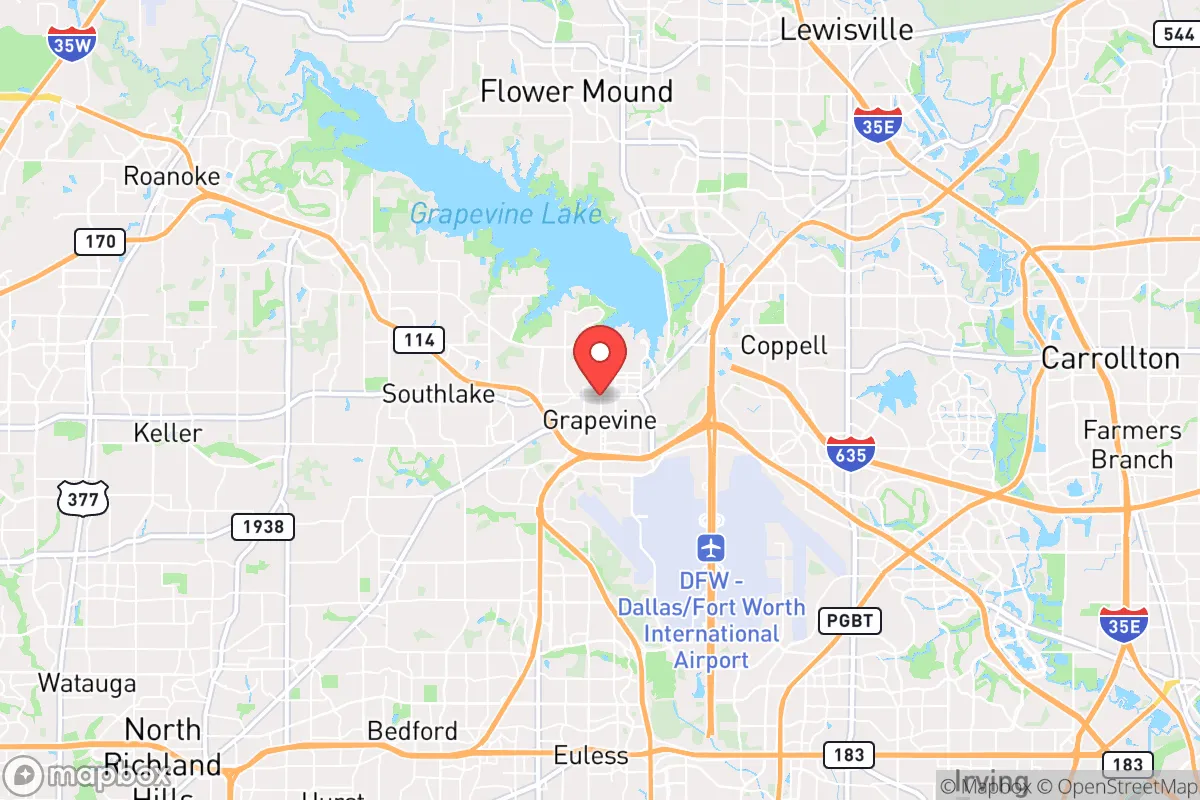
District shown is the primary district for this city’s centroid. Cities may span multiple districts.
Local Political AnalysisPolitical Analysis of Grapevine, TX
Grapevine has long been a solidly conservative community, and that hasn't changed much at the top of the ticket. The Cook PVI rating of R+7 tells you the district leans Republican by a comfortable margin, and that’s been the reality for as long as I can remember. But if you’ve been around here for a while, you’ve probably noticed the political winds shifting under the surface, especially as Dallas-Fort Worth sprawl pushes further west. The local elections and school board races are where you really see the tension between the old guard and the newer, more progressive transplants moving in from places like Dallas and Fort Worth proper.
How it compares
Drive ten minutes east to Southlake, and you’ll find a similar conservative vibe, though it’s a bit more polished and corporate. Head west to Keller or Colleyville, and it’s the same story—reliable Republican strongholds. But the real contrast is when you go into Dallas proper or even parts of Arlington. Those areas have shifted noticeably left in recent years, with city councils pushing policies on zoning, policing, and taxes that feel a world away from what we have here. Grapevine still feels like a place where the local government respects the idea that you know how to run your own life better than they do. That’s a big reason people move here from the more progressive parts of the metroplex.
What this means for residents
For the most part, it means you’re left alone. Property taxes are a headache everywhere in Texas, but Grapevine’s city council has historically been pretty stingy with new spending, which keeps the local tax bite manageable compared to some neighboring towns. You don’t see a lot of overreach in terms of business regulations or land use—if you want to run a home-based business or put up a fence, the city isn’t breathing down your neck. The school board has also held the line on things like curriculum and parental rights, which is a big deal for families. That said, the last few years have seen a few close votes on things like diversity initiatives and library policies, and that’s where the concern comes in. If the progressive wave that’s hit Dallas and Fort Worth keeps creeping this way, we could see more of that government overreach into personal freedoms—things like mask mandates, vaccine passports, or even restrictions on how you can use your own property. It’s not here yet, but you can feel the pressure building.
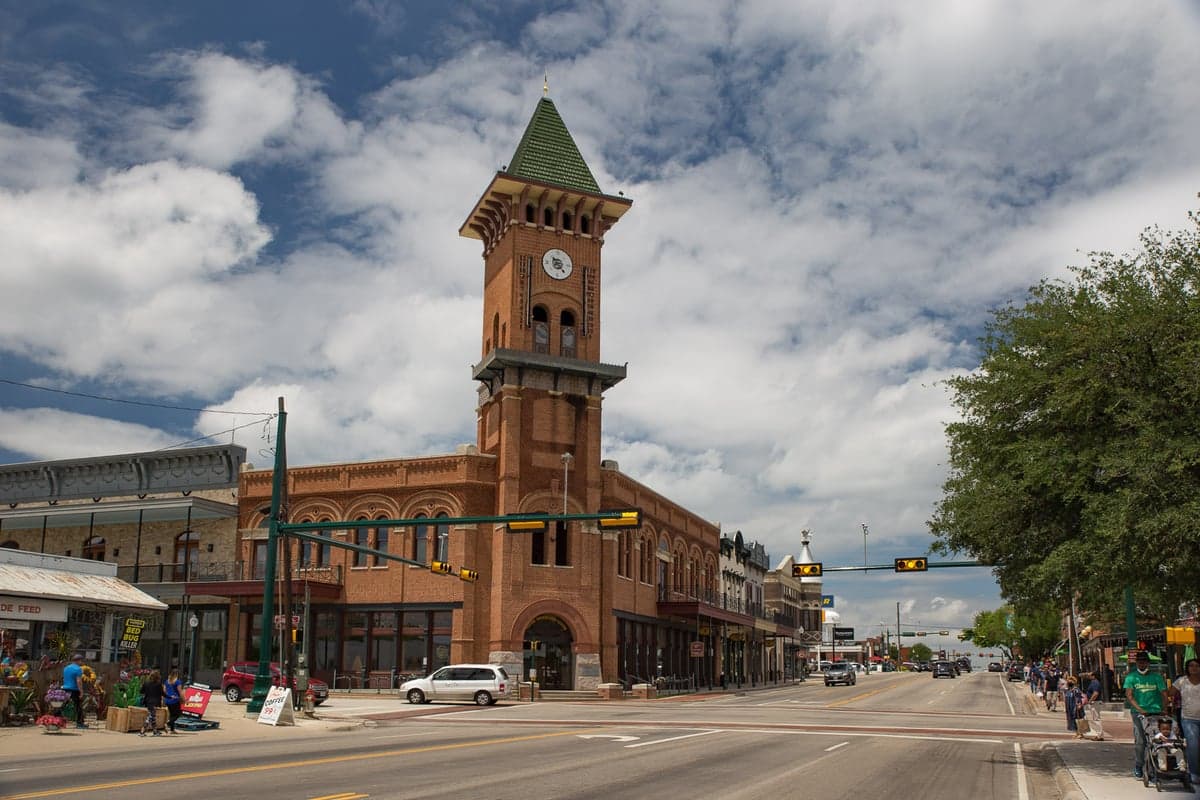
One thing that sets Grapevine apart is its strong sense of local identity, which acts as a buffer against the more radical changes you see in bigger cities. The city’s historic downtown and its focus on tourism—Grapevine is the "Christmas Capital of Texas," after all—mean there’s a lot of pride in keeping things traditional. You won’t find the same kind of activist-driven policy shifts here that you see in Austin or even parts of Dallas. The local leadership still talks about freedom, property rights, and limited government as core values. But I’d keep an eye on the next few city council elections. If the newcomers start winning seats, the character of this town could change faster than most folks realize. For now, though, it’s still a place where you can raise a family without feeling like the government is trying to run your life.

State Political ClimatePolitical Climate in Texas
State Political AnalysisPolitical Environment in the State
Texas has been a reliably Republican state for decades, with the GOP holding every statewide office and both chambers of the legislature since the mid-1990s. The state’s political lean is driven by a coalition of rural conservatives, suburban families, and a growing number of Hispanic voters who have shifted rightward in recent cycles. However, the 10-20 year trajectory shows a slow but steady tightening: Donald Trump won Texas by 9 points in 2016, 5.6 points in 2020, and about 5.5 points in 2024, with major metro counties like Harris (Houston), Dallas, and Tarrant (Fort Worth) moving left while exurban and rural areas harden their Republican margins. The state is still solidly red, but the margin for error is shrinking.
Urban vs. rural divide
The political map of Texas is a stark study in contrast. The major urban centers—Austin, Houston, Dallas, San Antonio, and El Paso—are Democratic strongholds, with Travis County (Austin) voting +50 points for Biden in 2020 and Harris County (Houston) going +15. These cities drive the state’s leftward shift, fueled by transplants from California and the Northeast, as well as younger, college-educated voters. Meanwhile, the vast rural and exurban areas—places like Lubbock, Midland, Odessa, and the Panhandle—vote Republican by 40-60 point margins. The real battleground is the suburbs: Collin County (north of Dallas) and Denton County were once reliably red but have become competitive, with Collin going from +27 R in 2012 to +9 R in 2020. Fort Bend County (southwest of Houston) flipped from red to blue in 2018 and has stayed there, driven by diverse, educated suburbanites. The rural-urban divide is widening, but the suburbs are where the state’s political future will be decided.
Policy environment
Texas’s policy environment is a mixed bag for conservatives. On the plus side, there is no state income tax, a right-to-work law, and a regulatory climate that has attracted businesses and residents for years. Property taxes are high—averaging 1.6% of home value—but the state relies on sales and property taxes rather than income. Education policy has been a flashpoint: the 2023 school voucher bill (SB 8) failed in the House due to rural Republican opposition, but Governor Abbott has made it a priority for 2025. Healthcare is a mess—Texas has the highest uninsured rate in the nation (18%), and the state has refused to expand Medicaid under Obamacare, which conservatives see as a win for fiscal discipline but a loss for access. Election laws tightened after 2020 with SB 1 (2021), which banned drive-through voting, restricted mail-in ballots, and empowered poll watchers. The state also passed a near-total abortion ban (SB 8, 2021) and a trigger law (HB 1280) that took effect after Roe fell. On the concerning side, the state has seen creeping government overreach in areas like vaccine mandates (Governor Abbott banned them in 2021, but local governments still pushed) and property rights (eminent domain battles with pipelines).
Trajectory & freedom
Texas is becoming more free in some areas but less free in others, and the trend is worth watching. On the positive side, the state expanded gun rights with permitless carry (HB 1927, 2021), allowing any law-abiding adult to carry a handgun without a license. Parental rights were strengthened with HB 4549 (2023), which requires schools to notify parents of curriculum changes and prohibits certain gender-related instruction. Medical autonomy took a hit with the abortion ban, but the state also passed a law (SB 29, 2023) protecting doctors who refuse to perform gender-transition procedures on minors. On the negative side, property taxes have risen faster than inflation, and the state’s reliance on sales tax means that inflation hits families hard. The 2023 property tax relief package (SB 2) was a one-time fix, not a structural reform. Speech is relatively free, but the state has targeted social media platforms with HB 20 (2021), which prevents them from deplatforming users based on political views—a win for free speech but a potential overreach into private business. The trajectory is mixed: Texas is still freer than California or New York, but the gap is narrowing.
Civil unrest & political movements
Texas has seen its share of civil unrest and political movements, particularly around immigration and election integrity. The border crisis has been a constant flashpoint, with Governor Abbott launching Operation Lone Star in 2021, deploying state troopers and National Guard to the border, and busing migrants to sanctuary cities like New York and Chicago. This has sparked lawsuits from the Biden administration and protests from immigrant rights groups. In El Paso, the city has been a focal point for both pro- and anti-immigration activism. On the left, the 2020 Black Lives Matter protests in Austin turned violent, with the city council defunding the police by $150 million—a move that was later partially reversed after crime spiked. On the right, the “Texas Nationalist Movement” has gained some traction, with a 2022 poll showing 18% of Texans supporting secession, though it remains fringe. Election integrity has been a hot topic: the 2020 election in Texas was relatively smooth, but activists on both sides have pushed for changes, leading to the passage of SB 1. A new resident would notice the heavy police presence in border towns, the political bumper stickers in Dallas and Houston, and the occasional protest at the state capitol in Austin.
Projection
Over the next 5-10 years, Texas is likely to become more competitive but not necessarily blue. Demographic shifts are the key driver: the state is growing by about 1,000 people per day, with many coming from blue states like California and New York. These transplants tend to be younger, more diverse, and more moderate, but they are not all Democrats—many are conservatives fleeing high taxes and crime. The Hispanic vote is the wild card: in 2024, Trump improved his share of the Hispanic vote in Texas by about 10 points compared to 2020, particularly in the Rio Grande Valley (places like McAllen and Brownsville). If that trend continues, Texas could stay red for another decade. However, the suburbs are shifting left, and if the GOP loses the suburbs, the state could flip by 2032. A new resident moving in now should expect to see continued Republican control of state government, but with narrower margins, and a policy environment that will remain conservative on taxes, guns, and abortion, but may shift on issues like school vouchers and property tax reform. The border crisis will remain a defining issue, and the state will likely continue to clash with the federal government on immigration.
Bottom-line for a new resident: Texas is still a solid bet for conservatives, but it’s not the same state it was 20 years ago. You’ll find low taxes, strong gun rights, and a government that generally respects personal freedom—but you’ll also see rising property taxes, crowded suburbs, and a political climate that is becoming more polarized. If you’re moving here for freedom, you’ll get it, but you’ll need to stay engaged to keep it that way. The state is a battleground for the soul of the country, and your vote will matter more here than almost anywhere else.
* Values derived from national, state, county, city and local statistics and may differ in a specific area. Last updated: 2026-04-19T07:18:58.000Z
Narrative content on this page is AI-generated and may contain mistakes. Verify any details that matter before acting on them.
ReloMaps may earn a commission from affiliate links at no extra cost to you.

