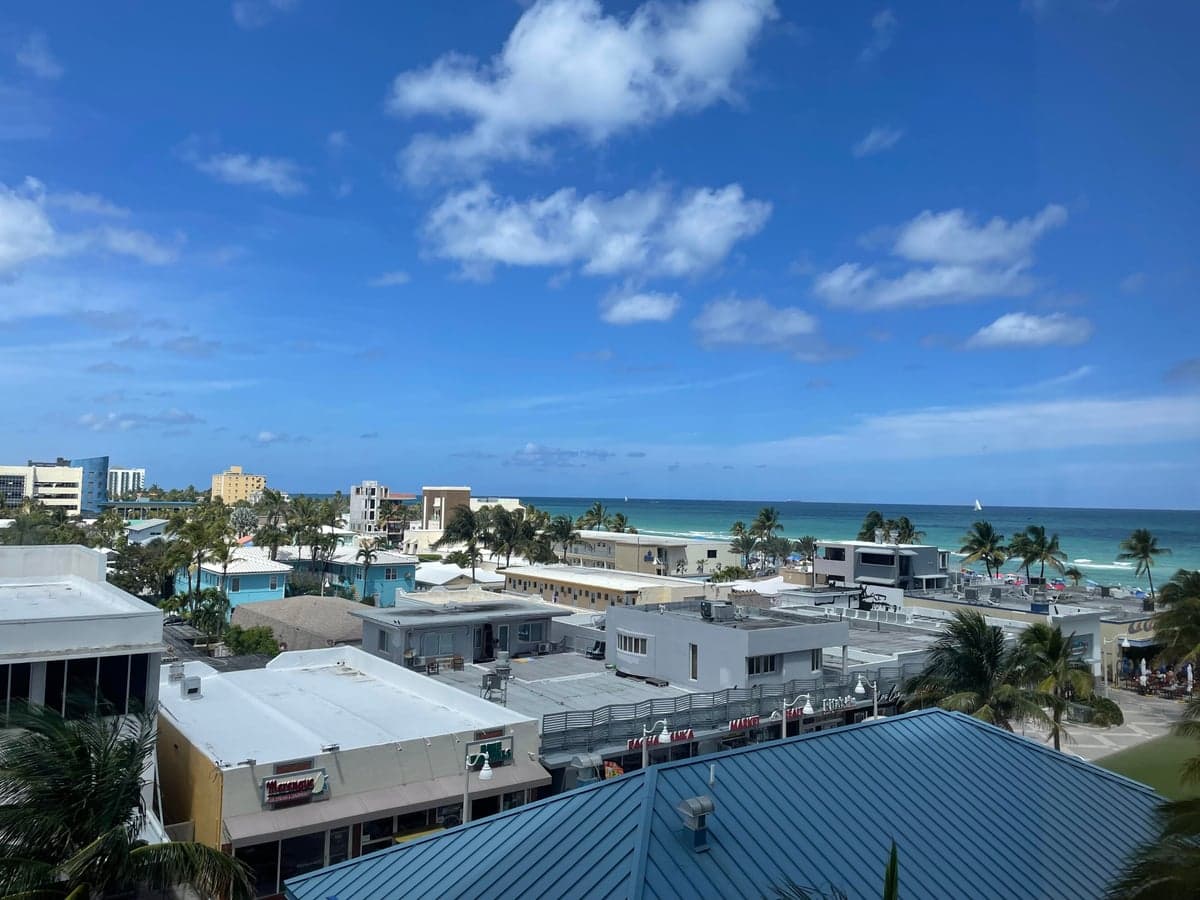
Photo: Wikipedia
Strategic Assessment of Hollywood, FL
Multiple tactical vulnerabilities. Population density, target proximity, or disaster risk are likely compounding. A retreat property and exit planning is required.
What does the Strategic Assessment tell us?
Our Strategic Assessment grades tactical survivability of an area. Major population centers, military targets, fallout zones, natural disasters, and border exposure all drive risk — lower exposure means a more defensible position in a crisis.
This is heavily inspired by Joel Skousen's Strategic Relocation book. Highly recommended you checkout the book ($)What does this tell us?
Our Strategic Assessment grades tactical survivability of an area. Major population centers, military targets, fallout zones, natural disasters, and border exposure all drive risk — lower exposure means a more defensible position in a crisis.
This is heavily inspired by Joel Skousen's Strategic Relocation book. Highly recommended you checkout the book ($)Strategic Pillars

Key Distances
Regional Safe Places
Below is our recommended "safe zones" in Florida and the surrounding area based on our strategic heuristics. For most people, it's unrealistic to live in a “safe zone” full-time due to work, family or other personal reasons. They tend to be more rural. However, many of these areas are perfect for second homes and retreat properties that double as a vacation home or even a short-term rental.

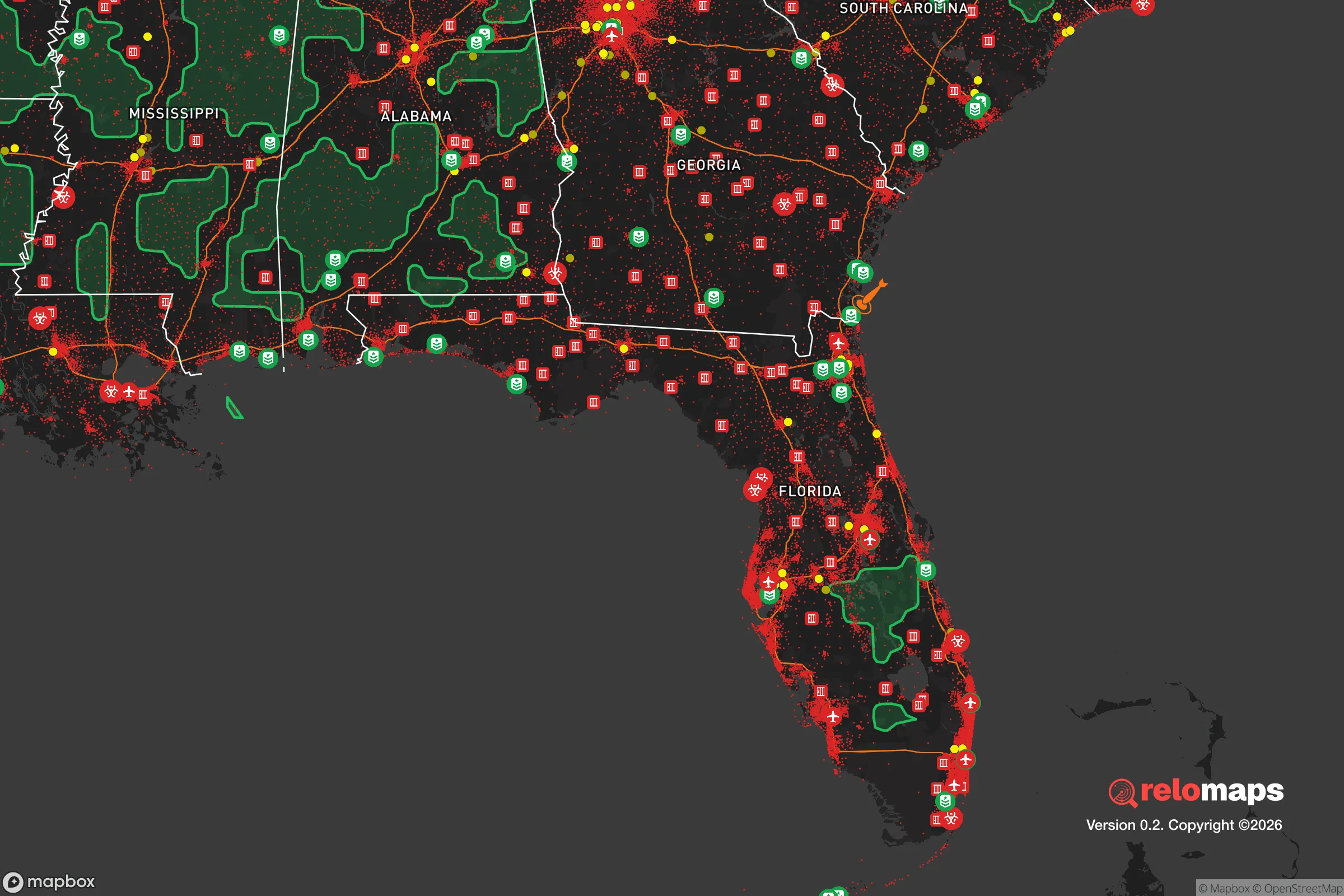


Important Note: For informational purposes only. This does not mean nothing bad ever happens in the green zones. Please use common sense. This is based on public data and modeled with AI. We tried to take a conservative approach but mistakes happen. We update this regularly as new information becomes available.
Solar Generator Recommendations
Backup power matters more here than in safer locations. We've picked three solar generators across budgets and capacity tiers — start with the budget unit if you only need a few essentials, or step up if you want to run a fridge and HVAC for days at a time.

Jackery Portable Power Station Explorer 300
Budget OptionPower on the Go: Weighing only 11 lbs, it's convenient to set up and store with book-sized foldable solar panels

BLUETTI Portable Power Station AC180
Designed for both indoor and outdoor scenarios, AC180 is highly capable as it has a robost capacity and continuous output power.

EF ECOFLOW DELTA Pro Ultra Power Station
Upgraded PickEcoFlow DELTA Pro Ultra is a whole-home energy system designed to grow with your family. Integrated with the Smart Home Panel 2, it scales to meet your evolving energy needs — keeping your home powered, intelligent, and secure through every stage of life.
We earn a commission, at no additional cost to you.
Strategic Assessment Analysis
Hollywood, Florida, sits in a precarious strategic position that demands serious consideration for anyone prioritizing long-term resilience. Its location between the Atlantic Ocean and the Everglades offers natural barriers and access to resources, but its proximity to Miami, Fort Lauderdale, and a dense urban corridor introduces significant vulnerabilities. For a conservative-leaning relocator focused on preparedness—whether for civic unrest, natural disasters, or supply chain disruptions—Hollywood presents a mixed bag of tactical advantages and glaring exposure points that require careful mitigation.
Geographic position and natural advantages for long-term survival
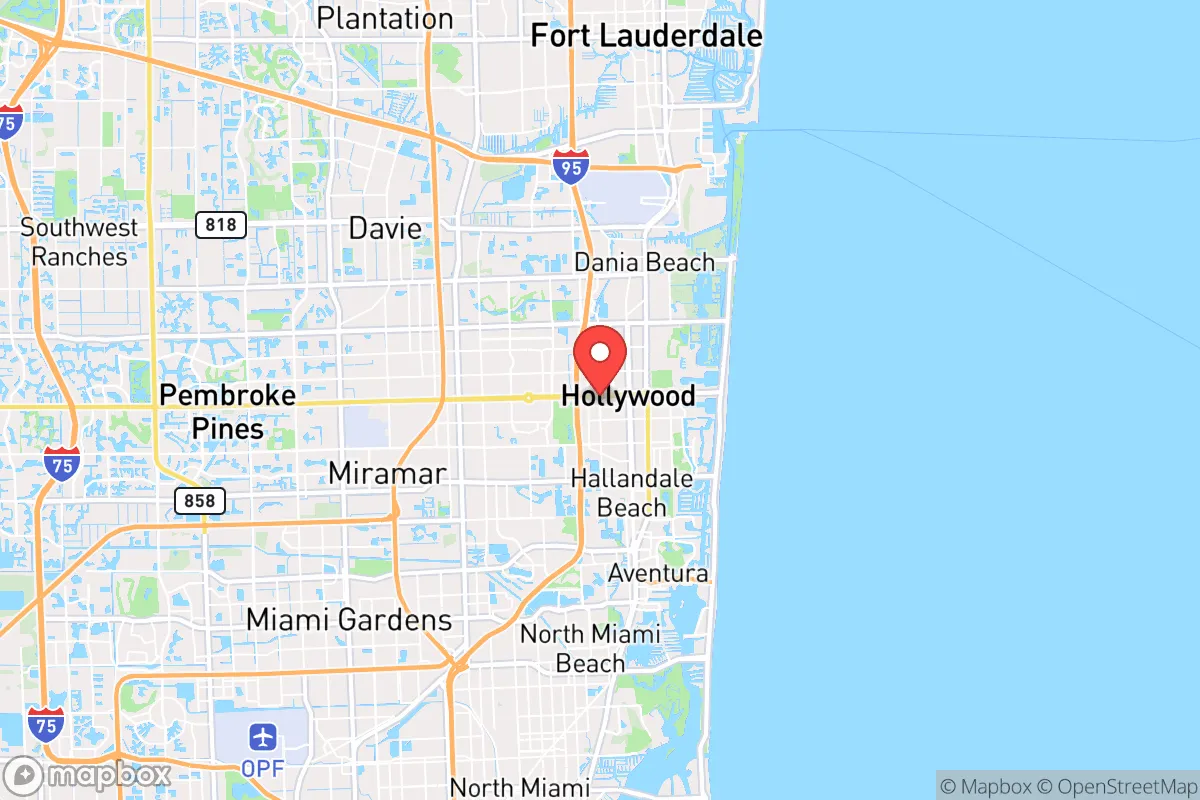
Hollywood’s geography is defined by its coastal interface and its adjacency to the Everglades, a massive freshwater ecosystem that could serve as a buffer zone and a potential source of wild game, fish, and filtration-capable water. The city sits roughly 15 miles south of Fort Lauderdale and 20 miles north of Miami, placing it within a metropolitan corridor of over 6 million people—a double-edged sword. On one hand, this proximity means access to major hospitals, ports, and supply hubs during stable times. On the other, it makes Hollywood a likely chokepoint or target during any large-scale disruption. The city’s elevation averages around 6 feet above sea level, which is low but not the lowest in the region; parts of nearby Miami Beach sit at 3 feet. The Intracoastal Waterway runs through Hollywood, offering a navigable route for evacuation or resupply by boat, but also a potential vector for unwanted movement. The natural advantages here are real: the Everglades provide a vast, sparsely populated wilderness to the west, and the Atlantic offers fishing and desalination potential. However, the city’s position on a narrow coastal strip means any major event—hurricane, tsunami, or civil breakdown—could quickly isolate it from inland routes. The primary highway, I-95, runs directly through Hollywood, making it a natural funnel for traffic and a likely target for roadblocks or congestion during an evacuation.
Risks, exposures, and proximity to fallout-relevant landmarks
The most glaring risk for Hollywood is its location within the South Florida urban megalopolis. In a scenario involving civil unrest, mass casualty events, or a coordinated attack, the city’s proximity to Miami International Airport, Port Everglades (one of the busiest cargo ports in the U.S.), and the U.S. Southern Command headquarters in Doral makes it a high-probability secondary or tertiary target. These are not speculative concerns—they are strategic realities. Port Everglades, located just north in Fort Lauderdale, handles massive volumes of fuel, food, and containerized goods, making it a critical node that would attract both state and non-state actors during any conflict. Hollywood’s own Hollywood North Beach Park and the adjacent U.S. Coast Guard station add military value, but also increase the likelihood of the area being locked down or contested. Additionally, the city sits within the fallout zone of the Turkey Point Nuclear Generating Station, located about 25 miles south in Homestead. While the plant has safety protocols, a major accident or attack could render large portions of southern Broward County uninhabitable for weeks. The flat, low-lying terrain offers no natural shielding from radiation or blast effects. For a prepper, the density of the population—over 150,000 residents in Hollywood alone, with millions more within a 30-minute drive—means that any disaster will trigger rapid resource depletion, looting, and gridlock. The city’s reliance on a single major north-south evacuation route (I-95) and a few east-west arteries (Sheridan Street, Hollywood Boulevard) creates a bottleneck that could trap residents during a rapid evacuation.
Practical resilience for a relocator: food, water, energy, and defensibility
For a relocator serious about self-sufficiency, Hollywood’s practical resilience is below average compared to inland or rural alternatives, but not hopeless. The city’s water supply comes from the Biscayne Aquifer, a shallow freshwater source that is vulnerable to saltwater intrusion during storm surges and sea-level rise. During a prolonged power outage, municipal water pumps fail, so a well or rainwater catchment system is essential—but most residential properties in Hollywood lack the space or legal allowance for these. The city’s building stock is a mix of older concrete-block homes (pre-1970s) and newer high-rises; the former offer better structural integrity for hurricane resistance, but both are vulnerable to flooding. Energy resilience is poor: Florida Power & Light serves the area, and outages during hurricanes are common, sometimes lasting weeks. Solar panels with battery storage are a viable option, but homeowners associations and coastal building codes can restrict installations. Food security is a major concern. Hollywood has several grocery chains (Publix, Winn-Dixie, Aldi) and a few farmers’ markets, but the city is not a food-producing region. The nearest agricultural land is in the Redland area south of Miami or in western Palm Beach County—both a 45-minute drive in good conditions. Foraging and fishing are possible: the Intracoastal and ocean provide fish, crabs, and shellfish, but these are subject to red tide and pollution advisories. Defensibility is poor. Hollywood’s street grid is open, with few natural chokepoints. The city’s police force is well-funded but would be overwhelmed in a widespread event. The best defensive strategy is to live in a gated community or a home with a concrete wall and a safe room, but these are expensive and rare. For a single individual or a family, the most practical approach is to establish a retreat property inland (e.g., in the Lake Okeechobee region or the Florida Panhandle) and use Hollywood as a coastal base for work or income, not as a primary survival location.
The overall strategic picture for Hollywood is one of calculated risk. It offers genuine advantages—coastal access, a mild climate, and proximity to emergency services—but these are offset by high population density, critical infrastructure exposure, and vulnerability to both natural and man-made disasters. For a conservative prepper, Hollywood is not a bug-out location; it is a location that demands a robust plan for evacuation, stockpiling, and community networking. The city’s best use is as a temporary base for those who need to remain in South Florida for work or family, with a clear exit strategy. If you are willing to invest in a well-stocked safe room, a boat for coastal escape, and a secondary property inland, Hollywood can work. But for anyone seeking true resilience—where you can ride out a crisis without relying on fragile supply chains or crowded highways—the smart move is to look farther north or west, away from the urban corridor. Hollywood is a place to pass through, not to dig in.

* Values derived from national, state, county, city and local statistics and may differ in a specific area. Last updated: 2026-04-29T23:25:24.000Z
Narrative content on this page is AI-generated and may contain mistakes. Verify any details that matter before acting on them.
ReloMaps may earn a commission from affiliate links at no extra cost to you.

