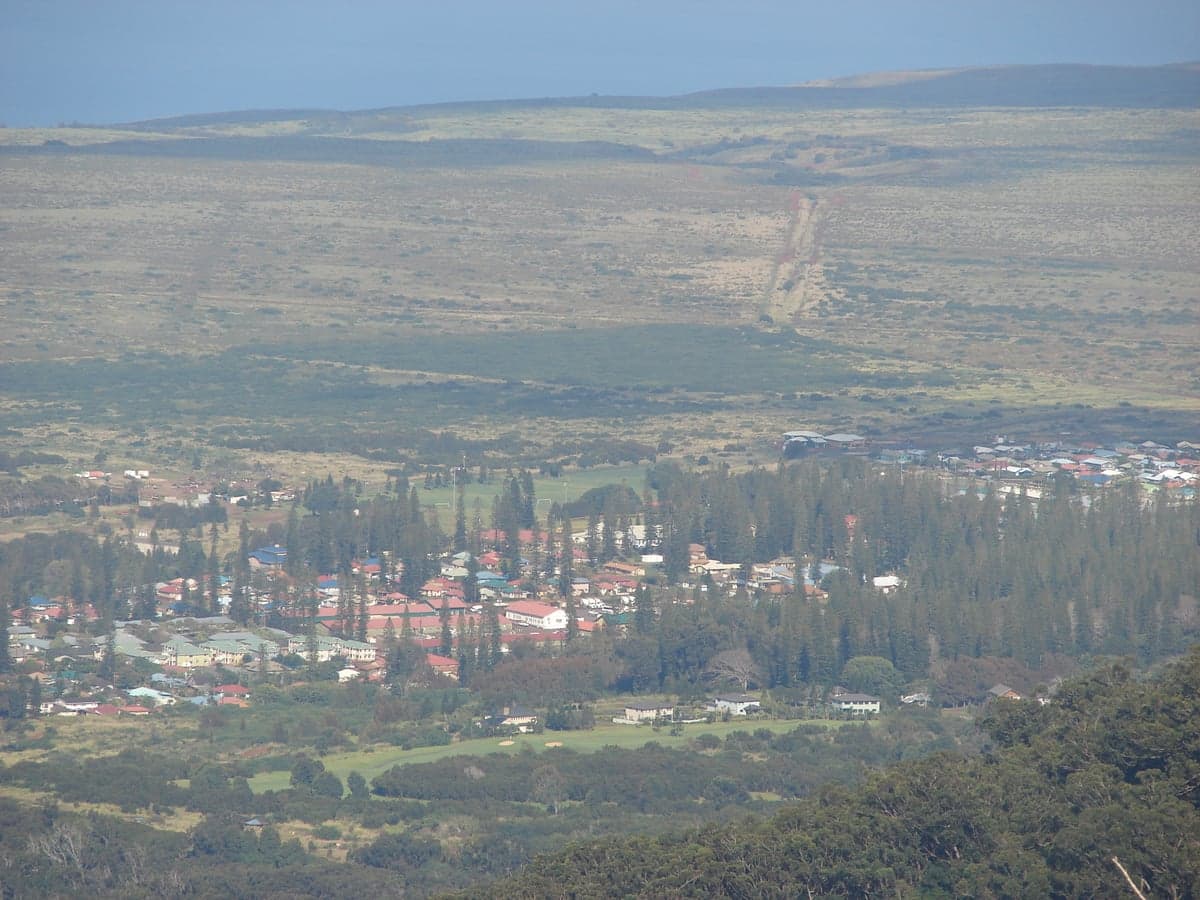
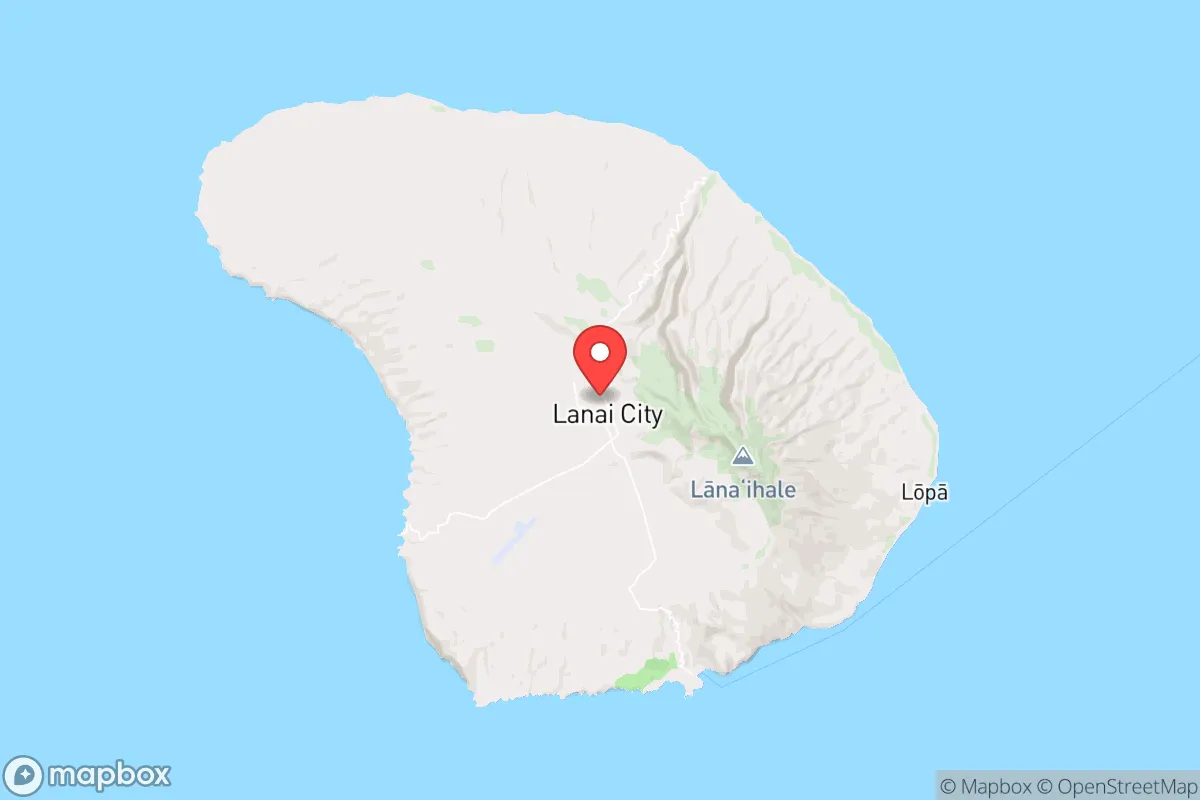
Photo: Wikipedia
Find The Best Places To Live
in Lanai City
PRO TIP! You can paste a Zillow or Redfin link to get info on that property.
What It's Like Living in Lanai City, HI
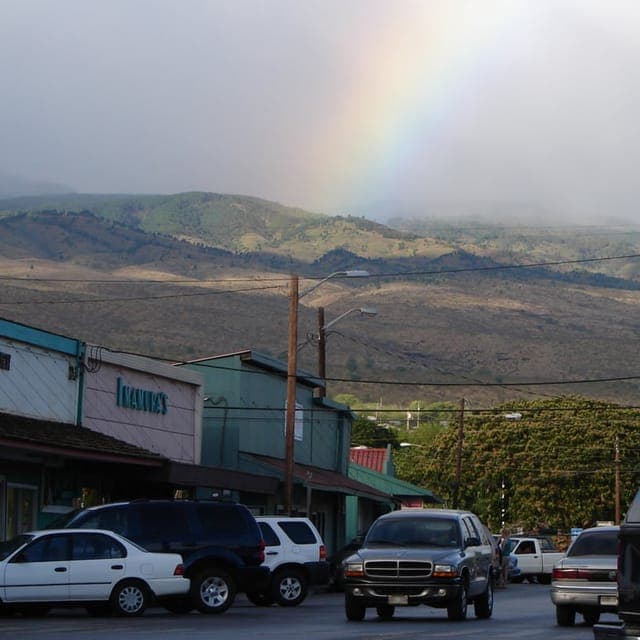
Lanai City feels less like a typical Hawaiian town and more like a company town that time forgot—in the best way. With just over 3,200 residents, it’s the only real population center on the island of Lanai, and nearly everything revolves around the legacy of the Dole pineapple plantation and the current influence of Larry Ellison’s tech wealth. You won’t find chain stores, traffic lights, or tourist crowds here; what you will find is a quiet, slow-paced community where people know each other by name and the biggest decision of the day might be whether to grab a plate lunch at the Blue Ginger Cafe or a burger at the Lanai City Bar & Grill.
Daily Rhythm: What Life Actually Looks Like
Life in Lanai City moves at a deliberate, unhurried pace. Most residents work in hospitality, property management, or for the local utility company—Pulama Lanai, the Ellison-backed entity that essentially runs the island. The median household income sits around $79,405, which is respectable for Hawaii, but the cost of living index of 134 means that dollar doesn’t stretch as far as it would on the mainland. The average commute is a laughably short 22.8 minutes—and that’s probably because you’re driving from one end of town to the other, or out to the resorts at Manele Bay or Koele. There’s no traffic to speak of, just the occasional pickup truck ambling down Dole Park’s main drag.
Weekends are spent at the park, hiking the Munro Trail, or fishing off the rocky coast. The local grocery store, Richard’s Shopping Center, is where you’ll do most of your shopping, but expect limited selection and higher prices—many residents order non-perishables from Amazon or make monthly trips to Maui via the ferry. The weather is consistently mild, with temperatures in the 70s year-round, though the trade winds can pick up and the island’s red dirt gets everywhere. Rain is common in the winter months, but it rarely lasts long.
Sports, Entertainment, and Where People Gather
Sports aren’t a major draw here—there’s no high school football stadium packed on Friday nights, no minor league team to follow. The local high school, Lanai High and Elementary School, fields teams in basketball and volleyball, and those games are genuinely community events. If you’re a fan of pro sports, you’ll catch games at the Lanai City Bar & Grill, which doubles as the town’s de facto living room. The bar is where locals unwind after work, where tourists are welcome but never the center of attention, and where you can hear live music on weekends.
For entertainment, the island offers two distinct experiences: the upscale resorts (Four Seasons Manele Bay and Sensei Lanai) and the town’s own low-key spots. The resorts have fine dining and golf courses, but they’re a world apart from Lanai City’s casual vibe. The annual Pineapple Festival in July is the biggest event of the year, featuring a parade, food booths, and live music—it’s a genuine celebration of the island’s agricultural past. Other than that, entertainment is what you make it: hiking, snorkeling at Hulopoe Bay, or simply sitting on a porch watching the clouds roll over Lanaihale.
Who Fits In—and Who Doesn’t
Lanai City is best suited for people who value quiet, self-sufficiency, and a tight-knit community. The median age is 40.3, which reflects a mix of longtime local families and newer arrivals working in resort management or remote tech jobs. Only 25% of adults hold a college degree, so the workforce leans heavily on practical skills—hospitality, maintenance, construction. If you’re a single person who craves nightlife, dating options, or career variety, you’ll feel the isolation quickly. For parents, it’s a different story: kids grow up with a freedom that’s rare in 2026, riding bikes around town and knowing every neighbor. The school is small—K through 12 on one campus—so teachers know every student by name, and parent involvement is high.
The median home value is $547,400, which is steep for a town with limited amenities, but still well below the Hawaii state average. Rentals are scarce and often tied to employment. The violent crime rate of 215 per 100,000 is higher than the national average, but most crime here is property-related or tied to domestic disputes—it’s not a place where you worry about walking alone at night. The real frustration for longtime residents is the lack of healthcare options: there’s a small clinic, but anything serious requires a flight or ferry to Maui. That, and the fact that a gallon of milk can cost $8, are the trade-offs for living in one of the most peaceful, uncrowded places in Hawaii.

Similar small towns to Lanai City

* Values derived from national, state, county, city and local statistics and may differ in a specific area. Last updated: 2026-05-15T21:54:32.000Z
Narrative content on this page is AI-generated and may contain mistakes. Verify any details that matter before acting on them.
ReloMaps may earn a commission from affiliate links at no extra cost to you.

