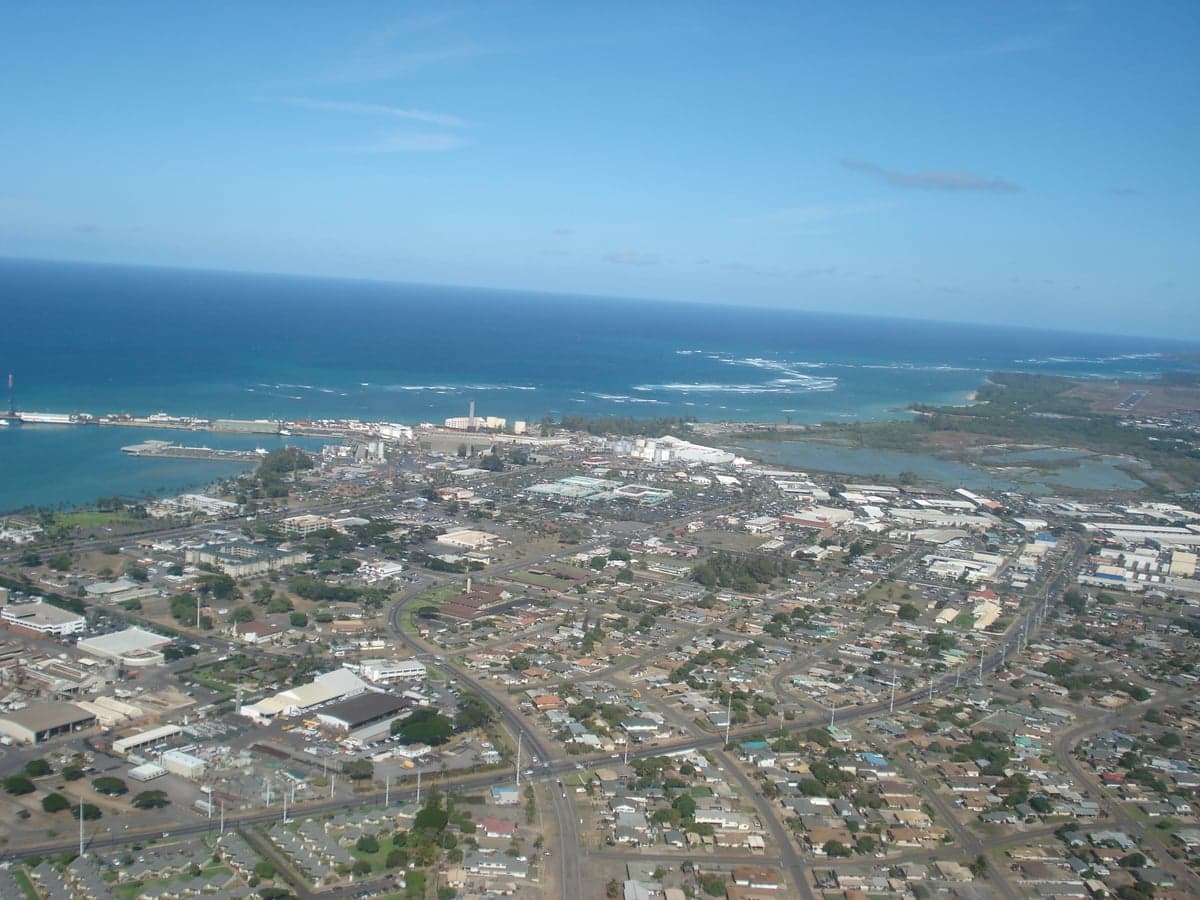
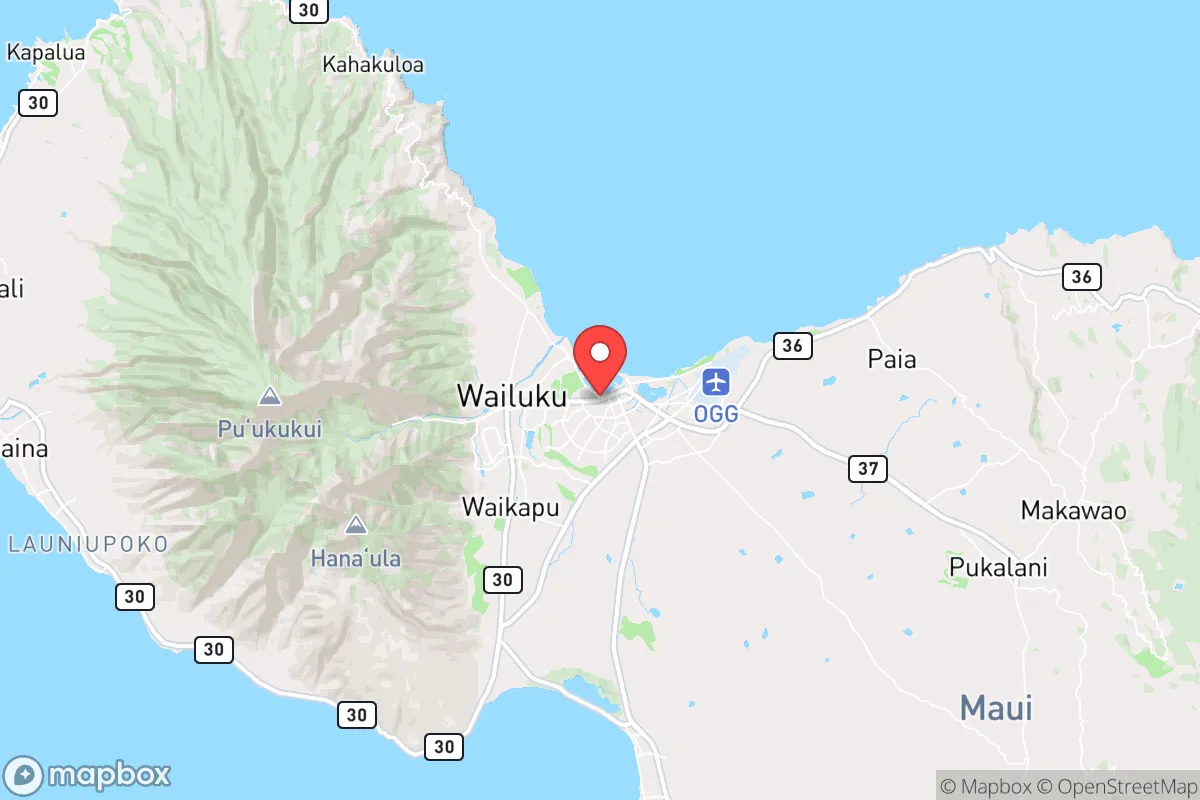
Photo: Wikipedia
Quality of Life in Kahului, HI
A high quality of life with strong walkability, manageable living costs, healthy neighborhood signals, and solid amenity access.
What does Quality of Life tell us?
Quality of Life blends cost of living, nearby amenities, socioeconomic signals, and neighborhood character. City-level scores represent the whole municipality; individual neighborhoods can differ.
What does this tell us?
Quality of Life blends cost of living, nearby amenities, socioeconomic signals, and neighborhood character. City-level scores represent the whole municipality; individual neighborhoods can differ.
Cost of Living
94% above national average
The Real Cost of Living in Kahului, HI for 2026
| Tier | Individual | Family (4) |
|---|---|---|
| Survival | $24k | $44k |
| Comfortable | $98k | $144k |
| Luxury | $144k+ | $223k+ |
| Elite (Top 5%) | $169k+ | $262k+ |
64%
The Area Signal
A metric tracking the socioeconomic signals of the area.
Hobbies
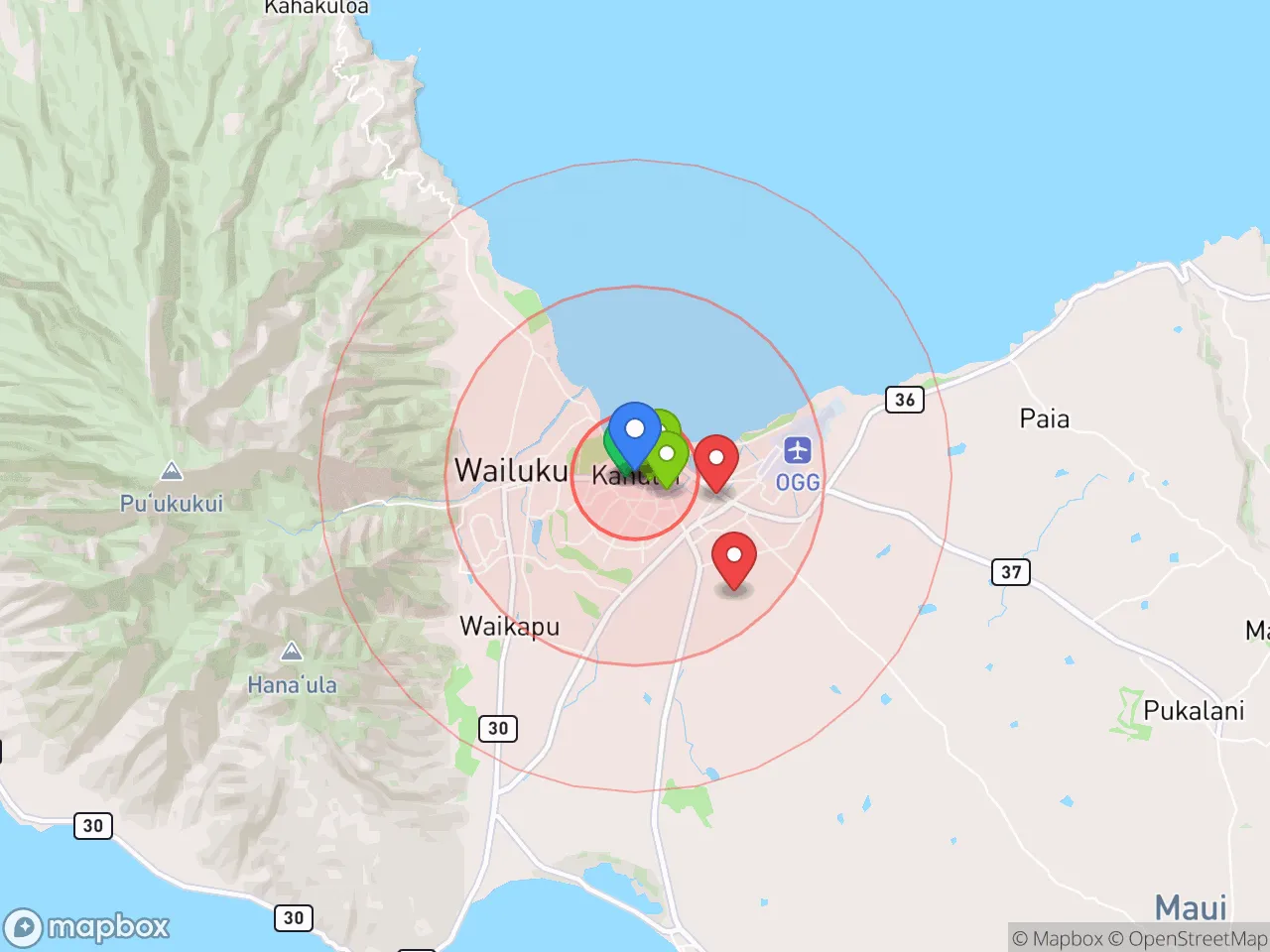
Explore the areaGroceries
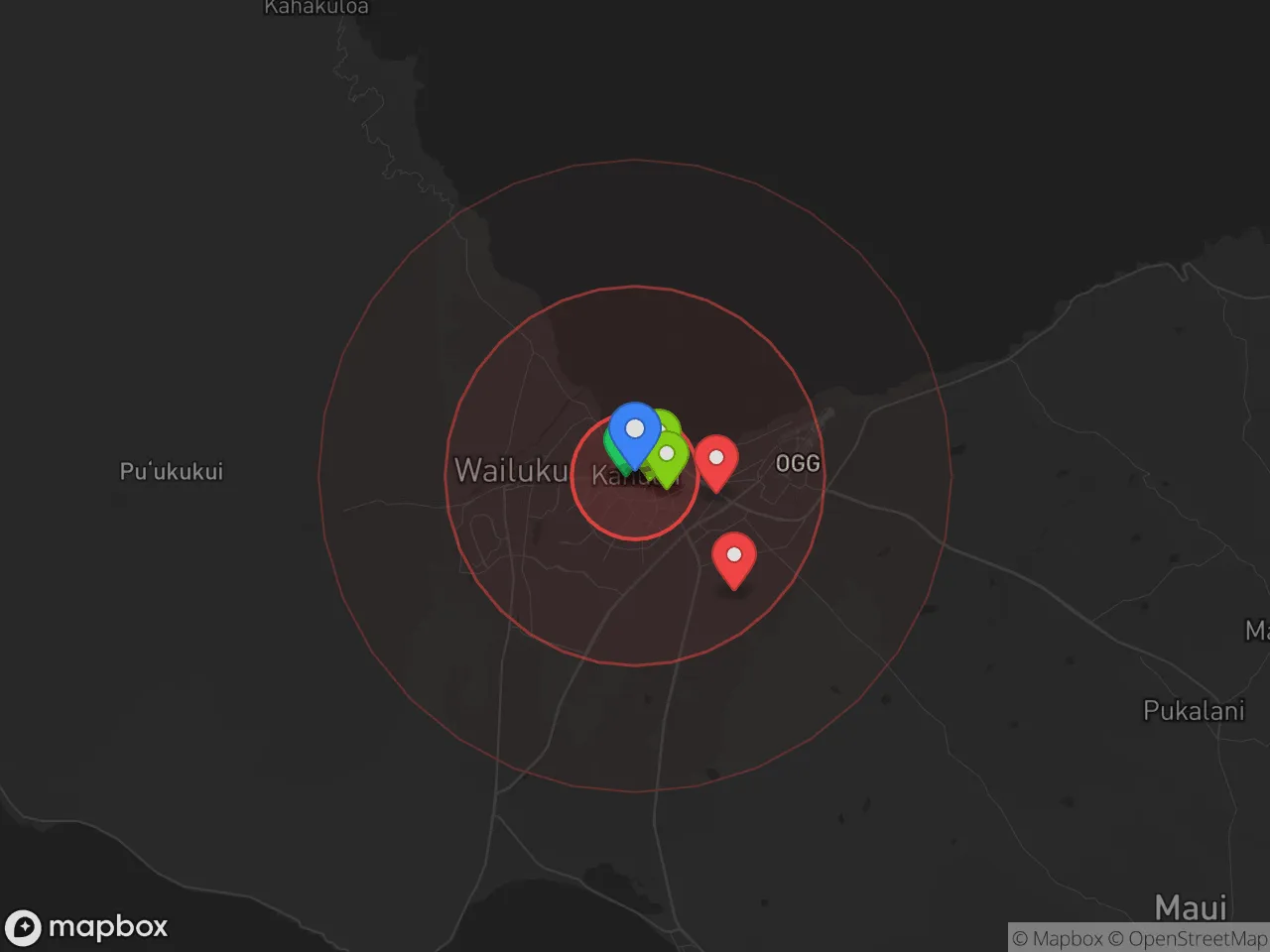
4 within 10 miles
Gas
20 within 10 miles
Hospital
2 within 20 miles
Airport
Daniel K. Inouye International Airport
Post Office
USPS — Kahului, HI
Critical Amenities
Quality-of-Life Analysis
Kahului, the commercial hub of Maui, presents a quality of life defined by a trade-off between high costs and unmatched natural surroundings. With a cost of living index of 194—nearly double the U.S. average—the area is home to a mix of long-established local families, service-industry workers, and professionals employed by major employers like Hawaiian Airlines and Alexander & Baldwin. The population skews younger and more diverse than the rest of Maui County, reflecting its role as a working-class center rather than a resort enclave.
How housing costs and affordability compare to nearby areas
Housing in Kahului is expensive by national standards but more attainable than in neighboring resort towns. The median home value sits at $833,200, significantly lower than the $1.2 million-plus median in Wailea or Kīhei, though still roughly 4.5 times the national average. Median rent is $1,473, which is notably cheaper than the $2,000+ typical for Lahaina or West Maui rentals. However, this rent figure often reflects older, smaller units; newer apartments in complexes like the Kahului Town Center command $1,800–$2,200. The average commute of 22.2 minutes is shorter than the island-wide average of 28 minutes, largely because Kahului is centrally located near major employers, the airport, and the port. For comparison, residents commuting from Pāʻia or Makawao to Kahului face 35–45 minute drives. While housing is less punishing than in resort areas, the overall COL index of 194 means groceries, utilities, and transportation are all elevated—gasoline on Maui often runs $1.00–$1.50 per gallon above the mainland U.S. average.
What daily life is like for families: amenities, schools, and local rhythm
Daily life in Kahului revolves around convenience and community. The town is home to the Maui Mall and Queen Kaʻahumanu Center, which provide retail, dining, and a movie theater. Public schools are mixed: Kahului Elementary and Maui Waena Intermediate serve the area, with test scores near the state average, while Baldwin High School offers a strong college-prep track. For healthcare, Maui Memorial Medical Center—the island’s only full-service hospital—is located in Kahului. The local rhythm is slower than Honolulu but busier than Upcountry Maui; traffic congestion on the Hāna Highway and Dairy Road is a daily reality during commute hours. Outdoor amenities are abundant: Kanahā Beach Park offers calm waters for families, and the nearby Keālia Pond National Wildlife Refuge provides walking trails. The town lacks the resort polish of Wailea but compensates with authentic local culture, including the Kahului Swap Meet every Saturday and the Maui Nui Botanical Gardens.
Kahului is best suited for people who prioritize career access and community roots over luxury living. It works well for professionals employed at the airport, harbor, or county government, as well as families who value short commutes and proximity to schools and medical facilities. Those seeking a resort lifestyle or low costs should look elsewhere—Kīhei offers more beachfront rentals, while Upcountry towns like Kula provide cooler temperatures and larger lots. For anyone willing to accept high prices in exchange for central location and genuine island life, Kahului delivers a practical, grounded quality of life that few other Hawaiian towns can match.

Crime in Kahului, HI
Generally safer than 64% of comparable U.S. locations.
Violent CrimeViolent Crime Analysis
Property CrimeProperty Crime Analysis
Crime Analysis
Kahului, the commercial hub of Maui, presents a crime profile that is notably lower than the national average for violent offenses but significantly higher for property crime. With a violent crime rate of 200.2 per 100,000 residents, Kahului is safer than the U.S. average of roughly 380 per 100,000, but its property crime rate of 1,586.9 per 100,000 is substantially above the national figure of approximately 1,954 per 100,000. However, these statistics must be weighed against the broader context of Hawaii's criminal justice system, which is influenced by progressive policies that can prioritize offender rehabilitation over strict enforcement, potentially emboldening property criminals and reducing accountability for repeat offenders.
Crime in context
Kahului's violent crime rate is roughly half the national average, with incidents like assault and robbery occurring at lower frequencies than in comparable mainland port towns. Property crime, however, is the dominant concern. The rate of 1,586.9 per 100,000 is about 19% lower than the U.S. average, but it remains a persistent issue for residents and businesses. Theft from vehicles and break-ins at storage units are common complaints, often linked to transient populations and the island's high cost of living. Hawaii's state-level approach to criminal justice—including bail reform laws passed in 2018 that reduced pretrial detention for non-violent offenses—has been criticized by local law enforcement for creating a "catch-and-release" cycle that frustrates victims and fails to deter property crime.
What residents experience
For those living in Kahului, the daily reality is one of vigilance rather than fear. Violent crime is rare and typically confined to domestic disputes or isolated incidents, not random attacks. The primary safety concern is property crime: car break-ins at shopping centers like the Maui Mall or Kaahumanu Center are a routine hazard, and package theft from porches is common. Residents often install security cameras and avoid leaving valuables in plain sight. The progressive lean of Maui County's judiciary, which tends to favor diversion programs and minimal jail time for first-time property offenders, means that repeat property criminals often cycle quickly back onto the streets, undermining public confidence in the justice system's ability to protect victims.
Neighborhood-level variation is limited in Kahului, as the town is relatively compact and economically mixed. The older, more residential areas near Kahului Beach Road and the industrial zones around the harbor see slightly higher rates of petty theft, while newer subdivisions like the Maui Lani area report fewer incidents. Overall, Kahului is not a high-violence area, but its property crime problem—exacerbated by a lenient justice system—requires constant precaution. Residents should prioritize secure parking, home alarm systems, and community watch participation to mitigate risks.
* Values derived from national, state, county, city and local statistics and may differ in a specific area. Last updated: 2026-04-24T00:06:39.000Z
Narrative content on this page is AI-generated and may contain mistakes. Verify any details that matter before acting on them.
ReloMaps may earn a commission from affiliate links at no extra cost to you.

