Quality of Life in Kaneohe, HI
A high quality of life with strong walkability, manageable living costs, healthy neighborhood signals, and solid amenity access.
What does Quality of Life tell us?
Quality of Life blends cost of living, nearby amenities, socioeconomic signals, and neighborhood character. City-level scores represent the whole municipality; individual neighborhoods can differ.
What does this tell us?
Quality of Life blends cost of living, nearby amenities, socioeconomic signals, and neighborhood character. City-level scores represent the whole municipality; individual neighborhoods can differ.
Cost of Living
162% above national average
The Real Cost of Living in Kaneohe, HI for 2026
| Tier | Individual | Family (4) |
|---|---|---|
| Survival | $38k | $71k |
| Comfortable | $125k | $184k |
| Luxury | $184k+ | $285k+ |
| Elite (Top 5%) | $216k+ | $335k+ |
68%
The Area Signal
A metric tracking the socioeconomic signals of the area.
Hobbies
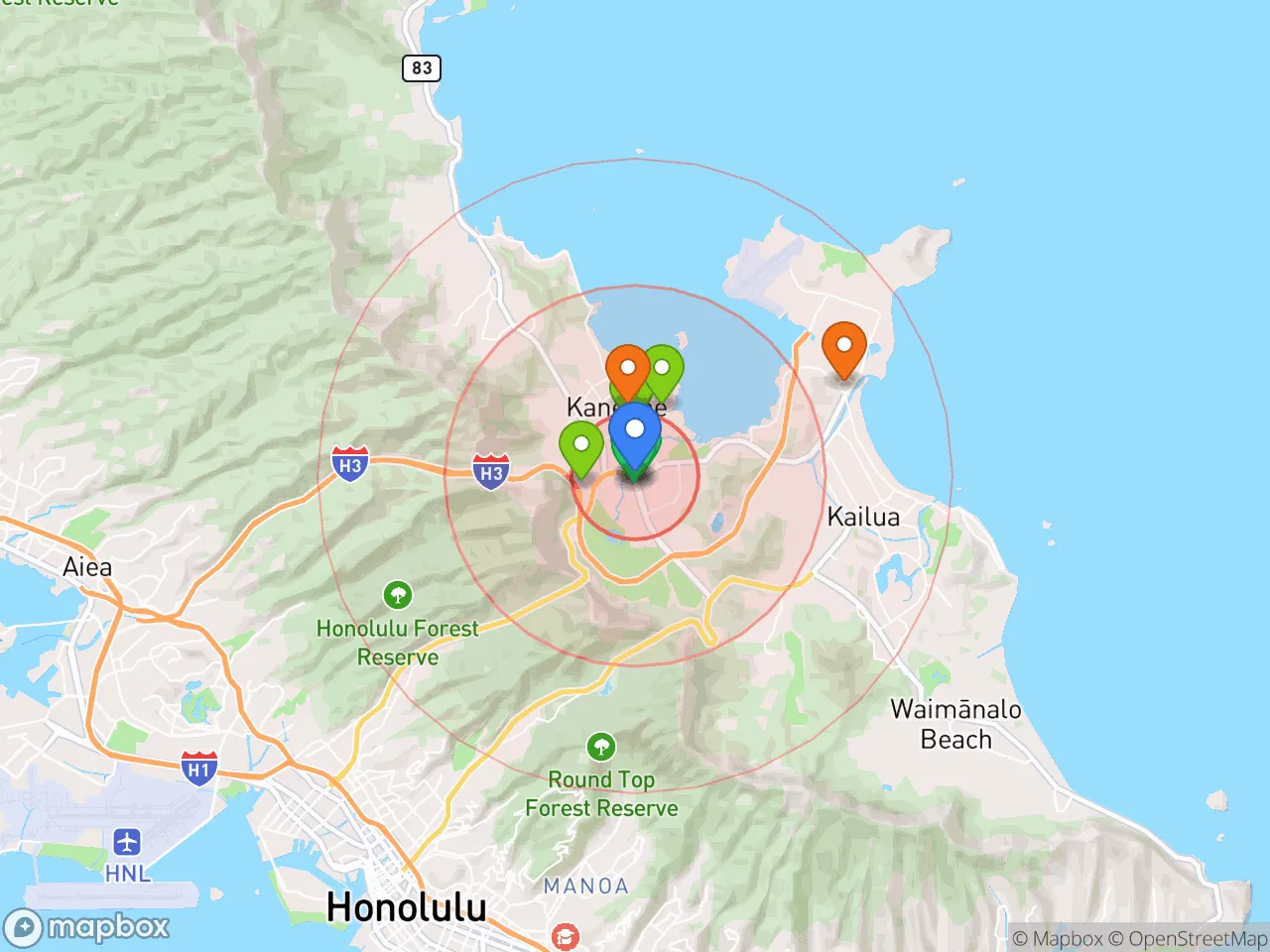
Explore the areaGroceries
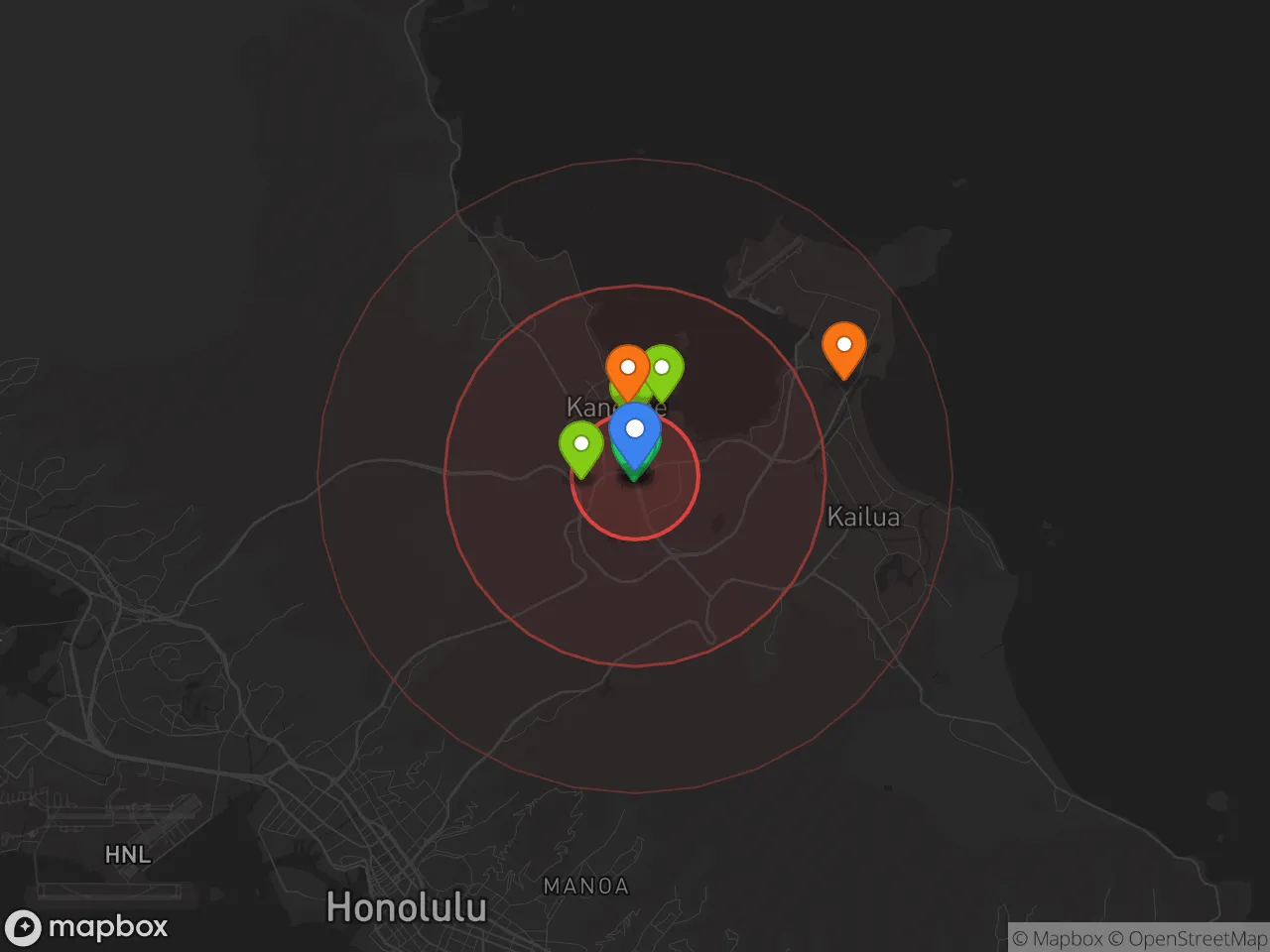
4 within 10 miles
Gas
20 within 10 miles
Hospital
15 within 20 miles
Airport
Daniel K. Inouye International Airport
Post Office
USPS — Kaneohe, HI
Critical Amenities
Quality-of-Life Analysis
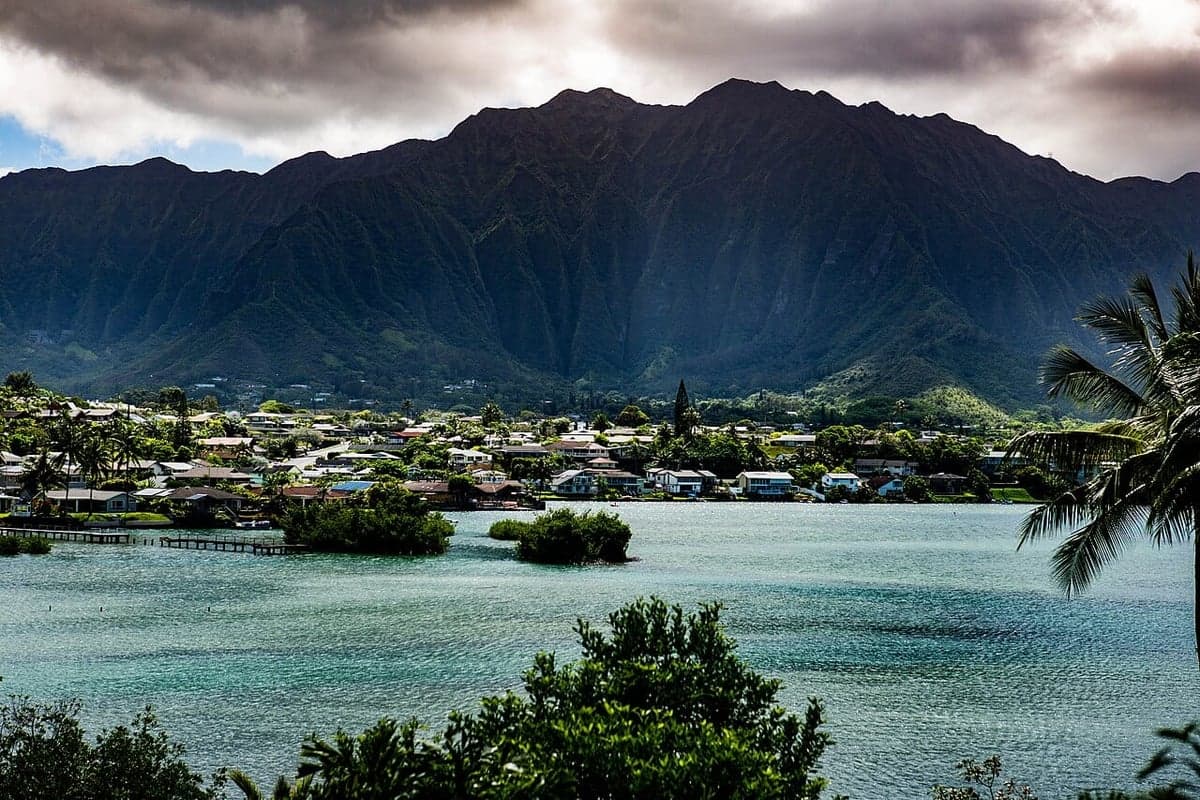
Kaneohe, located on the windward side of Oahu, is an affluent suburban community where the median home value of $990,100 and a cost of living index of 262 (more than 2.5 times the U.S. average) create a demographic profile dominated by established professionals, military families stationed at nearby Marine Corps Base Hawaii, and multi-generational local families. The area’s natural beauty—with the Koolau Mountains as a backdrop and Kaneohe Bay at its doorstep—attracts residents who prioritize outdoor living and community ties over urban nightlife, making it a quieter, family-oriented alternative to Honolulu’s more transient neighborhoods.
Cost of living, housing affordability, and how Kaneohe compares to Honolulu and Kailua
Kaneohe’s cost of living index of 262 is significantly higher than the national baseline but slightly below Honolulu’s index of 280 and comparable to neighboring Kailua’s 270. The median home value of $990,100 places single-family homes out of reach for most first-time buyers, though this figure is roughly 15% lower than Kailua’s median of $1.15 million. Median rent of $2,356 for a two-bedroom unit is about $200 less than in Honolulu proper, yet still demands a household income of roughly $94,000 to avoid being cost-burdened (spending more than 30% of income on housing). The average commute of 26.9 minutes is shorter than Honolulu’s 32-minute average, largely because many residents work locally at Windward Community College, Castle Medical Center, or the Marine base, though a significant share still commutes over the Pali Highway into downtown Honolulu.
Local amenities, school quality, and what daily life feels like in Kaneohe
Daily life in Kaneohe revolves around its strip-mall commercial corridors—particularly along Kamehameha Highway—which house grocery stores, local plate-lunch spots, and big-box retailers like Walmart and Home Depot. The area lacks a walkable downtown core, so most errands require a car. Public schools are a major draw: Kaneohe Elementary, Benjamin Parker Elementary, and Castle High School all hold ratings of 7 or higher out of 10 on GreatSchools, with Castle High offering a well-regarded International Baccalaureate program. Outdoor amenities define the lifestyle—Ho‘omaluhia Botanical Garden offers 400 acres of hiking and fishing, while Kaneohe Bay Park provides boat ramps and picnic areas. The nearby Koolau Golf Club and the windward-side beaches of Kailua and Lanikai are within a 10-minute drive. The community’s rhythm is slower than Honolulu’s, with many businesses closing by 8 p.m. and weekend mornings filled with canoe paddling, farmers markets, and youth sports at Kaneohe District Park.
Kaneohe is best suited for families and professionals who can afford the high housing costs and value proximity to nature, strong public schools, and a tight-knit suburban atmosphere over urban convenience. Military families stationed at Marine Corps Base Hawaii find the commute and community support particularly appealing, while remote workers with mainland salaries may find the cost of living manageable. Singles or young renters on a typical Oahu service-industry wage will likely struggle with the $2,356 median rent and limited nightlife, making nearby Honolulu or more affordable areas like Waipahu better fits for that demographic.

Crime in Kaneohe, HI
Generally safer than 64% of comparable U.S. locations.
Violent CrimeViolent Crime Analysis
Property CrimeProperty Crime Analysis
Crime Analysis
Kaneohe presents a mixed safety profile for prospective residents, with property crime rates that significantly exceed both state and national averages, while violent crime remains notably lower than the U.S. median. Located on the windward side of Oahu, this suburban community of roughly 35,000 residents experiences crime patterns shaped by its proximity to Honolulu and the broader challenges of Hawaii’s urban core. The data suggests that while the risk of violent victimization is relatively contained, property crime—particularly theft and vehicle break-ins—demands proactive precautions.
Crime in context
Kaneohe’s violent crime rate of 200.2 incidents per 100,000 residents sits well below the national average of approximately 380 per 100,000, offering a meaningful safety advantage in terms of assault, robbery, and homicide risk. However, the property crime rate of 1,586.9 per 100,000 is substantially higher than the U.S. average of roughly 1,950 per 100,000—but still elevated compared to many mainland suburban communities. Hawaii’s statewide property crime rate hovers around 2,800 per 100,000, placing Kaneohe below the state average but above many comparable Oahu neighborhoods. Readers should note that Hawaii’s justice system, influenced by progressive policies in Honolulu County, has faced criticism for lenient sentencing and early release programs, which critics argue contribute to recidivism and embolden property offenders. The presence of a large metro area (Honolulu) within 20 minutes means Kaneohe absorbs some spillover crime from the urban core, particularly vehicle thefts and package thefts targeting suburban homes.
What residents experience
Daily life in Kaneohe involves a heightened awareness of property security. Residents commonly report thefts from unlocked vehicles, stolen bicycles, and occasional home burglaries, especially in neighborhoods near the Pali Highway or with easy access to bus routes. Violent crime is rare but not absent; incidents tend to be concentrated in specific areas, such as the Kaneohe Bay Drive corridor and some sections of the Haiku Road area. The Honolulu Police Department’s Windward District station serves the community, with response times generally faster than rural parts of the island but slower than Honolulu’s urban core. Local neighborhood watch programs are active in subdivisions like Aikahi and Maunawili, where residents coordinate via social media to track suspicious activity. For families, the primary concern is property crime rather than personal safety, though the presence of a large metro justice system with progressive leanings means that repeat offenders may cycle through quickly, frustrating victims who seek accountability.
Neighborhood-level variation is notable. The more affluent, gated communities along Kaneohe Bay (e.g., Kaneohe Bay Drive, Lilipuna Road) report lower property crime rates due to private security and limited access, while denser areas near the Windward Mall and Kaneohe town center see higher theft and vandalism. The Maunawili Valley and Aikahi Park neighborhoods are generally considered safer, with stronger community cohesion and lower foot traffic from outsiders. Prospective residents should prioritize homes with off-street parking, security cameras, and good lighting, and consider that the trade-off for Kaneohe’s lush scenery and suburban feel is a property crime rate that demands vigilance—a reality shaped in part by the broader criminal justice environment of Honolulu County.
* Values derived from national, state, county, city and local statistics and may differ in a specific area. Last updated: 2026-04-24T00:05:56.000Z
Narrative content on this page is AI-generated and may contain mistakes. Verify any details that matter before acting on them.
ReloMaps may earn a commission from affiliate links at no extra cost to you.

