Political ClimatePolitical Climate in Kaneohe, HI
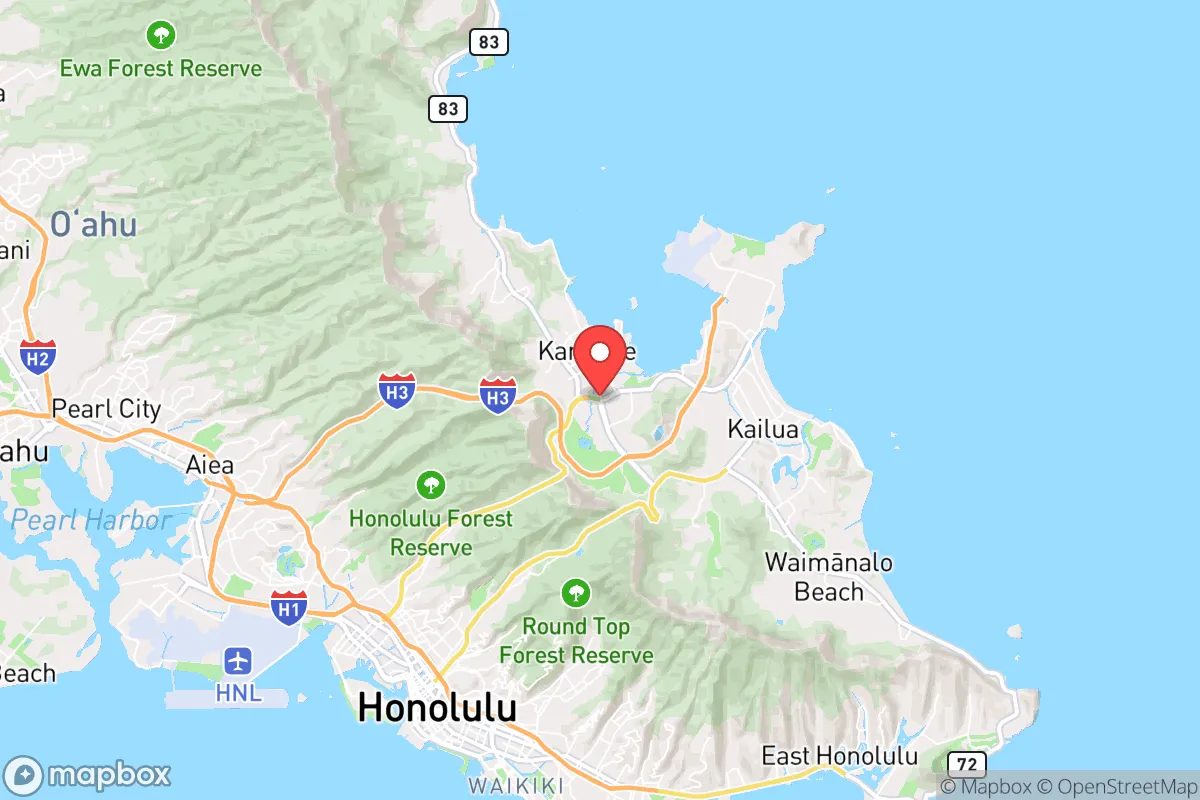
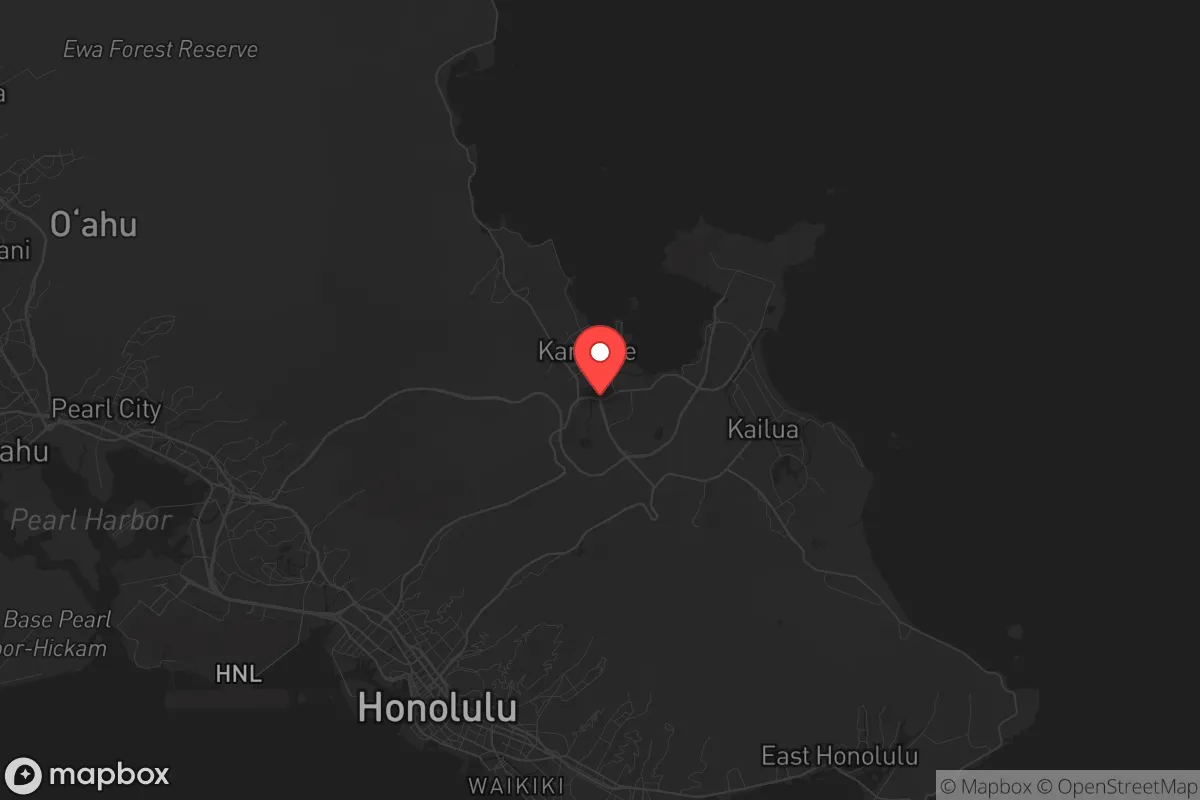
District shown is the primary district for this city’s centroid. Cities may span multiple districts.
Local Political AnalysisPolitical Analysis of Kaneohe, HI
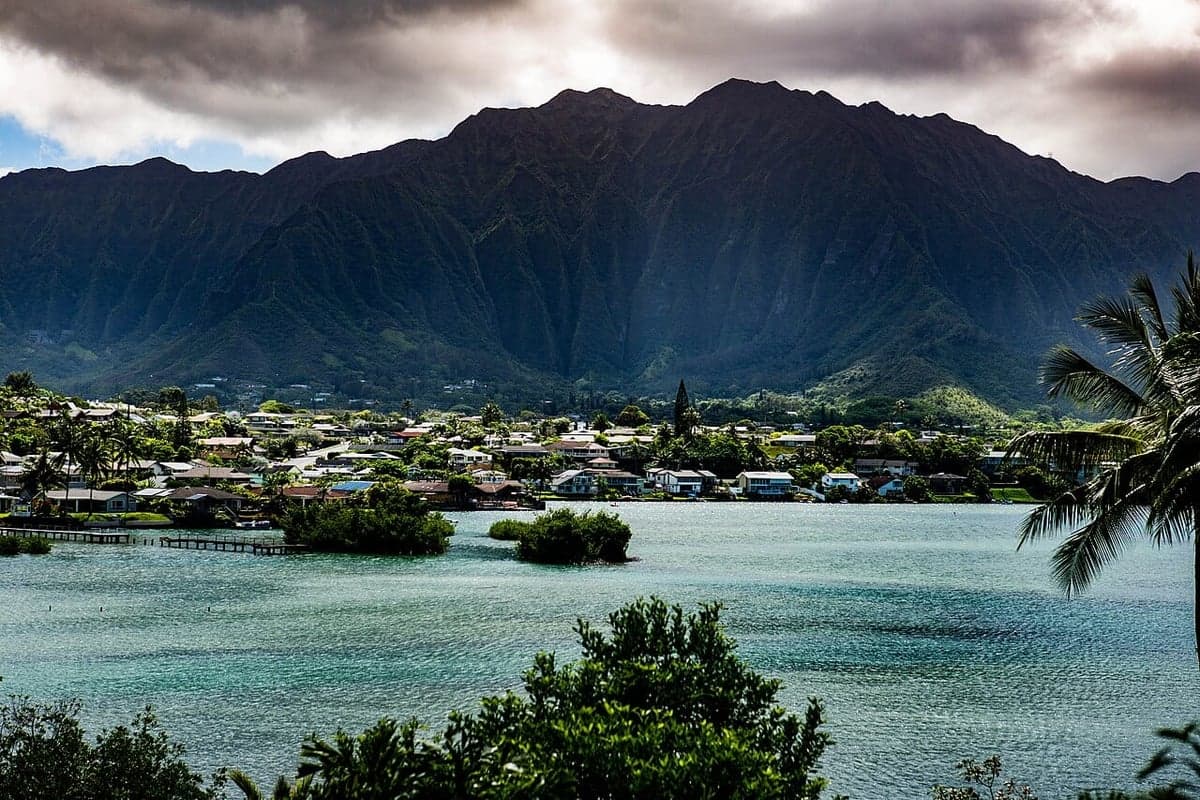
Kaneohe leans heavily Democratic, with a Cook PVI of D+12, meaning it votes about 12 points more Democratic than the national average. That’s a pretty solid blue anchor for the windward side of Oahu, and it’s been trending that way for a while now. If you’re looking at the political landscape here, you’re seeing a place that’s become reliably progressive, especially compared to the more mixed or conservative pockets you’ll find on the mainland or even in parts of the North Shore.
How it compares
To get a sense of Kaneohe’s political character, look at its neighbors. Head west toward Mililani or Wahiawa, and you’ll find more moderate or even conservative-leaning areas, where military families and agricultural roots keep things a bit more balanced. But Kaneohe itself? It’s a different story. The shift here has been steady: what was once a quiet, family-oriented town with a mix of local values and a live-and-let-live attitude has become a stronghold for progressive policies. Compare it to Kailua, just south, which is also blue but with a more affluent, activist edge—Kaneohe feels a bit more working-class in its politics, but the voting patterns are nearly identical. The D+12 rating puts it in the same league as places like Honolulu’s urban core, not the more conservative rural areas you’d find on the Big Island or Kauai.
What this means for residents
For someone who’s been here a while, the biggest concern is how this political tilt affects daily life. You’re seeing more government overreach into personal freedoms—things like strict zoning laws that make it harder to build or renovate your own home, and a push for higher taxes on everything from property to fuel. The local government has been aggressive about environmental regulations, which sounds good on paper, but it often means red tape for small businesses and homeowners who just want to fix a fence or start a side hustle. The progressive majority in the city council and state legislature has also backed policies like mandatory paid leave and rent control, which sound nice but can squeeze landlords and small employers. If you value personal choice and minimal interference, the trend here is concerning—it feels like every year there’s a new rule telling you how to live your life.
Cultural and policy distinctions
One thing that sets Kaneohe apart is its strong sense of local culture, which can clash with the progressive agenda. The town has deep Hawaiian roots and a tight-knit community that values tradition and self-reliance. But lately, you’ve got outside groups pushing for things like “equity” initiatives in schools and land-use restrictions that prioritize environmental activism over local needs. The push for more public transit and bike lanes sounds progressive, but it often ignores the reality that most people here rely on cars for work and family. There’s also a growing tension around housing: new developments are being approved with affordable housing mandates, but they’re often built by out-of-state developers, driving up prices for everyone. If you’re thinking about moving here, just know that the political climate is shifting fast, and it’s not the laid-back, freedom-loving place it used to be. The next few years could bring even more regulations and higher costs, so keep an eye on local elections if you want a say in how things go.

State Political ClimatePolitical Climate in Hawaii
State Political AnalysisPolitical Environment in the State
Hawaii has been a one-party Democratic state for decades, with Democrats holding supermajorities in both legislative chambers and every statewide office since 1962. The state’s overall partisan lean is roughly D+20 in presidential elections, but that masks a growing internal divide: the urban core of Honolulu and the windward side of Oahu drive the progressive coalition, while the outer islands—especially Hawaii Island (the Big Island) and Maui—show increasing conservative and libertarian pushback. Over the last 10-20 years, the state has shifted left on social issues but has seen a notable rise in anti-establishment sentiment, particularly around housing, taxes, and government overreach.
Urban vs. rural divide
The political map of Hawaii is stark. Honolulu’s urban core—including Waikiki, downtown, and the neighborhoods of Manoa and Kaimuki—votes overwhelmingly Democratic, often 70-80% for statewide candidates. The windward side of Oahu, from Kailua to Kaneohe, is similarly progressive, driven by a mix of military families and transplants from the mainland. In contrast, the rural areas of the Big Island—places like Puna, Hilo, and the Kona coast—are far more mixed. Puna, in particular, has become a hotbed of libertarian-leaning sentiment, with many residents fleeing Oahu’s high costs and regulations. Maui’s upcountry (Kula, Makawao) and the North Shore of Kauai also lean conservative, while the tourist-heavy areas of Wailea and Kapalua remain reliably Democratic. The key takeaway: the political power is concentrated in Honolulu, but the outer islands are where the pushback against progressive policies is most visible.
Policy environment
Hawaii’s policy environment is among the most interventionist in the nation. The state has the highest combined state and local tax burden in the country, driven by a general excise tax (GET) of 4% that applies to nearly all goods and services, plus a progressive income tax that tops out at 11%. Property taxes are relatively low, but the state’s land use commission and county zoning boards make it nearly impossible to build new housing, driving costs through the roof. Education policy is heavily centralized: the state has a single school district, the Hawaii Department of Education, which means local control is virtually nonexistent. Hawaii’s healthcare system is dominated by the state’s Prepaid Health Care Act, which mandates employer-provided insurance, and the state has some of the strictest vaccine mandates in the country. Election laws are relatively open—same-day registration and no-excuse absentee voting are standard—but the state’s single-party dominance means primary elections are often the only real contest.
Trajectory & freedom
Hawaii is becoming less free by almost any measure. The state has some of the strictest gun laws in the nation, including a ban on standard-capacity magazines and a requirement that all firearm purchases go through a licensed dealer (no private sales). In 2022, the legislature passed Act 207, which further restricted concealed carry after the Bruen decision, requiring a "good cause" justification that effectively makes permits nearly impossible to obtain outside of law enforcement. On parental rights, the state has moved aggressively: in 2023, the legislature passed Act 2, which prohibits schools from notifying parents if a student changes their gender identity or pronouns, overriding parental authority. Medical autonomy has also taken a hit: Hawaii’s COVID-19 mandates were among the longest-lasting in the country, and the state still requires healthcare workers to be vaccinated against COVID-19. Property rights are severely constrained by the state’s land use laws, which give county planning commissions near-total control over development. The only bright spot for freedom advocates has been the recent pushback against the state’s housing crisis, with some counties (notably Hawaii County) loosening zoning restrictions for accessory dwelling units.
Civil unrest & political movements
Hawaii has a long history of protest, from the anti-eviction movements of the 1970s to the more recent Mauna Kea telescope protests in 2019, which drew thousands of Native Hawaiian activists and their allies. The state is also a sanctuary jurisdiction, with Act 1 (2019) prohibiting state and local law enforcement from cooperating with federal immigration authorities except in limited circumstances. On the right, the Hawaii Republican Party is small but active, with a strong libertarian wing centered on the Big Island. The "Free Hawaii" movement, which advocates for Hawaiian sovereignty and independence, has gained traction in recent years, particularly among younger Native Hawaiians. Election integrity has been a flashpoint: in 2020, Hawaii was one of the first states to implement universal mail-in voting, and while there have been no major scandals, the lack of voter ID laws has drawn criticism from conservatives. Visible flashpoints for a new resident include the frequent protests at the state capitol over housing, homelessness, and Native Hawaiian rights, as well as the occasional clashes between pro- and anti-vaccine mandate activists at public meetings.
Projection
Over the next 5-10 years, Hawaii is likely to become more progressive on social issues but may see a growing backlash on economic and housing policy. The state’s demographic trends are working against conservatives: the population is aging, and the influx of remote workers from the mainland (many from California) tends to lean left. However, the housing crisis is creating a new political dynamic. Younger residents and even some longtime Democrats are increasingly frustrated with the state’s regulatory stranglehold on development, and there is a growing movement for "YIMBY" (Yes In My Backyard) policies that could cross traditional party lines. The Republican Party is unlikely to win statewide office anytime soon, but local races on the outer islands—especially for county council seats—are becoming more competitive. A new resident moving in now should expect to live in a state where the government is deeply involved in daily life, from healthcare to housing to education, but where the conversation is slowly shifting toward individual freedom and economic opportunity.
Bottom line for a new resident: If you value low taxes, personal autonomy, and minimal government interference, Hawaii will be a tough fit. The state’s progressive policies on guns, education, and healthcare are deeply entrenched, and the cost of living is punishing. However, if you’re willing to navigate the bureaucracy and can afford the price tag, the outer islands—particularly the Big Island and parts of Maui—offer a more libertarian-leaning lifestyle with a strong sense of community. Just don’t expect the political climate to change anytime soon; Hawaii is a blue state through and through, and the best you can hope for is a slow, grudging shift toward more sensible housing and tax policies.
* Values derived from national, state, county, city and local statistics and may differ in a specific area. Last updated: 2026-04-24T00:05:56.000Z
Narrative content on this page is AI-generated and may contain mistakes. Verify any details that matter before acting on them.
ReloMaps may earn a commission from affiliate links at no extra cost to you.

