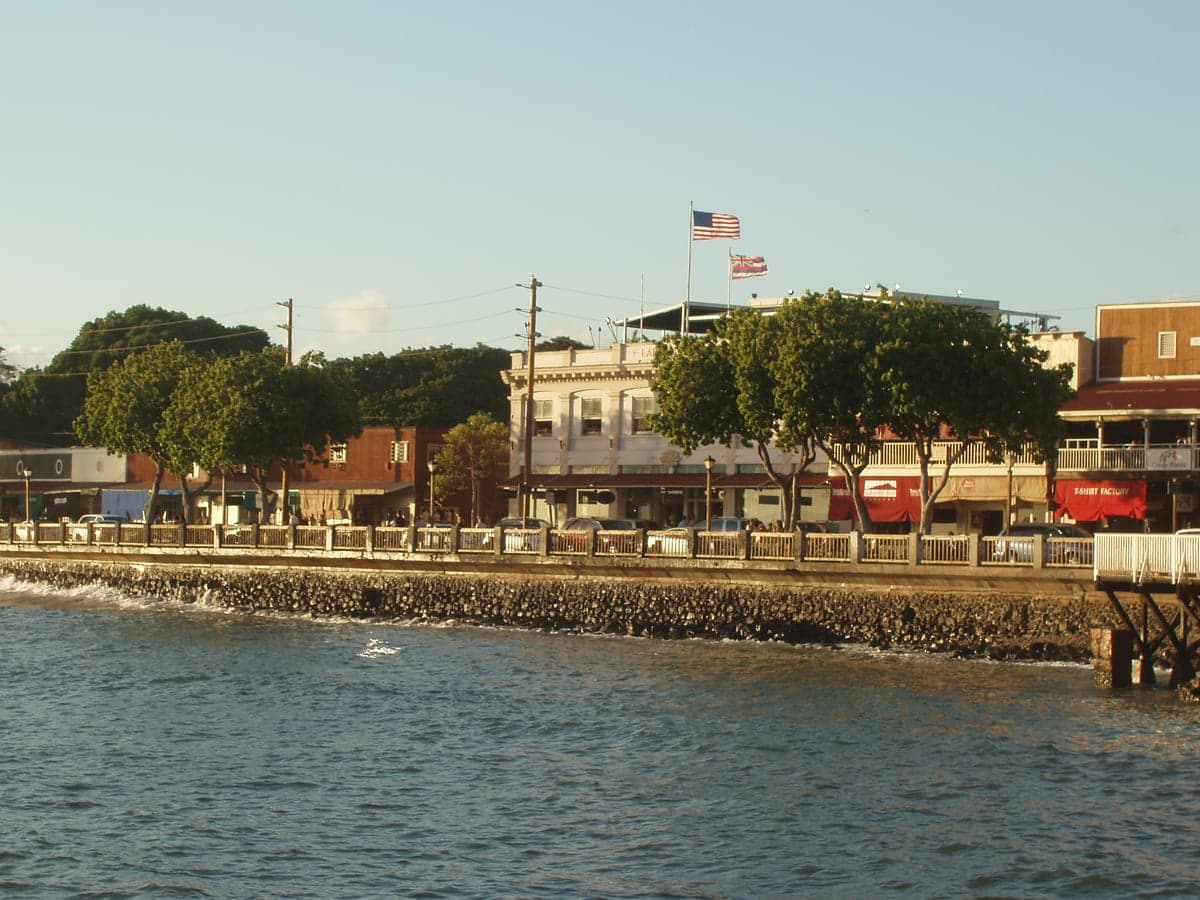

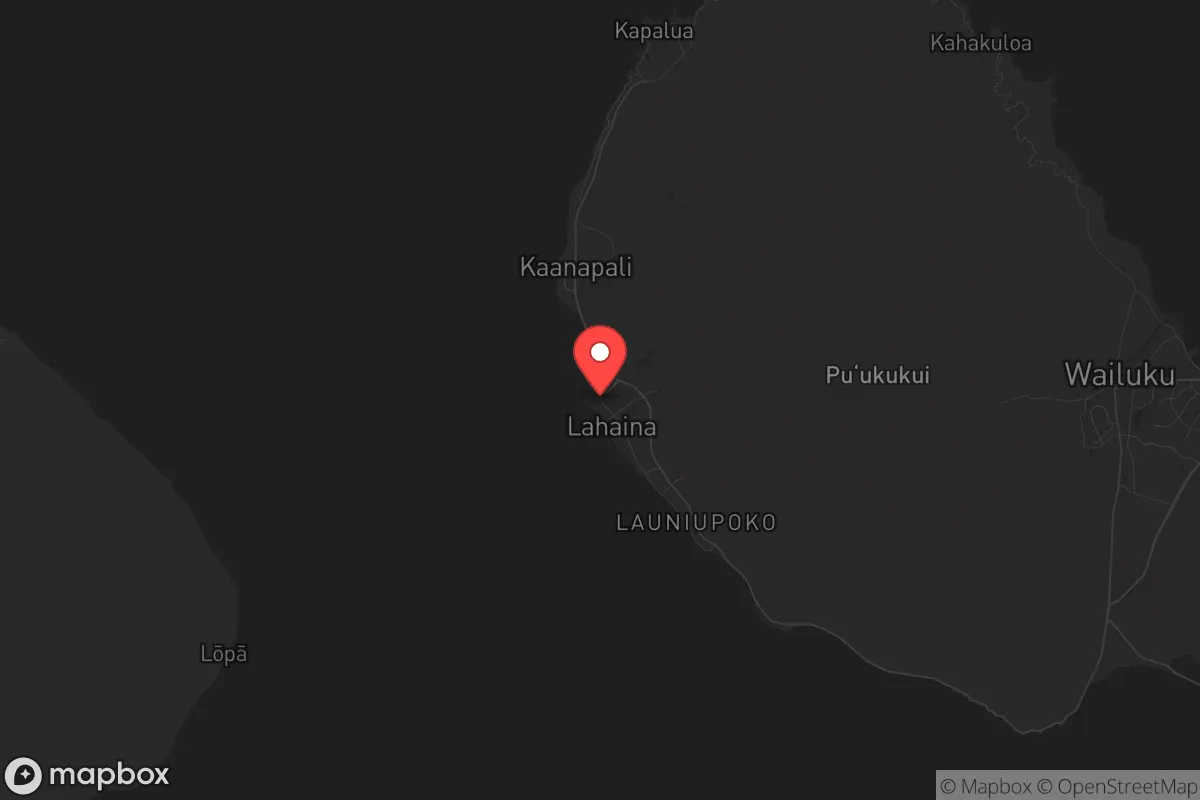
Photo: Wikipedia
Quality of Life in Lahaina, HI
A high quality of life with strong walkability, manageable living costs, healthy neighborhood signals, and solid amenity access.
What does Quality of Life tell us?
Quality of Life blends cost of living, nearby amenities, socioeconomic signals, and neighborhood character. City-level scores represent the whole municipality; individual neighborhoods can differ.
What does this tell us?
Quality of Life blends cost of living, nearby amenities, socioeconomic signals, and neighborhood character. City-level scores represent the whole municipality; individual neighborhoods can differ.
Cost of Living
122% above national average
The Real Cost of Living in Lahaina, HI for 2026
| Tier | Individual | Family (4) |
|---|---|---|
| Survival | $32k | $60k |
| Comfortable | $103k | $151k |
| Luxury | $151k+ | $234k+ |
| Elite (Top 5%) | $177k+ | $275k+ |
57%
The Area Signal
A metric tracking the socioeconomic signals of the area.
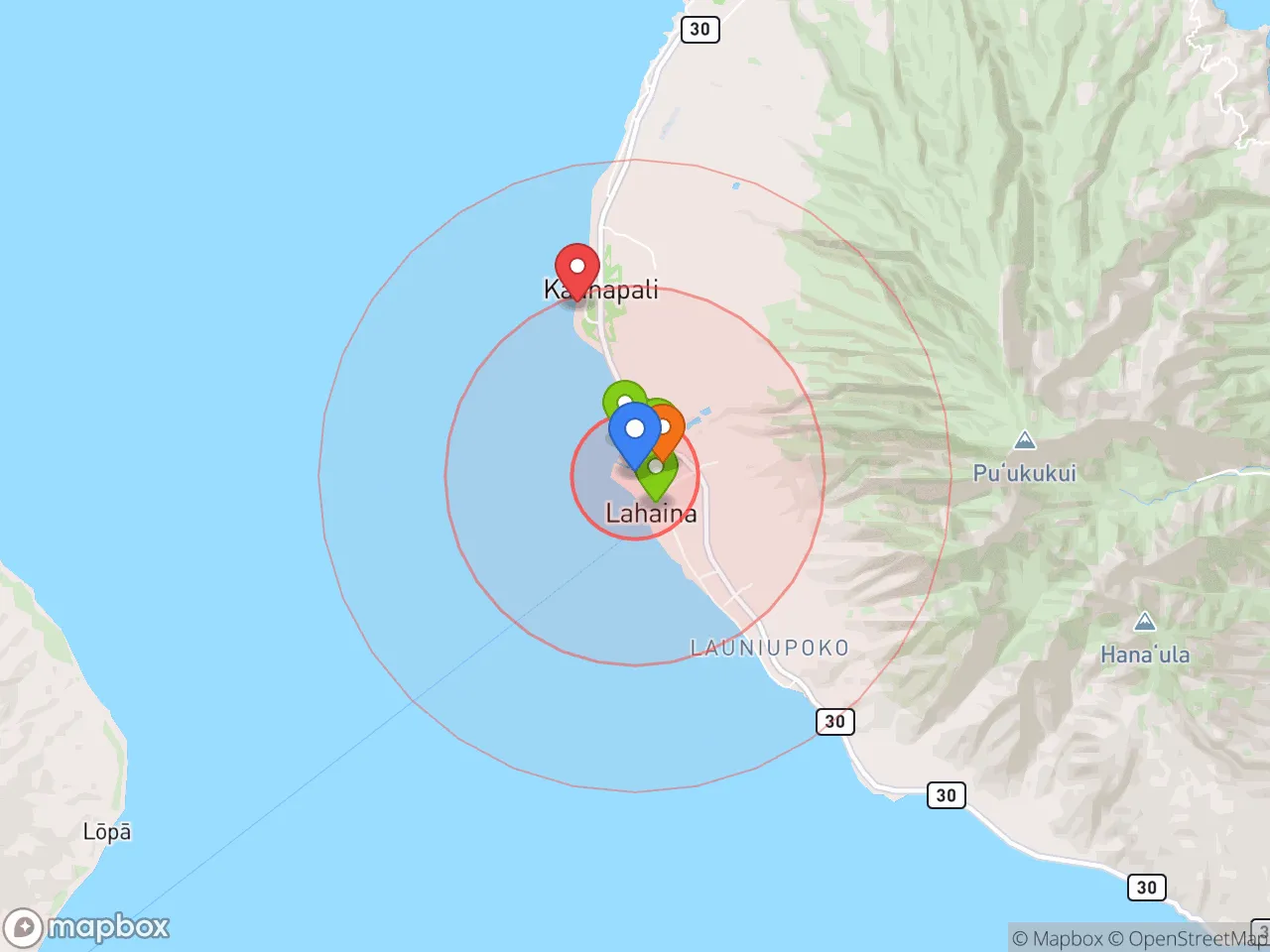
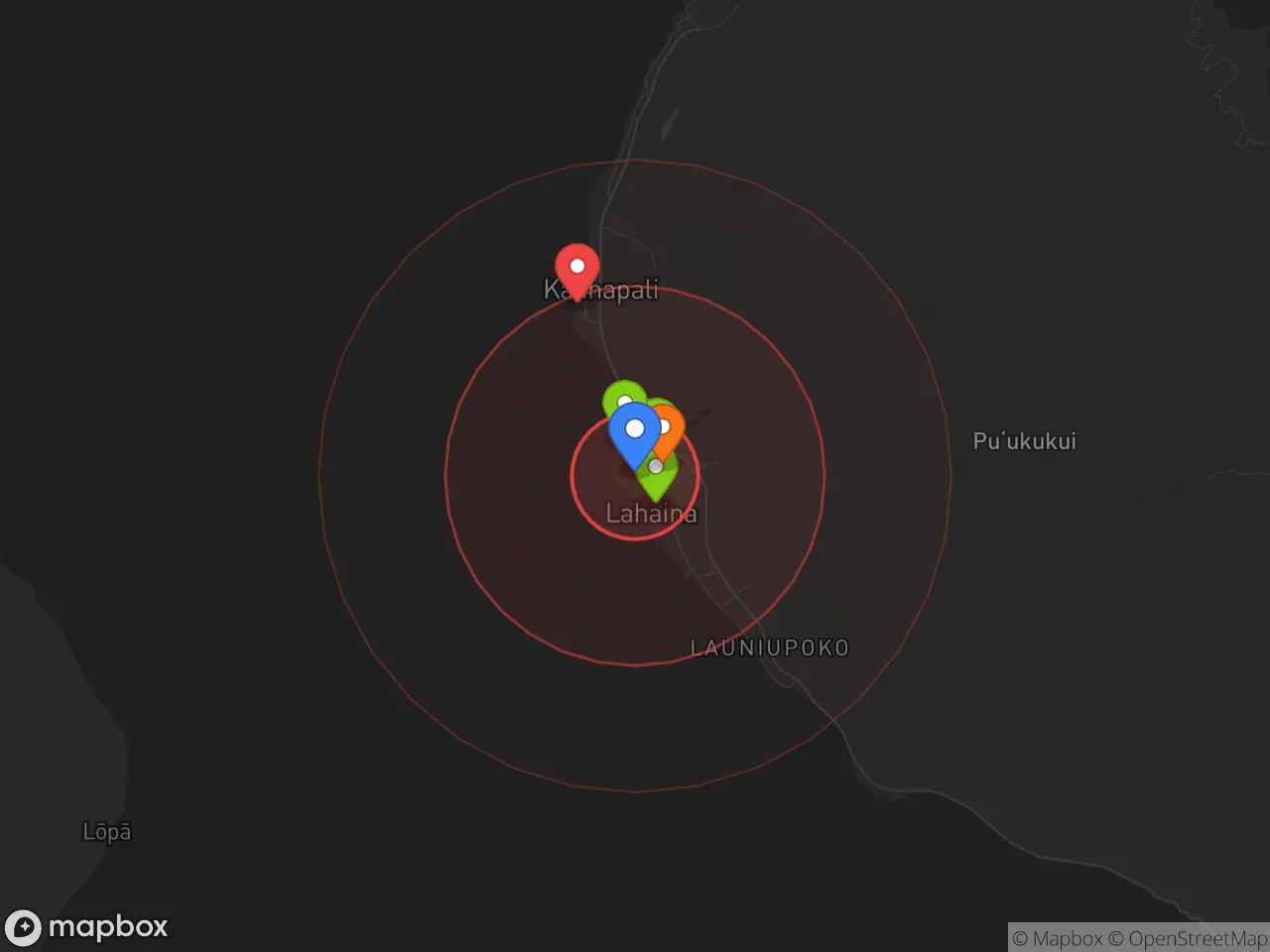
Hobbies
Explore the areaGroceries
1 within 10 miles
Gas
6 within 10 miles
Hospital
2 within 20 miles
Airport
Daniel K. Inouye International Airport
Post Office
USPS — Lahaina, HI
Critical Amenities
Quality-of-Life Analysis
Lahaina, on the west coast of Maui, presents a quality of life defined by its stunning natural setting and deep cultural roots, but it is also one of the most expensive places to live in the United States. The population is a mix of long-time local families, second-home owners, and professionals drawn to the tourism and hospitality industries, creating a community that values both tradition and a relaxed, outdoor-oriented lifestyle. The 2023 wildfires profoundly reshaped the town, and the ongoing recovery effort is now a central factor in daily life, affecting housing availability, employment, and the overall sense of community.
Cost of living, housing, and affordability compared to other Maui towns
Lahaina’s cost of living is extraordinarily high, with a composite index of 222—more than double the U.S. average of 100. The primary driver is housing: the median home value sits at $841,400, and while this is lower than in resort areas like Wailea (where medians often exceed $1.5 million), it remains far above the national median. The median rent of $1,988 is a significant financial burden, though it is slightly less than in Kihei or Kahului, where rents for similar units can run $2,200–$2,500. Groceries and utilities are also markedly higher than on the mainland, as nearly all goods are shipped in. For a household earning the Maui County median income of roughly $85,000, a mortgage or rent consumes a majority of take-home pay, making Lahaina one of the least affordable towns in Hawaii for middle-class families.
What daily life is like for families: amenities, schools, and commute
Daily life in Lahaina is shaped by its compact, walkable core and the centrality of the ocean. The town offers a handful of public schools, including King Kamehameha III Elementary and Lahaina Intermediate, though many families commute to Lahainaluna High School, a historic public school on the hillside. The average commute time is a short 19.5 minutes, a rarity in Hawaii, as most residents live and work within the same corridor. Amenities are concentrated along Front Street and the surrounding area, with grocery stores like Foodland and Times Market, plus a mix of local restaurants and shops. The post-wildfire recovery has strained some services, with temporary housing shortages and ongoing rebuilding, but the community’s resilience is evident in the reopening of parks, beaches, and cultural sites like the Banyan Tree Park. The rhythm of life is slow and outdoor-focused—surfing, snorkeling, and hiking are woven into the week, not reserved for weekends.
Lahaina is best suited for individuals and families who prioritize natural beauty, cultural immersion, and a tight-knit community over career advancement or material accumulation. Those who thrive here are typically employed in tourism, remote work, or essential services, and they accept the high cost of living as the price of living in a place of extraordinary character. The ongoing recovery from the 2023 fires means that newcomers should be prepared for a community still in transition, where patience and a willingness to contribute to local rebuilding efforts are essential. For people who value a slower pace, deep community ties, and daily access to the ocean, Lahaina offers a quality of life that is difficult to replicate elsewhere—but it demands financial resilience and a commitment to the town’s long-term future.

Crime in Lahaina, HI
Generally safer than 64% of comparable U.S. locations.
Violent CrimeViolent Crime Analysis
Property CrimeProperty Crime Analysis
Crime Analysis
Lahaina’s overall safety picture is mixed, with property crime rates significantly exceeding both state and national averages while violent crime remains below the U.S. norm. The 2023 data shows a violent crime rate of 200.2 per 100,000 residents, which is lower than the national average of roughly 380 per 100,000 but higher than the Hawaii state average of approximately 250 per 100,000. Property crime, however, is a more pressing concern at 1,586.9 per 100,000—nearly double the national rate of about 800 per 100,000 and well above the Hawaii state figure of roughly 1,100 per 100,000.
Crime in context
Lahaina’s crime profile reflects its status as a tourist hub and its location within Maui County, which has a justice system influenced by progressive policies. Hawaii’s judiciary and district attorneys in Maui County have historically emphasized rehabilitation and diversion programs over incarceration, a philosophy that critics argue reduces deterrence and contributes to higher property crime rates. The state’s low violent crime rate (200.2 per 100K) is a positive, but the property crime rate (1,586.9 per 100K) signals a persistent issue with theft, burglary, and vehicle break-ins—crimes that disproportionately affect both residents and visitors. For context, the national property crime rate has been declining since 2020, but Lahaina’s rate has remained stubbornly elevated, partly due to the transient population and economic disparities exacerbated by the 2023 wildfires.
What residents experience
Residents report that property crime is the most tangible safety concern, with car break-ins and package thefts being common complaints in neighborhoods near Front Street and tourist-heavy areas. Violent crime is rare but not absent; incidents are typically concentrated in specific contexts, such as domestic disputes or alcohol-fueled altercations. The progressive approach of Maui County’s justice system—including pretrial release programs and reduced sentencing for non-violent offenders—has been cited by local community groups as a factor in repeat property offenses. A 2024 Maui Police Department report noted that over 40% of property crime arrests involved individuals previously released under diversion programs, underscoring the tension between rehabilitation and public safety.
Neighborhood-level variation is notable. The historic Lahaina town core, with its dense mix of shops and rentals, sees the highest property crime rates, while residential areas like Kahoma Village and the newer developments near Lahaina Gateway report lower incidents. The post-wildfire displacement has also shifted crime patterns, with some temporary housing sites experiencing elevated thefts. Overall, Lahaina is not a high-violence area, but its property crime problem—amplified by a lenient justice system—demands vigilance from residents and visitors alike.
* Values derived from national, state, county, city and local statistics and may differ in a specific area. Last updated: 2026-04-24T00:41:53.000Z
Narrative content on this page is AI-generated and may contain mistakes. Verify any details that matter before acting on them.
ReloMaps may earn a commission from affiliate links at no extra cost to you.

