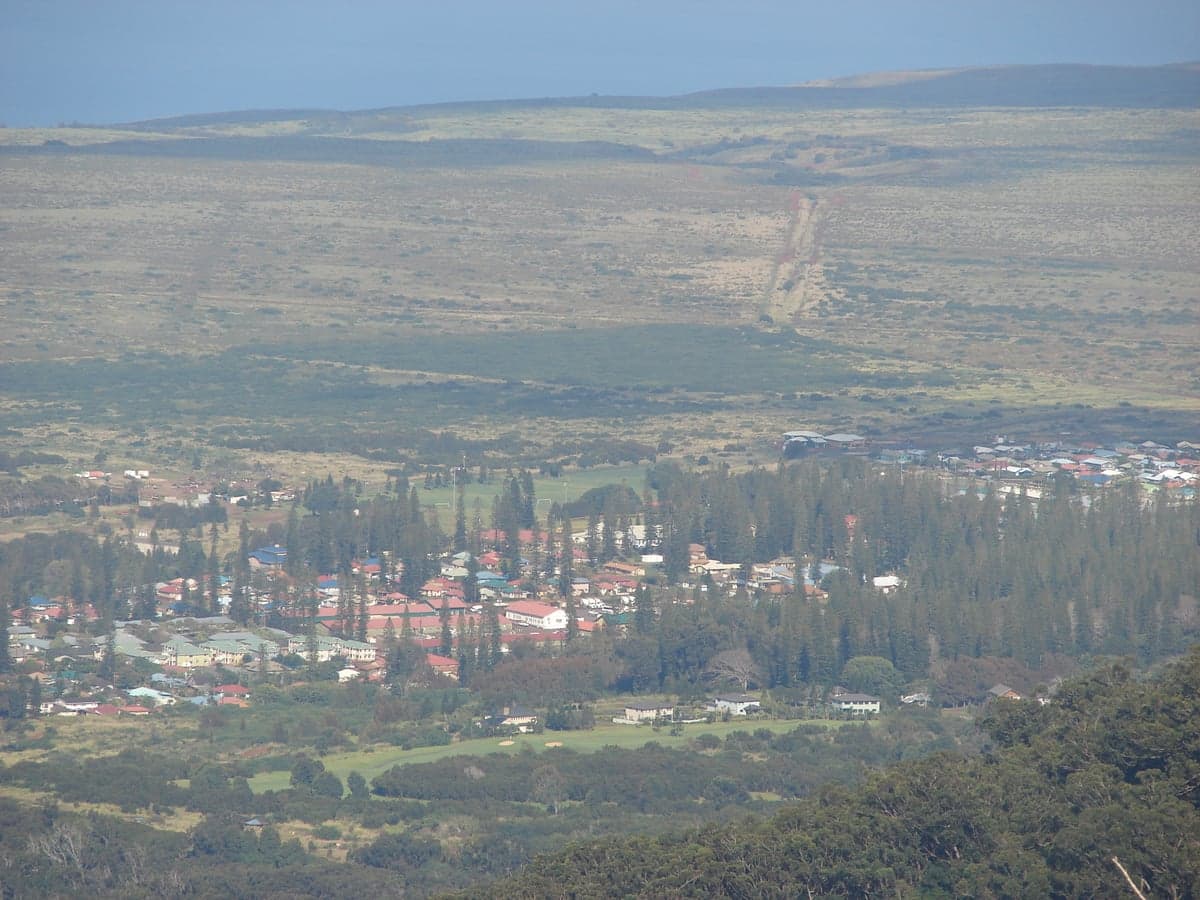

Photo: Wikipedia
Quality of Life in Lanai City, HI
A high quality of life with strong walkability, manageable living costs, healthy neighborhood signals, and solid amenity access.
What does Quality of Life tell us?
Quality of Life blends cost of living, nearby amenities, socioeconomic signals, and neighborhood character. City-level scores represent the whole municipality; individual neighborhoods can differ.
What does this tell us?
Quality of Life blends cost of living, nearby amenities, socioeconomic signals, and neighborhood character. City-level scores represent the whole municipality; individual neighborhoods can differ.
Cost of Living
34% above national average
The Real Cost of Living in Lanai City, HI for 2026
| Tier | Individual | Family (4) |
|---|---|---|
| Survival | $17k | $33k |
| Comfortable | $85k | $124k |
| Luxury | $124k+ | $192k+ |
| Elite (Top 5%) | $146k+ | $226k+ |
64%
The Area Signal
A metric tracking the socioeconomic signals of the area.
Hobbies
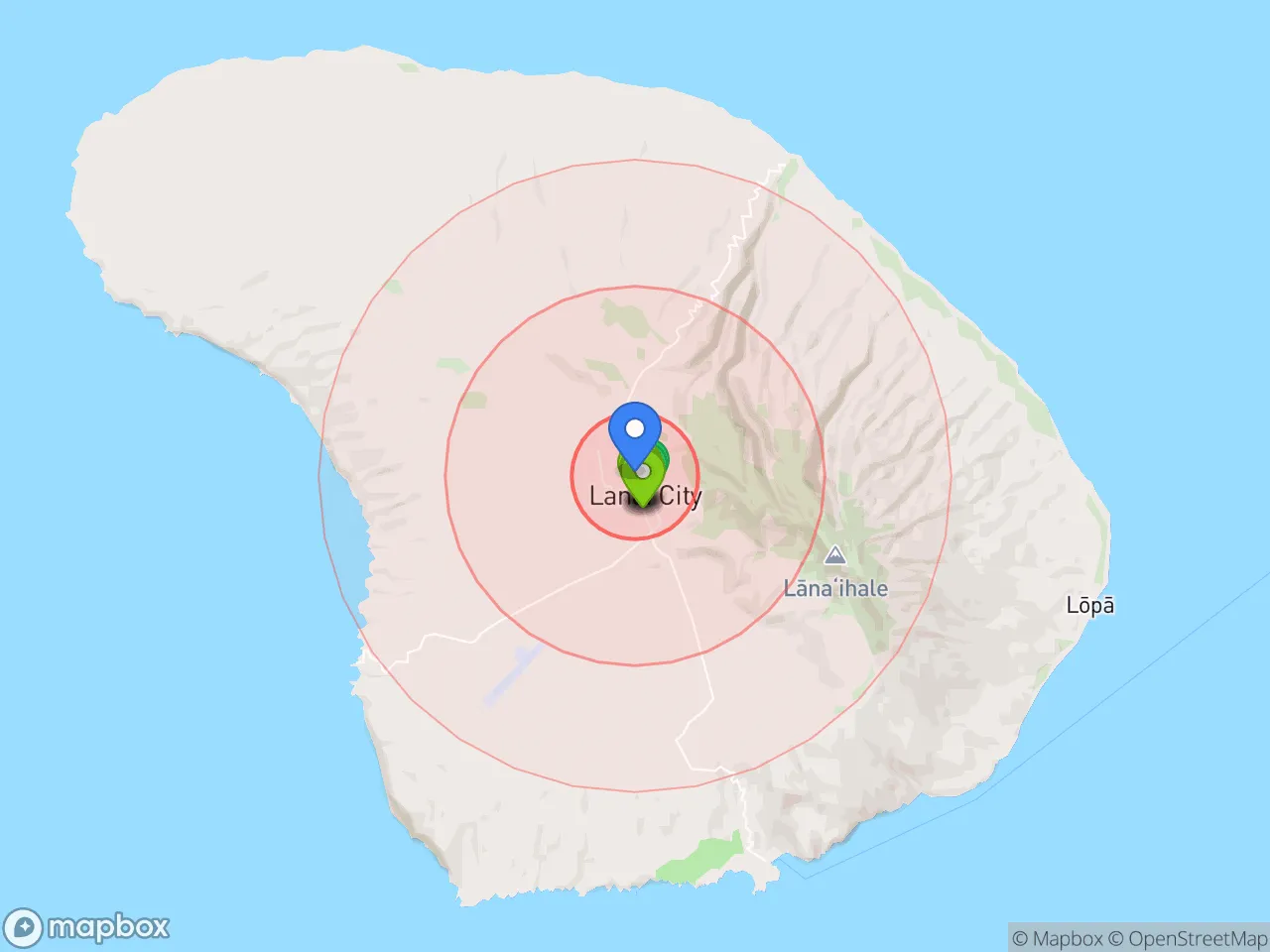
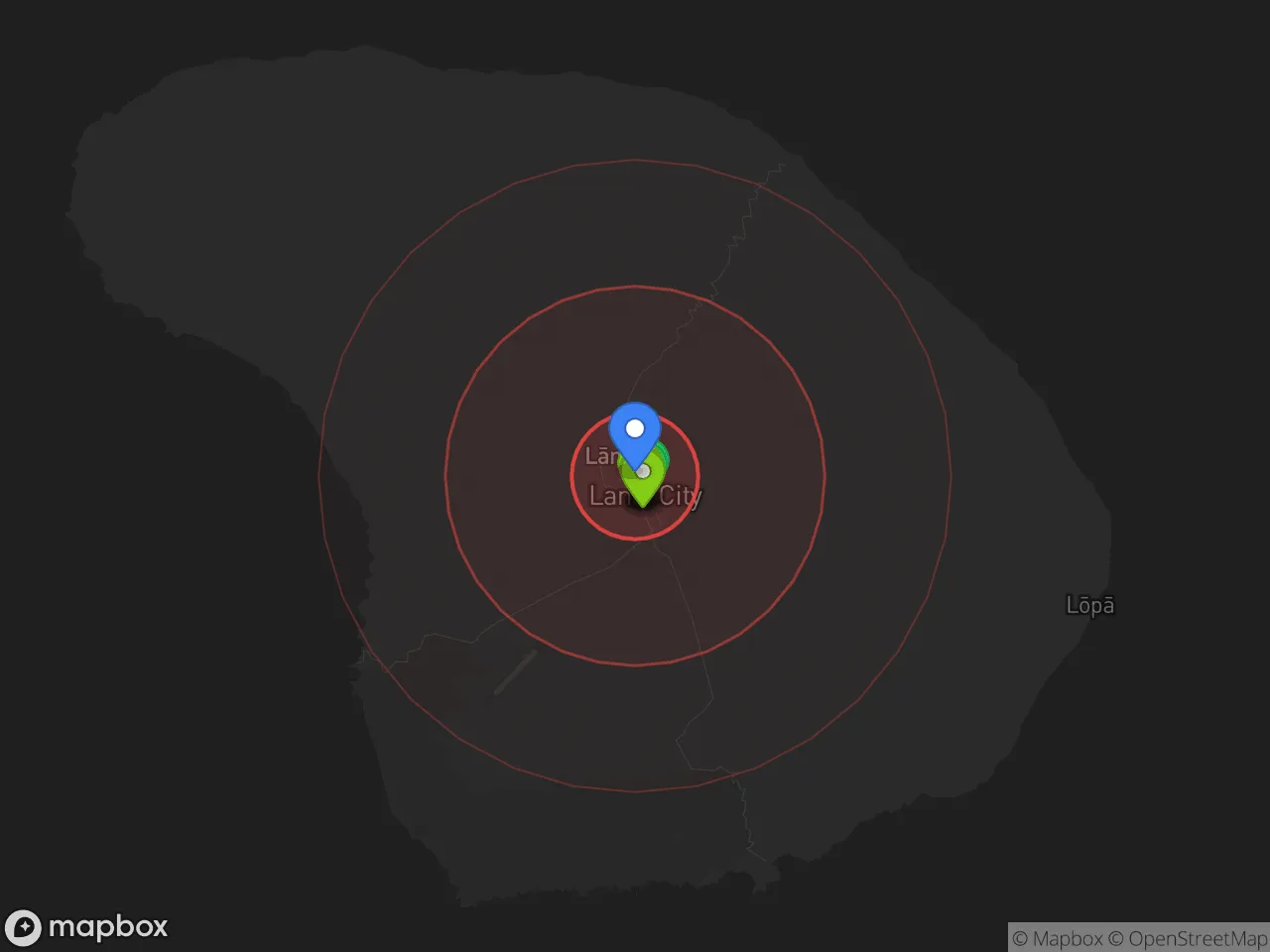
Explore the areaGroceries
0 within 10 miles
Gas
1 within 10 miles
Hospital
2 within 20 miles
Airport
Daniel K. Inouye International Airport
Post Office
USPS — Lanai City, HI
Critical Amenities
Quality-of-Life Analysis
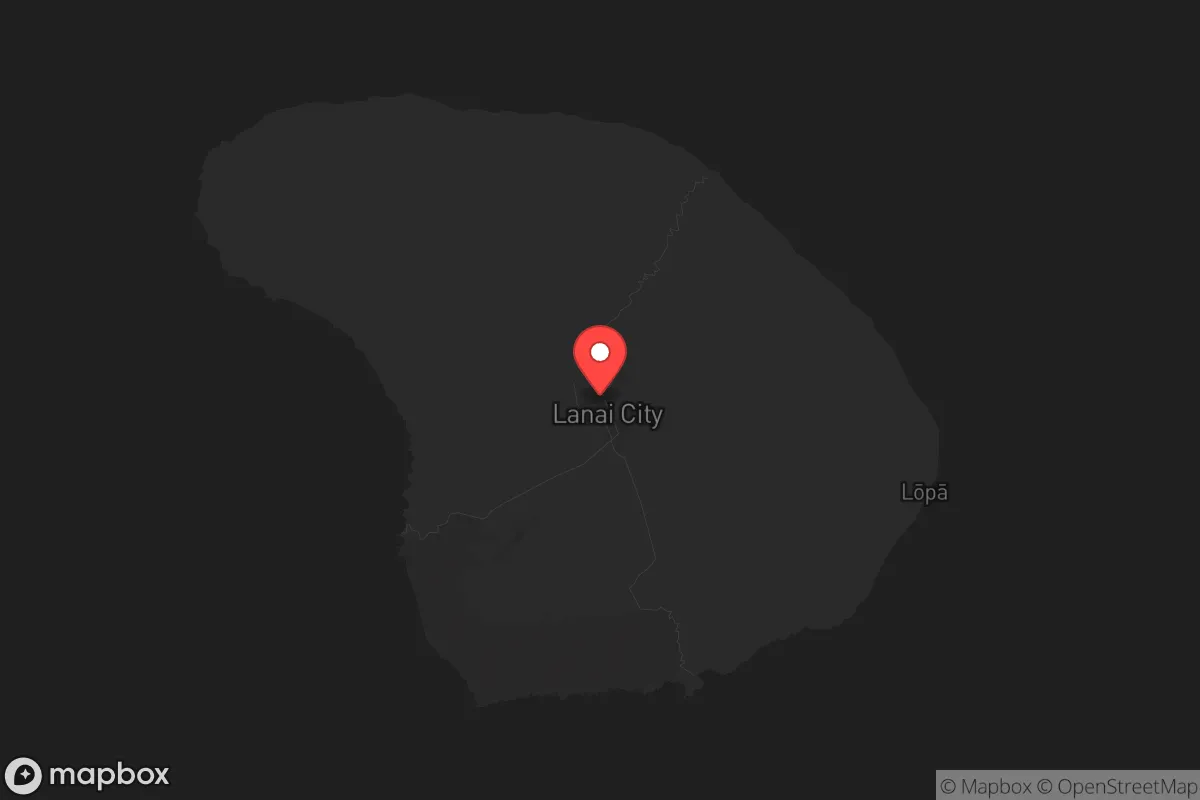
Lanai City, the sole population center on the island of Lanai, presents a unique quality-of-life profile defined by extreme isolation, high affluence, and a tight-knit, service-oriented community. With a cost of living index of 134 (34% above the U.S. average), the town is notably more expensive than most mainland locations but surprisingly more affordable than its Hawaiian counterparts like Honolulu or Wailea. The population skews toward retirees, luxury resort employees, and a small number of remote workers drawn to the island's quiet, car-light lifestyle, while the median home value of $547,400 reflects a market dominated by single-family homes and limited inventory.
Cost of living, housing affordability, and how Lanai City compares to nearby areas
Housing in Lanai City is a mixed bag compared to the rest of Hawaii. The median home value of $547,400 is roughly half that of Maui County's median (around $1 million), making it one of the more attainable entry points for island homeownership. However, the median rent of $1,092 is significantly below the state average of roughly $1,800, a figure driven by a high proportion of employer-subsidized housing for resort and hospitality workers. The overall cost of living index of 134 is heavily influenced by groceries and utilities, which are 40-60% above mainland averages due to shipping costs. Compared to nearby Lahaina (Maui), Lanai City offers roughly 30% lower housing costs but fewer rental options and a much smaller job market. The average commute of 22.8 minutes is deceptively low—most residents work on-island, but the commute can involve a ferry to Maui for those employed in Kahului or Wailuku.
Daily life, local amenities, and what it's like to live in Lanai City
Daily life in Lanai City revolves around a small, walkable downtown centered on Dole Park, with a handful of restaurants, a grocery store, and the Lanai Art Center. The island has no traffic lights, no chain big-box stores, and only one gas station, creating a pace of life that feels more like a rural village than a resort town. Public schools are limited to Lanai High & Elementary School, which serves grades K-12 and has an enrollment of roughly 300 students; for specialized education or extracurriculars, families often commute to Maui. Healthcare is similarly constrained—the Lanai Community Hospital provides basic emergency and primary care, but serious cases require airlift or ferry to Maui Memorial Medical Center. Amenities like dining, shopping, and entertainment are sparse, with most residents relying on the two resort hotels (Four Seasons Lanai and Sensei Lanai) for upscale dining and activities. The island's four-wheel-drive-only roads to Shipwreck Beach and Garden of the Gods are a defining feature of recreation, offering solitude and rugged natural beauty that appeal to outdoor enthusiasts.
Lanai City is best suited for individuals and families who prioritize quiet, safety, and community over convenience and career variety. Retirees seeking a low-stress, warm-weather environment with a strong sense of neighborliness will find the town appealing, as will remote workers with stable incomes who can absorb the high grocery and utility costs. Those who thrive here are typically self-sufficient, comfortable with limited shopping and dining options, and willing to accept a 22-minute commute or a ferry ride for specialized services. Families with school-age children should weigh the limited educational resources carefully, while hospitality professionals will find the most stable employment through the island's two luxury resorts. For anyone seeking a true escape from mainland congestion and a slower, more intentional pace of life, Lanai City offers a rare, if expensive, sanctuary.

Crime in Lanai City, HI
Generally safer than 62% of comparable U.S. locations.
Violent CrimeViolent Crime Analysis
Property CrimeProperty Crime Analysis
Crime Analysis
Lanai City, the sole population center on the island of Lanai, presents a notably low violent crime rate but a property crime rate that warrants attention from prospective residents. With a violent crime rate of 215 incidents per 100,000 residents, the community is significantly safer than both the Hawaii state average and the national median. However, the property crime rate of 1,680 per 100,000 is elevated, reflecting challenges common to small, remote towns where theft and burglary can be more difficult to police.
Crime in context
Lanai City’s violent crime rate is roughly 40% lower than the national average of about 380 per 100,000, placing it among the safest small towns in Hawaii for personal safety. The property crime rate, however, is approximately 15% higher than the national average of 1,460 per 100,000. This disparity is typical of isolated communities where a limited police presence and the high cost of goods can create opportunities for theft. It is important to note that Hawaii’s state-level criminal justice policies, which often emphasize rehabilitation over incarceration, may contribute to recidivism in property offenses. While Lanai City itself is not a large metro area, the broader state’s progressive judicial philosophy—focused on reducing prison populations and prioritizing restorative justice—can result in offenders cycling through the system more quickly, potentially increasing the risk of repeat property crimes in small communities like Lanai City.
What residents experience
Residents of Lanai City generally report feeling safe walking during the day, with violent incidents being rare and typically isolated to domestic disputes or alcohol-related altercations. The most common complaints involve vehicle break-ins, package theft, and burglaries of unoccupied vacation homes. Because the island has only one police station with a small force, response times to non-emergency property crimes can be slow. The town’s tight-knit social fabric acts as a natural deterrent to violent crime, but it does little to prevent opportunistic theft, especially during tourist season when transient visitors increase the pool of potential offenders.
Neighborhood-level variation is minimal given Lanai City’s small size—roughly 3,000 residents spread across a few square miles. The area around the Lanai City Hotel and Dole Park tends to see higher foot traffic and slightly more property crime, while the residential streets farther from the commercial core experience fewer incidents. No specific neighborhood is considered dangerous, but residents universally recommend securing vehicles and homes, as the island’s isolation does not eliminate the risk of theft. For those moving from larger metro areas with progressive district attorneys, Lanai City’s low violent crime rate offers a meaningful improvement in personal safety, though vigilance against property crime remains necessary.
* Values derived from national, state, county, city and local statistics and may differ in a specific area. Last updated: 2026-05-15T21:54:32.000Z
Narrative content on this page is AI-generated and may contain mistakes. Verify any details that matter before acting on them.
ReloMaps may earn a commission from affiliate links at no extra cost to you.

