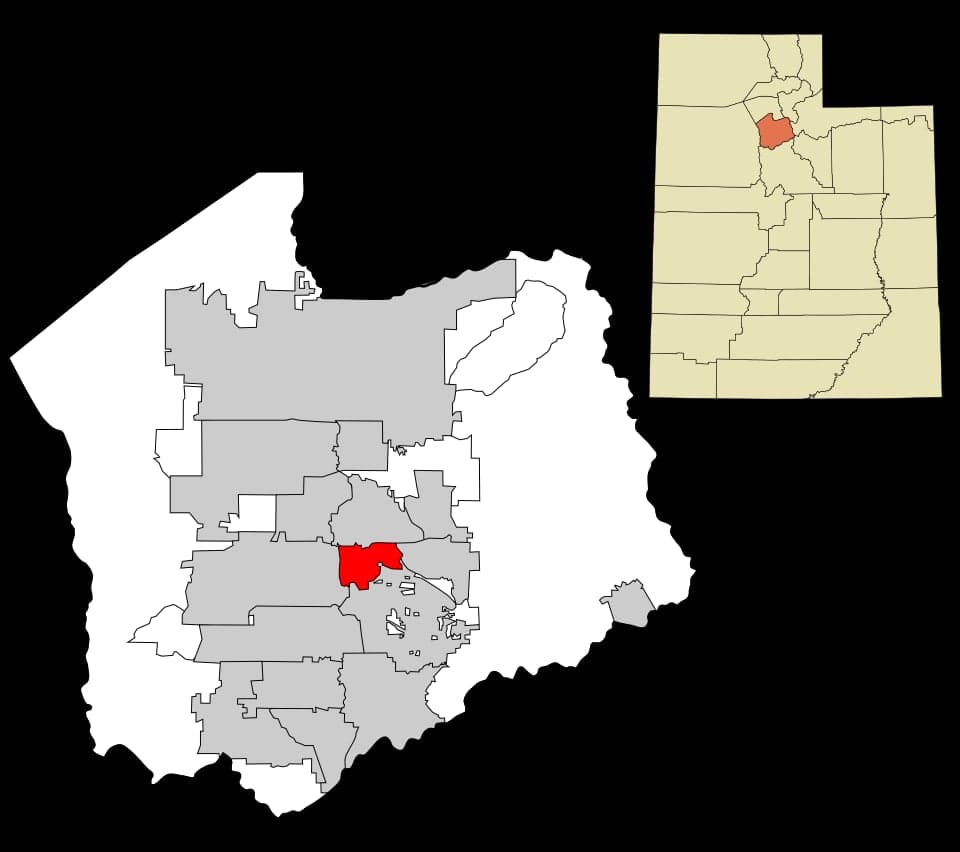
Photo: Wikipedia
Political ClimatePolitical Climate in Midvale, UT
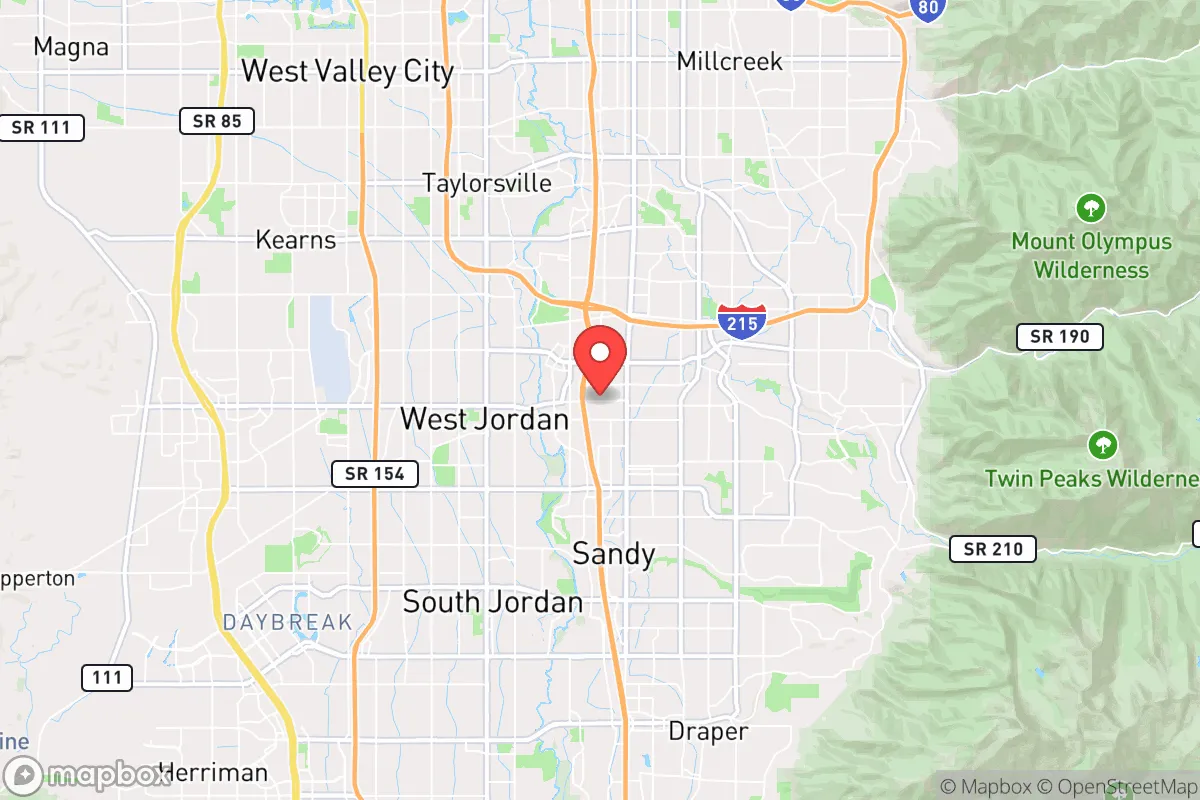
District shown is the primary district for this city’s centroid. Cities may span multiple districts.
Local Political AnalysisPolitical Analysis of Midvale, UT
Midvale, Utah, sits in a political landscape that has historically leaned solidly conservative, with a Cook PVI of R+10 reflecting a district that reliably favors Republican candidates by a comfortable margin. For decades, this meant a local government that prioritized limited interference in daily life, low taxes, and a general hands-off approach to personal and business freedoms. However, like many suburbs along the Wasatch Front, you can feel the political winds shifting, and not necessarily for the better. While the city itself still votes red, the broader Salt Lake County has been trending bluer with each election cycle, and that progressive energy is starting to seep into local council races and policy discussions, which is something to keep a close eye on if you value keeping government out of your backyard.
How it compares
To understand Midvale’s political character, you have to look at its neighbors. Drive a few miles north to Salt Lake City proper, and you’re in a deep-blue stronghold where progressive social policies and higher taxes are the norm. Head south to places like Sandy or Draper, and you’ll find a more reliably conservative, pro-business environment that still believes in personal responsibility over government programs. Midvale sits right in the middle of that corridor, and it’s feeling the pull from both sides. The city has historically been more working-class and independent-minded than its affluent neighbors, which meant less appetite for costly new regulations or zoning overrides. But as the county’s population diversifies and younger, more progressive transplants move in from out of state, you’re seeing more pressure to adopt policies that sound good on paper but often lead to more bureaucracy and less freedom—like stricter rental ordinances or environmental mandates that add costs without clear local benefit.
What this means for residents
For a long-time resident, the biggest concern is that the local government is slowly shifting from a “stay out of the way” philosophy to a “we know what’s best for you” approach. The R+10 rating still gives conservatives a strong foothold, but it’s not a lock. In recent years, you’ve seen city council debates over things like short-term rental restrictions and development fees that feel like they’re borrowed from the playbook of more progressive cities. The real worry is that if the county continues to drift left, Midvale could become a testing ground for policies that infringe on property rights or impose new taxes under the guise of “community betterment.” For now, the city still maintains a relatively low tax burden and a business-friendly climate, but the trajectory is concerning. If you’re someone who values the freedom to run your own life without a city ordinance telling you how to landscape your yard or who you can rent your basement to, you’ll want to stay engaged in local elections.
Culturally, Midvale has always had a bit of a blue-collar, no-nonsense vibe that resists the kind of performative activism you see in the urban core. There’s still a strong sense of neighborly independence here—people help each other out without needing a government program to do it. But the long-term trend is unmistakable: as the Wasatch Front grows, the political center of gravity is shifting. If you’re considering a move here, know that you’re still in a conservative area, but it’s not the rock-solid conservative bastion it was twenty years ago. The best defense against overreach is staying informed and voting in every local election, because the small stuff—like who sits on the planning commission—matters more than most people realize.

State Political ClimatePolitical Climate in Utah
State Political AnalysisPolitical Environment in the State
Utah is a deeply red state, with Republicans holding every statewide office and supermajorities in both legislative chambers, but the political landscape is more nuanced than a simple party label suggests. The state’s dominant coalition is a blend of conservative Latter-day Saint (LDS) cultural values and a growing libertarian-leaning, non-Mormon population, creating a unique political environment that has shifted rightward on fiscal issues while seeing some tension on social policies. Over the last 10-20 years, Utah has become reliably Republican at the presidential level—voting +20 points for Trump in 2024—but the real story is the internal friction between the traditional, establishment GOP and a more populist, freedom-oriented wing that’s gaining ground in the suburbs and exurbs.
Urban vs. rural divide
The political map breaks down along the Wasatch Front, where most of the state’s population lives. Salt Lake City and Park City are the blue islands—Salt Lake County voted for Biden in 2020 and Harris in 2024, driven by a mix of younger professionals, university students, and a growing Hispanic population. But drive 20 minutes south to Utah County (home to Provo and Orem), and you’re in the heart of the state’s conservative engine, where Trump won by 30 points in 2024. The rural areas—like St. George in Washington County and Moab in Grand County—are reliably red, but with different flavors: St. George is a retirement and family destination that votes hard-right on taxes and guns, while Moab’s tourism economy makes it slightly more moderate on land-use issues. The real divide is between the urban core’s cultural liberalism and the suburban/exurban belt’s focus on economic freedom and parental rights.
Policy environment
Utah’s policy environment is a mixed bag for conservatives. On the plus side, the state has a flat income tax rate of 4.55% (down from 5% in 2022) and no state-level property tax on vehicles, which is a big win for personal finances. The regulatory posture is business-friendly, with right-to-work laws and minimal zoning restrictions in most counties—Lehi and Sandy have become tech hubs because of this. Education policy is a bright spot: Utah has a robust school choice program, including the Utah Fits All Scholarship, which gives families up to $8,000 per child for private or homeschool expenses. However, the state’s healthcare system is heavily regulated, with a state-run insurance exchange that some conservatives view as an overreach. Election laws are solid—voter ID is required, and there’s no same-day registration—but the state’s mail-in voting system, while efficient, has drawn criticism from those who prefer in-person voting as a safeguard against fraud.
Trajectory & freedom
Utah is becoming more free in several key areas, but there are warning signs. The 2024 legislative session passed the Utah Constitutional Carry Act, allowing permitless carry of firearms for law-abiding adults—a major win for Second Amendment advocates. Parental rights were strengthened with the Utah Parental Rights in Education Act, which requires schools to notify parents of any curriculum involving sexuality or gender identity and prohibits classroom instruction on these topics in K-6. On medical freedom, the state passed a law banning COVID-19 vaccine mandates for private employers, and a 2023 bill prohibited mask mandates in schools. However, property rights took a hit with the Utah Inland Port Authority, which uses eminent domain to facilitate a massive logistics hub near Salt Lake City—a move that has libertarians and conservatives alike crying foul. Taxation is trending in the right direction, with the legislature considering a phase-out of the state income tax, but the state’s sales tax on groceries remains a burden on families.
Civil unrest & political movements
Utah has seen relatively little civil unrest compared to coastal states, but there are flashpoints. The Utah County Republican Party has been a battleground between establishment and grassroots factions, with the latter winning control in 2023 and pushing for more transparency in primaries. Immigration politics are tense but not explosive—the state passed a 2024 law requiring local law enforcement to cooperate with ICE, but Salt Lake City and Ogden have resisted, creating a patchwork of enforcement. The Utah Legislature’s 2023 ban on transgender athletes in K-12 sports sparked protests in Salt Lake City, but those were small and quickly fizzled. Election integrity controversies are minimal, though some conservatives in Washington County have pushed for hand-counting ballots, citing concerns about Dominion machines. The most visible movement is the Utah Freedom Coalition, a grassroots group that organizes school board meetings and county GOP conventions, pushing back against what they see as federal overreach in education and health.
Projection
Over the next 5-10 years, Utah will likely become more conservative on fiscal and educational issues but may see cultural battles intensify. In-migration from California and other blue states is accelerating—St. George grew by 15% between 2020 and 2024, and Eagle Mountain is one of the fastest-growing cities in the nation. These newcomers are often conservative on taxes and crime but more libertarian on social issues like marijuana legalization (Utah has a limited medical program) and land use. The LDS Church’s influence is slowly waning as the non-Mormon population grows, which could shift the GOP’s focus from cultural conservatism to economic freedom. Expect the state to continue lowering taxes and expanding school choice, but watch for fights over water rights and growth management—these could become the new political fault lines. A new resident moving in now should expect a state that’s broadly free but with growing pains: traffic in Lehi is already a nightmare, and housing prices in Park City are out of reach for most families.
For a conservative-leaning individual or parent, Utah offers a strong foundation: low taxes, gun rights, school choice, and a culture that values self-reliance. But don’t expect a libertarian paradise—the state still has a heavy regulatory hand in healthcare and land use, and the urban-rural divide means you’ll need to choose your community carefully. If you want the most freedom, look at St. George or Cedar City; if you want a more moderate environment with good jobs, Draper or South Jordan are solid bets. Just keep an eye on the legislature—the fight between establishment and grassroots conservatives is far from over, and the outcome will shape Utah’s trajectory for decades.
* Values derived from national, state, county, city and local statistics and may differ in a specific area. Last updated: 2026-04-20T03:54:47.000Z
Narrative content on this page is AI-generated and may contain mistakes. Verify any details that matter before acting on them.
ReloMaps may earn a commission from affiliate links at no extra cost to you.

