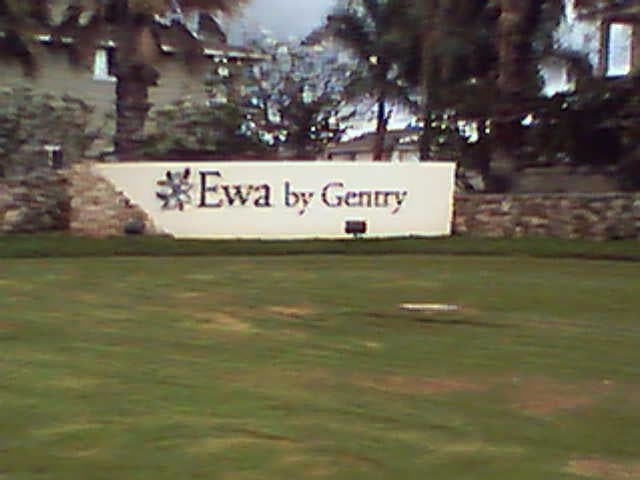
Photo: Wikipedia
Find The Best Places To Live
in Ewa Gentry
PRO TIP! You can paste a Zillow or Redfin link to get info on that property.
What It's Like Living in Ewa Gentry, HI
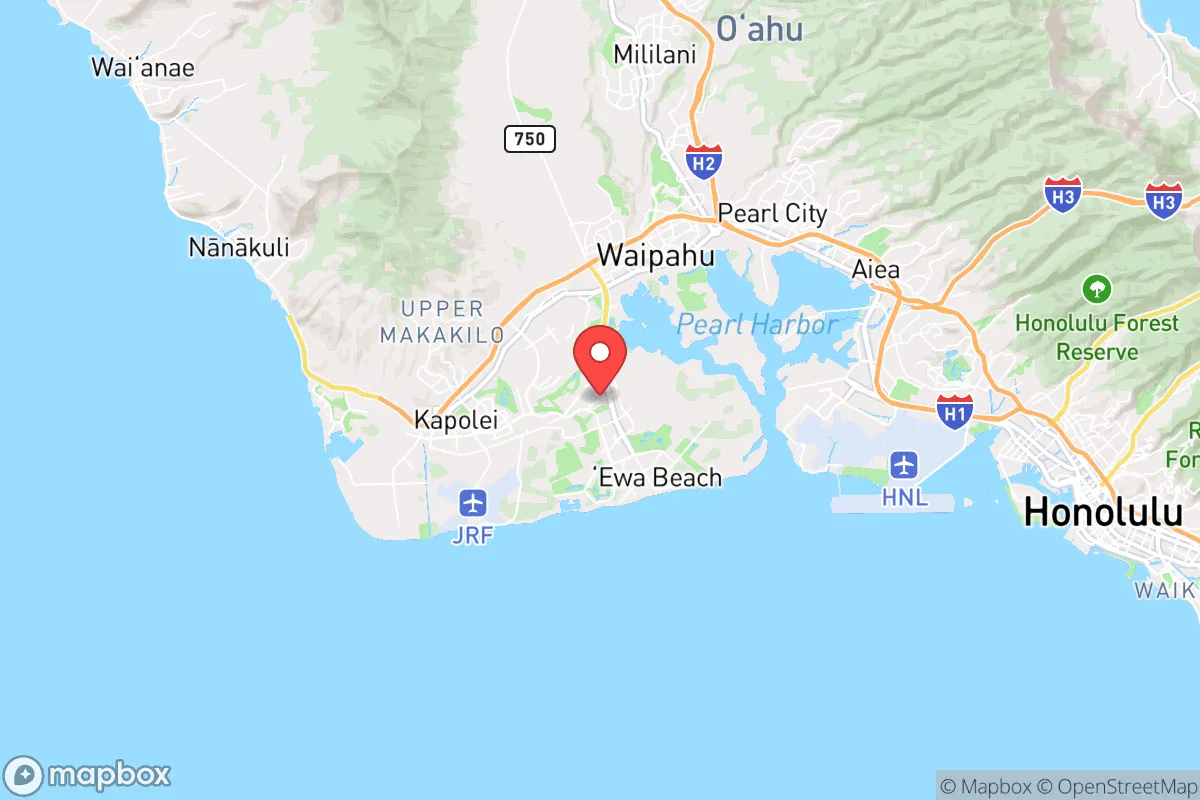
Ewa Gentry feels like the Hawaii version of a planned mainland suburb—think wide, master-planned streets, identical-looking two-story homes, and a whole lot of minivans and Teslas in driveways. It’s a relatively new community on the dry, sunny Ewa Plain, about 20 miles west of Honolulu, and it’s built for families who want a quieter, more affordable slice of Oahu without sacrificing the island lifestyle. If you’re a single professional or a parent looking for space, good schools, and a predictable routine, this might be your spot—but you’ll trade that for a soul-crushing commute and a distinct lack of nightlife.
Daily Rhythm: The Commute and the Cost
Most mornings in Ewa Gentry start before sunrise. The average commute here clocks in at 36 minutes—one way—and that’s on a good day. The H-1 freeway is the only artery into Honolulu, and it backs up from Kapolei all the way to Pearl Harbor by 6:30 a.m. Locals cope by leaving at 5:45 a.m. or working flex schedules. After work, people hit the local Costco or Target in Kapolei, grab poke bowls at Foodland, or eat at a handful of strip-mall restaurants like Koa Pancake House (solid loco moco) or Ewa Town Center’s Thai and Korean spots. Weekends are for the beach—Ko Olina’s lagoons are a 10-minute drive, and the white sand at White Plains Beach is a local favorite for families. The median home value is $768,200, which sounds steep until you realize that’s actually below Oahu’s median. The cost of living index is 239 (more than double the U.S. average), so expect to pay $6 for a gallon of milk and $4.50 for a gallon of gas. The median household income of $131,755 is high enough to make it work, but you’ll feel the pinch if you’re a single earner.
Who Fits In: Families, Military, and Remote Workers
Ewa Gentry is overwhelmingly a family community. The median age is 34.9, and you’ll see strollers, SUVs, and weekend soccer games everywhere. The population of 26,738 is a mix of local Hawaii families, military personnel from nearby Joint Base Pearl Harbor-Hickam, and mainland transplants who work in tech or remote jobs. About 29.6% of adults hold a bachelor’s degree or higher, which is lower than Honolulu proper but reflects the blue-collar and service-industry roots of the area. Single people under 30 might feel out of place—there’s no bar scene, no music venues, and the nearest nightlife is in Waikiki (a 45-minute drive). The kind of person who thrives here is someone who prioritizes space, safety, and schools over excitement. Parents love that the local public schools—like Ewa Makai Middle School and James Campbell High School—are well-regarded and heavily involved in community events. Friday night football games at Campbell High draw big crowds, and the Sabers’ games against rival Kapolei are a genuine social event.
Sports, Festivals, and What There Is to Do
High school sports are a surprisingly big deal here. James Campbell High School’s football team is a perennial state contender, and the games are packed with parents, alumni, and local fans who treat them like a mini-pro event. There’s no pro sports team on Oahu, but the University of Hawaii Rainbow Warriors (football and volleyball) are followed closely—expect to see UH gear everywhere. For entertainment, the main draw is the Ko Olina Resort area, which has the Aulani Disney Resort, a handful of high-end restaurants, and the Ko Olina Golf Club. The annual Ewa Beach Community Festival in the summer brings food trucks, live music, and a small carnival. For outdoor stuff, the Ewa Beach Golf Club is a public course that’s affordable by Hawaii standards, and the Ewa Plains offer miles of flat biking and walking paths. The biggest cultural quirk: locals here are fiercely proud of the area’s plantation history—sugar cane and pineapple fields once covered everything, and you’ll still see old plantation-era homes in nearby Ewa Villages. The community identity is “Ewa side” (west side), and there’s a real sense of being separate from the chaos of Honolulu.
Pros and Cons of Living Here
- Pros: Lower home prices than Honolulu or Kailua; good public schools; safe streets (violent crime rate of 200.2 per 100,000 is below the national average); proximity to Ko Olina beaches; strong sense of community among families; dry, sunny weather (less rain than windward side).
- Cons: Brutal commute to Honolulu (36 minutes average, often longer); lack of nightlife or cultural venues; strip-mall sprawl with few independent restaurants or shops; high cost of living (239 index) means groceries and utilities are painful; summer heat can be oppressive with no trade winds; limited job opportunities outside of military, retail, or remote work.
Longtime residents love the quiet, the space, and the fact that their kids can play outside without worry. What frustrates them is the traffic, the lack of character in the built environment, and the feeling that you have to drive 20 minutes for anything interesting. If you’re a single professional who wants to be near the action, this isn’t it. But if you’re a parent who wants a decent house, a good school, and a beach within 15 minutes, Ewa Gentry delivers—as long as you’re okay with spending a lot of time in your car.

Similar towns to Ewa Gentry
* Values derived from national, state, county, city and local statistics and may differ in a specific area. Last updated: 2026-04-24T13:43:31.000Z
Narrative content on this page is AI-generated and may contain mistakes. Verify any details that matter before acting on them.
ReloMaps may earn a commission from affiliate links at no extra cost to you.

