Photo: Wikipedia
Personal Sovereignty in North Carolina
Viable for self-reliance. Generally workable, though some barriers may limit total independence.
What does Personal Sovereignty tell us?
Personal Sovereignty measures your capacity for self-reliance and independence with minimal government friction. Higher scores mean fewer barriers between you and the way you want to live... but it assumes you have the space you need and good neighbors.
What does this tell us?
Personal Sovereignty measures your capacity for self-reliance and independence with minimal government friction. Higher scores mean fewer barriers between you and the way you want to live... but it assumes you have the space you need and good neighbors.
State Policy
Energy independence: Importer (15% of energy produced in-state)
Personal Liberty
Homesteading

Personal Liberty Analysis
North Carolina offers one of the strongest environments for personal sovereignty in the Eastern United States, balancing a historically conservative legal framework with a growing population that values independence over government dependency. The state’s constitutional protections, relatively low tax burden, and permissive gun laws create a foundation where individuals and families can largely control their own lives without excessive state interference. However, the autonomy you experience varies dramatically depending on where you plant your flag—the difference between rural counties like Yadkin or Chatham and urban centers like Charlotte or Raleigh is night and day in terms of regulatory creep and local governance.
Tax burden and regulatory posture for individuals and families
North Carolina’s state-level tax posture is among the most favorable in the Southeast for those seeking to keep more of their own earnings. The state levies a flat individual income tax rate of 4.5% as of 2026, with a scheduled reduction to 3.99% by 2027—no progressive brackets to penalize success. Property taxes are low by national standards, averaging around 0.75% of assessed value, but local rates vary: Johnston County and Harnett County keep millage rates well below the state average, while Wake County (Raleigh) and Mecklenburg County (Charlotte) are notably higher due to urban spending demands. Sales tax sits at 4.75% state-level, with local options pushing it to 7% or 7.25% in most counties—still manageable. The regulatory climate is business-friendly, with right-to-work laws and limited occupational licensing compared to states like California or New York. But be warned: the state’s building codes and environmental regulations are tightening, especially in counties under the Neuse River Basin rules, which impose strict stormwater and riparian buffer requirements that can complicate homestead development. For a prepper mindset, the key takeaway is that rural counties like Montgomery or Anson offer far less regulatory friction than the Research Triangle or Charlotte metro areas.
Self-defense and gun law specifics for responsible citizens
North Carolina is a strong Second Amendment state, but it’s not a constitutional carry state—yet. As of 2026, the state requires a permit to purchase a handgun (the Pistol Purchase Permit system, though this is under legal challenge) and a concealed carry permit for carrying a concealed firearm. However, the permitting process is shall-issue, meaning sheriffs cannot arbitrarily deny applications if you meet basic criteria. Open carry of handguns and long guns is legal without a permit for anyone 18 or older who can legally possess a firearm. The state preempts local gun ordinances, so cities like Durham or Asheville cannot ban firearms in public spaces—a critical protection against urban overreach. Stand-your-ground laws are in effect, with no duty to retreat in any place you have a lawful right to be. Castle doctrine protections extend to your vehicle and workplace. For those considering relocation, Rutherford County and Surry County are known for sheriff’s offices that are pro-2A and issue permits efficiently, while Orange County (Chapel Hill) has a reputation for slower processing and more restrictive attitudes. Magazine capacity is not restricted, and there is no state-level assault weapons ban. This is a state where you can defend your home and family without asking permission from bureaucrats.
Self-reliance and homesteading viability across the state
North Carolina offers genuine homesteading potential, but zoning and lot size restrictions vary wildly by county. In the western Piedmont and mountain counties like Wilkes, Alleghany, and Yancey, you can find unzoned rural land where you can build a cabin, raise livestock, and install solar panels without a parade of permits. Minimum lot sizes in these areas are often 1-2 acres for septic systems, but many parcels are 5-20 acres, giving you breathing room. In contrast, counties in the Research Triangle—Wake, Durham, Orange—have minimum lot sizes of 1-3 acres in rural areas but enforce strict building codes, stormwater management, and agricultural zoning that limits livestock numbers. Off-grid feasibility is high in the mountains and coastal plain: the state has net metering for solar, but no statewide mandate for grid connection, so you can go fully off-grid with a well, septic, and solar array. Rainwater collection is legal and encouraged. However, be aware that some counties like Buncombe (Asheville) have adopted progressive land-use plans that restrict timber harvesting and require conservation easements on larger parcels. For the serious prepper, Caswell County and Person County offer affordable land, minimal zoning, and proximity to Virginia if you need to bug out north. The state’s growing population is pushing development into formerly rural areas, so securing land now in a low-regulation county is a strategic move.
Personal liberties: parental rights, medical autonomy, speech, and property
North Carolina has a mixed record on personal liberties, but the trend is positive for conservative families. Parental rights are explicitly protected under state law, with a Parents’ Bill of Rights enacted in 2023 that requires schools to notify parents of medical services and prohibits instruction on gender identity in K-4 classrooms. Medical autonomy is strong in the sense that the state does not mandate COVID-19 vaccines for school attendance or employment, and there is no state-level vaccine passport system. However, the state’s certificate-of-need laws restrict competition in healthcare, limiting your choice of providers and driving up costs—a frustration for those who want to opt out of the mainstream system. Speech protections are robust under the state constitution, and there is no hate speech law that criminalizes political speech. Property rights are protected by the state’s eminent domain laws, which require just compensation and public use, but the state has aggressively used eminent domain for highway projects and utility corridors. For the survivalist, the biggest concern is the state’s emergency powers: the governor can declare a state of emergency and restrict movement, as seen during COVID-19, though the legislature has since passed laws limiting the duration of such orders without legislative approval. Cabarrus County and Rowan County have been proactive in passing resolutions affirming Second Amendment sanctuary status and parental rights, making them safer bets for those who prioritize liberty over government convenience.
Overall, North Carolina ranks as a top-tier destination for personal sovereignty in the Eastern U.S., especially when compared to states like New York, California, or Illinois. The combination of low taxes, strong gun rights, viable homesteading land, and legal protections for parental authority creates a environment where individuals can live with minimal government overreach—provided you choose your county wisely. The urban corridors of Charlotte, Raleigh, and Asheville are trending toward progressive governance, but the rural and exurban counties—Stokes, Montgomery, Anson, Caswell—remain bastions of self-reliance. If you’re looking to escape the creeping control of federal and state bureaucracies, North Carolina offers a realistic path to freedom, but you must be deliberate about where you settle. The state is not a libertarian paradise, but it is a solid foundation for building a life on your own terms.

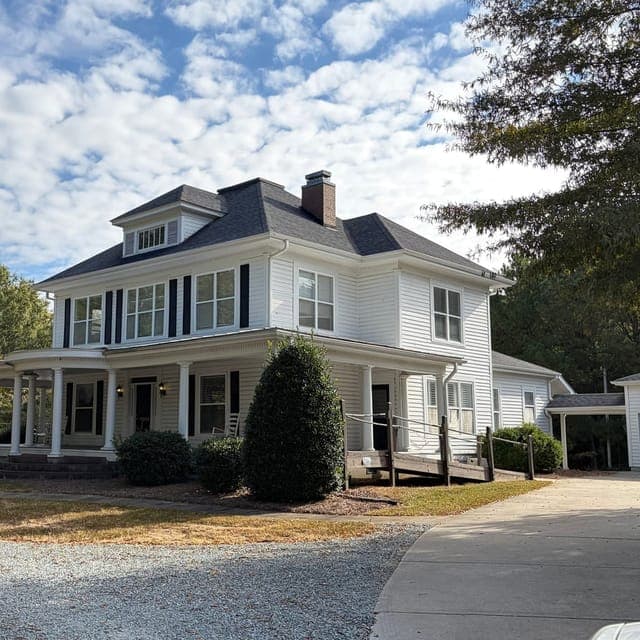
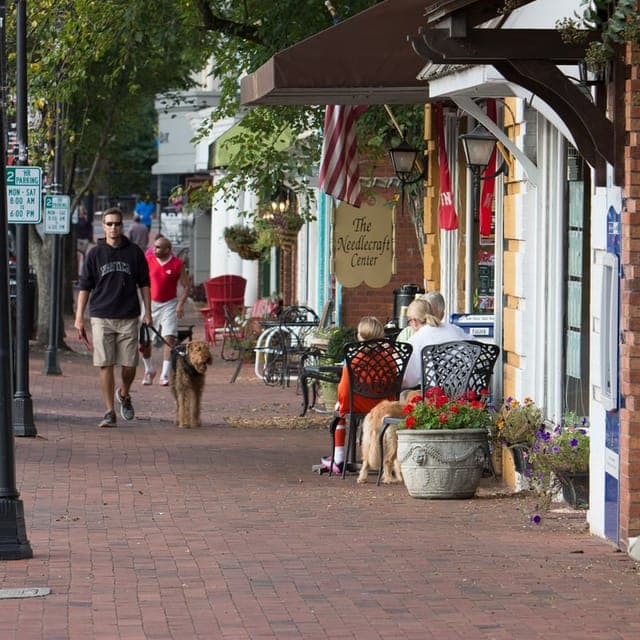
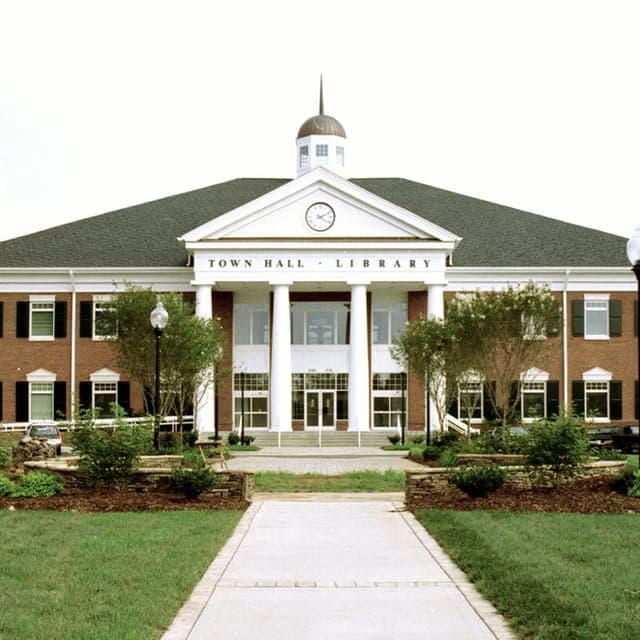
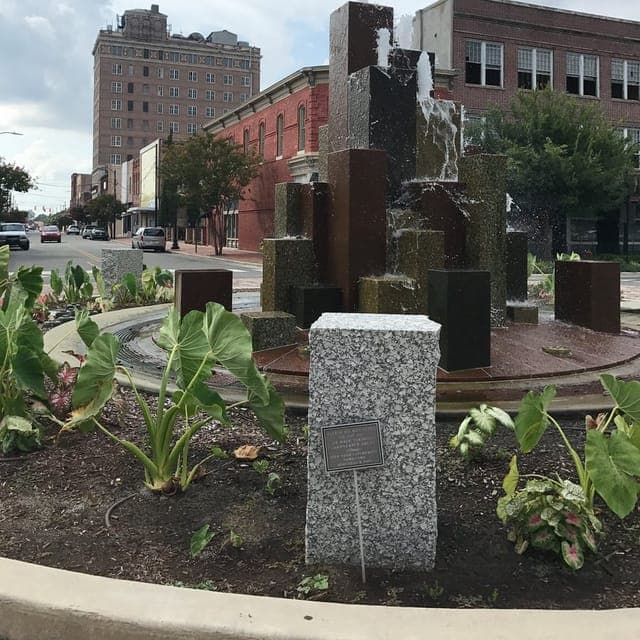
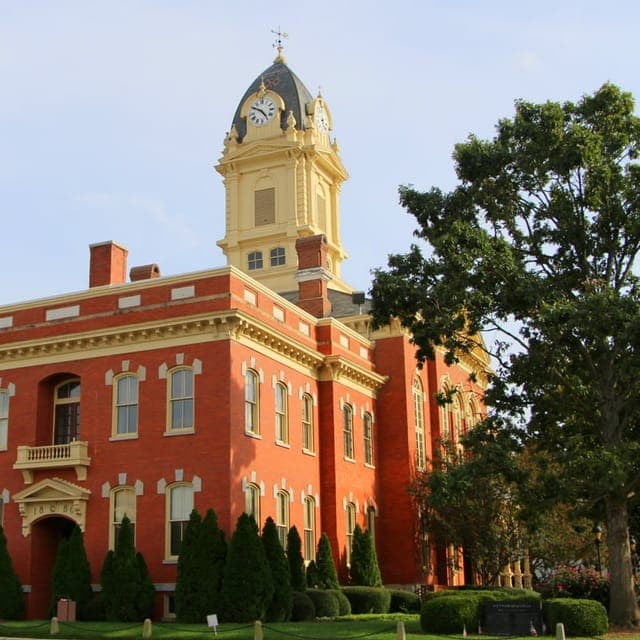
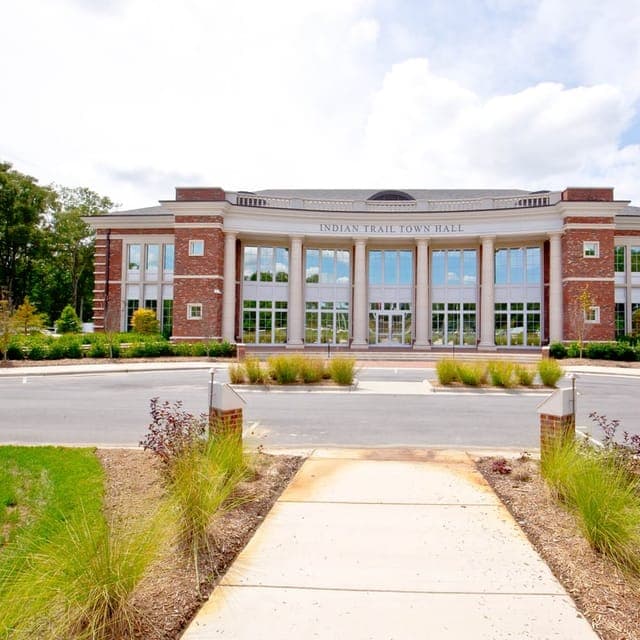
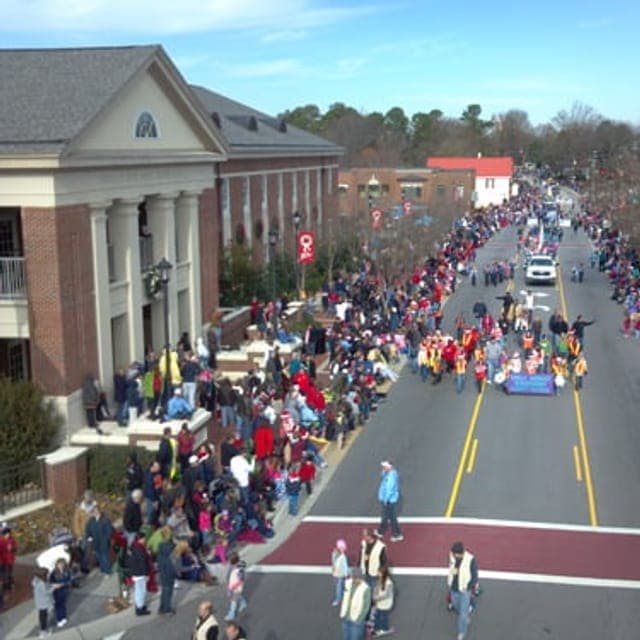
Top Cities for Personal Sovereignty in North Carolina
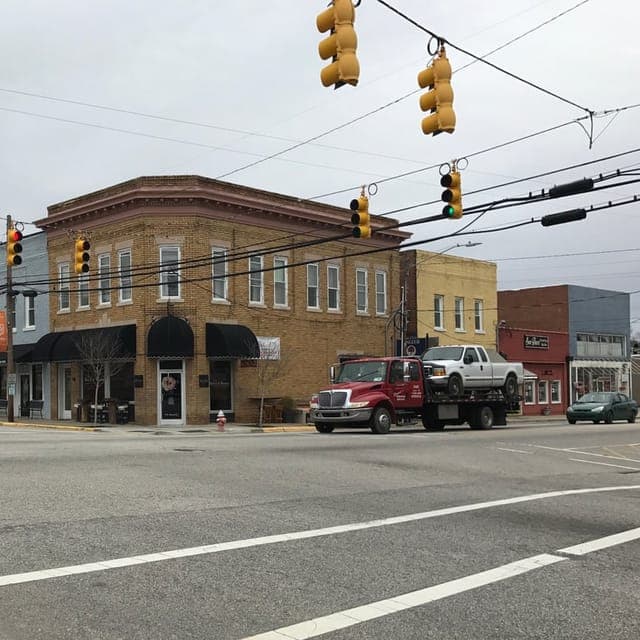

* Values derived from national, state, county, city and local statistics and may differ in a specific area. Last updated: 2026-04-14T06:23:38.000Z
Narrative content on this page is AI-generated and may contain mistakes. Verify any details that matter before acting on them.
ReloMaps may earn a commission from affiliate links at no extra cost to you.

