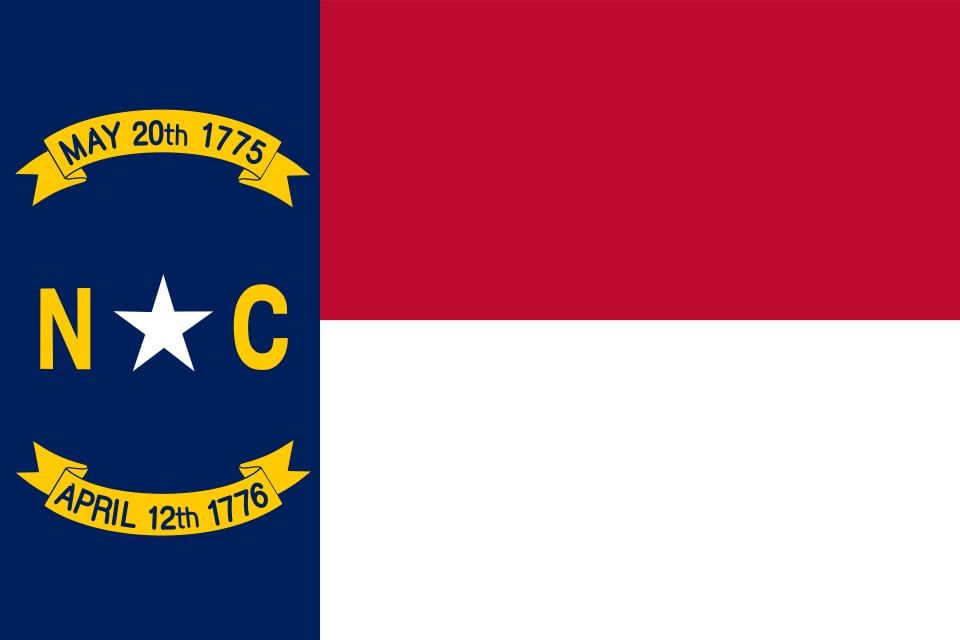
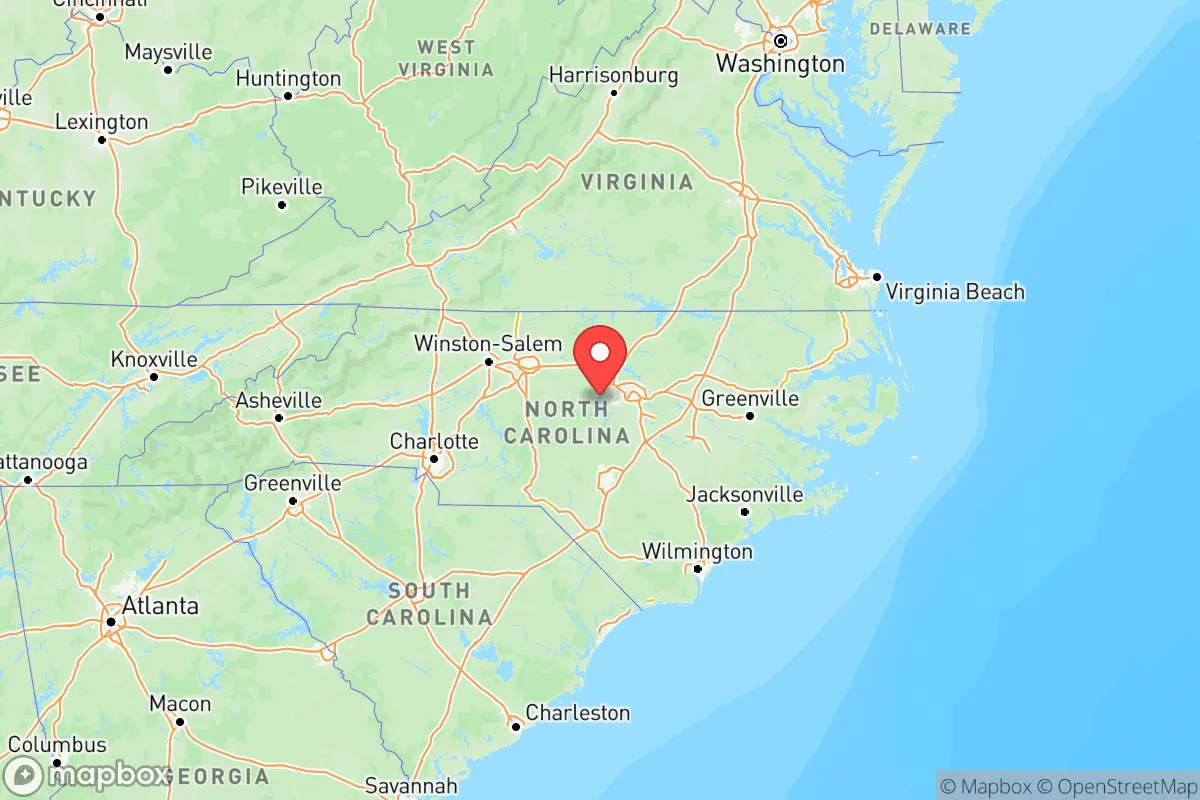
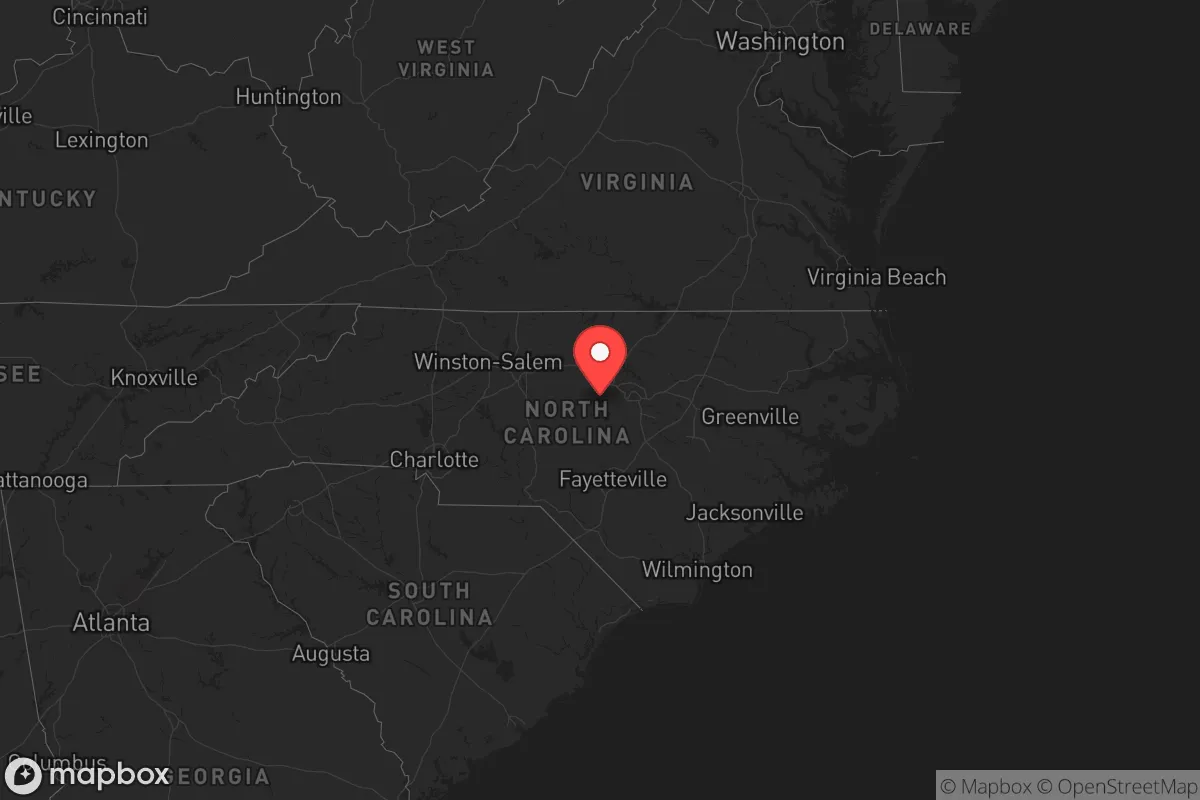
Photo: Wikipedia
Quality of Life in North Carolina
A livable area that tracks near national norms for affordability, walkability, and neighborhood health.
What does Quality of Life tell us?
Quality of Life measures an area by evaluating factors like cost of living, nearby amenities, country club access, airport proximity, socioeconomic signals and neighborhood character. For large states, this is a general average — quality of life can vary dramatically between metro areas, suburbs, and rural communities within the same state.
What does this tell us?
Quality of Life measures an area by evaluating factors like cost of living, nearby amenities, country club access, airport proximity, socioeconomic signals and neighborhood character. For large states, this is a general average — quality of life can vary dramatically between metro areas, suburbs, and rural communities within the same state.
Cost of Living
3% below national average
64%
The Real Cost of Living in North Carolina for 2026
| Tier | Individual | Family (4) |
|---|---|---|
| Survival | $35k | $66k |
| Comfortable | $74k | $109k |
| Luxury | $126k+ | $196k+ |
| Elite (Top 5%) | $161k+ | $249k+ |
Quality-of-Life Analysis
North Carolina offers one of the broadest quality-of-life spectrums on the East Coast, ranging from the dense, fast-growing urban corridors of the Research Triangle to the remote mountain hollows of the Appalachians and the quiet coastal plains of the Inner Banks. The state’s overall cost of living index sits at 97 (100 being the U.S. average), with a median home value of $259,400 and median rent of $1,162, but those averages mask dramatic variation. A person seeking a 24-hour city lifestyle, a quiet college town, or a rural homestead can each find a viable tier here, though the trade-offs in commute times, career access, and cultural amenities are significant.
Major metros
If you’re looking for urban living, North Carolina has three primary metro anchors, each with a distinct economic and cultural identity. Charlotte, the state’s largest city, is a banking and finance powerhouse (Bank of America, Truist) with a fast-growing, car-dependent sprawl; its Uptown core offers high-rise condos and a professional-class social scene, but the average commute of 25 minutes masks longer drives from suburbs like Fort Mill or Huntersville. Raleigh, part of the Research Triangle, is a government and tech hub anchored by North Carolina State University and the sprawling Research Triangle Park; it feels more planned and family-oriented than Charlotte, with a strong emphasis on parks and public schools. Durham, the third major urban node, has a grittier, more creative vibe driven by Duke University and a revitalized downtown with breweries, startups, and a notable food scene. Greensboro and Winston-Salem round out the Piedmont Triad, offering lower costs and slower growth than the Triangle, with manufacturing and healthcare (Wake Forest Baptist Medical Center) as economic pillars. These metros attract professionals, recent graduates, and families who prioritize job density and cultural amenities over space and quiet.
Mid-size cities & college towns
North Carolina’s mid-size cities and college towns offer a middle ground: walkable downtowns, strong local economies, and housing prices often below the state median. Asheville is the standout mountain destination, a liberal arts and tourism hub set in the Blue Ridge Mountains, known for its craft beer scene, outdoor recreation, and a cost of living that has risen sharply (median home values now exceed $400,000 in many neighborhoods). Wilmington, on the southeastern coast, combines a historic riverfront with a film industry presence (Screen Gems Studios) and easy access to beaches like Wrightsville and Carolina; its economy leans on tourism, healthcare, and the University of North Carolina Wilmington. Chapel Hill is a classic college town dominated by the University of North Carolina, with a dense, walkable downtown and a highly educated population; housing is expensive relative to the rest of the state, but the cultural and medical amenities are exceptional. Greenville, home to East Carolina University, is a more affordable option in the eastern part of the state, with a growing medical sector and a youthful downtown. Boone, in the High Country, is a small mountain college town (Appalachian State University) that attracts outdoor enthusiasts and students, though its remote location means limited job diversity and a seasonal tourism economy.
Small towns & rural areas
The small towns and rural areas of North Carolina offer the lowest cost of living and the slowest pace, but often at the expense of job access and services. In the mountains, Burnsville and Spruce Pine sit in the shadow of Mount Mitchell, attracting retirees and remote workers who value solitude and hiking; median home values here can be under $200,000, but grocery and healthcare options are limited. In the Piedmont, Pittsboro and Hillsborough are small towns near the Triangle that have become bedroom communities, offering historic downtowns and rural lots while still allowing a 30-40 minute commute to Raleigh or Durham. The coastal plain includes towns like Edenton and Washington, historic river towns with deep-water access and a quiet, agricultural lifestyle; these areas have some of the state’s lowest home prices (often under $150,000) but also the highest poverty rates and fewest job opportunities outside of farming, fishing, and retail. The Sandhills region, centered on Pinehurst and Southern Pines, is a distinct rural tier: a golf and equestrian destination with a wealthy retiree population, where median home values can exceed $500,000 in gated communities, while nearby towns like Robbins remain deeply affordable.
Luxury vs. affordable living
The luxury tier in North Carolina is concentrated in a few specific enclaves. Biltmore Forest (near Asheville) and Myers Park (in Charlotte) are historic wealthy neighborhoods with median home values above $1 million. Figure Eight Island, near Wilmington, is a private barrier island with homes starting at $2 million. Raleigh’s Hayes Barton and Durham’s Hope Valley offer similar prestige in the Triangle. At the opposite end, the most affordable areas are in the rural east and the far western mountains. Lumberton (Robeson County) has a median home value around $110,000, but faces high poverty and limited services. Rocky Mount and Wilson, in the coastal plain, offer homes under $150,000 with access to Interstate 95, though job growth is stagnant. Morganton and Lenoir, in the foothills, provide mountain views and home prices under $200,000, attracting retirees and remote workers willing to drive 45 minutes to Asheville or Hickory for major shopping and healthcare.
The practical reality of living in North Carolina is that the state’s cost-of-living spread is enormous: a home in Biltmore Forest can cost 10 times more than one in Lumberton, and the average commute of 25 minutes masks the fact that many rural residents drive 45 minutes or more to reach a grocery store or job. Professionals in tech, finance, or healthcare thrive in the metros and college towns, where salaries are competitive and amenities are dense. Retirees and remote workers often choose the mountain or coastal small towns for lower housing costs and natural beauty, but must accept limited healthcare access and fewer cultural options. Families seeking good public schools and safe neighborhoods typically gravitate to the suburbs of Charlotte, Raleigh, or the Triad, where home prices are above the state median but still below national averages. No single tier fits everyone, and the choice often comes down to whether one prioritizes career opportunity, outdoor recreation, or sheer affordability.

Crime in North Carolina
Crime rates similar to the national median for U.S. locations.
Violent CrimeViolent Crime Analysis
Property CrimeProperty Crime Analysis
Crime Analysis
North Carolina’s overall crime picture is a study in contrasts: the state’s violent crime rate of 299.4 per 100,000 residents sits slightly below the national average, while its property crime rate of 1,659.9 per 100,000 is notably higher than the U.S. median. These statewide figures mask sharp geographic divides, with progressive-leaning urban centers like Charlotte and Durham driving up violent crime numbers, while smaller, more conservative communities such as Cary and Apex maintain some of the lowest crime rates in the region. The state’s judicial landscape, particularly in districts with reform-minded district attorneys, has become a flashpoint for public safety debates.
Crime in context
North Carolina’s violent crime rate of 299.4 per 100,000 is roughly 15% lower than the national rate of 366.7 per 100,000 (2023 FBI data), but its property crime rate of 1,659.9 per 100,000 exceeds the national figure of 1,954.4 per 100,000. The gap is largely driven by larceny-theft and motor vehicle theft, which are concentrated in high-traffic metro areas. For context, neighboring South Carolina posts a violent crime rate of 410.6 per 100,000, making North Carolina comparatively safer, but the state still lags behind Virginia’s 220.1 per 100,000. The most significant upward pressure comes from Mecklenburg County (Charlotte) and Durham County, where progressive district attorneys have implemented policies like cash bail reform and reduced prosecution of low-level property offenses. Critics argue these approaches, while well-intentioned, have contributed to recidivism and a perception of lawlessness in downtown corridors.
What residents experience
Daily safety in North Carolina depends heavily on jurisdiction. In Charlotte, the violent crime rate exceeds 700 per 100,000 in some neighborhoods, with carjackings and armed robberies concentrated along the Independence Boulevard corridor. Durham reports a violent crime rate near 800 per 100,000, driven by gang-related shootings and a 2024 spike in commercial burglaries. By contrast, Cary (Wake County) posts a violent crime rate of just 78 per 100,000, and Apex records rates below 60 per 100,000—both communities benefit from well-funded police departments and conservative-leaning district attorneys who prioritize aggressive prosecution. Fayetteville, home to Fort Liberty, sees elevated property crime (2,100 per 100,000) tied to transient populations, but its violent crime rate remains moderate at 380 per 100,000. Residents in Raleigh report mixed experiences: downtown areas near Glenwood South see frequent thefts and assaults, while suburban pockets like North Raleigh remain quiet. The Wake County District Attorney’s office has faced criticism for a 2023 policy of declining to prosecute certain drug possession cases, which some blame for a 12% rise in open-air drug markets near transit hubs.
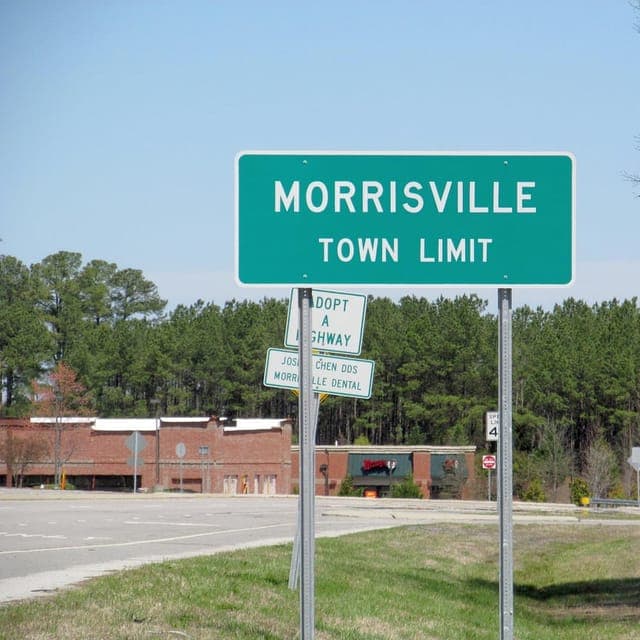
Neighborhood-level variation is extreme. In Charlotte, the University City area (28213 zip code) has a violent crime rate of 1,200 per 100,000, while the Ballantyne area (28277) sits at 150 per 100,000. Similarly, Durham’s Lakewood neighborhood sees three times the property crime rate of the Hope Valley historic district. For those considering relocation, the safest bets remain the Triangle suburbs (Cary, Apex, Morrisville) and western mountain towns like Asheville’s outer precincts, though even Asheville’s Buncombe County has seen a 9% rise in property crime since 2022. Prospective residents should research specific zip codes and local DA policies, as the gap between the safest and most dangerous blocks in North Carolina can be a matter of just a few miles.
Top Cities for Quality of Life in North Carolina
 1A
1A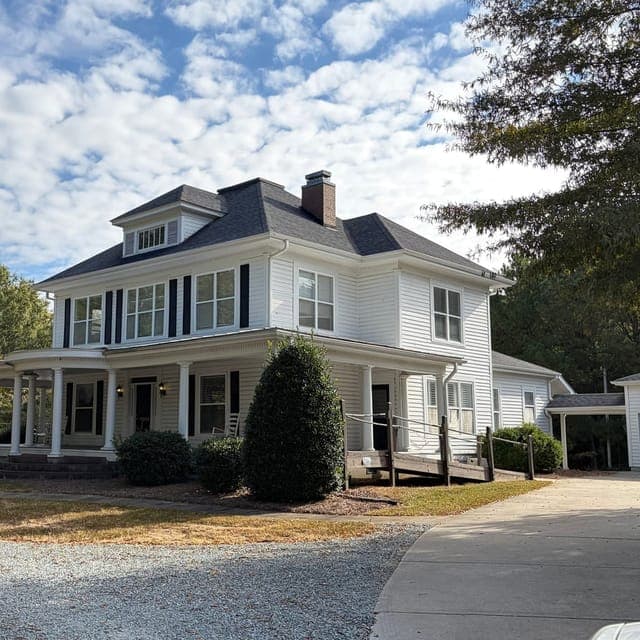 2A
2A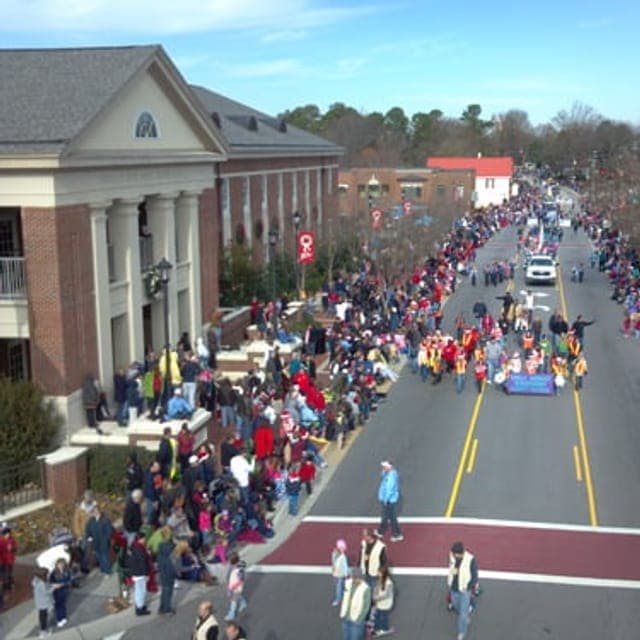 3A
3A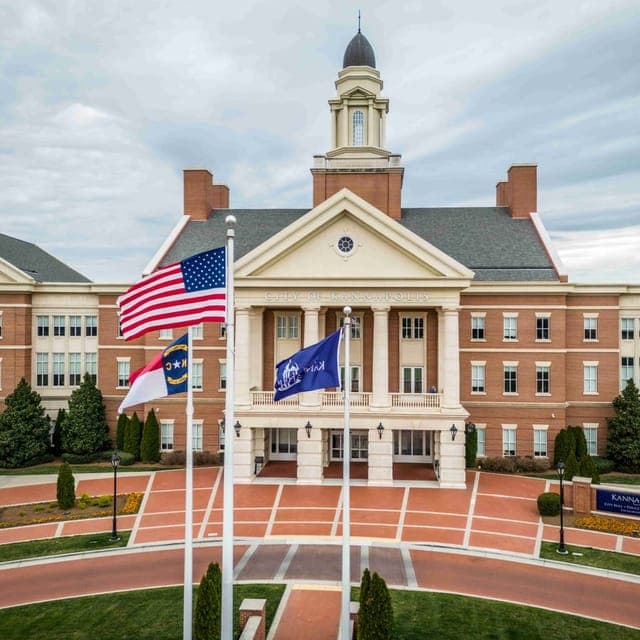 4A
4A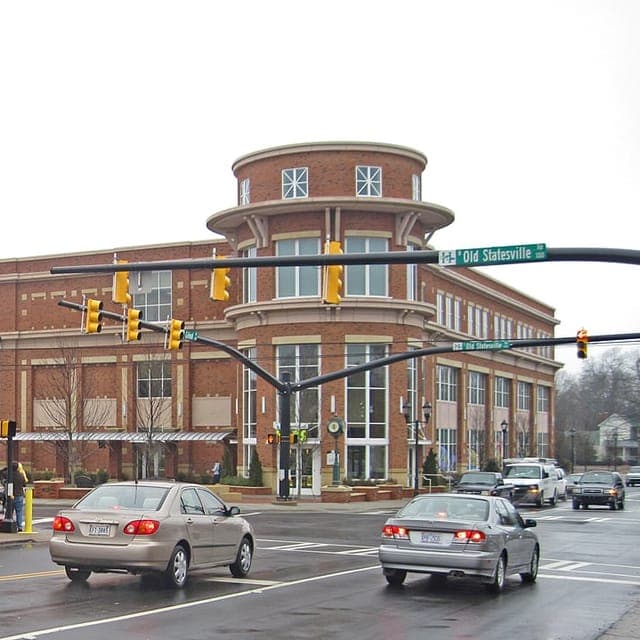 5A-
5A-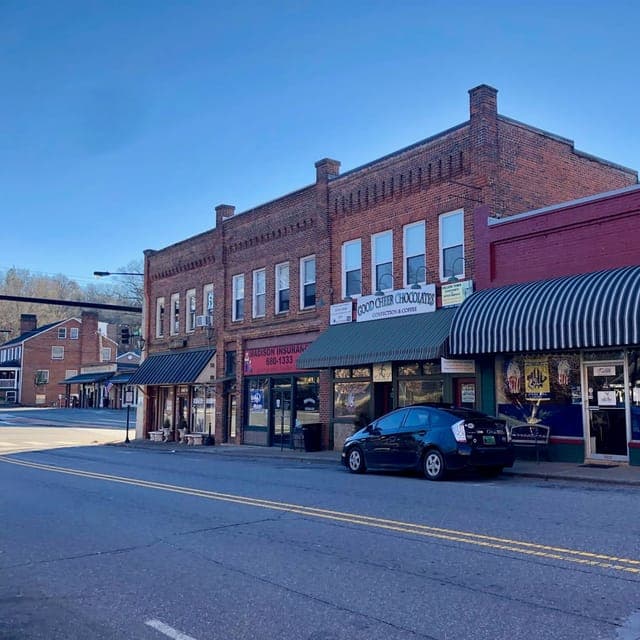 6A-
6A-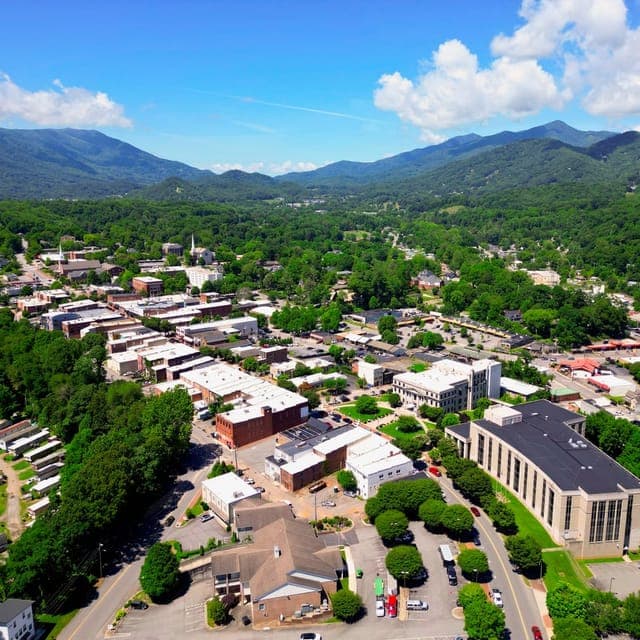 7A-
7A-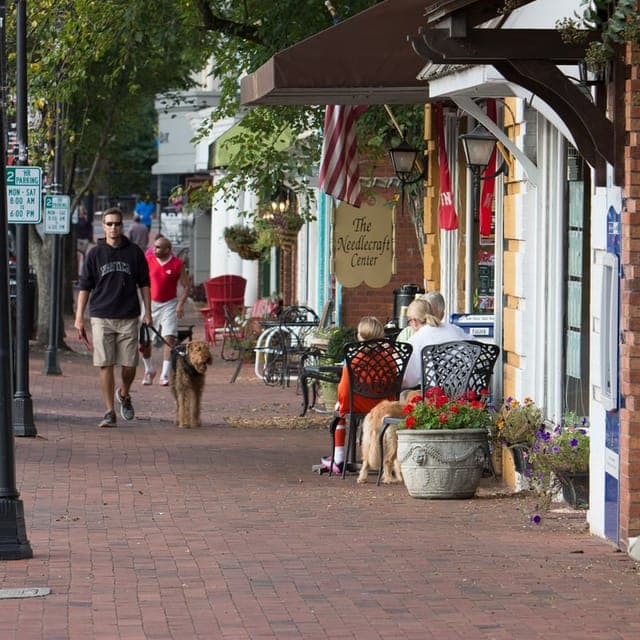 8A-
8A-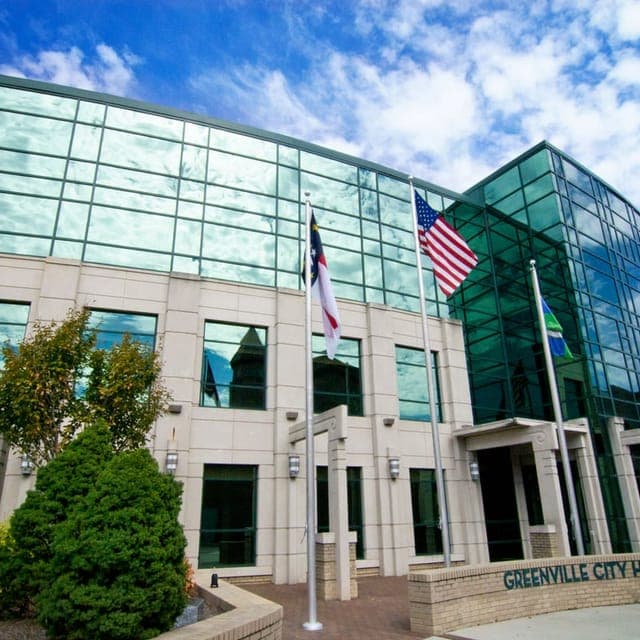 9A-
9A-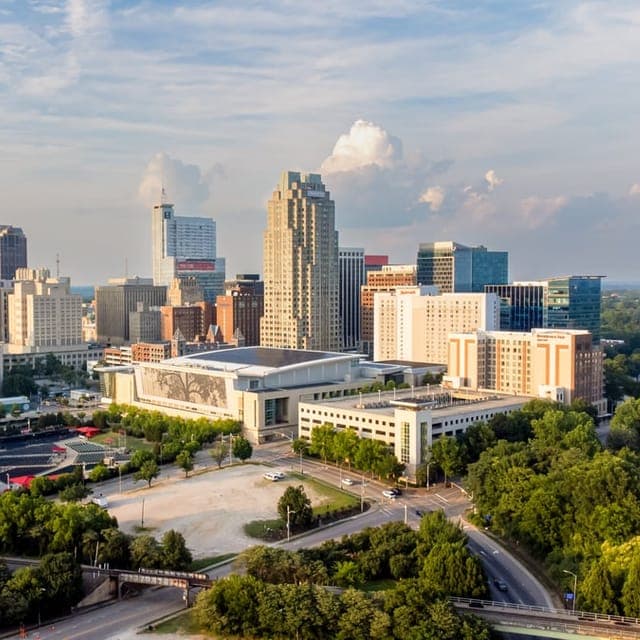 10A-
10A-* Values derived from national, state, county, city and local statistics and may differ in a specific area. Last updated: 2026-04-14T06:23:38.000Z
Narrative content on this page is AI-generated and may contain mistakes. Verify any details that matter before acting on them.
ReloMaps may earn a commission from affiliate links at no extra cost to you.

