Photo: Wikipedia
Demographics of North Carolina
Affluence Level in North Carolina
An upper-middle-class area. Household wealth, education levels, and homeownership run ahead of national benchmarks.
People of North Carolina
North Carolina today is home to over 10.5 million people, a population that is 60.6% white, 20.3% Black, 10.9% Hispanic, 1.8% East/Southeast Asian, and 1.3% Indian (subcontinent). The state’s character is a blend of traditional Southern identity, rapidly growing urban centers, and a significant military and tech presence, with 34.7% of adults holding a college degree. Only 5.0% of residents are foreign-born, a figure well below the national average, indicating that most of the state’s recent growth comes from domestic migration rather than international immigration. This creates a distinctive demographic profile: a historically rooted, majority-white and Black population being reshaped by an influx of Americans from other states, particularly the Northeast and Midwest.
Settlement & growth (pre-1960)
Long before European contact, North Carolina was home to several major Native American nations. The Cherokee controlled the mountainous western region, with their central settlement at what is now Cherokee in Swain County. The Tuscarora and Algonquian-speaking tribes, including the Secotan and Chowanoke, inhabited the coastal plain, with villages near present-day Edenton and Bath. The Tuscarora War (1711-1715) resulted in their defeat and migration north, opening the interior to European settlement.
English colonists from Virginia began moving south into the Albemarle Sound region in the 1650s, establishing the first permanent European settlements around Elizabeth City and Edenton. These early settlers were primarily small farmers and tobacco planters, creating a society distinct from the plantation-heavy Lowcountry of South Carolina. The port of Wilmington, founded in 1739, became a major hub for the naval stores industry—tar, pitch, and turpentine from the state’s vast pine forests—which drove the colonial economy.
The single largest wave of pre-Revolutionary migration was the Scots-Irish and German influx along the Great Wagon Road from Pennsylvania between 1730 and 1775. These immigrants, largely Presbyterian and Lutheran, poured down the Shenandoah Valley and settled the Piedmont region. They founded Salisbury (1753), Charlotte (1768), and Winston-Salem (the Moravian settlement of Salem, 1766). The Scots-Irish, in particular, shaped the state’s fiercely independent, anti-aristocratic political culture, a legacy that persists in the Piedmont’s conservative leanings. Germans, especially the Moravians, established tightly-knit religious communities in Forsyth County.
After the American Revolution, the plantation economy expanded into the coastal plain, driven by cotton and tobacco. This led to the forced migration of enslaved Africans, who by 1860 made up roughly one-third of the state’s population. The Black population concentrated in the northeastern counties, such as Halifax and Bertie, and in the rich cotton lands around Fayetteville. Following the Civil War and Reconstruction, many freedmen remained as sharecroppers and tenant farmers in these same areas.
The late 19th and early 20th centuries saw the rise of the textile and furniture industries, which drew rural white and Black workers to mill towns like Gastonia, Burlington, and High Point. The tobacco industry centered on Durham and Winston-Salem created a class of wealthy industrialists and a large workforce. The Great Migration (1910-1970) saw hundreds of thousands of Black North Carolinians leave for Northern cities, while the state simultaneously experienced an influx of poor white farmers from the mountains and Piedmont into the mill villages. By 1960, North Carolina was still overwhelmingly rural and agricultural, with a population that was roughly 75% white and 25% Black, and almost no Hispanic or Asian presence.
Modern era (post-1965)
The 1965 Hart-Cellar Act had a relatively muted direct effect on North Carolina compared to states like California or Texas. The foreign-born population remains low at 5.0%. However, the act’s indirect effects, combined with domestic migration, have transformed the state. The most significant demographic shift since 1965 has been the explosive growth of the Hispanic population, which rose from negligible levels in 1970 to 10.9% today. This wave began in the 1990s, driven by labor demand in construction, agriculture, and meatpacking. Hispanic immigrants, primarily from Mexico and Central America, concentrated in Charlotte (especially East and South Charlotte), the poultry-processing towns of the western Piedmont like Siler City and Monroe, and the agricultural counties of the coastal plain such as Duplin and Sampson.
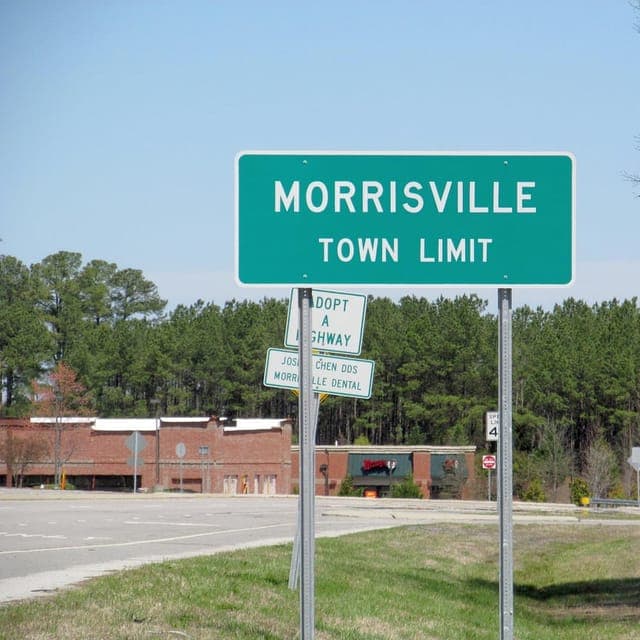
The East/Southeast Asian population (1.8%) and Indian subcontinent population (1.3%) are smaller but highly concentrated. The Research Triangle Park, established in 1959, began attracting highly skilled professionals from Asia in the 1980s and 1990s. Cary and Morrisville in Wake County have become major enclaves for Indian and Chinese tech workers, with Cary’s Asian and Indian population combined exceeding 20%. Charlotte’s banking sector has also drawn Indian and East/Southeast Asian professionals, particularly to the Ballantyne and SouthPark neighborhoods.
The most transformative force in modern North Carolina, however, has been domestic migration. Since the 1970s, the state has been a primary destination for the Rust Belt-to-Sun Belt movement. Retirees, professionals, and families from New York, New Jersey, Ohio, and Michigan have flooded into the Charlotte metro area, the Raleigh-Durham-Cary corridor, and the coastal counties around Wilmington. This in-migration has dramatically increased the white population in previously Black-majority rural areas and has driven suburban sprawl. The state’s political shift from reliably Democratic to a competitive purple state—and increasingly Republican—is directly tied to these new arrivals, who tend to be more conservative than their home-state peers but more moderate than native-born North Carolinians on some social issues.
The future
North Carolina’s population is projected to continue growing at a rapid pace, likely exceeding 12 million by 2040. The primary driver will remain domestic migration from the Northeast and Midwest, supplemented by steady Hispanic growth through both immigration and natural increase. The state is not homogenizing; rather, it is tribalizing into distinct regional identities. The Charlotte and Raleigh metros are becoming increasingly diverse, educated, and politically competitive, while rural eastern and western counties are growing older, whiter, and more conservative. The Hispanic population is assimilating rapidly, with second-generation children becoming English-dominant and culturally Southern, particularly in smaller towns. The Indian and East/Southeast Asian communities in the Triangle are likely to grow further as the tech sector expands, but they will remain a small fraction of the overall population. The Black population share is slowly declining as a percentage, due to lower birth rates and the massive influx of white domestic migrants, but Black communities remain deeply rooted in the eastern half of the state and in Charlotte.
For someone moving in now, North Carolina is a state where the old Southern binary of white and Black is being complicated by Hispanic and Asian growth, but the dominant cultural force remains the wave of domestic migrants from the North. The state is becoming more suburban, more car-dependent, and more politically polarized between its booming cities and its stagnant rural areas. The low foreign-born rate means that newcomers from other states, not immigrants, will continue to define the state’s evolving identity for the foreseeable future.

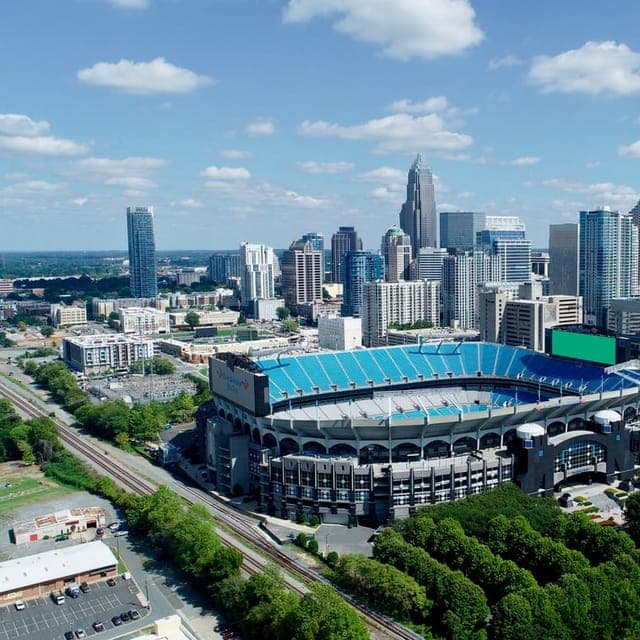
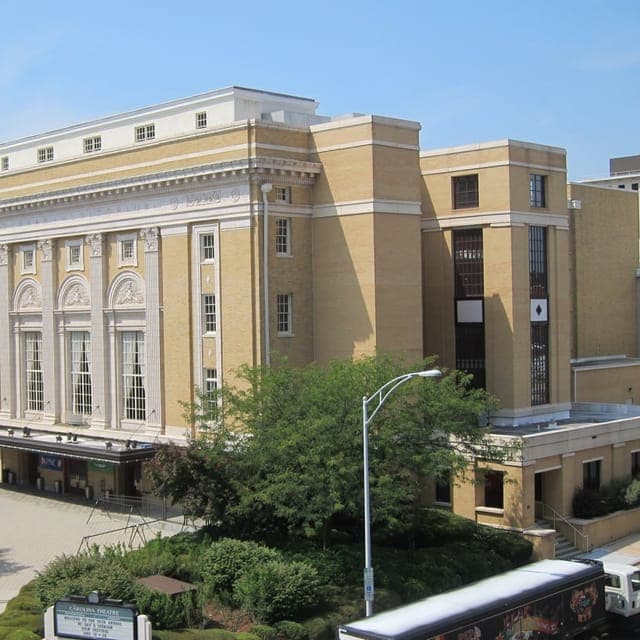
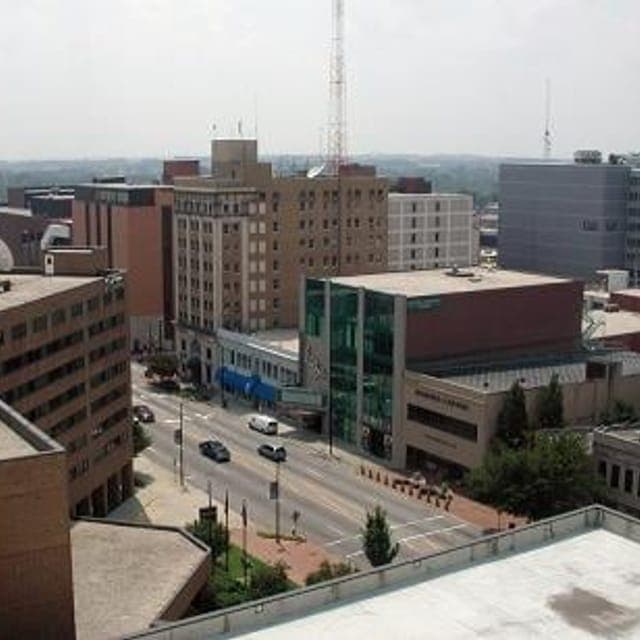
Most Diverse Cities in North Carolina
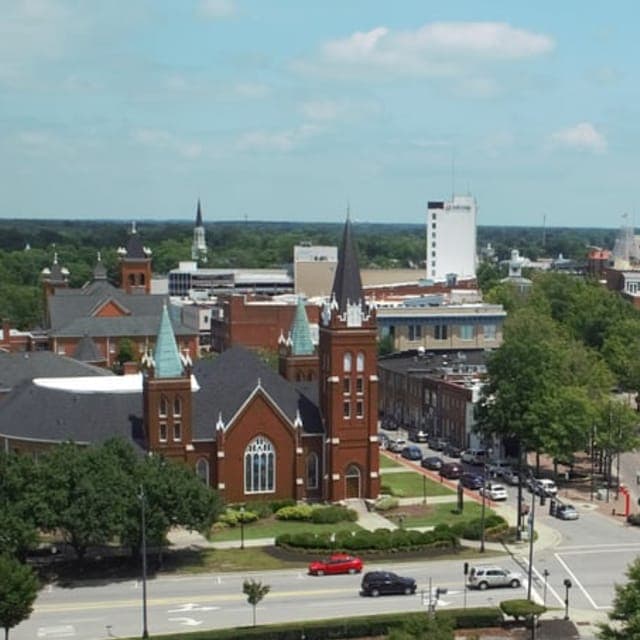
Most Homogenous Cities in North Carolina

* Values derived from national, state, county, city and local statistics and may differ in a specific area. Last updated: 2026-04-14T06:23:38.000Z
Narrative content on this page is AI-generated and may contain mistakes. Verify any details that matter before acting on them.
ReloMaps may earn a commission from affiliate links at no extra cost to you.

