
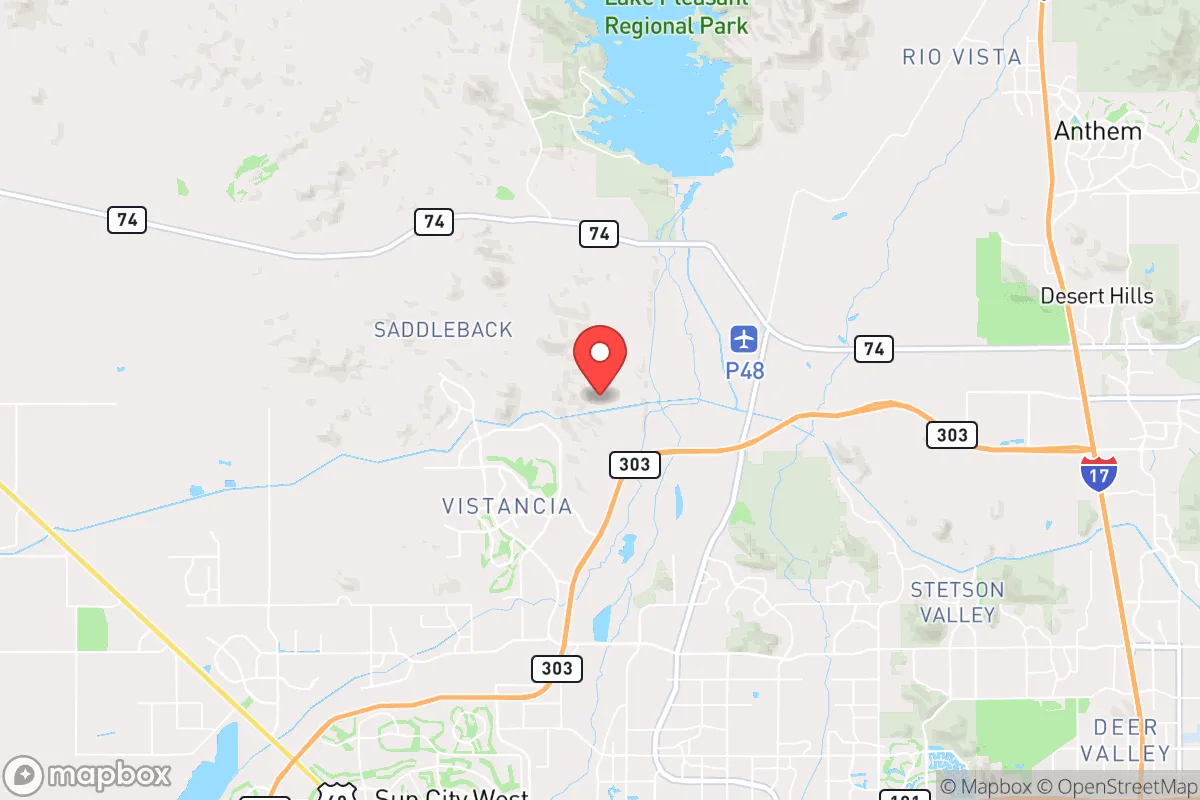
Photo: Wikipedia
Quality of Life in Peoria, AZ
A high quality of life with strong walkability, manageable living costs, healthy neighborhood signals, and solid amenity access.
What does Quality of Life tell us?
Quality of Life blends cost of living, nearby amenities, socioeconomic signals, and neighborhood character. City-level scores represent the whole municipality; individual neighborhoods can differ.
What does this tell us?
Quality of Life blends cost of living, nearby amenities, socioeconomic signals, and neighborhood character. City-level scores represent the whole municipality; individual neighborhoods can differ.
Cost of Living
51% above national average
The Real Cost of Living in Peoria, AZ for 2026
| Tier | Individual | Family (4) |
|---|---|---|
| Survival | $28k | $52k |
| Comfortable | $83k | $123k |
| Luxury | $154k+ | $239k+ |
| Elite (Top 5%) | $182k+ | $282k+ |
76%
The Area Signal
A metric tracking the socioeconomic signals of the area.
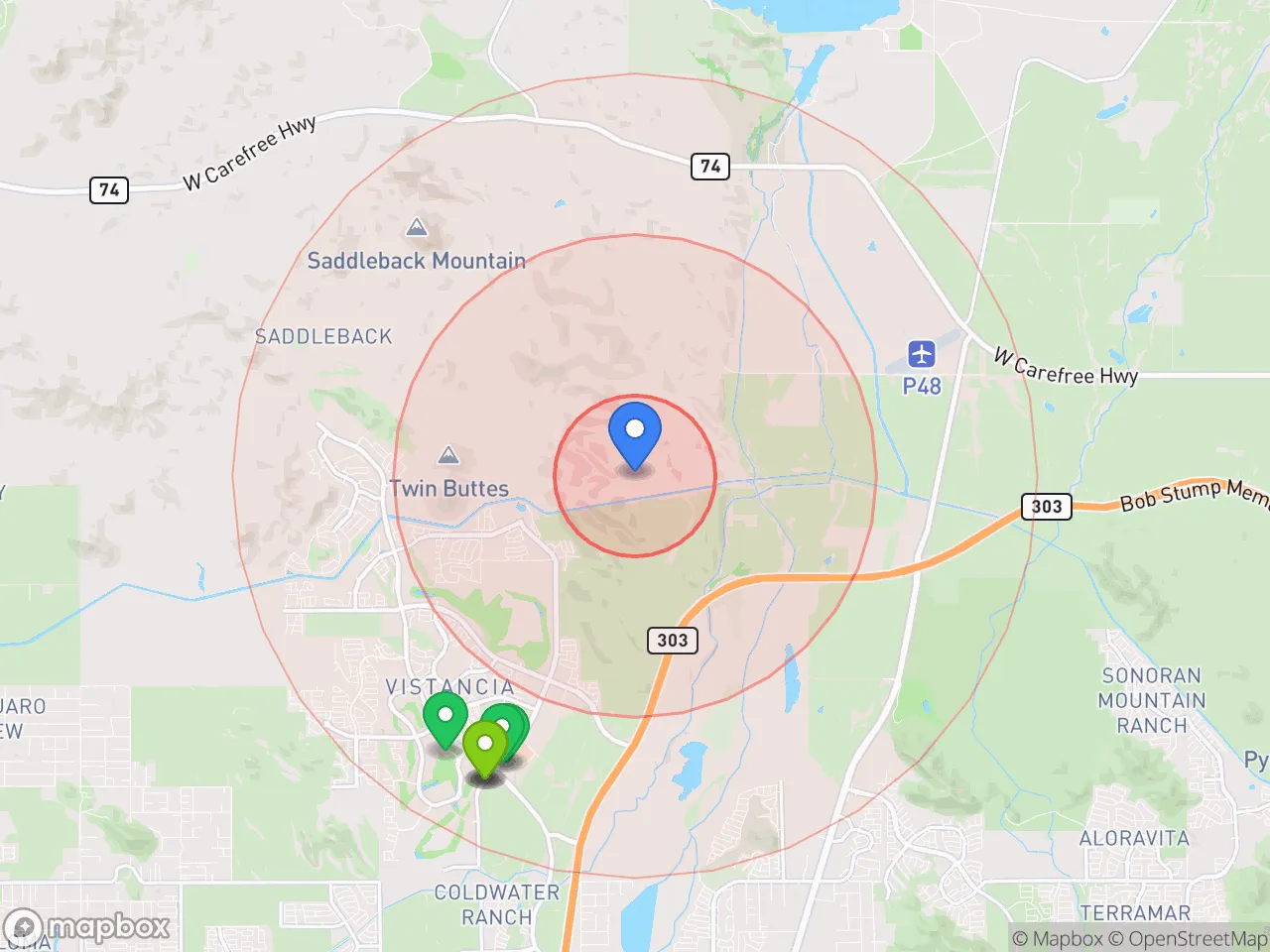
Hobbies
Explore the areaGroceries
6 within 10 miles
Gas
20 within 10 miles
Hospital
20 within 20 miles
Airport
PHX — Phoenix Sky Harbor International
Post Office
USPS — Sun City West, AZ
Critical Amenities
Quality-of-Life Analysis
Peoria, Arizona, presents a distinctly affluent quality of life shaped by its position as a master-planned, family-oriented suburb in the northwest Phoenix metro. With a cost of living index of 151—well above the national average of 100—the city attracts established professionals, growing families, and retirees who prioritize newer housing stock, low crime rates, and access to the Lake Pleasant recreation area over urban density. The typical resident is a homeowner in a single-family home, commuting to employment hubs in Phoenix, Glendale, or Scottsdale, and values the trade-off of higher housing costs for a quieter, amenity-rich suburban environment.
Cost of living, housing affordability, and how Peoria compares to nearby suburbs
Peoria’s housing market is the primary driver of its above-average cost of living, though it remains more affordable than the priciest Phoenix suburbs like Paradise Valley or Scottsdale. The median home value sits at $429,400, while the median rent is $1,743 per month—both figures that are roughly 10–15% lower than comparable master-planned communities in the East Valley such as Gilbert or Chandler. For buyers, this means a typical 3-bedroom home in Peoria costs about $50,000 less than a similar property in Scottsdale, though still significantly above the national median. The average one-way commute of 28.5 minutes is slightly longer than the Maricopa County average, reflecting the city’s position as a bedroom community where many residents drive west on the Loop 101 or north on Lake Pleasant Parkway to reach jobs in Phoenix’s central corridor. Property taxes in Peoria are moderate for Arizona, with an effective rate around 0.6% of assessed value, and no city-level income tax helps offset the higher housing costs for working households.
What daily life is like for families: schools, parks, and local amenities
Daily life in Peoria revolves around its extensive network of parks, highly rated public schools, and the recreational anchor of Lake Pleasant Regional Park. The Peoria Unified School District serves most of the city and includes several A-rated schools, such as Liberty High School and Peoria High School, which consistently rank among the top in the West Valley for academic performance and extracurricular offerings. The city maintains over 40 parks, with the 200-acre Pioneer Community Park and the 50-acre Rio Vista Community Park providing sports fields, splash pads, and walking trails that are heavily used by families on weekends. Retail and dining are concentrated along the Bell Road and Lake Pleasant Parkway corridors, anchored by Park West, a large outdoor shopping center with a movie theater, grocery stores, and chain restaurants. For outdoor recreation, residents have direct access to Lake Pleasant’s boating, fishing, and hiking, as well as the nearby White Tank Mountain Regional Park for desert trails. The rhythm of life is car-dependent but predictable: school drop-offs, commutes on the 101, and weekend trips to the lake or to professional sports venues in Glendale, home of the Arizona Cardinals and the Phoenix Coyotes.
Peoria is best suited for families and retirees who prioritize space, safety, and outdoor recreation over urban nightlife or walkability. The city’s higher cost of living is a deliberate choice for newer homes, good schools, and proximity to Lake Pleasant, making it a strong fit for those who can absorb the housing premium and value a suburban lifestyle with easy access to Phoenix’s job market. Singles and young professionals may find the social scene limited compared to downtown Phoenix or Tempe, but for anyone seeking a quiet, well-maintained community with strong school options and year-round outdoor activities, Peoria delivers a consistently high quality of life.

Crime in Peoria, AZ
Generally safer than 68% of comparable U.S. locations.
Violent CrimeViolent Crime Analysis
Property CrimeProperty Crime Analysis
Crime Analysis
Peoria, Arizona, reports a violent crime rate of 247.1 incidents per 100,000 residents and a property crime rate of 1,057.1 per 100,000, placing it in a middle tier for safety among Phoenix metro suburbs. While these figures are below the national average for property crime, the violent crime rate is a concern, particularly given the broader Maricopa County context where progressive prosecutorial policies in Phoenix and surrounding jurisdictions have been linked to reduced incarceration rates and increased recidivism. Residents should weigh these statistics against the city’s rapid growth and its proximity to areas with more lenient justice system approaches.
Crime in context
Peoria’s violent crime rate of 247.1 per 100,000 is roughly 30% lower than the national average of about 370 per 100,000, but it is significantly higher than the safest Arizona suburbs like Gilbert or Chandler. Property crime at 1,057.1 per 100,000 is about 15% below the national average of roughly 1,200 per 100,000. However, these numbers must be viewed through the lens of Maricopa County’s criminal justice environment. The county’s elected district attorney and several municipal judges have adopted progressive policies—including reduced cash bail, diversion programs for repeat offenders, and sentencing guidelines that prioritize rehabilitation over detention. Critics argue these policies have directly contributed to a revolving-door effect, where property criminals and some violent offenders are released quickly, undermining public safety and victim justice. Peoria, while not the epicenter of these policies, is part of the same metro area and experiences spillover from nearby cities with softer approaches.
What residents experience
Daily life in Peoria involves a noticeable contrast between newer, master-planned communities and older neighborhoods. Residents in areas like Vistancia and Lake Pleasant often report feeling safe, with low instances of street crime, while those near the historic downtown or along the Grand Avenue corridor encounter more property theft and occasional vehicle break-ins. The city’s police department maintains a visible presence, but progressive bail reforms in Maricopa County mean that even arrested suspects often return to the streets within hours, a fact that frustrates many homeowners. For families, the primary concern is not violent stranger crime but rather property crimes like package theft and garage burglaries, which are exacerbated by the region’s transient population and the justice system’s reluctance to hold repeat offenders accountable.
Neighborhood-level variation is significant. The safest pockets are the gated communities in the far northern sections near Lake Pleasant, where violent crime is nearly nonexistent. In contrast, areas south of Bell Road and east of the Loop 303 freeway see higher rates of theft and vandalism. Prospective residents should prioritize neighborhoods with active homeowners’ associations and private security patrols, as these have been shown to deter crime more effectively than reliance on the county’s overburdened and ideologically driven justice system. Overall, Peoria offers a moderate safety profile, but the metro area’s progressive judicial trends warrant caution for those seeking a truly low-crime environment.
* Values derived from national, state, county, city and local statistics and may differ in a specific area. Last updated: 2026-05-02T09:08:40.000Z
Narrative content on this page is AI-generated and may contain mistakes. Verify any details that matter before acting on them.
ReloMaps may earn a commission from affiliate links at no extra cost to you.

