Photo: Wikipedia
Personal Sovereignty in Utah
Viable for self-reliance. Generally workable, though some barriers may limit total independence.
What does Personal Sovereignty tell us?
Personal Sovereignty measures your capacity for self-reliance and independence with minimal government friction. Higher scores mean fewer barriers between you and the way you want to live... but it assumes you have the space you need and good neighbors.
What does this tell us?
Personal Sovereignty measures your capacity for self-reliance and independence with minimal government friction. Higher scores mean fewer barriers between you and the way you want to live... but it assumes you have the space you need and good neighbors.
State Policy
Energy independence: Self-sufficient (80% of energy produced in-state)
Personal Liberty
Homesteading

Personal Liberty Analysis
Utah offers one of the strongest environments for personal sovereignty in the Intermountain West, combining a state-level constitutional commitment to individual liberty with a cultural ethos of self-reliance that predates the modern administrative state. The state’s political leadership has consistently pushed back against federal overreach, particularly on land use, public health mandates, and Second Amendment protections, creating a legal climate where residents in places like St. George, Spanish Fork, and Price enjoy significantly more autonomy than counterparts in coastal or even some neighboring Rocky Mountain states. For the prepper or survivalist-minded individual, Utah’s combination of low regulatory density, permissive gun laws, and accessible rural land makes it a serious contender for those seeking to minimize government entanglement in daily life. However, the sovereignty picture is not uniform—the Wasatch Front’s urban corridor, particularly Salt Lake City and Park City, leans more interventionist on local ordinances, while the rural counties and smaller towns remain bastions of hands-off governance.
Tax burden and regulatory posture: how Utah compares to surrounding states
Utah’s tax structure is among the most favorable in the nation for individuals seeking to keep more of their earnings and reduce state-level interference. The state levies a flat individual income tax rate of 4.65% (as of 2025), with no progressive brackets that penalize higher earners or small business owners. Property taxes are moderate, with effective rates around 0.57% of assessed value—lower than Texas or Nebraska—and the state imposes no inheritance or estate tax, a critical consideration for those building generational wealth. On the regulatory front, Utah has a right-to-work law, meaning no one can be forced to join a union as a condition of employment, and the state’s occupational licensing requirements are among the least burdensome in the country, according to the Institute for Justice. This matters for the self-employed prepper who might want to operate a mobile welding rig, a home-based firearms training business, or a small-scale food preservation operation without navigating a maze of permits. The regulatory posture is distinctly different in Utah County (home to Provo and Orem), where county commissioners actively court small-scale manufacturing and home-based enterprises, versus Summit County (Park City), where environmental and land-use regulations are tighter and more costly. For the sovereignty-minded, the rule of thumb is clear: the further you get from the ski resorts and the state capitol, the lighter the regulatory touch.
Self-defense and gun law specifics: constitutional carry and castle doctrine
Utah is a constitutional carry state, meaning any law-abiding adult 21 or older can carry a concealed firearm without a permit—no training requirement, no background check beyond the purchase point, and no government permission slip. This is a foundational sovereignty issue for the prepper community, and Utah’s laws are among the most protective in the nation. The state also has a strong castle doctrine with no duty to retreat, both inside the home and in any place where a person has a legal right to be. Stand-your-ground protections apply, and the use of deadly force is presumed justified if an intruder has unlawfully and forcibly entered a dwelling or occupied vehicle. Magazine capacity bans do not exist, and there is no state-level registry for firearms or ammunition. Local preemption laws prevent cities like Salt Lake City from enacting their own stricter ordinances—though the city has tried, and court battles continue. For those living in Moab or Cedar City, the sheriff’s offices are generally pro-Second Amendment and issue concealed carry permits (still useful for reciprocity in other states) with minimal friction. The only notable restriction is that open carry is legal without a permit, but private businesses can ban firearms on their premises—a point to consider when choosing where to shop or work. Overall, Utah’s gun laws rank in the top five nationally for individual liberty, and the cultural acceptance of armed self-defense is high even in suburban areas.
Self-reliance and homesteading viability: lot sizes, zoning, and off-grid feasibility
For the homesteader or off-grid prepper, Utah presents a mixed but promising landscape. The key variable is water rights and county zoning. In San Juan County (Blanding, Monticello) and Kane County (Kanab), land is relatively cheap—often under $2,000 per acre—and county zoning is minimal. You can purchase a 5- to 40-acre parcel, build a dwelling without a county-mandated inspection in some unincorporated areas, and set up solar panels, rainwater catchment, and composting toilets without a fight. However, Utah is the second-driest state in the nation, and water rights are adjudicated through a prior appropriation system. You cannot simply dig a well on your land; you must apply for a water right, and in many basins, new appropriations are fully allocated. This is the single biggest barrier to true off-grid living. In Tooele County (west of Salt Lake), lot sizes of 1 to 5 acres are common, and the county is more permissive with alternative housing like shipping containers, yurts, and RVs as primary residences—but water is scarce and expensive to truck in. Cache County (Logan area) has more water availability and fertile soil, but zoning is stricter, and minimum lot sizes in agricultural zones are typically 20 acres. For the serious prepper looking to raise livestock, store bulk supplies, and operate independently, the rural counties south of I-70 (Garfield, Wayne, Piute) offer the best combination of low regulation, affordable land, and relative isolation. Just be prepared to haul water or invest heavily in a permitted well.
Personal liberties: parental rights, medical autonomy, speech, and property
Utah has become a national leader in protecting parental rights, with a 2023 law (HB 261) that restricts public schools from using a student’s preferred pronouns or names without parental consent, and prohibits instruction on sexual orientation and gender identity in K-3 classrooms. For parents concerned about government or institutional interference in family decisions, this is a significant sovereignty win. Medical autonomy is more nuanced: Utah did not impose broad COVID-19 vaccine mandates on private employees, and the legislature passed laws prohibiting discrimination based on vaccination status. However, the state has not gone as far as Montana or Idaho in banning all vaccine mandates outright. On speech, Utah has no hate speech laws that criminalize political or religious expression, and the state’s constitution explicitly protects the right to keep and bear arms as an individual right. Property rights are robust, with strong eminent domain protections—the state cannot take land for private economic development, a safeguard that matters for those holding rural acreage. The Utah Supreme Court has also ruled that counties cannot use zoning to effectively ban short-term rentals on private property, a win for property owners in tourist areas like Zion National Park gateway communities. The one area where personal sovereignty is weaker is in the urban Wasatch Front, where homeowners associations (HOAs) govern a large percentage of subdivisions, imposing restrictions on everything from vehicle storage to garden size. For the prepper, avoiding HOA-controlled neighborhoods is essential, and that means targeting unincorporated county land or towns like Nephi or Delta where HOAs are rare.
In the broader national context, Utah ranks among the top states for personal sovereignty, particularly for those who prioritize gun rights, parental control, and low taxes. It is not a libertarian free-for-all—the state’s dominant religious culture does influence alcohol laws and Sunday business closures in some areas, and the water rights system imposes real constraints on self-sufficiency. But compared to California, Oregon, Colorado’s Front Range, or even parts of Arizona, Utah offers a legal and cultural environment where a determined individual can live largely free from government intrusion. The key is choosing the right county: stick to the rural south and west, avoid the HOA-heavy suburbs of Salt Lake and Utah counties, and secure your water rights before you buy. For the survivalist or conservative strategist evaluating relocation options, Utah deserves serious consideration—not as a perfect refuge, but as one of the few states where the legal framework still assumes you are sovereign over your own life.

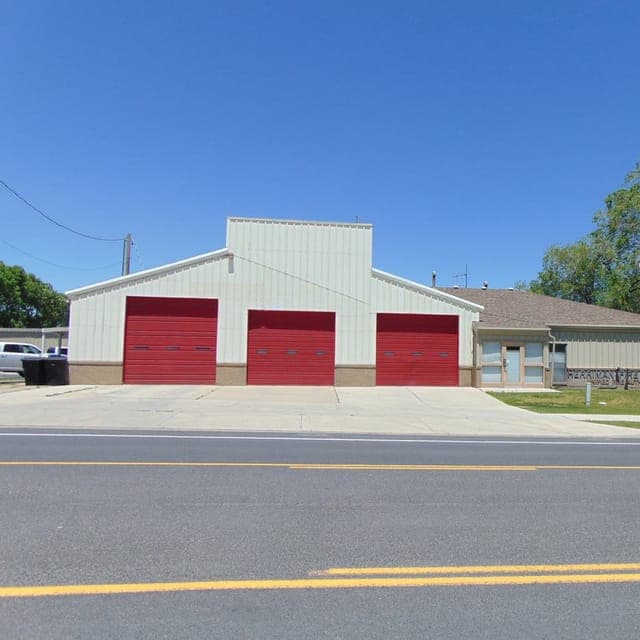
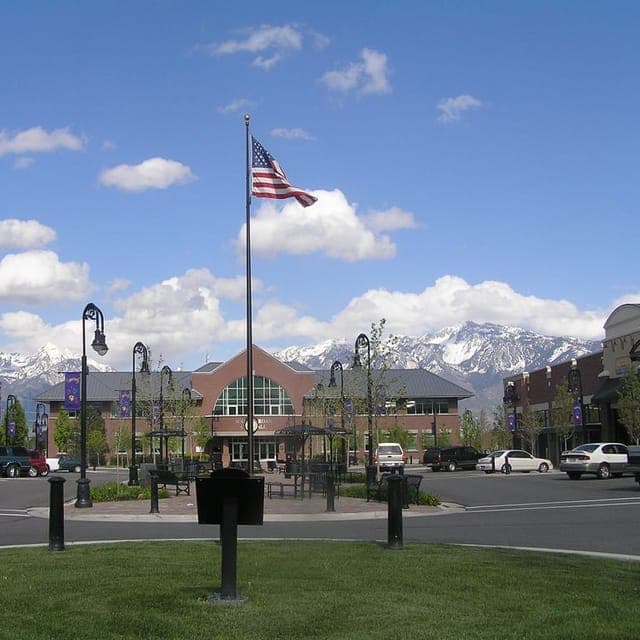
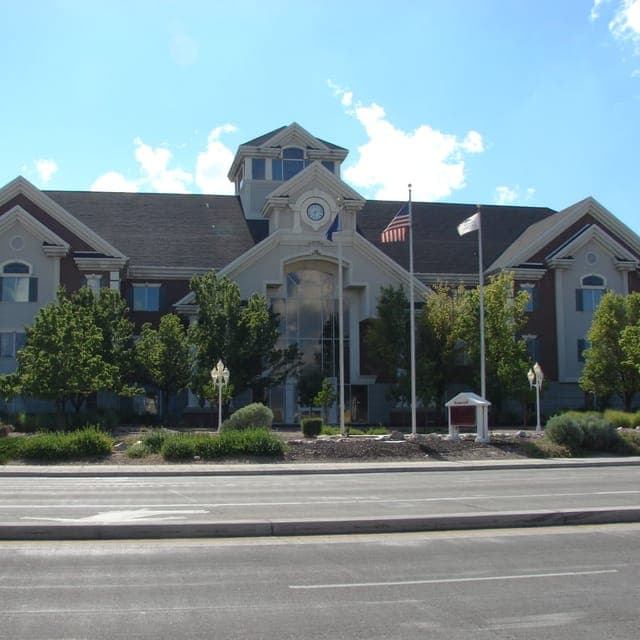
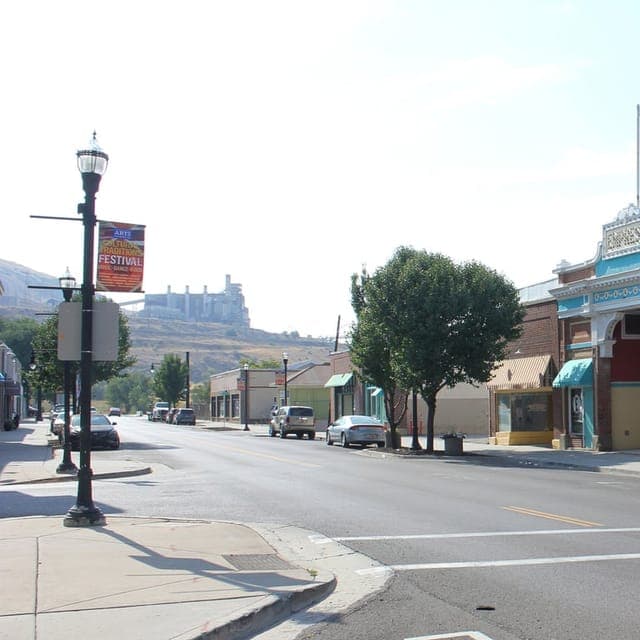
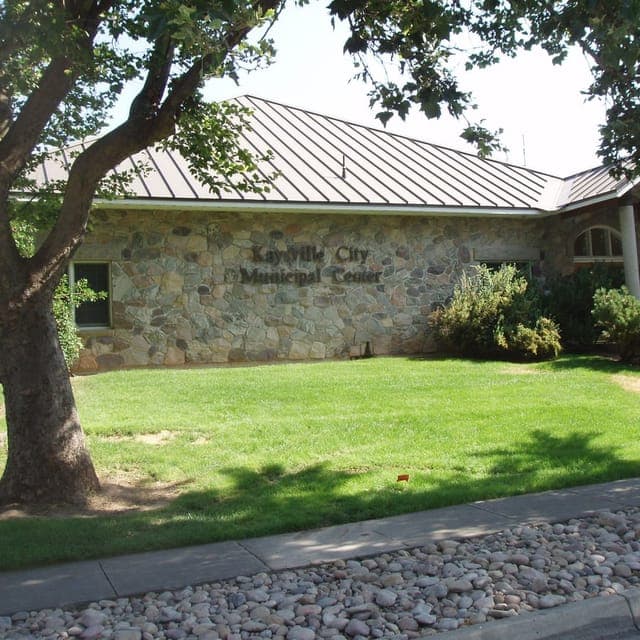
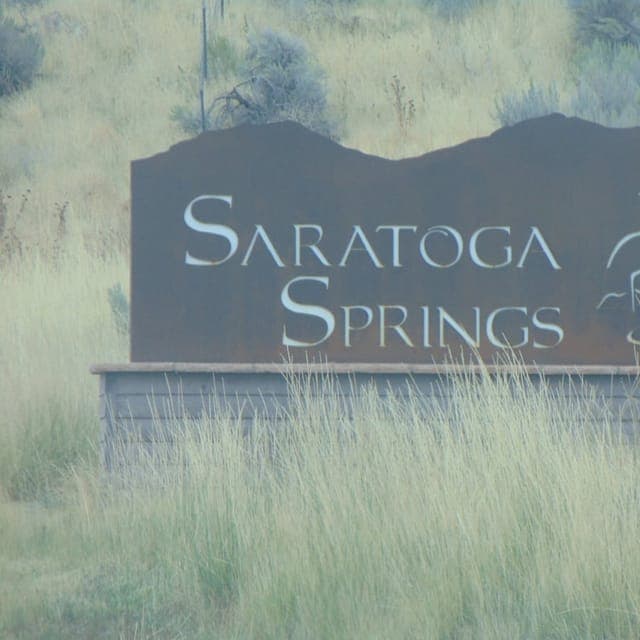
Top Cities for Personal Sovereignty in Utah
* Values derived from national, state, county, city and local statistics and may differ in a specific area. Last updated: 2026-04-14T06:21:26.000Z
Narrative content on this page is AI-generated and may contain mistakes. Verify any details that matter before acting on them.
ReloMaps may earn a commission from affiliate links at no extra cost to you.

