Personal Sovereignty in Washington
Viable for self-reliance. Generally workable, though some barriers may limit total independence.
What does Personal Sovereignty tell us?
Personal Sovereignty measures your capacity for self-reliance and independence with minimal government friction. Higher scores mean fewer barriers between you and the way you want to live... but it assumes you have the space you need and good neighbors.
What does this tell us?
Personal Sovereignty measures your capacity for self-reliance and independence with minimal government friction. Higher scores mean fewer barriers between you and the way you want to live... but it assumes you have the space you need and good neighbors.
State Policy
Energy independence: Importer (55% of energy produced in-state)
Personal Liberty
Homesteading

Personal Liberty Analysis
Washington State presents a deeply divided landscape for personal sovereignty, where the regulatory environment in the urbanized Puget Sound corridor stands in stark contrast to the more permissive, self-reliant culture found east of the Cascade Range and in many rural counties. A relocation analysis reveals that while the state government in Olympia has enacted some of the nation's most restrictive laws on firearms, taxation, and land use, the practical experience of autonomy varies dramatically depending on whether you settle in King County or in communities like Colville, Spokane Valley, or the Okanogan region. For the freedom-minded individual or family, the key is understanding that Washington is not a monolith—your personal sovereignty will be shaped more by your chosen county and city than by the state as a whole.
Tax burden and regulatory posture across Washington's regions
Washington's tax structure is a mixed bag for those prioritizing financial autonomy. The state has no personal income tax, which is a significant advantage for high earners and business owners, but it compensates with the second-highest state sales tax in the nation (combined state and local rates can exceed 10.5% in cities like Seattle and Tacoma). Property taxes are moderate but vary widely by county; for example, Spokane County's effective property tax rate of roughly 0.87% is notably lower than King County's 0.93% average, and rural counties like Ferry or Stevens can be even more favorable. The regulatory posture is heavily bifurcated: the state's Growth Management Act imposes strict land-use planning on all counties, but its enforcement is far more aggressive in the western third of the state. In practice, a homeowner in Yakima or Walla Walla faces far fewer permitting hurdles and lower fees than a counterpart in Snohomish County. The state's business regulatory climate is ranked near the bottom nationally by organizations like the Small Business & Entrepreneurship Council, largely due to stringent environmental and labor laws that apply statewide, though rural counties often lack the staffing to enforce them aggressively.
Self-defense rights and Washington's evolving gun laws
Washington's firearm landscape has shifted dramatically in recent years, making it a critical consideration for sovereignty-minded relocators. The state now requires universal background checks on all firearm sales, including private transactions, and mandates a 10-day waiting period for all firearm purchases. In 2023, the legislature passed a ban on certain semi-automatic firearms (often referred to as "assault weapons") and large-capacity magazines, though these laws face ongoing legal challenges. The state also has a "red flag" law (Extreme Risk Protection Order) that allows courts to temporarily confiscate firearms from individuals deemed a risk. However, enforcement and local sentiment vary enormously: Spokane County has been declared a "Second Amendment Sanctuary" by its commissioners, and many sheriffs in eastern Washington—including those in Stevens, Pend Oreille, and Okanogan counties—have publicly stated they will not enforce certain state gun restrictions. For concealed carry, Washington is a "shall issue" state, but the process now requires an in-person application and proof of training. The practical takeaway: if self-defense is a priority, settling in a rural eastern county with a supportive sheriff's office provides a far more permissive environment than living in King or Pierce County.
Self-reliance and homesteading viability: lot sizes, zoning, and off-grid feasibility
Washington offers substantial opportunities for homesteading and off-grid living, but only in specific areas. The state's Growth Management Act (GMA) requires counties to designate urban growth areas, which concentrate development and restrict rural subdivisions. However, outside those boundaries, many counties allow minimum lot sizes of 5 to 20 acres for rural residential use. In Ferry County and parts of Okanogan County, it is still possible to find raw land for under $2,000 per acre, and county zoning codes are generally permissive regarding accessory structures, workshops, and small-scale agriculture. Off-grid living is legally feasible in most unincorporated areas east of the Cascades, though you must comply with state building codes for permanent dwellings. Rainwater collection is legal statewide (with a permit for larger systems), and solar power is viable in the eastern regions that receive over 300 days of sun annually. The western side of the state, particularly in Whatcom, Skagit, and Snohomish counties, has more restrictive well-drilling regulations and stricter septic system requirements, making off-grid setups more expensive and bureaucratically challenging. For the serious homesteader, the Colville area in Stevens County and the Methow Valley in Okanogan County are frequently cited as the most accommodating jurisdictions for self-reliant living.
Personal liberties: parental rights, medical autonomy, speech, and property
Washington's stance on personal liberties is complex and often contradictory. On parental rights, the state has some of the strongest vaccine exemption laws in the country (personal and philosophical exemptions for school children are permitted), but it also mandates comprehensive sex education in public schools and allows minors to consent to certain medical treatments without parental notification. Medical autonomy is constrained by the state's tightly regulated cannabis market (recreational use is legal but home cultivation is limited to six plants per household) and by the fact that ivermectin and hydroxychloroquine prescriptions for off-label use are heavily restricted by state medical board guidance. Free speech protections are robust in public forums, but the state's workplace harassment laws and social media platform liability statutes create a more regulated environment than in states like Idaho or Montana. Property rights are the area of greatest concern: Washington's State Environmental Policy Act (SEPA) can be weaponized by neighbors to delay or block development projects, and the state's shoreline management and critical areas ordinances impose significant restrictions on landowners near water or wetlands. In practice, a property owner in rural Stevens County has far more latitude to build, log, or develop than one in King County, where environmental review processes can add years and tens of thousands of dollars to a simple home renovation.
Overall, Washington's personal sovereignty environment is best described as a state of internal tension: the western urban corridor trends toward collectivist, regulatory-heavy governance, while the eastern and central regions maintain a culture of self-reliance and limited government. For the freedom-oriented relocator, the smartest strategy is to target counties east of the Cascades—particularly Stevens, Ferry, Okanogan, and Lincoln counties—where local officials actively resist state overreach and where the practical experience of autonomy is far closer to that of Idaho or Montana than to Seattle. The trade-off is access to amenities and economic opportunity, but for those prioritizing personal sovereignty above all else, Washington's rural eastern half remains one of the more viable options in the Pacific Northwest.

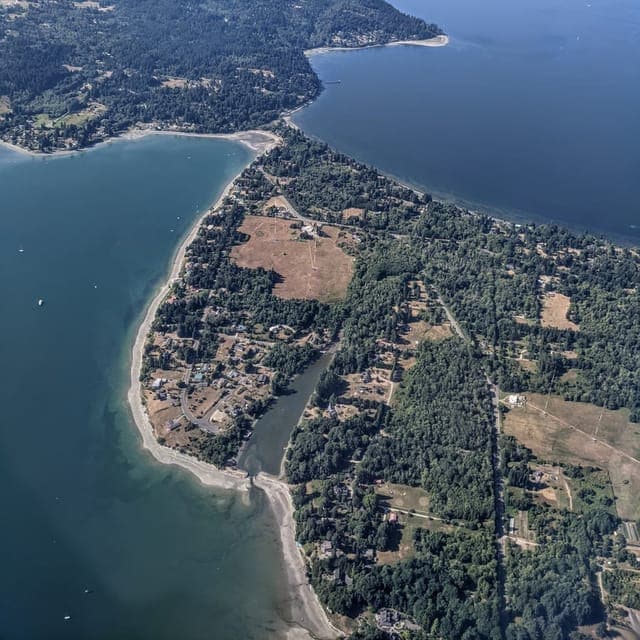
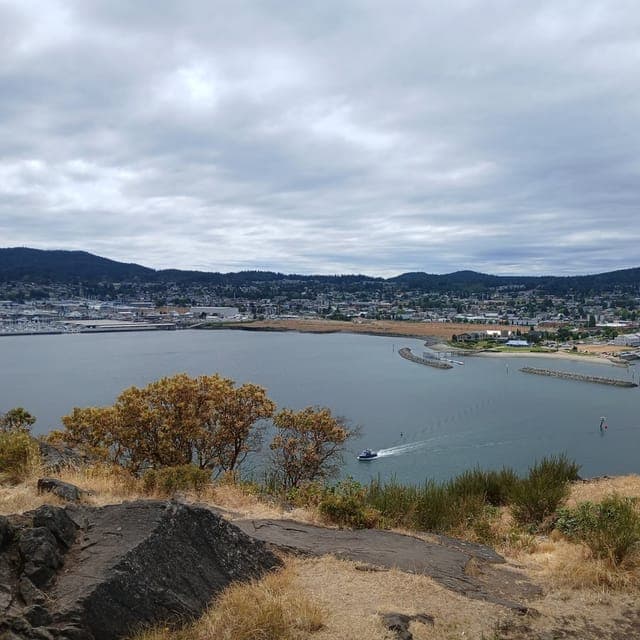
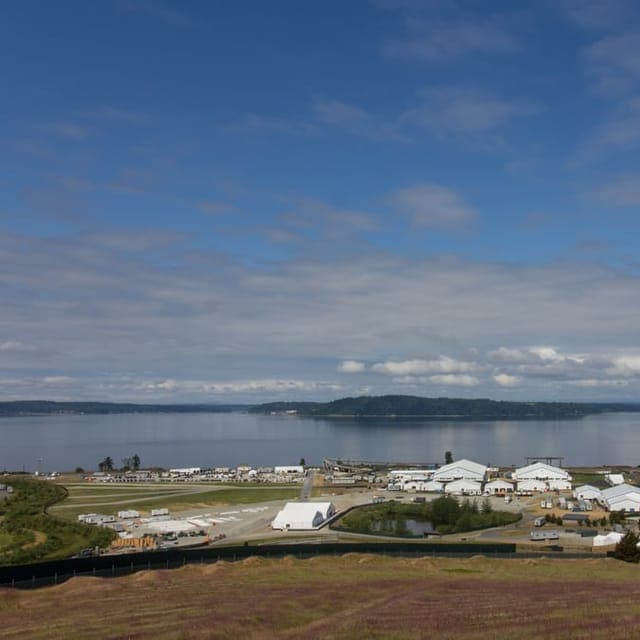
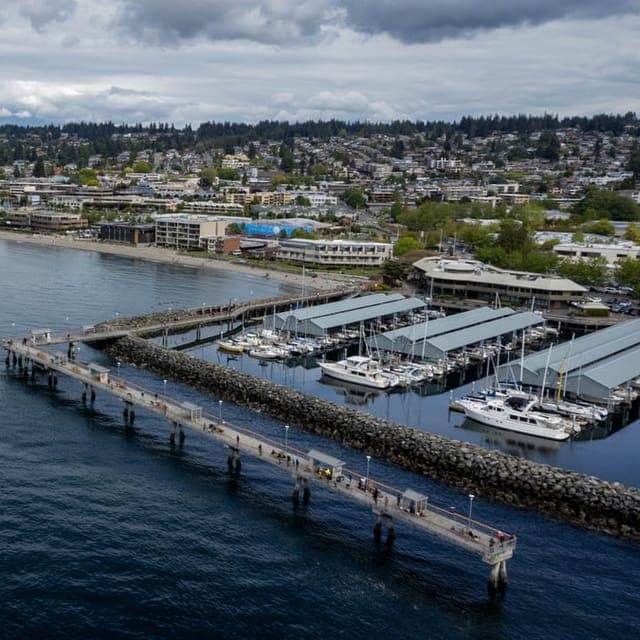
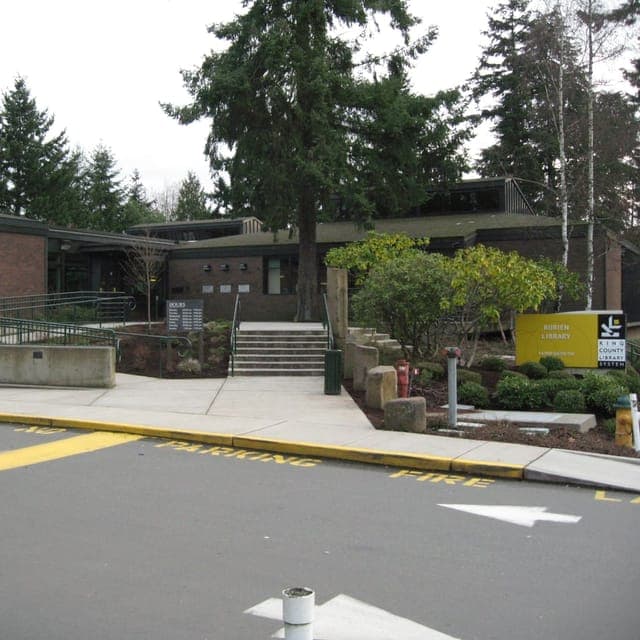
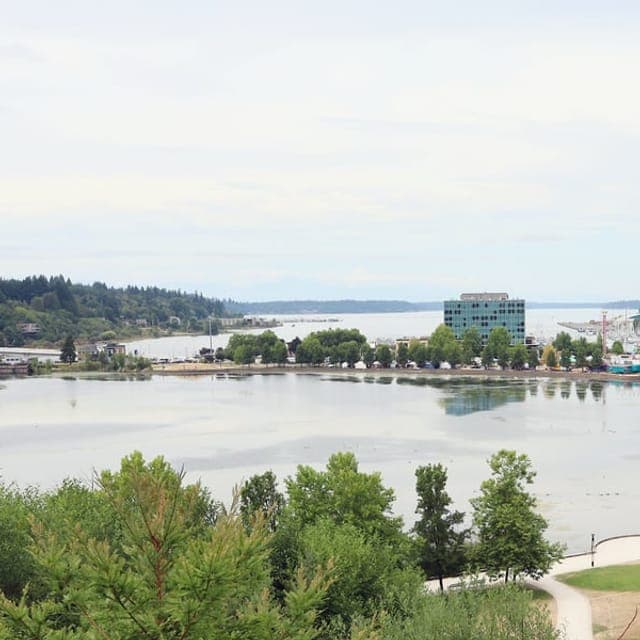
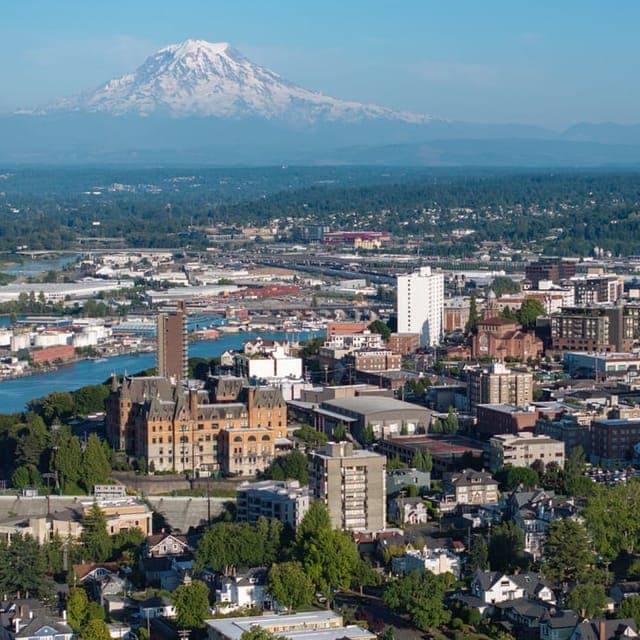
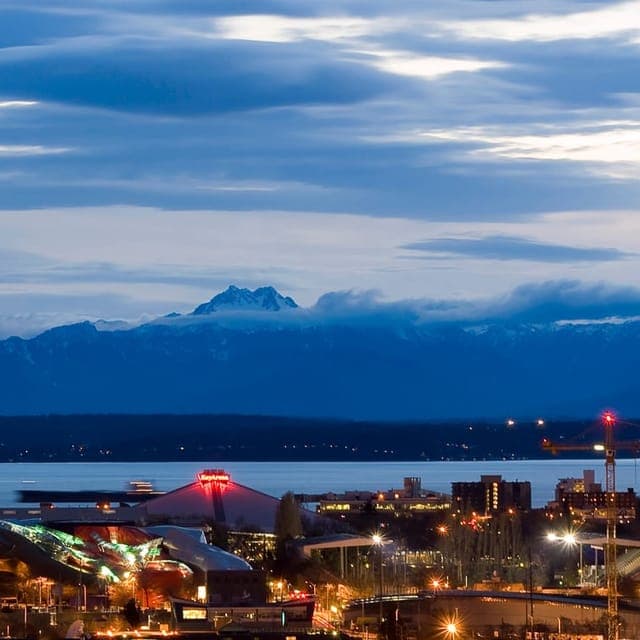
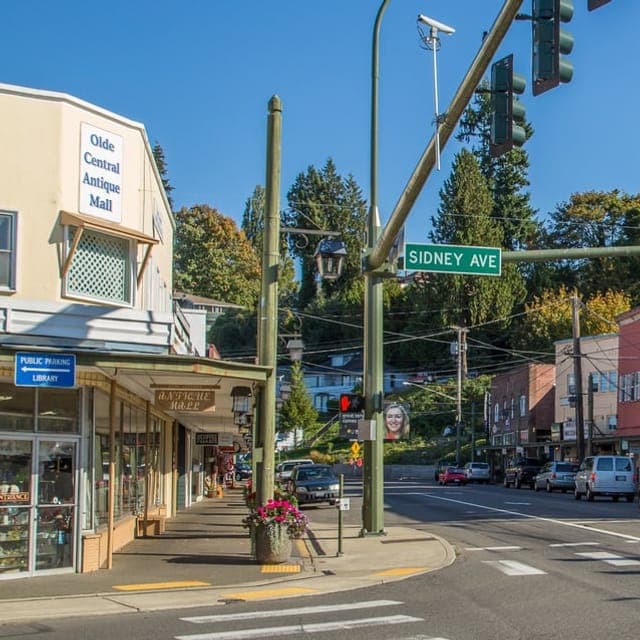
Top Cities for Personal Sovereignty in Washington
* Values derived from national, state, county, city and local statistics and may differ in a specific area. Last updated: 2026-10-13T19:43:46.000Z
Narrative content on this page is AI-generated and may contain mistakes. Verify any details that matter before acting on them.
ReloMaps may earn a commission from affiliate links at no extra cost to you.

