Political ClimatePolitical Climate in Benbrook, TX
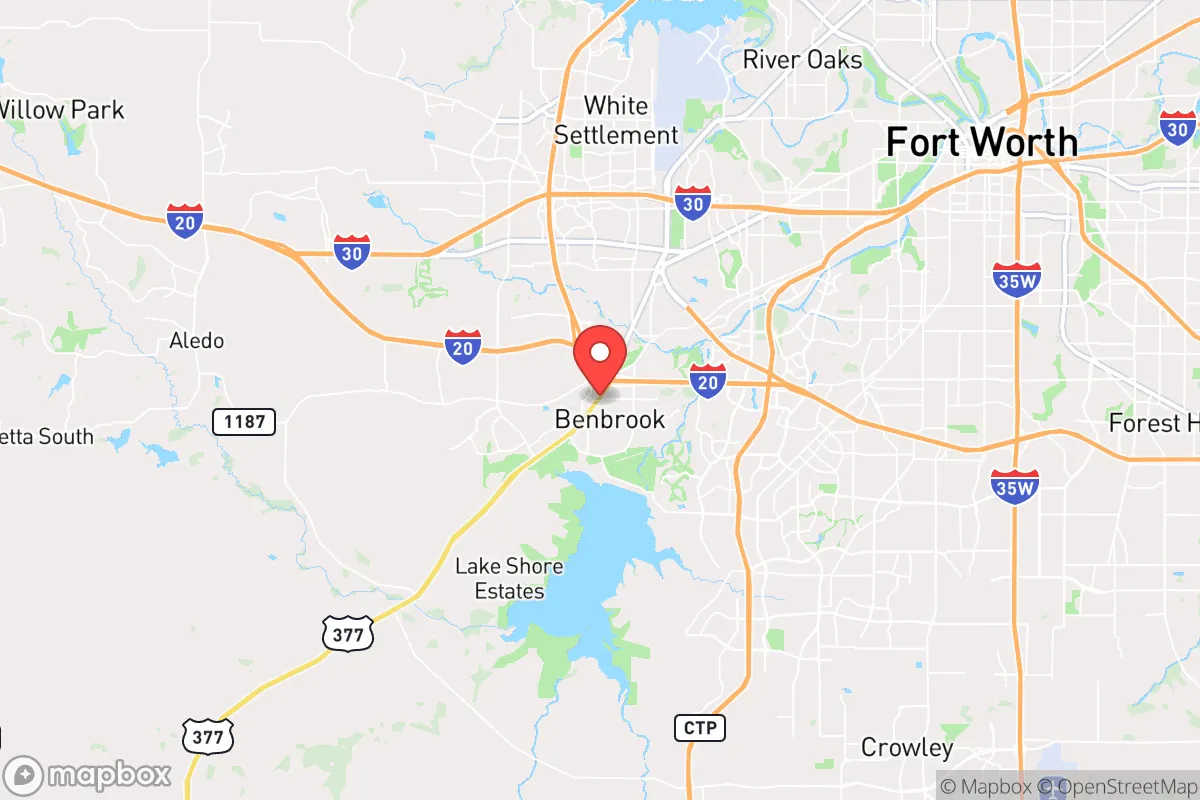
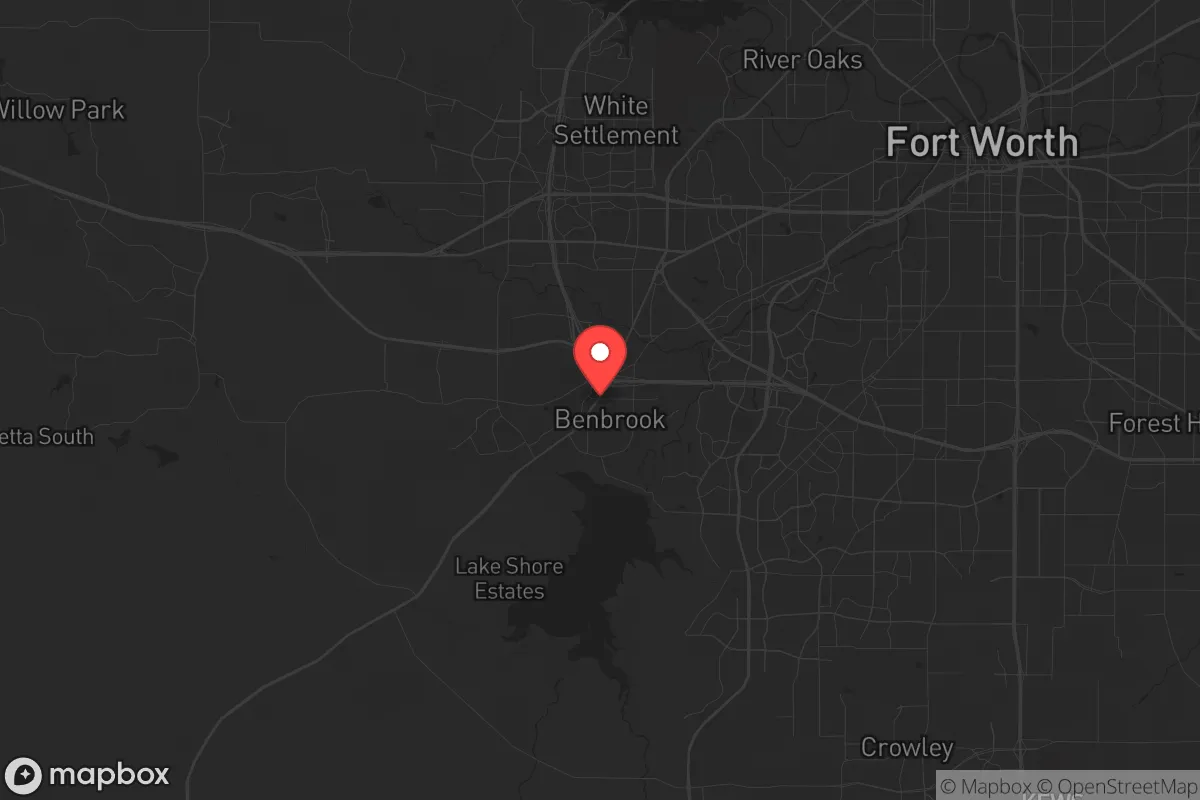
District shown is the primary district for this city’s centroid. Cities may span multiple districts.
Local Political AnalysisPolitical Analysis of Benbrook, TX
Benbrook has long been a solidly conservative community, and that hasn’t changed much despite the rapid growth all around the Fort Worth metroplex. The Cook PVI of R+11 tells you the basics—this is a district where Republicans hold a comfortable, but not overwhelming, edge. But if you’ve lived here for a while, you know the real story is more about the *kind* of conservative this town is. It’s not the fire-breathing, protest-everything kind; it’s more the “leave us alone, keep the taxes low, and don’t mess with our schools” variety. The trajectory, though, is worth watching. As more folks move out from Tarrant County’s core—especially from areas like southwest Fort Worth and even some spillover from progressive-leaning Arlington—you’re seeing a slow, subtle shift. The old guard of ranchers and small business owners is still here, but new subdivisions are bringing in families who might lean right on economics but are softer on social issues. That’s the quiet tension in Benbrook right now.
How it compares
Drive ten minutes east into Fort Worth proper, and you’ll hit precincts that are reliably blue—especially around the cultural district and near TCU. That’s a stark contrast. Benbrook feels like a different world, and that’s by design for a lot of folks who chose it. To the south, Crowley and Burleson are also conservative, but they’re more “country” conservative—think bigger trucks, more churches, and a stronger rural streak. Benbrook is more suburban conservative: newer homes, better schools, and a higher concentration of professionals who commute into Fort Worth but want to come home to a place where the city council isn’t pushing bike lanes and density bonuses. The biggest contrast, though, is with the western suburbs like Aledo and Weatherford. Those areas are deep red, R+20 or more, and they wear it on their sleeve. Benbrook is more reserved—conservative, but not in-your-face about it. That’s part of its appeal.
What this means for residents
For the average family here, the political climate translates into a pretty hands-off local government. Property taxes are a constant gripe—Texas is Texas—but you don’t see the kind of overreach that makes you feel like the city is meddling in your backyard. The school board, for instance, has stayed focused on academics and safety, not on pushing progressive curriculum changes or DEI initiatives. That’s a big deal for parents. You also don’t have the same pressure to conform to a certain cultural vibe that you’d get in, say, a more liberal enclave like Oak Cliff or Denton. If you want to fly a flag, put up a political sign, or just keep to yourself, nobody bothers you. The downside? If you’re hoping for a more diverse or dynamic social scene, you won’t find it here. Benbrook is safe, predictable, and stable—which is exactly what most residents want, but it can feel a bit insulated if you’re used to a city with more energy.
One cultural distinction worth noting: Benbrook has a strong sense of local identity that pushes back against the “big city” politics of Fort Worth. You see it in the way the city handles development—slower, more deliberate, with a preference for keeping things small and local rather than inviting in national chains or high-density apartments. There’s also a quiet but real resistance to any talk of regional transit authorities or county-wide zoning changes that could dilute local control. The long-term concern among folks I talk to is that as the metroplex grows, the pressure to “modernize” will increase. If that means more government programs, more regulations on housing or businesses, or a shift toward progressive social policies in the schools, you’ll see a real backlash. For now, Benbrook remains a place where you can still raise a family without feeling like the government is breathing down your neck. But keep an eye on the next few city council elections—that’s where the real fight will be.

State Political ClimatePolitical Climate in Texas
State Political AnalysisPolitical Environment in the State
Texas remains a solidly Republican state, but the margin has tightened noticeably over the past decade. In 2024, Donald Trump carried Texas by roughly 5.5 points, down from 9 points in 2020 and 16 points in 2012. The dominant coalition is still anchored by rural and exurban voters, along with a growing base of Hispanic conservatives in the Rio Grande Valley and suburbanites in places like Collin County and Fort Bend County. However, the explosive growth of deep-blue metros like Austin, Dallas, and Houston has shifted the statewide needle leftward, making Texas a battleground in slow motion.
Urban vs. rural divide
The political map of Texas is a study in stark contrasts. The major urban centers — Austin (Travis County), Dallas (Dallas County), Houston (Harris County), San Antonio (Bexar County), and El Paso (El Paso County) — vote reliably Democratic, often by 20-40 point margins. Austin, in particular, has become a progressive stronghold, with Travis County delivering a +44-point margin for Biden in 2020. Meanwhile, the vast rural and exurban stretches — the Panhandle around Lubbock, the Piney Woods near Tyler, and the Hill Country around Fredericksburg — vote Republican by 30-50 points. The real political action is in the fast-growing suburbs. Places like Frisco and McKinney in Collin County, once reliably red, are now trending purple as young families and remote workers from blue states move in. Conversely, the Rio Grande Valley, anchored by McAllen and Brownsville, has shifted rightward — Hidalgo County flipped from +40-point Democratic in 2012 to just +15 in 2024, driven by conservative Hispanic voters on economic and cultural issues.
Policy environment
Texas’s policy environment is defined by a low-tax, low-regulation posture that appeals to conservatives. There is no state income tax, and property taxes are high but capped by Proposition 2 (2023), which raised the homestead exemption to $100,000. The regulatory climate is business-friendly, with no state-level minimum wage above the federal $7.25 and a right-to-work law that weakens union power. On education, the state has expanded school choice through the Texas Education Savings Account program (2023), allowing families to use public funds for private or homeschool expenses. Healthcare remains a flashpoint: Texas has not expanded Medicaid under the ACA, leaving roughly 1.5 million uninsured, but the state has banned abortion after six weeks (SB 8, 2021) and restricted gender-transition procedures for minors (SB 14, 2023). Election laws tightened with SB 1 (2021), which limited drive-through voting, restricted mail-in ballot access, and empowered partisan poll watchers. For a conservative, this is largely a friendly environment — but the lack of Medicaid expansion and rising property taxes are persistent concerns.
Trajectory & freedom
On balance, Texas has moved more free on several fronts over the past five years, but with notable exceptions. The state expanded gun rights with permitless carry (HB 1927, 2021), allowing most adults to carry a handgun without a license. Parental rights were strengthened with the "Parental Bill of Rights" (HB 900, 2023), which requires school libraries to restrict "sexually explicit" materials and gives parents more oversight of curricula. Medical autonomy took a hit with the near-total abortion ban, but the state also protected doctors who refuse to perform gender-transition procedures. On property rights, Texas passed a law (SB 147, 2023) restricting foreign ownership of land near military bases — a move popular with conservatives worried about Chinese influence. The biggest red flag for freedom-minded residents is the growing use of state power to enforce ideological conformity in the private sector: the state has threatened to pull business licenses from banks that "discriminate" against gun companies or energy firms (HB 20, 2021). That cuts both ways — it protects conservative businesses but signals that the state is willing to pick winners and losers.
Civil unrest & political movements
Texas has seen its share of political flashpoints. The 2020 Black Lives Matter protests in Austin, Dallas, and Houston were large and occasionally violent, leading to property damage and a lasting distrust of local law enforcement in some circles. On the right, the "Texas Nationalist Movement" has gained visibility, pushing for a referendum on secession — though it remains a fringe idea with no serious legislative traction. Immigration politics are a constant: Governor Abbott’s Operation Lone Star (2021) deployed state troopers and National Guard to the border, bused migrants to sanctuary cities like New York and Chicago, and installed razor wire along the Rio Grande. This has created a visible, ongoing confrontation with the Biden administration and has energized conservative voters. Election integrity remains a hot-button issue: after the 2020 election, Attorney General Ken Paxton launched multiple investigations into alleged voter fraud, though few convictions resulted. A new resident will notice the heavy police presence in border towns like Eagle Pass and the political signage along highways — it’s a state where politics is never far from the surface.
Projection
Over the next 5-10 years, Texas is likely to continue its slow drift toward competitiveness, but it will not become a blue state anytime soon. The key demographic driver is in-migration: roughly 1,000 people move to Texas each day, many from California and New York. These newcomers tend to be moderate-to-liberal on social issues but are often drawn by the economic freedom and low taxes. If they vote like their home states, they will push the suburbs left. However, the state’s Republican legislature is likely to continue gerrymandering and passing voting restrictions to offset this trend. The Rio Grande Valley’s rightward shift could accelerate, potentially flipping a few congressional seats red. The biggest wildcard is the state’s power grid: after the 2021 winter storm (Uri) and the 2023 heat wave, reliability concerns could become a political liability for the GOP. A new resident moving in now should expect a state that remains conservative on fiscal and cultural issues, but where the political temperature will keep rising — and where the fight over the soul of Texas will only intensify.
For a conservative relocating to Texas, the bottom line is this: you’ll find a state that largely respects your right to live as you see fit, with low taxes, strong gun rights, and a government that pushes back on federal overreach. But the cultural and political landscape is shifting under your feet. If you’re moving to a red suburb like Keller or Southlake, you’ll feel at home. If you land in a purple exurb like Georgetown or New Braunfels, expect to see your neighbors’ politics change over the next decade. The freedom Texas offers is real — but it’s not guaranteed. Staying engaged locally is the price of keeping it.
* Values derived from national, state, county, city and local statistics and may differ in a specific area. Last updated: 2026-04-27T02:21:47.000Z
Narrative content on this page is AI-generated and may contain mistakes. Verify any details that matter before acting on them.
ReloMaps may earn a commission from affiliate links at no extra cost to you.

