Political ClimatePolitical Climate in Cornelius, NC
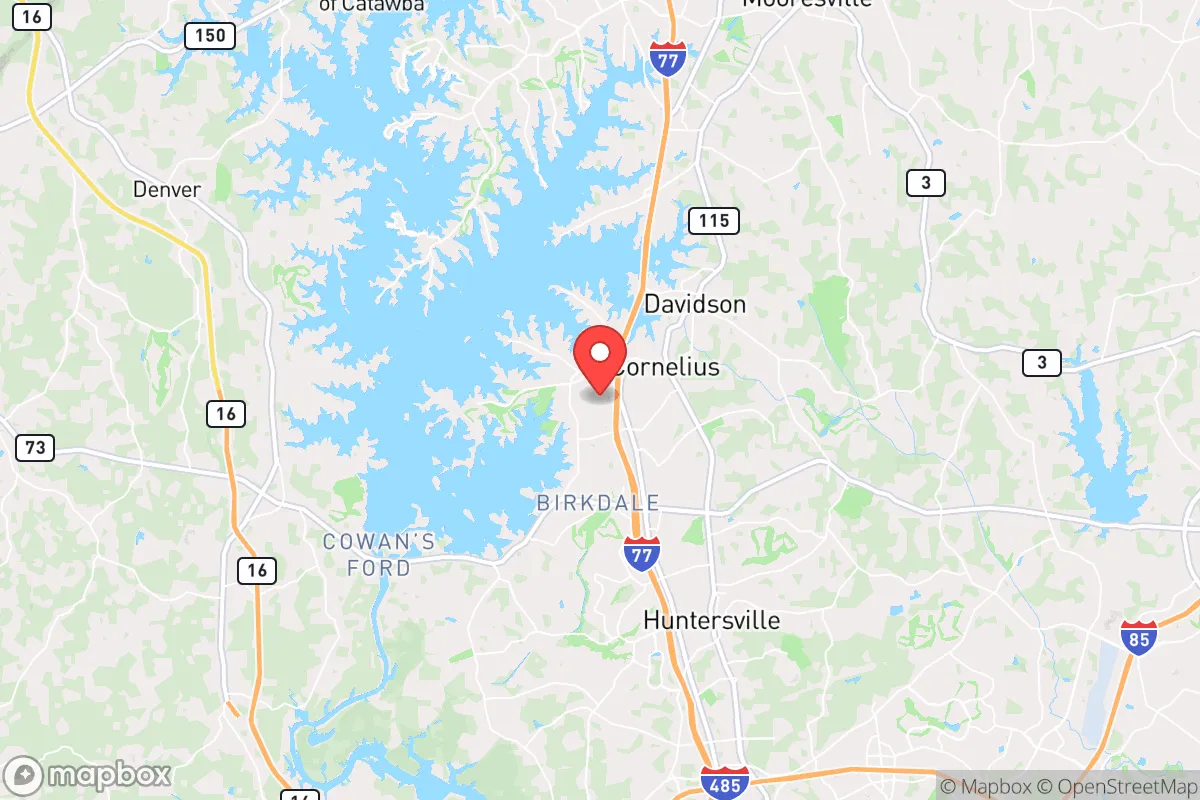
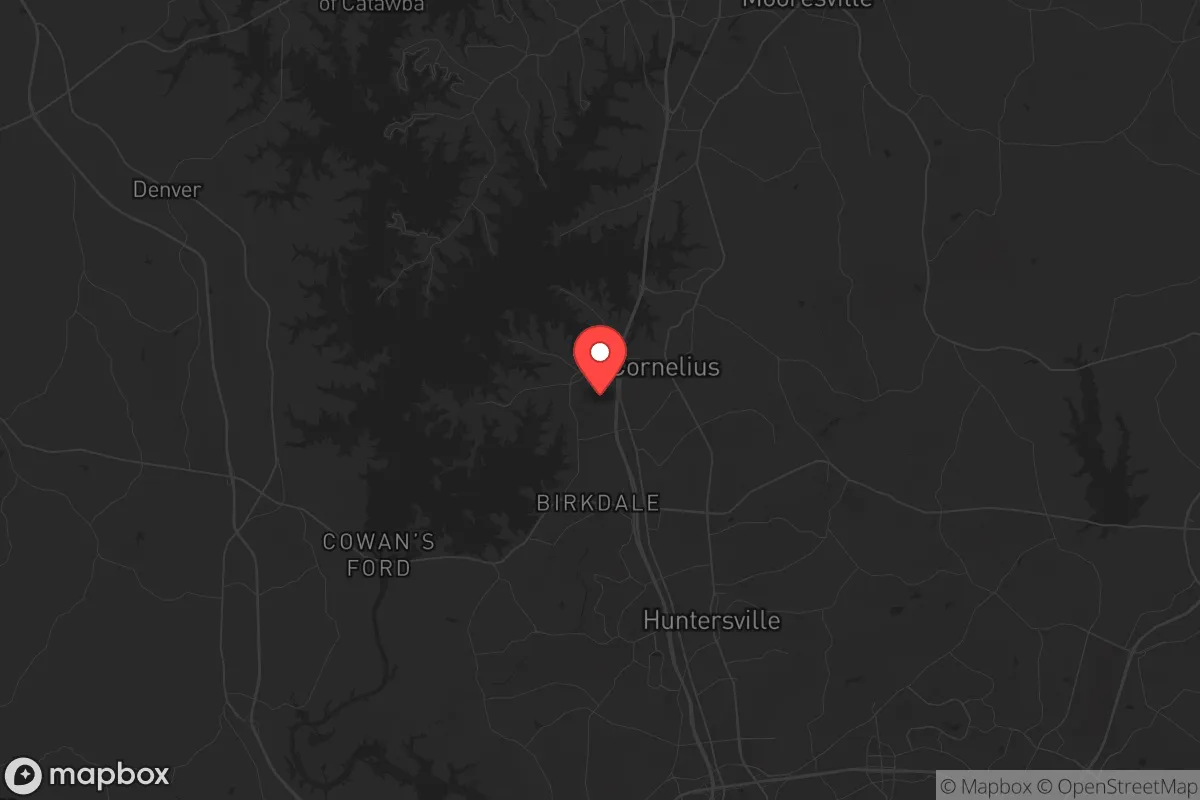
District shown is the primary district for this city’s centroid. Cities may span multiple districts.
Local Political AnalysisPolitical Analysis of Cornelius, NC
Cornelius, North Carolina, has long been a reliably conservative community, and that's still the case at the ballot box—the area carries a Cook PVI of R+8, meaning it votes about eight points more Republican than the national average. But if you've lived here as long as I have, you've seen the winds start to shift, especially as Charlotte's sprawl creeps further north up the I-77 corridor. The old-timers who remember when this was just a quiet lake town are starting to feel a little outnumbered by newcomers bringing big-city politics with them.
How it compares
Drive ten minutes south to Huntersville or Davidson, and you'll feel the difference immediately. Those towns have swung noticeably left in recent cycles, with Davidson in particular becoming a hub for progressive activism tied to the college crowd. Cornelius sits right in the middle, but it's holding the line better than its neighbors—for now. Head west toward Denver or Lincolnton, and you're back in deep-red territory where the R+8 here looks almost moderate by comparison. The contrast is stark: Cornelius still feels like a place where people wave from their trucks and leave their garage doors open, but the pressure to "modernize" is real, and it's coming from both the county commission and the state-level transplants who think they know what's best for us.
What this means for residents
For those of us who value personal freedom and limited government, the R+8 lean is a comfort, but it's not a guarantee. The biggest fights lately have been over land use and zoning—the county keeps trying to push higher-density developments and "smart growth" mandates that feel an awful lot like telling property owners what they can and can't do with their own land. School board meetings have gotten tense too, with a vocal minority pushing curriculum changes that would've been unthinkable a decade ago. The good news is that local elections are still competitive, and conservative candidates who run on a platform of keeping government out of your backyard and your classroom tend to win. But you have to show up. The progressive crowd is organized, well-funded, and they're not going away.
On the cultural side, Cornelius still has a strong sense of community rooted in church, family, and outdoor life on Lake Norman. You won't see the kind of performative activism you get in Charlotte proper—no street closures for protests, no city council grandstanding on national issues. Most folks here just want to be left alone to live their lives, raise their kids, and enjoy the lake without someone from the county telling them how many cars they can park in their driveway. That said, the long-term trajectory is concerning. As more people flee high taxes and overregulation in places like California and New York, they bring those same expectations with them. If we're not careful, Cornelius could end up looking a lot like Davidson in ten years—a nice place to visit, but not the free, independent community it used to be. For now, the R+8 gives us a buffer, but it's not a permanent shield. Stay informed, stay involved, and don't let them tell you that your way of life is outdated. It's not—it's what made this town worth living in.

State Political ClimatePolitical Climate in North Carolina
State Political AnalysisPolitical Environment in the State
North Carolina has long been considered a classic swing state, but over the last decade it has settled into a reliably Republican-leaning posture, particularly in federal elections. The state voted for Donald Trump in both 2016 and 2024, and while margins have been close—often within 1-3 points—the GOP has maintained control of the General Assembly since 2011 and the governorship flipped back to Democrat in 2024 with Josh Stein. The real story is a slow, steady rightward drift in the exurbs and rural areas, offset by explosive growth in the urban crescent, but the state's political center of gravity remains conservative, especially on fiscal and cultural issues.
Urban vs. rural divide
The political map of North Carolina is a tale of three regions. The urban crescent—Charlotte, Raleigh-Durham, Greensboro, and Winston-Salem—drives the Democratic vote, powered by transplants from the Northeast and West Coast, university populations, and a growing tech sector. Mecklenburg County (Charlotte) and Wake County (Raleigh) alone account for nearly a third of the state's Democratic votes. But outside that crescent, the state is deeply red. The rural east—places like Greenville, Jacksonville, and Fayetteville—vote Republican by wide margins, driven by military families, agriculture, and traditional values. The mountain counties west of Asheville are also reliably conservative, though Asheville itself is a progressive island. The key battlegrounds are the fast-growing exurbs like Johnston County (south of Raleigh) and Union County (southeast of Charlotte), which have flipped from purple to solid red as new residents seek lower taxes and less regulation. In 2024, Trump won Johnston County by 18 points, up from 12 in 2020.
Policy environment
North Carolina's policy environment is broadly conservative, with a few notable exceptions. The state has a flat income tax rate of 4.5%, which is scheduled to drop to 3.99% by 2027 under the 2021 tax reform package. There is no state tax on Social Security benefits, and the standard deduction is generous for retirees. The regulatory climate is business-friendly, with right-to-work laws and a low corporate tax rate of 2.5%. On education, the state has a robust school choice program, including Opportunity Scholarships that can be used for private school tuition, and a growing charter school sector. However, the state's Medicaid expansion, passed in 2023 under a bipartisan deal, was a significant departure from conservative orthodoxy—though it was paired with certificate-of-need reform and other market-oriented provisions. Election laws are moderately restrictive: voter ID is required, early voting is generous (17 days), and same-day registration is available during early voting. The state has not gone as far as Georgia or Texas on election integrity, but it has avoided the chaos of states like Pennsylvania.
Trajectory & freedom
On balance, North Carolina has been moving in a more freedom-oriented direction over the past five years, but the trend is uneven. The 2023 repeal of the pistol purchase permit system (a Jim Crow-era law) was a major win for gun rights, and the state now has permitless carry for concealed handguns. Parental rights were strengthened in 2023 with the Parents' Bill of Rights, which requires schools to notify parents about instructional materials involving sexuality and prohibits classroom instruction on gender identity in K-4. On medical freedom, the state has not gone as far as Florida or Texas—there is no ban on vaccine mandates for private employers, and COVID-era emergency powers were not permanently curtailed. Property rights are generally strong, with no state-level rent control and a relatively low property tax burden (average effective rate of 0.78%). However, the state's certificate-of-need laws remain a drag on healthcare freedom, limiting the supply of hospitals and clinics. The biggest concern for conservatives is the growing influence of the urban crescent, which is pushing for more progressive policies on zoning, energy, and social issues.
Civil unrest & political movements
North Carolina has seen its share of political flashpoints, but they have been less intense than in states like Oregon or Minnesota. The 2020 protests in Charlotte and Raleigh over George Floyd's death were large but mostly peaceful, with some property damage in Charlotte's South End. The state has a strong grassroots conservative movement, anchored by groups like the North Carolina Values Coalition and the John Locke Foundation, which have been effective at pushing school choice and tax reform. Immigration politics are relatively muted compared to border states, but there is a growing tension in rural areas over the influx of migrant labor in agriculture and construction. The state has no sanctuary cities, and Charlotte and Durham have both backed away from "sanctuary" designations after state legislation threatened funding. Election integrity remains a live issue: the 2020 and 2024 elections were closely contested, and the state's absentee ballot process was tightened in 2023. There is no serious secession or nullification movement, but the "Free the NC" sentiment is strong among rural conservatives who feel the urban crescent is culturally alien.
Projection
Over the next 5-10 years, North Carolina is likely to become more polarized, but the overall partisan lean will remain Republican-leaning, albeit narrowly. The key demographic trend is in-migration: the state is adding about 100,000 new residents per year, and while many are retirees from the Northeast (who tend to be moderate-to-conservative on taxes but liberal on social issues), the largest growth is in the Charlotte and Raleigh metros, which are attracting young professionals who lean left. However, the rural and exurban areas are also growing, and the state's legislative maps are drawn to favor rural representation. The wild card is the 2030 redistricting cycle: if Republicans hold the legislature, they can cement their advantage for another decade. For a conservative moving in now, the state will likely remain a safe harbor for lower taxes, school choice, and gun rights, but the cultural battle will intensify in the cities. The state is not going to become California or New York, but it may look more like Virginia—a purple state with a conservative-leaning legislature and a moderate-to-liberal governor.
For a new resident, the bottom line is this: North Carolina offers a strong conservative policy foundation—low taxes, school choice, gun rights, and a business-friendly climate—but you need to choose your county carefully. If you want a reliably conservative environment, look at the exurbs like Johnston County, Union County, or Cabarrus County. Avoid the urban cores of Charlotte and Raleigh if you want to avoid progressive local policies on zoning, policing, and education. The state is a good bet for the next decade, but the cultural drift in the cities is real, and it will require active engagement to keep the state on a conservative trajectory.
* Values derived from national, state, county, city and local statistics and may differ in a specific area. Last updated: 2026-04-24T12:50:28.000Z
Narrative content on this page is AI-generated and may contain mistakes. Verify any details that matter before acting on them.
ReloMaps may earn a commission from affiliate links at no extra cost to you.

