Photo: Wikipedia
Find The Best Places To Live
in Royal Kunia
PRO TIP! You can paste a Zillow or Redfin link to get info on that property.
What It's Like Living in Royal Kunia, HI
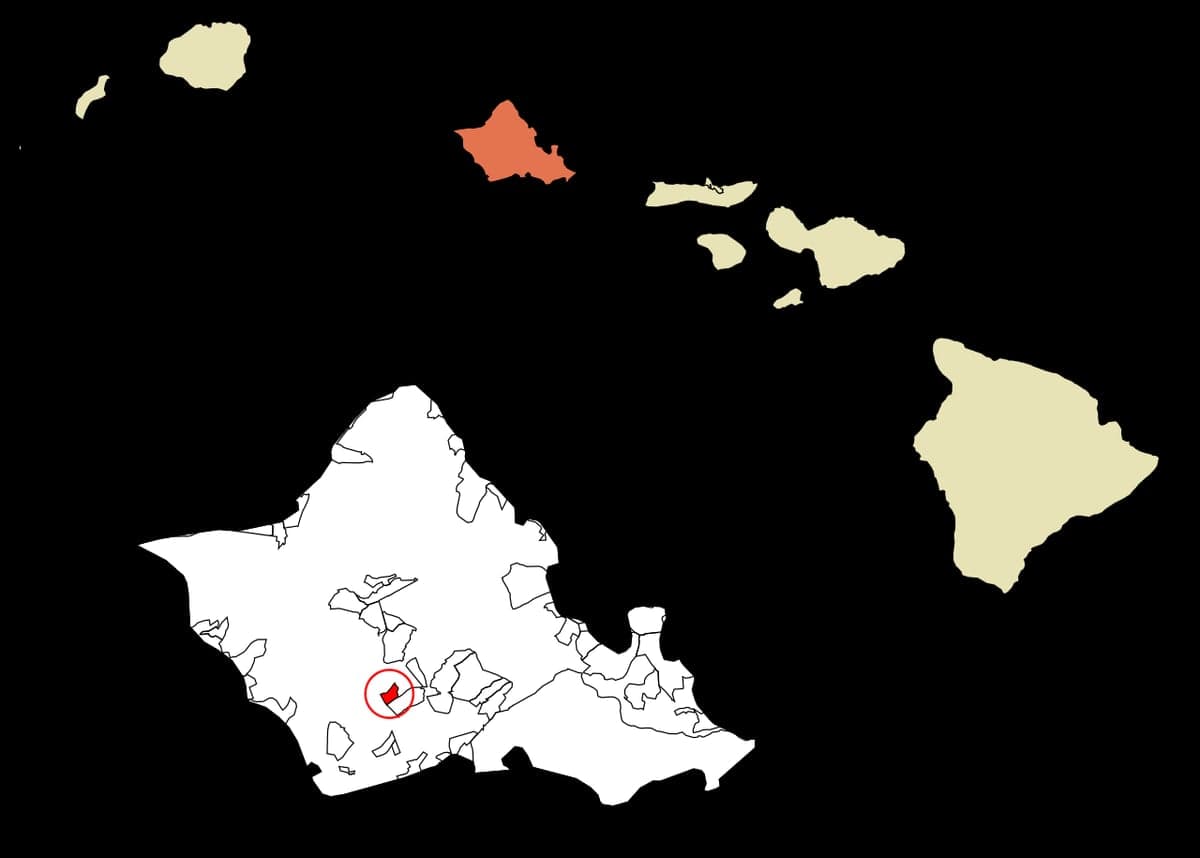
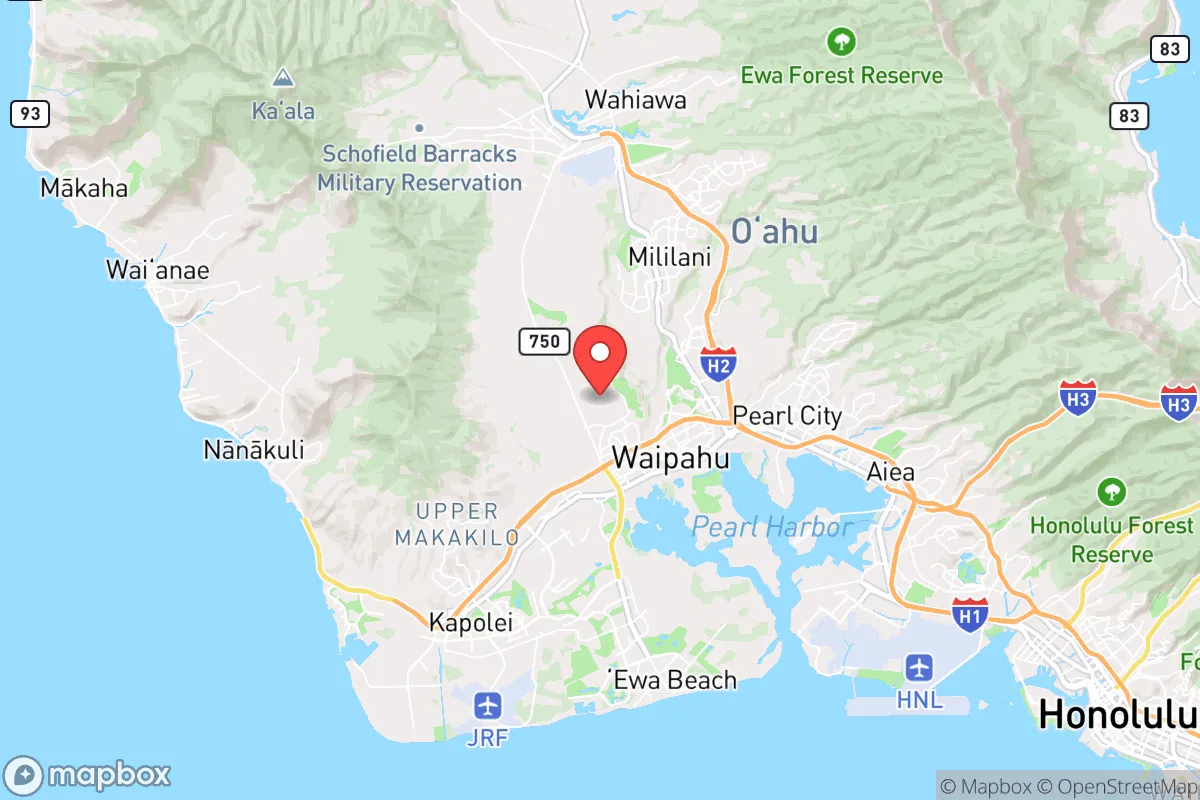
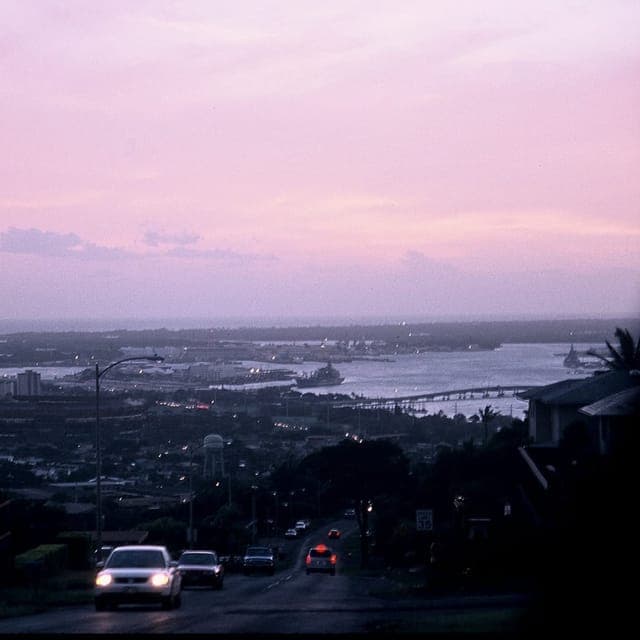
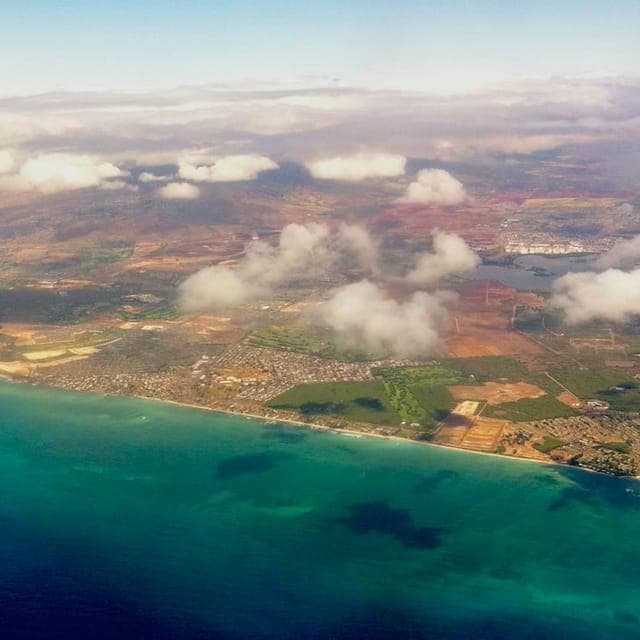
Royal Kunia feels like a quiet, well-kept secret tucked into the rolling hills of Central Oahu, a place where the trade winds keep things comfortable and the pace of life is noticeably slower than in Honolulu just 20 minutes away. It’s a community of about 13,687 residents, mostly families and established professionals, who chose this neighborhood for its relative calm, newer housing, and a sense of being removed from the tourist crush without being isolated from the island’s necessities.
The Daily Rhythm: A Commuter’s Haven with a Local Pulse
Life here revolves around the commute and the home. With an average commute of over 32 minutes—one of the longer ones on the island—most residents are heading out early to jobs in Honolulu, Pearl Harbor, or the Kapolei business district. The upside is that you’re trading a shorter drive for a quieter, more suburban home base. Weekends are for the local strip malls: the Kunia Shopping Center has a Foodland, a Zippy’s (a local diner chain that’s a cultural institution), and a few small eateries. You’ll see families grabbing plate lunches at L&L Hawaiian Barbecue or picking up poke bowls for a beach day. The median household income here is $133,579, which reflects the area’s appeal to dual-income professionals and military families who value space and newer construction over the historic charm of older Honolulu neighborhoods.
Sports, Schools, and Community Ties
High school sports are a genuine social anchor. The local public high school, Mililani High School, is a powerhouse in football and volleyball, and Friday night games draw big crowds of parents, alumni, and neighbors. The Trojans’ rivalry with Waipahu or Kapolei is a real event—expect packed bleachers and a lot of local pride. For younger kids, the Mililani-Waipio area has strong youth leagues in soccer and baseball. There’s no pro sports team on Oahu, but the University of Hawaii Rainbow Warriors football and basketball games are a 30-minute drive away, and you’ll see plenty of UH gear around town. The median age here is 43.6, so the community skews older and more settled than, say, the student-heavy neighborhoods near UH. That means fewer late-night bars and more weekend barbecues, school fundraisers, and quiet evenings.
What’s There to Do: Outdoor Life and Local Flavor
Entertainment is low-key and outdoorsy. The big draw is Kunia Country Farms, a sprawling agricultural area where you can pick your own strawberries in season, buy fresh local produce, and grab a famous pineapple smoothie. It’s a weekend ritual for many families. For hiking, the Kunia Trail offers a moderate climb with views of the Waianae Range and Pearl Harbor. The nearby Mililani Golf Club is a popular 18-hole course that’s affordable by island standards. When you want a night out, you’re driving to Kapolei or Waipahu for restaurants and bars—places like Miyama for Japanese or Elena’s for Filipino food are local favorites. The Waikele Premium Outlets are a 10-minute drive for shopping. There’s no major music venue in Royal Kunia itself, but the Blaisdell Center in Honolulu hosts concerts and shows, and the Hawaii Theatre in Chinatown is a 25-minute drive for something more intimate. The biggest annual event is the Mililani Town Festival in summer, with food booths, live music, and a carnival atmosphere that brings the whole area together.
Pros and Cons of Living Here
- Pro: Space and newer homes. The median home value is $833,000, which is high by mainland standards but actually competitive for Oahu. You get a single-family home with a yard, not a high-rise condo. Many houses were built in the 1990s and 2000s, so they’re more modern than central Honolulu’s aging stock.
- Pro: Lower crime than urban Honolulu. The violent crime rate is 200.2 per 100,000, which is below the national average and significantly lower than downtown or Waikiki. Residents feel safe walking at night and letting kids play outside.
- Con: The commute is real. That 32-minute average hides the fact that traffic on the H-1 and H-2 freeways can turn a 20-minute trip into 45 minutes during rush hour. You’ll learn to leave by 6:30 a.m. or wait until 9.
- Con: Cost of living is brutal. The cost of living index is 263—more than 2.5 times the national average. Groceries, gas, and utilities are all expensive. Even with a high median income, many families feel stretched.
- Con: Limited nightlife and dining. If you want a vibrant bar scene or diverse restaurants within walking distance, this isn’t the place. You’ll drive for most social activities.
Cultural Quirks and Practical Realities
One thing newcomers notice is the strong sense of local etiquette. People wave when passing on the street, and there’s an unspoken rule about not being loud or intrusive after dark. The weather is consistently warm—mid-80s year-round—with a rainy season from November to March that brings brief, heavy showers. Schools are a big community hub: Mililani Waena Elementary and Mililani Middle School have active PTAs and weekend sports events that draw families together. The area has a noticeable military presence due to nearby Schofield Barracks and Pearl Harbor, which adds a transient feel—some neighbors move every few years. But for those who stay, Royal Kunia offers a rare combination: a suburban, family-oriented lifestyle on an island where that’s increasingly hard to find. It’s not flashy, but it’s comfortable, safe, and deeply local in the best way.

Similar towns to Royal Kunia


* Values derived from national, state, county, city and local statistics and may differ in a specific area. Last updated: 2026-04-24T11:00:40.000Z
Narrative content on this page is AI-generated and may contain mistakes. Verify any details that matter before acting on them.
ReloMaps may earn a commission from affiliate links at no extra cost to you.

