Photo: Wikipedia
Quality of Life in Ewa Gentry, HI
A high quality of life with strong walkability, manageable living costs, healthy neighborhood signals, and solid amenity access.
What does Quality of Life tell us?
Quality of Life blends cost of living, nearby amenities, socioeconomic signals, and neighborhood character. City-level scores represent the whole municipality; individual neighborhoods can differ.
What does this tell us?
Quality of Life blends cost of living, nearby amenities, socioeconomic signals, and neighborhood character. City-level scores represent the whole municipality; individual neighborhoods can differ.
Cost of Living
139% above national average
The Real Cost of Living in Ewa Gentry, HI for 2026
| Tier | Individual | Family (4) |
|---|---|---|
| Survival | $38k | $71k |
| Comfortable | $106k | $156k |
| Luxury | $156k+ | $241k+ |
| Elite (Top 5%) | $183k+ | $284k+ |
84%
The Area Signal
A metric tracking the socioeconomic signals of the area.
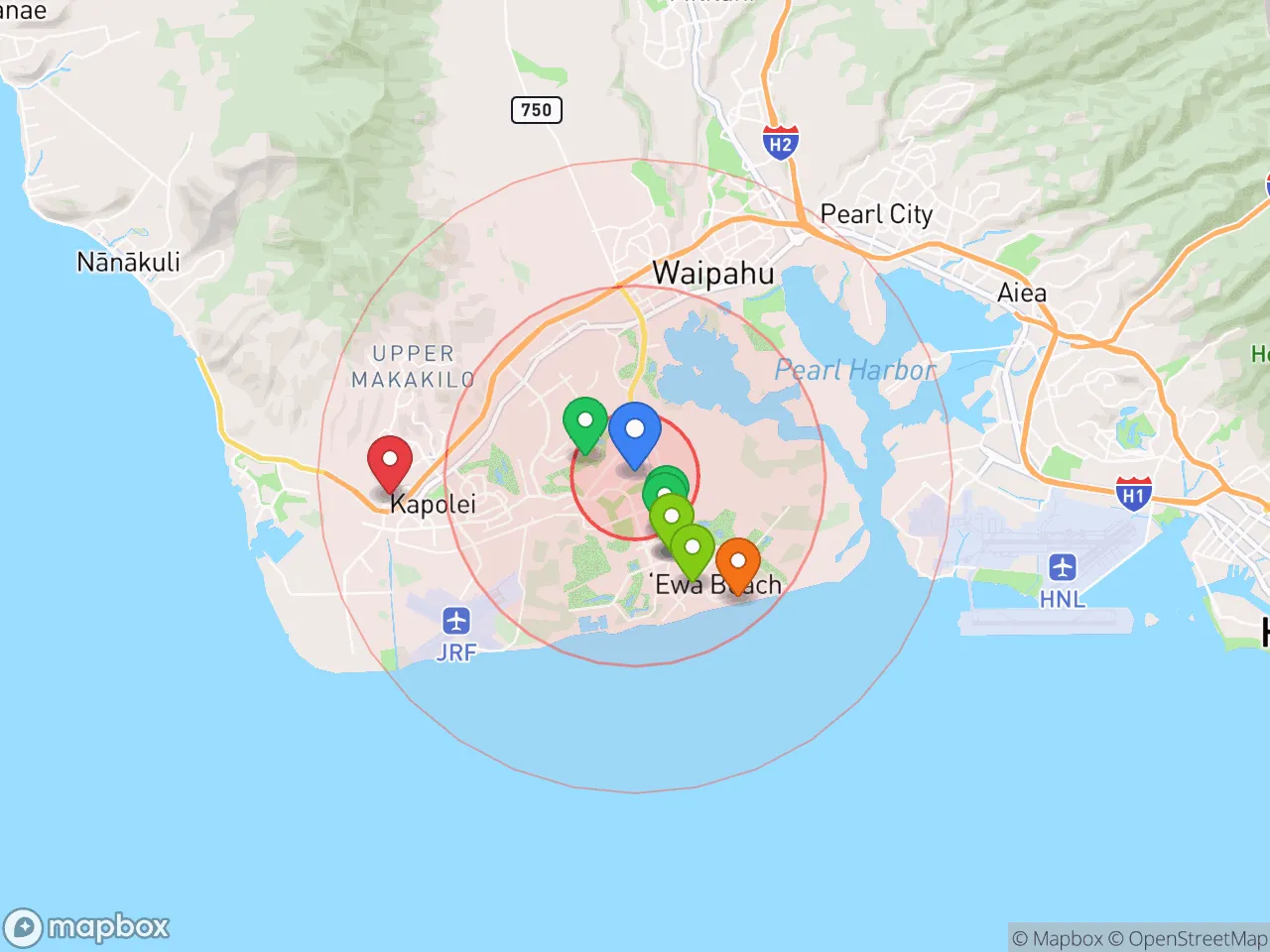
Hobbies
Explore the areaGroceries
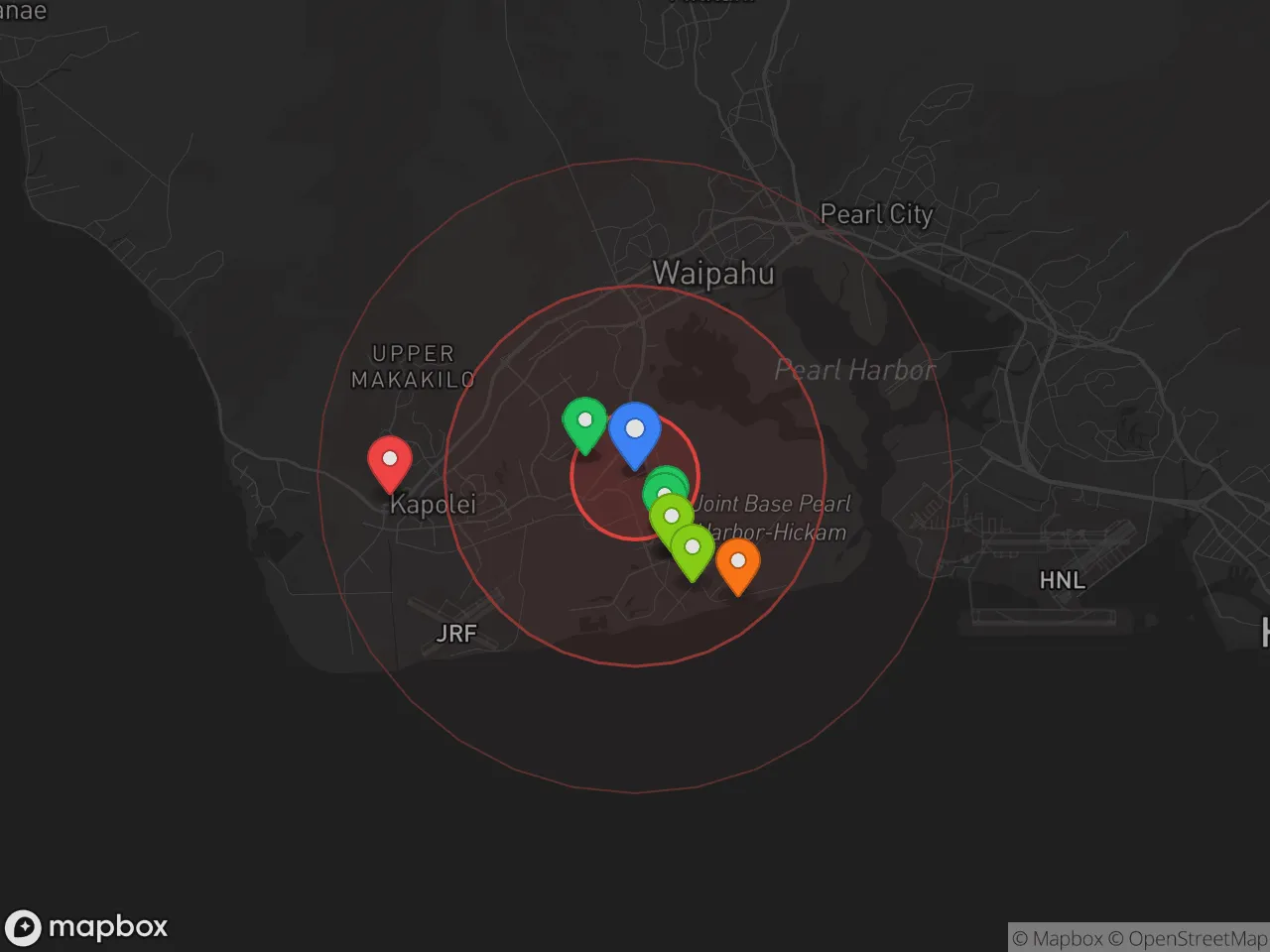
5 within 10 miles
Gas
20 within 10 miles
Hospital
15 within 20 miles
Airport
Daniel K. Inouye International Airport
Post Office
USPS — Ewa Beach, HI
Critical Amenities
Quality-of-Life Analysis
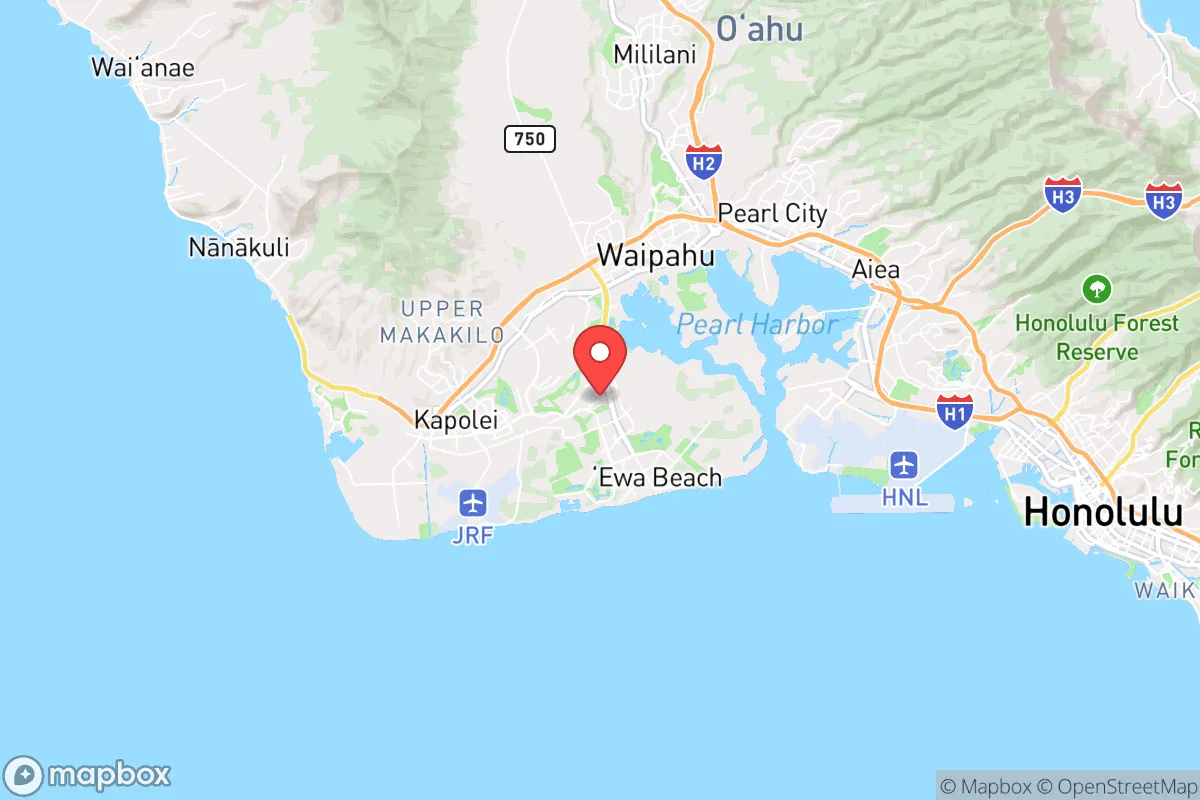
Ewa Gentry is a master-planned, affluent suburban community on the leeward coast of Oahu, designed primarily for families and professionals seeking newer housing stock and a quieter pace than urban Honolulu. With a cost of living index of 239 (nearly 2.4 times the U.S. average), the area attracts dual-income households and military families from nearby Joint Base Pearl Harbor-Hickam who can absorb the high expenses in exchange for space, safety, and modern amenities. The population skews younger and more diverse than the island average, reflecting its role as a bedroom community for Oahu’s growing west side.
Cost of living, housing prices, and affordability compared to Honolulu
Ewa Gentry’s cost of living is extreme by national standards but competitive within Oahu’s suburban ring. The median home value of $768,200 is roughly 15% lower than the Honolulu metro median, yet still more than double the national figure. Median rent sits at $2,517, which is about $300 less than comparable units in East Honolulu or Kailua, making Ewa Gentry one of the more attainable options for renters on the island. However, the average one-way commute of 36 minutes — driven largely by traffic on the H-1 freeway and Fort Weaver Road — is a significant trade-off for that relative affordability. Gas, groceries, and utilities all run 30-50% above mainland averages, so household budgets must account for more than just housing. Property taxes in Honolulu County are low (around 0.35% of assessed value), which slightly offsets the high purchase prices for homeowners.
Schools, parks, and what daily life is like for families
Daily life in Ewa Gentry revolves around its planned infrastructure: wide sidewalks, neighborhood parks, and a central shopping hub at the Ewa Town Center. The area is served by the Hawaii Department of Education, with Ewa Makai Middle School and Campbell High School being the primary public options — both have solid academic ratings and strong extracurricular programs, though class sizes are large. Private school options like Island Pacific Academy in nearby Kapolei are popular among families seeking smaller class sizes. The community’s layout encourages walking and biking for errands, with grocery stores, restaurants, and a movie theater within a 10-minute drive of most homes. The Ewa Beach Public Library and the nearby Ka Makana Ali‘i shopping center in Kapolei add to the convenience. Weekend life often includes beach time at Oneula Beach Park or a short drive to the more secluded White Plains Beach on the Joint Base. The trade-off for this suburban calm is a lack of nightlife and a heavy reliance on the car for any trip outside the immediate area.
Ewa Gentry is best suited for families and professionals who prioritize a newer, safe, and amenity-rich suburban environment over urban proximity and cultural density. The high cost of living and long commute make it a poor fit for singles or those on a tight budget, but for households with school-age children or jobs on the west side or at Pearl Harbor, the combination of relatively affordable housing, good schools, and planned community design offers a compelling quality-of-life equation. Military families and mainland transplants often find the transition easier here than in older, more congested Honolulu neighborhoods.

Crime in Ewa Gentry, HI
Generally safer than 64% of comparable U.S. locations.
Violent CrimeViolent Crime Analysis
Property CrimeProperty Crime Analysis
Crime Analysis
Ewa Gentry, a master-planned community on Oahu's leeward coast, presents a mixed safety profile that is significantly safer than the national average for violent crime but notably worse for property crime. With a violent crime rate of 200.2 per 100,000 residents, Ewa Gentry is substantially below the U.S. average of 380 per 100,000, but its property crime rate of 1,586.9 per 100,000 is roughly 15% higher than the national figure. This data reflects a community where residents generally feel secure from physical threats but must remain vigilant against theft and burglary.
Crime in context
Compared to the state of Hawaii, which has a violent crime rate of approximately 250 per 100,000, Ewa Gentry is about 20% safer in terms of violent offenses. However, the community's property crime rate is notably higher than the Hawaii state average of roughly 3,000 per 100,000—meaning Ewa Gentry's property crime is actually about half the state rate, a counterintuitive finding that reflects the high property crime in Honolulu's urban core. Nationally, Ewa Gentry's violent crime is 47% lower than the U.S. average, placing it in a relatively safe bracket for a suburban community near a major metro area. The property crime rate, while elevated compared to the national average, is still lower than many mainland suburban communities of similar density. It is important to note that Hawaii's justice system, particularly in Honolulu County which includes Ewa Gentry, has been influenced by progressive prosecution policies. District Attorney Steve Alm, elected in 2020, has emphasized alternatives to incarceration and reduced bail for non-violent offenders. While these policies aim to reduce recidivism, critics argue they contribute to a revolving-door effect for property criminals, potentially explaining the elevated property crime rate despite low violent crime.
What residents experience
Daily life in Ewa Gentry is characterized by a low likelihood of encountering violent crime, with assault and robbery rates well below national medians. The most common concerns for residents are vehicle break-ins, package theft from porches, and burglaries of unlocked homes or cars—crimes of opportunity rather than targeted violence. Neighborhood watch programs are active in many of Ewa Gentry's subdivisions, and the community's layout with narrow streets and cul-de-sacs naturally limits through traffic and casual criminal access. The Honolulu Police Department's Kapolei substation serves the area, with response times averaging 8-12 minutes for priority calls. Residents frequently report that the biggest safety nuisance is not crime but traffic congestion on Fort Weaver Road and the H-1 freeway, which can delay emergency vehicle response during peak hours.
Neighborhood-level variation within Ewa Gentry is modest but noticeable. The older sections near the original Ewa Gentry development (built in the 1990s) have slightly higher property crime rates than the newer Hoakalei and Ocean Pointe subdivisions, which benefit from more modern security infrastructure and gated entry points. Areas adjacent to the Ewa Beach Golf Club and the Ewa Gentry Community Park tend to have the lowest reported incidents, while streets closer to the main commercial corridor along Keaumoku Street see more vehicle-related theft. Overall, Ewa Gentry is considered one of the safer communities on Oahu's leeward coast, but the progressive justice policies in Honolulu County mean that property crime remains a persistent concern that requires proactive personal security measures.
* Values derived from national, state, county, city and local statistics and may differ in a specific area. Last updated: 2026-04-24T13:43:31.000Z
Narrative content on this page is AI-generated and may contain mistakes. Verify any details that matter before acting on them.
ReloMaps may earn a commission from affiliate links at no extra cost to you.

