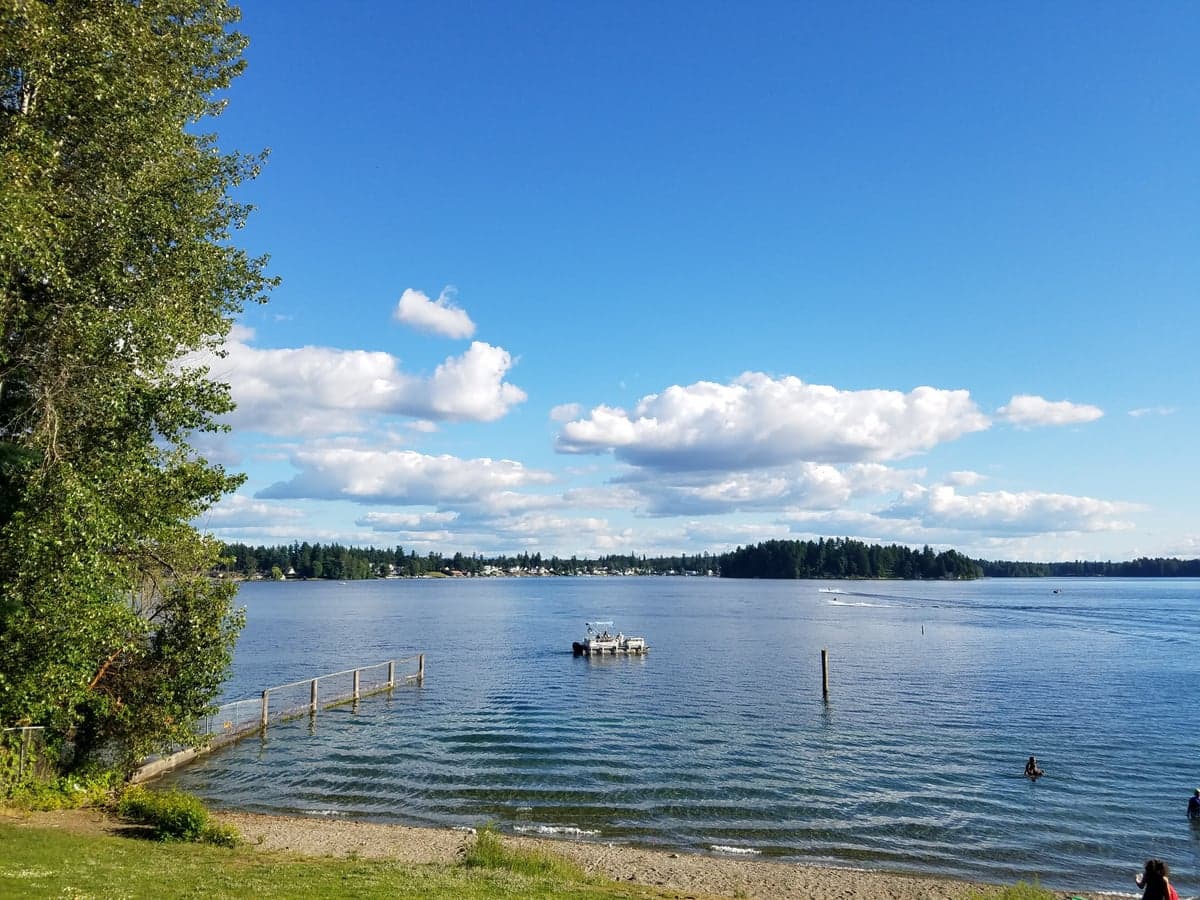
Photo: Wikipedia
Political ClimatePolitical Climate in Lakewood, WA
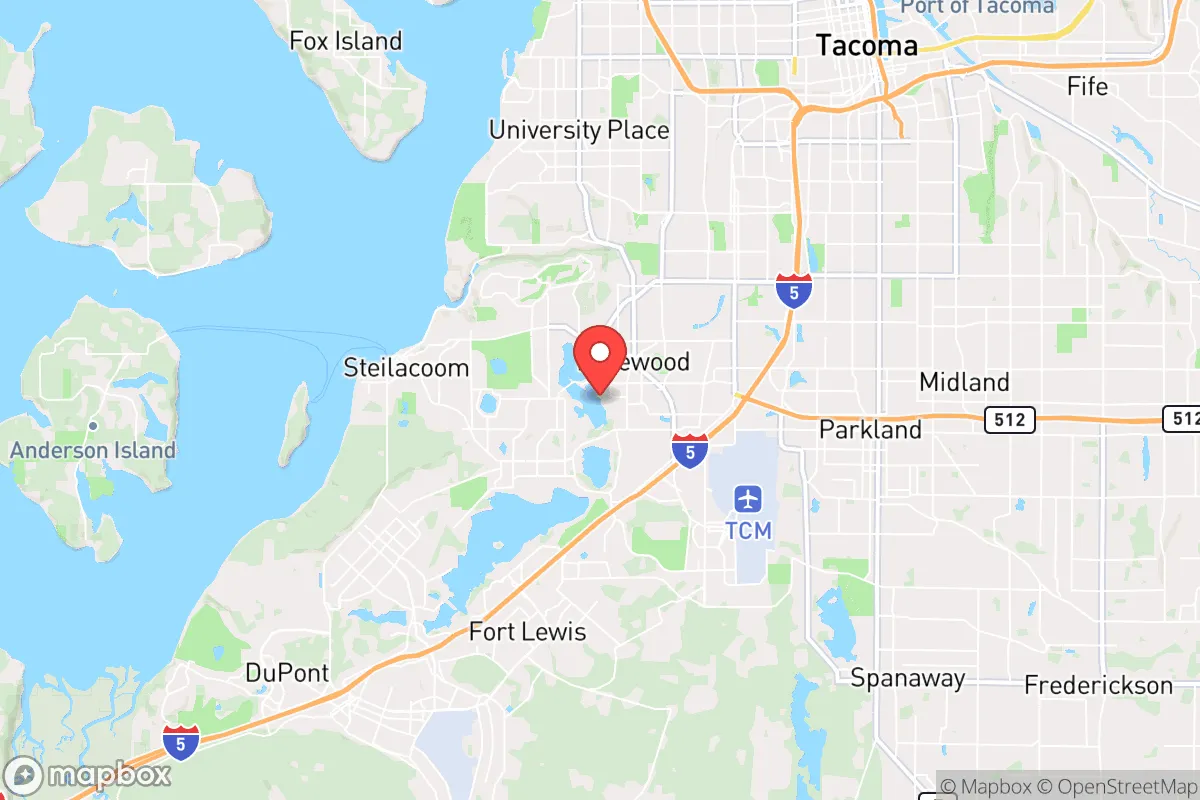
District shown is the primary district for this city’s centroid. Cities may span multiple districts.
Local Political AnalysisPolitical Analysis of Lakewood, WA
Lakewood, Washington, has been trending further left for years, and the numbers back it up—the Cook PVI sits at D+9, meaning the area votes about nine points more Democratic than the national average. That’s a significant shift from even a decade ago, when the city was more of a purple patch in Pierce County. If you’ve lived here as long as I have, you’ve watched the local elections get less competitive and more dominated by progressive candidates who push policies that feel heavy-handed—think stricter zoning rules, higher business taxes, and a general vibe of “we know what’s best for you.” The trajectory is clear: Lakewood is solidly blue, and it’s not looking back.
How it compares
Drive ten minutes east to Puyallup or south to DuPont, and you’ll feel the political difference immediately. Puyallup still leans conservative in local races, with a strong tax-revolt streak and more pushback on things like density mandates from Olympia. DuPont, with its military base influence, tends to be more libertarian-leaning—folks there value personal freedom and don’t love being told how to run their lives. Lakewood, by contrast, has embraced the progressive playbook: the city council has backed policies like rent control studies and “social equity” programs that add layers of bureaucracy. Even compared to Tacoma, which is also blue but has a more independent streak, Lakewood feels like it’s following the party line without much debate. The surrounding unincorporated areas of Pierce County still vote red, so you get a real patchwork—but inside city limits, the left holds the reins.
What this means for residents
For someone who values personal freedom and limited government, the trend here is concerning. The local government has shown a willingness to get into your business—whether it’s through strict short-term rental regulations that make it hard to Airbnb a spare room, or noise ordinances that feel more about control than common sense. Property taxes keep climbing to fund programs that sound nice on paper but don’t always deliver results, like expanded public transit routes that run nearly empty. The school board has also shifted left, pushing curriculum changes that prioritize social justice over core academics. If you’re a small business owner, you’ve probably felt the squeeze from new licensing fees and paid leave mandates that add costs without asking voters first. The long-term worry is that this trajectory leads to more of the same: higher taxes, more red tape, and a government that treats residents like subjects rather than citizens.
One cultural distinction worth noting: Lakewood has a strong military presence thanks to Joint Base Lewis-McChord, which usually brings a more pragmatic, live-and-let-live attitude. But even that hasn’t slowed the progressive tide. You’ll still find plenty of veterans and gun owners here who feel out of step with the city’s direction, especially on Second Amendment issues—Washington’s recent magazine ban and red flag law have plenty of local critics. The city also leans hard into “inclusivity” initiatives that can feel performative, like renaming streets or holding symbolic votes on national issues that have nothing to do with local governance. If you’re looking for a place where government stays small and leaves you alone, Lakewood isn’t that place anymore—and it’s only going to get more involved in your daily life as the years roll on.

State Political ClimatePolitical Climate in Washington
State Political AnalysisPolitical Environment in the State
Washington State has shifted from a purple battleground to a solidly blue stronghold over the past two decades, with Democrats now holding every statewide office and commanding supermajorities in the legislature. The state hasn’t voted for a Republican presidential candidate since 1984, and the margin has only widened — Joe Biden won by 19 points in 2020, and the trend lines suggest that gap will persist or grow. The dominant coalition is a fusion of Seattle-area tech wealth, Portland spillover from Vancouver, and a growing population of out-of-state transplants who bring progressive voting habits with them. For a conservative-leaning individual or family, the political climate here is increasingly hostile to traditional values, with the state government actively expanding its reach into personal decisions, property rights, and parental authority.
Urban vs. rural divide
The political map of Washington is a tale of two worlds. The Puget Sound corridor — Seattle, Bellevue, Redmond, Tacoma, and Olympia — generates roughly 60% of the state’s vote and is overwhelmingly Democratic. King County alone casts about one-third of all ballots and delivers margins of 70-80% for Democrats. On the other side, Eastern Washington counties like Spokane, Yakima, and Grant are reliably red, but their populations are too small to counterbalance the urban machine. The real story is the suburban shift: once-competitive areas like Snohomish County (north of Seattle) and Pierce County (south, around Tacoma) have flipped decisively blue in the last decade. Even Clark County (Vancouver), historically a swing area, now leans Democratic as Portland expats cross the river. The rural-urban divide is stark: drive 30 minutes east from Seattle and you’re in Trump country, but those votes are drowned out by the metro vote.
Policy environment
Washington’s policy environment is among the most progressive in the nation, and it shows in the tax code, regulatory climate, and social legislation. The state has no income tax, which sounds good, but it’s replaced by some of the highest sales taxes in the country — typically 8-10% depending on the city — and a state property tax that has risen sharply. The capital gains tax on high earners (over $250,000 in gains), passed in 2021 and upheld by the state Supreme Court in 2023, is widely seen as a stepping stone to a full income tax. On education, the state mandates comprehensive sex education starting in kindergarten, and parents have limited ability to opt out. Healthcare is heavily regulated, with a state-run insurance exchange and strict abortion access laws. Election laws are among the most liberal: universal mail-in voting, same-day registration, and no voter ID requirement — a system that critics argue invites fraud, though the state defends it as secure. The regulatory environment for businesses is burdensome, with strict environmental rules, a high minimum wage ($16.28 in 2024, indexed to inflation), and paid family leave funded by payroll taxes.
Trajectory & freedom
Washington is moving decisively less free by any measure of personal liberty. The most glaring example is gun rights: in 2023, the legislature passed a ban on many semi-automatic firearms (HB 1240) and a high-capacity magazine ban, plus a requirement for a 10-day waiting period and a permit to purchase. These laws were pushed through despite a state constitutional right to bear arms. On parental rights, the state has become a battleground: schools are not required to notify parents if a child changes their gender identity or pronouns, and the state’s Office of the Superintendent of Public Instruction actively discourages such notification. Medical autonomy has been curtailed by vaccine mandates for healthcare workers and schoolchildren (though the latter has exemptions). Property rights are under assault via the Growth Management Act, which forces cities to upzone single-family neighborhoods for high-density housing, and a 2023 law that effectively eliminates single-family zoning in most cities. The state also passed a law in 2024 allowing local governments to impose rent control, a policy long banned in Washington. The trend is clear: the state government is inserting itself into more and more personal decisions, from what you can own to how you raise your kids.
Civil unrest & political movements
Washington has a long history of political activism, but the last decade has seen an escalation. The CHAZ/CHOP occupation in Seattle in 2020 — where activists seized several blocks of the Capitol Hill neighborhood, established a police-free zone, and engaged in violence — remains a national symbol of progressive overreach. The city’s response was widely criticized as weak, and the mayor and city council faced recall efforts. On the right, there are organized movements like the Washington State Republican Party’s “election integrity” task force and local groups pushing for secession of Eastern Washington (the “Liberty State” movement), though neither has gained real traction. Immigration politics are a flashpoint: Washington is a sanctuary state, with laws prohibiting local law enforcement from cooperating with federal immigration authorities. In 2023, the legislature passed a law barring the sale or transfer of certain firearms to out-of-state residents, which was seen as a direct challenge to federal preemption. Election integrity remains a hot-button issue, with the state’s mail-in system drawing scrutiny after the 2020 election, though no major fraud has been proven. A new resident will notice the visible homelessness crisis in Seattle, Tacoma, and Spokane, which is tied to the state’s permissive drug laws (simple possession was effectively decriminalized until a 2023 law recriminalized it, but enforcement remains lax).
Projection
Over the next 5-10 years, Washington will likely become more progressive, not less. Demographic trends are unfavorable for conservatives: the state’s growth is driven by tech workers moving to Seattle, Bellevue, and Redmond, plus Californians and Oregonians fleeing high costs but bringing their voting habits. The rural population is stagnant or declining. The legislature is likely to pass a state income tax, further restrict gun ownership, and expand government-run healthcare. The parental rights battle will intensify, with more laws limiting school notification and potentially criminalizing “conversion therapy” for minors. The one wildcard is a potential backlash: the 2024 election saw some suburban counties shift rightward slightly, but not enough to flip any statewide races. A conservative moving here now should expect to live in a state where their values are increasingly marginalized, where taxes will rise, and where personal freedoms — especially around firearms, education, and medical choices — will continue to shrink. The best bet for a like-minded community is in the eastern half of the state, particularly around Spokane, the Tri-Cities (Kennewick, Pasco, Richland), or the Yakima Valley, where the political climate is more red but still subject to state-level policies.
Bottom line for a new resident: If you’re a conservative individual or parent, Washington offers beautiful geography and a strong economy, but you’ll be swimming against a powerful political current. Your vote will be largely irrelevant in statewide elections, your tax burden will rise, and you’ll need to be vigilant about your children’s education and your own rights. The state is not a place for someone who values limited government or traditional social values — it’s a place where the government is actively expanding its role in your life, and that trend shows no sign of reversing.
* Values derived from national, state, county, city and local statistics and may differ in a specific area. Last updated: 2026-04-21T11:13:46.000Z
Narrative content on this page is AI-generated and may contain mistakes. Verify any details that matter before acting on them.
ReloMaps may earn a commission from affiliate links at no extra cost to you.

