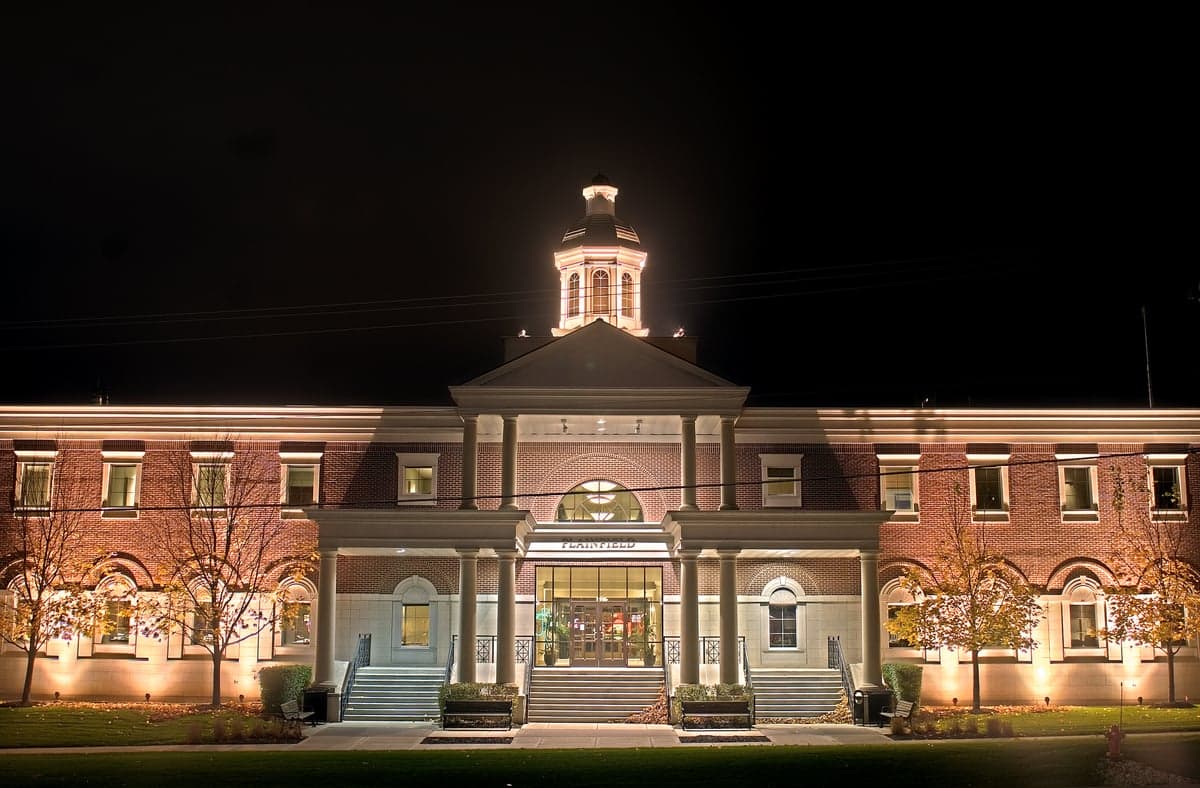
Photo: Wikipedia
Political ClimatePolitical Climate in Plainfield, IL
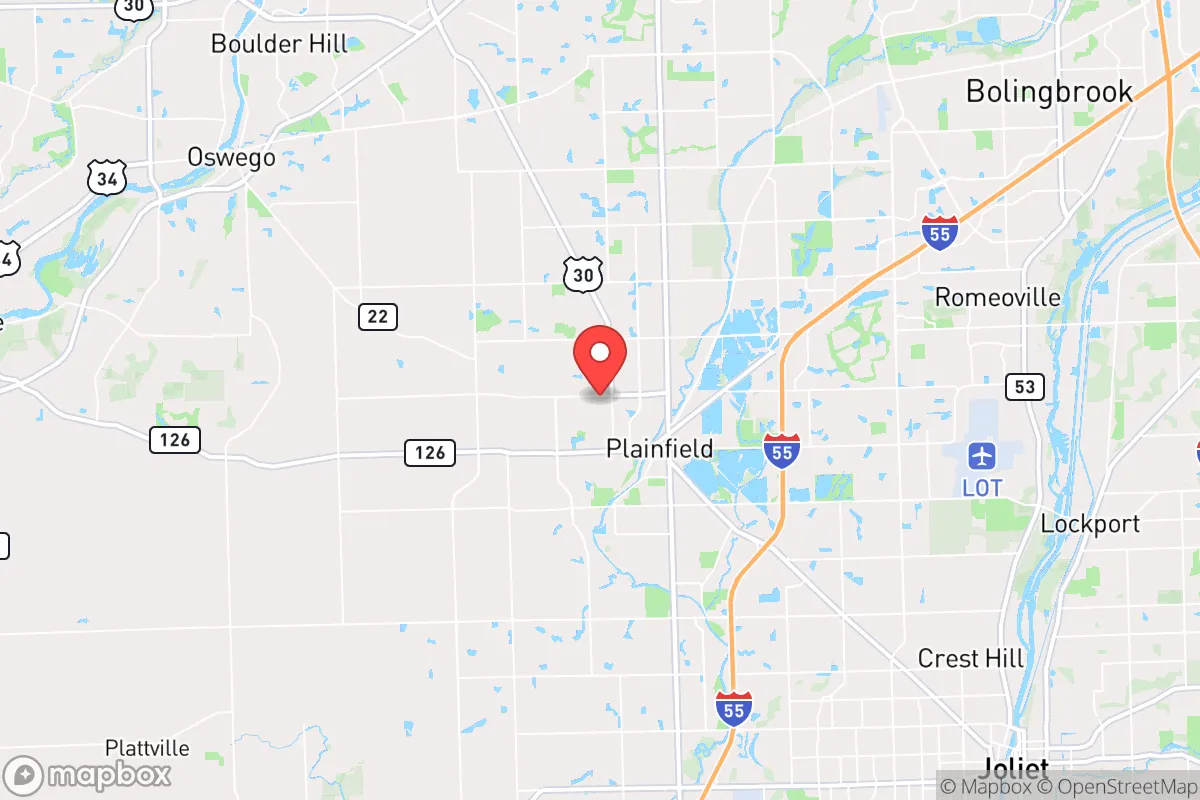
District shown is the primary district for this city’s centroid. Cities may span multiple districts.
Local Political AnalysisPolitical Analysis of Plainfield, IL
Plainfield, Illinois, sits in a political tug-of-war that’s gotten a lot more tense over the last decade. The area’s Cook PVI is D+3, which sounds moderate on paper, but that number hides a real shift—Plainfield used to be a reliably conservative stronghold in Will County, and a lot of us who’ve been here since the 90s remember when you could count the Democratic yard signs on one hand. Now, you’ll see a mix, but the progressive wave from Chicago and Joliet is creeping in, and it’s changing how things feel on the ground. The trajectory is concerning if you value limited government and local control, because the county board and school boards are starting to lean left, and that brings a whole new set of rules and attitudes.
How it compares
To really get Plainfield’s politics, you have to look at the neighbors. Head west a few miles to Shorewood or Minooka, and you’re in more reliably red territory—those towns still vote solidly Republican, and you don’t hear much talk about progressive policies at town hall. But drive east toward Joliet or north to Naperville, and you’re in deep blue country, where county-level decisions on taxes, zoning, and school curriculum get pushed through with little debate. Plainfield used to be a buffer zone, a place where common-sense conservative values held the line. Now, it’s becoming a battleground. The Will County Board has flipped, and that means more county-level mandates on things like land use and public health that feel like overreach to longtime residents. The contrast is stark: in Minooka, you can still have a conversation about property rights without someone bringing up equity metrics; in Plainfield, that conversation is getting harder to have.
What this means for residents
For folks living here, the biggest practical impact is on your wallet and your kids’ education. The shift toward progressive county governance has already led to higher property tax levies and more restrictive zoning rules that make it harder to build or renovate without jumping through hoops. School board meetings have gotten heated, with debates over curriculum transparency and parental rights becoming the norm. If you’re the kind of person who believes that local decisions should stay local, and that government shouldn’t dictate how you raise your family or run your business, you’re going to feel the squeeze. The county’s push for “regional planning” often means less say for individual towns, and that’s a red flag for anyone who moved here to escape the bureaucracy of Chicago. The long-term trend is worrying: if the D+3 rating shifts further left in the next census, expect more mandates on everything from energy codes to school policies.
A cultural and policy distinction worth noting
One thing that still sets Plainfield apart is its strong sense of community identity—the downtown area, with its historic buildings and local shops, still feels like a small town, and the annual Plainfield Fest draws people from all over. But the cultural divide is real. You’ll see more “In This House We Believe” signs than you did five years ago, and the local gun rights group has seen a surge in membership as people worry about state-level restrictions. The state government in Springfield has already passed laws on assault weapons and concealed carry that many here see as an infringement on the Second Amendment. Locally, the biggest policy fights are over school board control and whether the village should adopt “welcoming city” ordinances that could limit cooperation with federal immigration enforcement. For now, Plainfield’s village council remains more moderate than the county board, but that could change in the next election cycle. If you’re looking for a place where your vote still counts and your voice matters, keep an eye on those local races—they’re where the real battle is.

State Political ClimatePolitical Climate in Illinois
State Political AnalysisPolitical Environment in the State
Illinois has been a reliably Democratic state in presidential elections for over three decades, but its political landscape is far more complex than a simple blue label suggests. The state’s overall partisan lean is driven overwhelmingly by the Chicago metropolitan area, while vast stretches of central and southern Illinois vote as conservatively as any Deep South county. Over the last 10-20 years, the state has shifted leftward on cultural and fiscal issues due to concentrated urban power, but that shift has also fueled a growing rural backlash and a steady exodus of residents to more politically aligned states like Indiana, Missouri, and Tennessee.
Urban vs. rural divide
The political map of Illinois is a tale of two worlds. Cook County, home to Chicago, casts roughly 40% of the state’s votes and delivers margins of 70-80% for Democratic candidates. The collar counties — DuPage, Lake, Kane, Will, and McHenry — have been trending blue over the past decade, especially in suburban areas like Naperville and Schaumburg, as professional-class voters align with Democratic social and economic policies. Meanwhile, downstate regions are deeply red. Counties like Effingham, Williamson, and Macoupin routinely vote 70%+ Republican. The divide is stark: drive 90 minutes southwest of Chicago to places like Springfield or Decatur, and you’ll find a completely different political culture, where gun rights, lower taxes, and traditional values dominate local conversations. The urban-rural split isn’t just electoral — it’s cultural, with downstate residents often feeling ignored or overruled by Chicago’s legislative muscle.
Policy environment
Illinois’s policy environment is a mixed bag that leans heavily toward progressive governance, especially on fiscal and social issues. The state has a flat income tax rate of 4.95%, but property taxes are among the highest in the nation — averaging over 2% of home value statewide, with Cook County suburbs like Evanston and Oak Park pushing 2.5% or more. The state’s regulatory posture is business-friendly in name only; the minimum wage is $15 an hour (indexed to inflation), and strict environmental and labor regulations add costs. On education, Illinois funds schools through a complex formula that heavily favors Chicago Public Schools, leaving rural districts like those in Alexander County struggling. Healthcare policy is expansive: Illinois expanded Medicaid under the ACA and has a state-based health insurance exchange. Election laws are among the most liberal in the country — automatic voter registration, no-excuse mail-in voting, and same-day registration are all standard. For a conservative, the policy environment feels like a one-way ratchet toward bigger government, with little appetite for rollback.
Trajectory & freedom
On the freedom front, Illinois is moving in a concerning direction for those who value personal autonomy. The state has become a national leader in restricting gun rights: in 2023, Governor JB Pritzker signed the Protect Illinois Communities Act, banning the sale and possession of dozens of semiautomatic firearms and high-capacity magazines. This law is being challenged in court, but it’s already in effect. On parental rights, Illinois passed a law in 2024 requiring school districts to adopt policies that affirm a student’s gender identity without parental notification — a direct blow to family authority. Medical autonomy has also narrowed: the state has codified abortion access as a “fundamental right” and expanded taxpayer-funded coverage for non-citizens. Property rights are under pressure from high property taxes and a state that rarely pushes back on local zoning or eminent domain. The only bright spot for liberty-minded residents is the state’s relatively low crime rate in suburban and rural areas, but that’s cold comfort when your tax bill is $8,000 a year on a modest home in places like Peoria or Rockford.
Civil unrest & political movements
Illinois has seen its share of political flashpoints. The 2020 George Floyd protests in Chicago turned into widespread looting and property destruction, with over $60 million in damage in the Loop alone. Since then, organized activist movements have focused on police reform and defunding, with Chicago’s city council cutting the police budget by $80 million in 2021. On the right, the Illinois Family Institute and local gun rights groups like the Illinois State Rifle Association remain active, but they’ve lost most legislative battles. Immigration politics are a hot-button issue: Illinois is a sanctuary state, with the 2017 TRUST Act limiting local law enforcement cooperation with ICE. This has led to tensions in suburban areas like Aurora and Elgin, where migrant arrivals have strained school and housing resources. Election integrity remains a sore point — the 2020 election saw widespread use of mail-in ballots, and while no major fraud was proven, many conservatives remain skeptical of the state’s election system. You’ll see “Let’s Go Brandon” flags flying from pickup trucks in downstate towns like Marion and Carbondale, a visible sign of the cultural war playing out.
Projection
Looking ahead 5-10 years, Illinois’s trajectory is one of continued blue consolidation at the state level, but with a shrinking population base. The state lost over 300,000 residents between 2020 and 2025, with most leaving for lower-tax, lower-regulation states. This exodus is disproportionately conservative-leaning, which will further entrench Democratic control in Springfield. The Chicago metro area will continue to drive policy, meaning more gun restrictions, higher taxes, and expanded social programs. However, the rural-urban divide will likely intensify, with downstate counties exploring secession or nullification rhetoric — a movement that gained steam in 2024 when several counties passed symbolic resolutions calling for a “divorce” from Cook County. Realistically, no breakup will happen, but the political friction will grow. For a new resident, expect a state where your vote in Chicago or its suburbs determines everything, and where your personal freedoms — especially on guns and parenting — will be increasingly constrained by state law.
Bottom line for a new resident: If you’re a conservative considering Illinois, you’re moving into a state where your political voice will be largely drowned out by Chicago’s machine. You’ll pay high property taxes, face a restrictive gun environment, and live under a government that prioritizes progressive social policies. The trade-off is access to strong job markets in Chicago’s suburbs, world-class universities, and a lower cost of living than coastal blue states. But if personal freedom and limited government are your priorities, you’ll find Illinois a frustrating place to call home — and you’ll have plenty of company at the moving trucks heading south and west.
* Values derived from national, state, county, city and local statistics and may differ in a specific area. Last updated: 2026-04-24T13:02:10.000Z
Narrative content on this page is AI-generated and may contain mistakes. Verify any details that matter before acting on them.
ReloMaps may earn a commission from affiliate links at no extra cost to you.

