
Photo by Luke McKeown on Unsplash
An Unincorporated Community in Maui County, Hawaii
Find The Best Places To Live
in Waihee Waiehu
PRO TIP! You can paste a Zillow or Redfin link to get info on that property.
What It's Like Living in Waihee Waiehu, HI
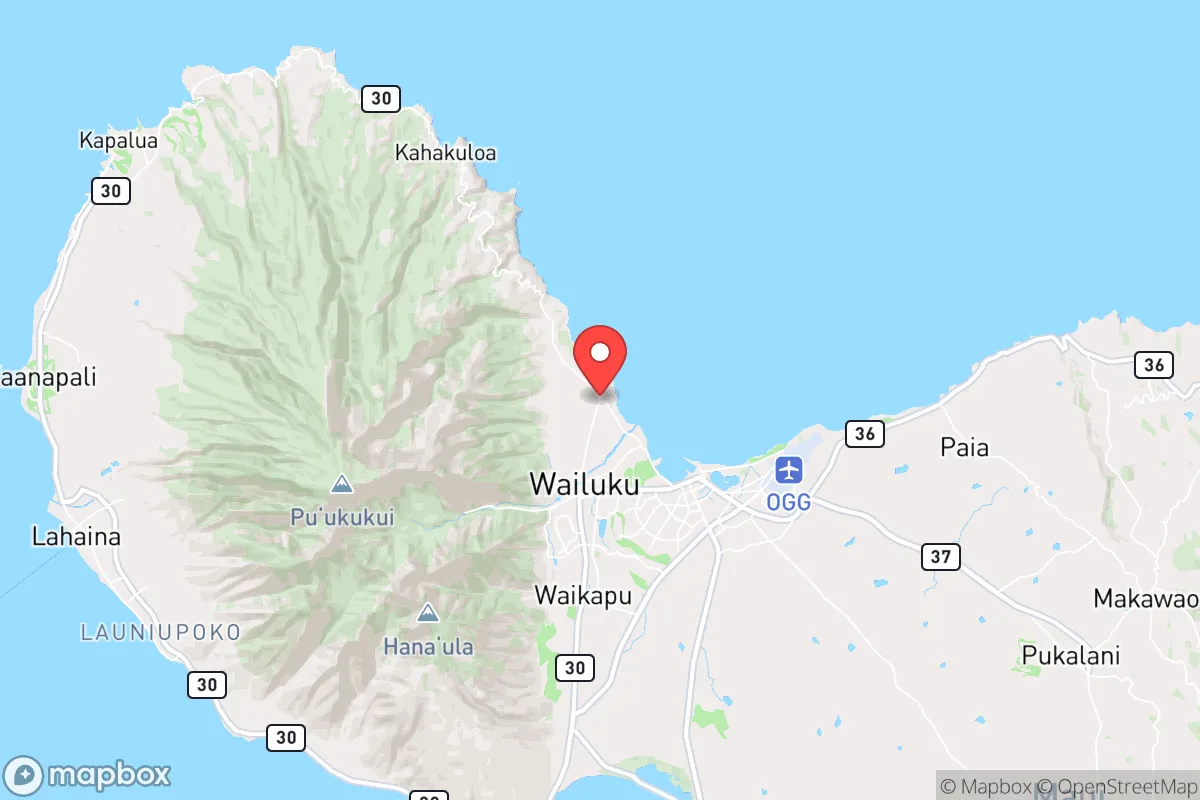
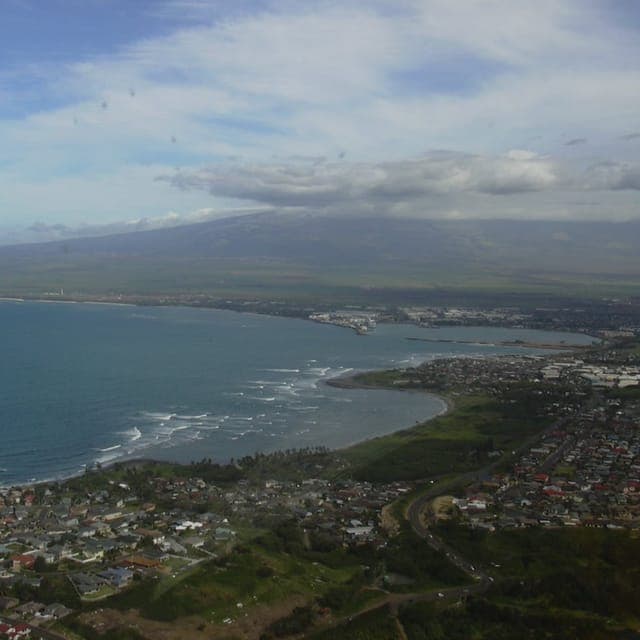
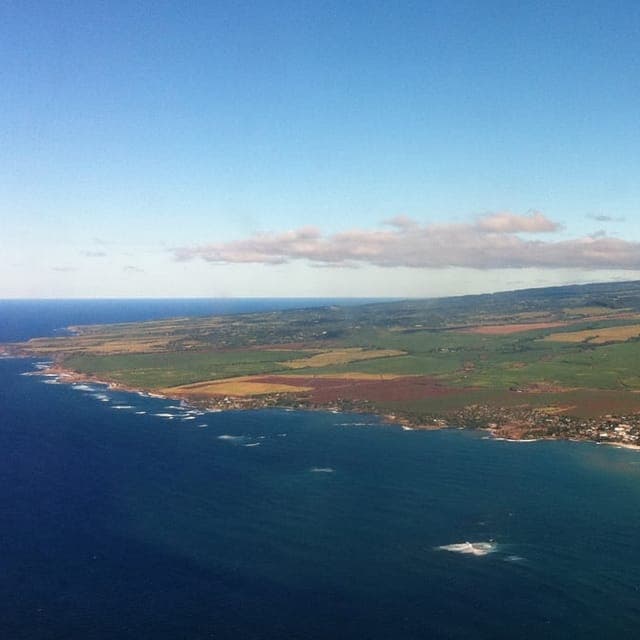
Waihee Waiehu feels less like a destination and more like a quiet, green pocket of Maui where people actually live their lives—a place where the pace slows down and the daily routine revolves around the ocean, the commute to Kahului, and the local plate lunch spots. It’s a residential community of about 8,364 residents, tucked along the island’s north-central coast, and it offers a version of Hawaii that’s more about family routines and weekend fishing than tourist crowds. For a conservative-leaning audience looking for a stable, family-oriented base on Maui, this is one of the more grounded options.
Daily Rhythm: What Life Actually Looks Like
Most mornings here start early, often with a walk or jog along the Waihee Ridge Trail or a quick stop at the local 7-Eleven for coffee and a musubi before the commute. The average commute clocks in at just over 21 minutes—short by mainland standards, but noticeable on Maui because it usually means heading south on the Honoapiilani Highway into Kahului or Wailuku for work. The median household income sits at $125,694, which is high for the state, but that number reflects the reality that many residents work in construction, healthcare, or county government, with a smaller slice commuting to resort jobs in Kaanapali or Wailea. You won’t find a downtown strip or a nightlife scene here; instead, evenings are spent at home, at a neighbor’s barbecue, or at the beach. The median age is 36.7, and the community skews toward families and couples in their 30s and 40s who value space and quiet over walkability.
Sports, Community, and What People Do for Fun
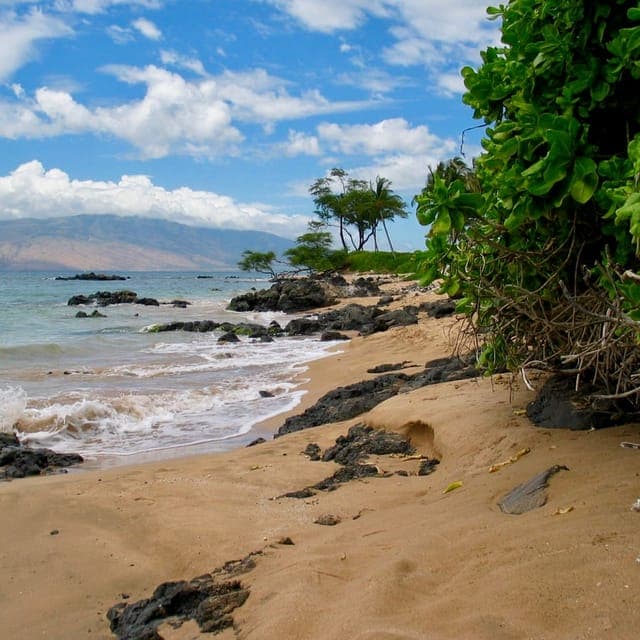
High school sports are a genuine anchor here. King Kekaulike High School in nearby Pukalani draws most of the local kids, and Friday night football games in the fall are a social event—parents, grandparents, and former students pack the bleachers. There’s no pro team on the island, but the University of Hawaii football and volleyball games are streamed at local bars like Maui Brewing Company in Kihei (a 25-minute drive) or at Kohola Brewery in Lahaina. Outdoor life is the real entertainment: the Waihee River offers swimming holes and short hikes, while the nearby Waihee Beach Park is a calm, family-friendly spot for weekend picnics and snorkeling. The annual Maui County Fair in October and the Celebration of the Arts in Kapalua are the biggest community events, but most weekends here are low-key—farmers markets, fishing off the shore, or a drive up to the Upcountry for a plate lunch at Kula Bistro.
What Works and What Grates: The Honest Trade-Offs
Longtime residents love the quiet, the ocean access, and the fact that you can still find a sense of neighborliness that’s fading in busier parts of Maui. The violent crime rate is 200.2 per 100,000—higher than the national average of about 380, but lower than many mainland cities of similar size, and most incidents are property-related rather than violent. What frustrates people is the cost. The cost of living index is 236—more than double the U.S. average—and the median home value is $778,600, which puts homeownership out of reach for many working families. Rentals are scarce and expensive. Traffic on the highway into Kahului can back up during tourist season, and the lack of a major grocery store in Waihee Waiehu itself means a 10-minute drive to the Safeway in Wailuku for basics. The weather is consistently warm (70s to 80s year-round), but the trade-off is a long rainy season from November through March that keeps everything lush but can feel damp.
Cultural Quirks and Who Fits In Best
This is not a place for people who want nightlife, walkable amenities, or a fast social scene. It’s a community where 28.3% of adults hold a college degree—lower than the national average—and where practical skills and local knowledge matter more than credentials. The local identity is rooted in plantation-era history and a strong sense of ohana (family). You’ll see pickup trucks with surf racks, kids in school uniforms walking to the bus stop, and neighbors who wave even if they don’t know you. The kind of person who fits in here is someone who values privacy, doesn’t mind driving for errands, and wants a safe, quiet place to raise kids or retire without the resort vibe. If you’re looking for a conservative, family-oriented slice of Hawaii where the ocean is your backyard and the pace is slow, Waihee Waiehu delivers—just be ready for the price tag and the rain.

Similar small towns to Waihee Waiehu
* Values derived from national, state, county, city and local statistics and may differ in a specific area. Last updated: 2026-04-24T11:37:06.000Z
Narrative content on this page is AI-generated and may contain mistakes. Verify any details that matter before acting on them.
ReloMaps may earn a commission from affiliate links at no extra cost to you.

