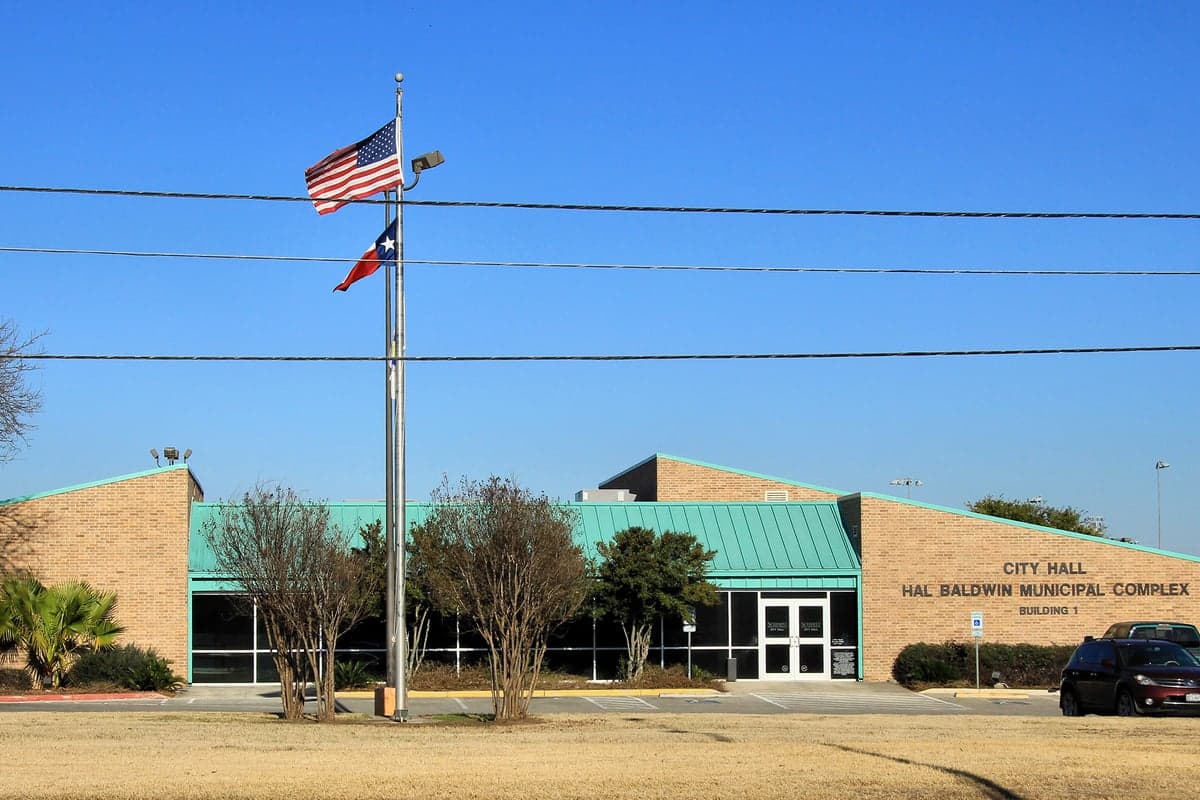

Photo: Wikipedia
Political ClimatePolitical Climate in Schertz, TX
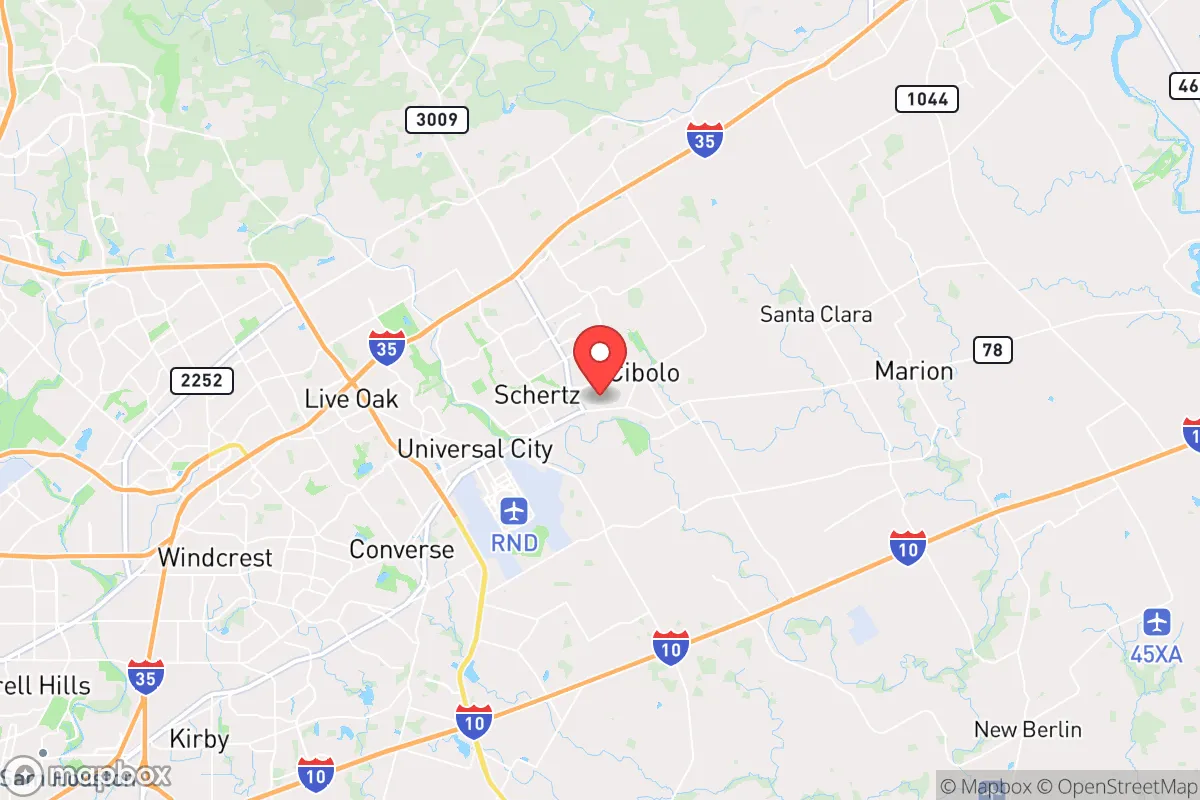
District shown is the primary district for this city’s centroid. Cities may span multiple districts.
Local Political AnalysisPolitical Analysis of Schertz, TX
Schertz, Texas, has long been a solidly conservative community, and while it still leans that way, you can feel the political winds shifting a bit as the San Antonio metro area expands outward. The Cook PVI for Schertz sits at R+2, which is actually a couple of points more moderate than the state of Texas as a whole, which is rated R+4. That might not sound like a huge gap, but for those of us who’ve lived here for a while, it’s a noticeable change from the deep-red landscape we remember from the 90s and early 2000s. The real story is how the influx of folks from more progressive parts of the state and country is slowly nudging the local politics away from the traditional, limited-government values that built this town.
How it compares
Compared to the rest of Texas, Schertz is a bit of a bellwether for the broader suburban shift happening across the I-35 corridor. While the state as a whole is still reliably red with that R+4 rating, Schertz’s R+2 tells you it’s more of a battleground precinct. Drive ten minutes north to Cibolo or New Braunfels, and you’ll find communities that are still holding the line with a more traditional, conservative vibe—less tolerance for new taxes and more skepticism of government programs. Head south into San Antonio proper, and you’re in a completely different world, with a heavily Democratic city council and a county government that’s been pushing progressive policies on everything from zoning to police funding. Schertz sits right in the middle, and you can see the tension in local elections, where school board and city council races are getting more competitive and more ideological every cycle.
What this means for residents
For those of us who value personal freedoms and want to keep government out of our lives, the trend is a little concerning. The biggest red flag is the creeping influence of San Antonio’s progressive agenda on local policy. We’re seeing more talk about “equity” initiatives in the schools and pressure to adopt higher density zoning that could erode property rights and change the character of our neighborhoods. The tax burden is also something to watch—as the area grows, there’s constant pressure to fund new infrastructure and services, and that often means higher property taxes and more regulations on small businesses. If you’re looking to move here, you should know that the political climate is still friendly to conservative values, but it’s not the lock it used to be. You’ll want to pay close attention to local candidates and ballot measures, because the direction of the city is genuinely up for grabs.
Culturally, Schertz still feels like a place where neighbors look out for each other and the Second Amendment is respected, but you can see the cracks forming. The biggest policy distinction from the rest of Texas is the local approach to growth management—Schertz has been more aggressive with impact fees and development regulations than its more rural neighbors, which some see as a necessary evil and others view as government overreach. The bottom line is this: if you want a community that still values individual liberty and fiscal restraint, Schertz is a decent bet, but keep your eye on the ballot box. The next few election cycles will tell us whether we stay on the right track or start sliding toward the kind of big-government thinking that’s taken over so many other Texas suburbs.

State Political ClimatePolitical Climate in Texas
State Political AnalysisPolitical Environment in the State
Texas has been a reliably red state for a generation, but the political climate is shifting under your feet. The state has a Cook PVI of R+4, meaning it leans Republican by about four points more than the national average. That's still a solid advantage for conservatives, but the margin has been shrinking. Over the last 10-20 years, Texas has gone from a deep red stronghold to a competitive battleground, driven by explosive growth in blue-leaning metros and a steady influx of out-of-state transplants. The dominant coalition is still conservative—rural voters, suburban families, and business interests—but the old guard is being challenged by a rising progressive movement concentrated in a few key cities.
Urban vs. rural divide
The political map of Texas is a study in contrasts. The rural counties, small-town, and West Texas is deeply red. Lubbock, Amarillo, and Midland-Odessa are Republican strongholds, with counties routinely voting 70-80% for GOP candidates. The vast, sparsely populated areas of the Panhandle and Hill Country are the backbone of the state's conservative majority. On the other side, the major metros are blue. Austin is the most liberal city in the state, a progressive island in a sea of red, with Travis County voting Democratic by massive margins. Houston's Harris County, Dallas County, and San Antonio's Bexar County have all flipped blue in recent cycles, driven by diverse, younger, and more educated populations. The suburbs are the real battleground. Places like Collin County (n County (north of Dallas) and Fort Bend County (southwest of Houston) were once reliably red but are now purple, trending Democratic as they become more diverse and affluent. The urban core of the state's political future will be fought in these suburban rings.
Policy environment
Texas policy environment is a mixed bag for conservatives. On the plus side, the state has no personal income tax, a business-friendly regulatory climate, and strong property rights. The Texas Constitution limits government limited, and the legislature meets only every two years, which slows the pace of new laws. On education, the state has a robust school choice movement, with a new Education Savings Account programs expanding options for parents. But property taxes are high, and the state's reliance on them is a growing pain point. Healthcare is a mess: Texas has the highest uninsured rate in the country, and the state has refused to expand Medicaid under Obamacare, which keeps costs down for taxpayers but leaves many without coverage. Election laws have been tightened in recent years, with new voter ID requirements and restrictions on mail-in voting, which conservatives see as necessary for integrity but critics call suppression. Overall, the policy environment is still friendly to conservative values, but the cracks are showing.
Trajectory & freedom
Trajectory & freedomIs Texas becoming more or less free? It depends on who you ask. On the positive side for conservatives, the state has expanded gun rights significantly. In 2021, Texas passed permitless carry, allowing adults to carry handguns without a license or training. The state also passed a law banning most abortions after six weeks, with a unique private enforcement mechanism that has survived court challenges. On parental rights and religious freedom. The 2023 session saw the passage of the "Save Women's Sports Act," which bans biological males from competing in girls' sports. On the other hand, there are worrying trends. The state has been aggressive in using its power to shut down conservative speech, like when it went after a pro-life group for alleged fraud. And the growing influence of big tech and corporate wokeism is a concern. The state's response to the border crisis has been strong, with Operation Lone Star deploying state troopers and National Guard to the border, but the federal government's inaction is a constant frustration. The trajectory is mixed: Texas is still a beacon of freedom in many areas, but the state is fighting to hold the line against progressive overreach.
Civil unrest & political movements
Texas has seen its share of political flashpoints. The 2020 BLM protests in Austin and Houston were large and sometimes violent, leading to property damage and a lasting sense of unease in those cities. The state's response was to pass a law protecting police and increasing penalties for rioting. Immigration politics are a constant flashpoint. The state has been in a legal battle with the Biden administration over its own "Remain in the border, and the governor has bused migrants to other states, which has drawn national attention. There is a growing secessionist movement, the Texas Nationalist Movement, which advocates for independence, but it remains fringe. Election integrity is a hot-button issue, with the 2020 election leading to widespread distrust among conservatives, despite no evidence of widespread fraud. The state's new election law overhaul in 2021 was a direct response to these concerns. A new resident would notice the strong presence of both conservative and activist groups, especially in the suburbs and on college campuses.
Projection
Over the next 5-10 years, Texas will continue to trend purple. The state is growing fast, and most of that growth is in the blue-leaning metros and suburbs. The rural vote is shrinking as a share of the electorate. The Republican Party is that Texas will become a true battleground state, with statewide races regularly decided by single digits. This means that the conservative policy environment is under threat. If Democrats win the governor's mansion or the legislature, expect a push for a state legislature, you can expect a push for a state income tax, expanded Medicaid, higher property taxes, and restrictions on gun rights. The state's current political leadership is aware of this and is trying to lock in conservative policies before the shift happens. For someone moving in now, the next decade will be a fight for the soul of Texas. The state will either remain a conservative values or become another California. The outcome is uncertain, but the battle is already joined.
Bottom line for a new resident: Texas is still a great place for conservatives who want low taxes, strong property rights, no income tax, and a culture that values. But you need to be aware that the political climate is changing. If you move to a blue city like Austin or purple suburb, you will be living in a community that is increasingly progressive. The state's political future is not settled, and your vote will matter more than ever. If you want to preserve the Texas you're moving for, get involved in local politics and be prepared for a fight.
* Values derived from national, state, county, city and local statistics and may differ in a specific area. Last updated: 2026-05-14T18:38:12.000Z
Narrative content on this page is AI-generated and may contain mistakes. Verify any details that matter before acting on them.
ReloMaps may earn a commission from affiliate links at no extra cost to you.

