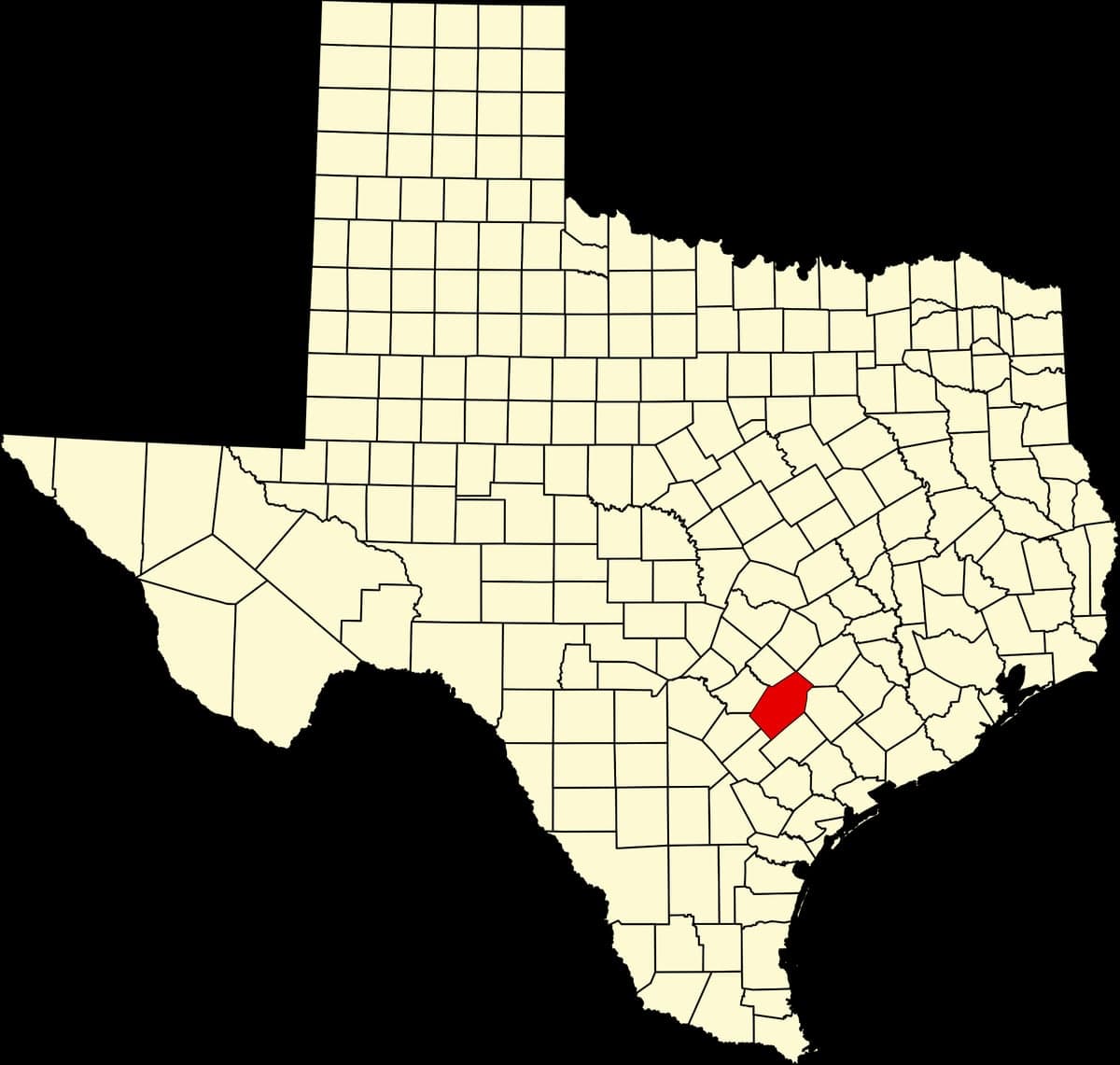
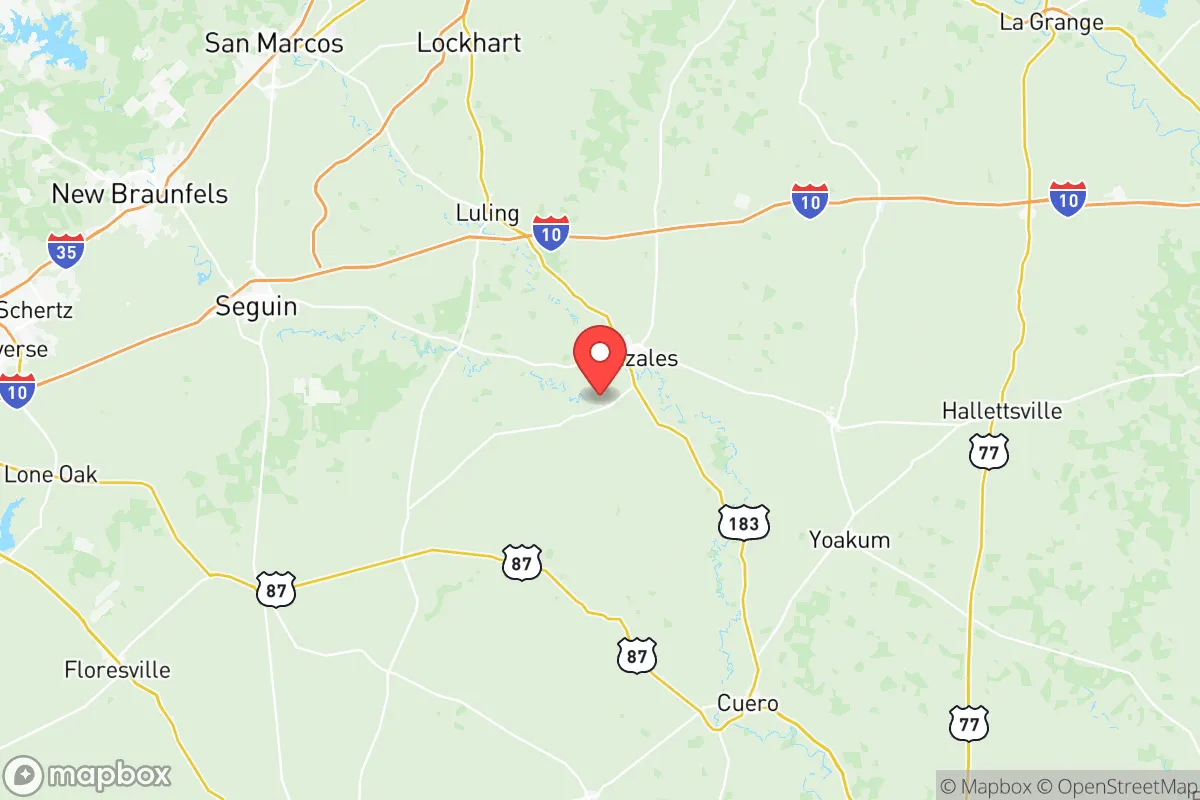
Photo: Wikipedia
Find The Best Places To Live in Gonzales County
PRO TIP! You can paste a Zillow or Redfin link to get info on that property.
Best Places to Live in Gonzales County
Cities & Towns in Gonzales County
Cities in Gonzales County
What It's Like Living in Gonzales County, TX
Living in Gonzales County means trading the constant hum of city life for the quiet rhythm of the Texas plains, where the biggest decision on a Saturday might be whether to hit the river or catch a high school football game. This is a place where the land is flat and the skies are wide, anchored by the county seat of Gonzales and dotted with smaller communities like Waelder, Nixon, and Smiley. It’s a county that wears its history proudly—remember the “Come and Take It” cannon—but moves at a pace that feels more like 1950 than 2026.
Daily Rhythm: What Weekends and Weekdays Actually Look Like
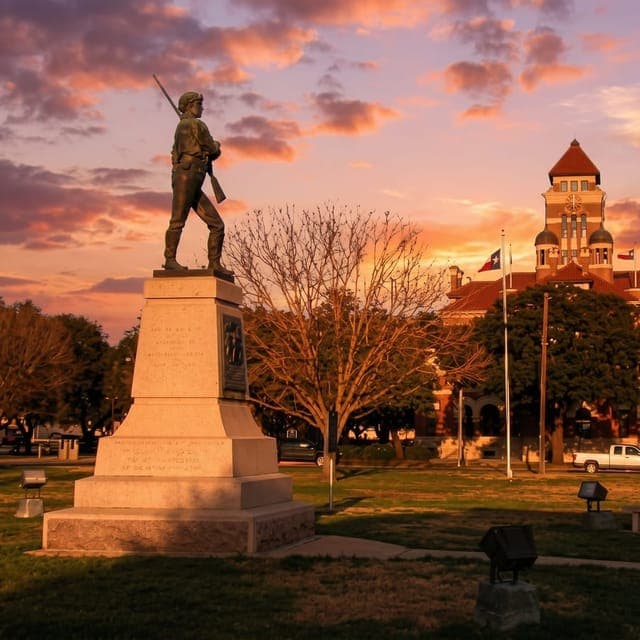
For most folks here, the workday starts early and ends with a commute that averages about 27 minutes, often taking them to jobs in San Marcos or Seguin for manufacturing, healthcare, or retail. Back home in Gonzales, evenings are spent on front porches or at the local Whataburger, where you’ll see the same faces you saw at the grocery store that morning. Weekends revolve around the Guadalupe River—kayaking, fishing, or just floating with a cooler—and the Palmetto State Park in nearby Ottine, where the palmettos and oxbow lakes feel like a slice of Louisiana dropped into Texas. The Gonzales County Courthouse square is the social hub, hosting the weekly farmers market and the occasional classic car show. If you’re the type who needs a new restaurant every week, you’ll be disappointed—the dining scene is mostly BBQ joints, Mexican spots like El Charro, and a handful of diners. But if you value knowing your neighbors and having space to breathe, this place fits like an old boot.
Sports, Community, and the People Who Thrive Here
High school football isn’t just a pastime in Gonzales County—it’s the main event. Friday nights at Gonzales High School’s Apache Stadium draw crowds that outnumber the town’s population, with the Gonzales Apaches and Nixon-Smiley Mustangs battling it out under the lights. The energy is genuine, with parents, grandparents, and even childless couples showing up just to be part of something. Basketball and baseball fill the gaps, but nothing unites the county like a playoff run. The kind of person who fits in here is someone who doesn’t mind driving 30 minutes for a decent shopping trip—San Marcos and Victoria are the go-tos—and who values a low cost of living over career variety. With a median income of $59,355 and a cost of living index of 66 (well below the national average), a family can actually afford a home here. The median home value sits at $158,900, meaning a teacher or a welder can buy a three-bedroom house without breaking a sweat. That’s a big draw for families priced out of Austin or San Antonio, who come here for the space and the slower pace.
What’s There to Do: Festivals, Outdoors, and Honest Fun
Entertainment here is about events, not venues. The Come and Take It Festival in October is the crown jewel—a weekend of live music, a parade, and enough BBQ to feed a small army, all celebrating the 1835 skirmish that gave the county its famous slogan. The Gonzales County Fair in September brings carnival rides, livestock shows, and a rodeo that draws competitors from across the region. For outdoor types, the Guadalupe River offers tubing and fishing, while Lake Gonzales is a quieter spot for kayaking. Hunters love the deer and turkey seasons on the surrounding ranches. The biggest cultural quirk? People here still wave at every passing car, and they mean it. It’s a place where your reputation is built on whether you show up to help a neighbor haul hay or fix a fence. The downside is that if you’re under 25 and not into sports or hunting, you’ll likely find weekends boring—there’s no movie theater, no bowling alley, and the nearest nightlife is a 40-minute drive to Seguin or San Marcos.
Pros and Cons of Living in Gonzales County
Let’s be honest about the trade-offs. On the plus side, the cost of living is a genuine relief—your dollar goes twice as far as it would in Austin. The community is tight-knit in a way that’s rare these days; people leave their doors unlocked and actually know their mail carrier’s name. The violent crime rate of 346.3 per 100,000 is higher than the national average, but most of that is concentrated in specific areas and often involves people who know each other—property crime is the bigger nuisance, so lock your shed. The weather is classic Texas: summers are brutal (think 100°F with humidity), winters are mild, and spring brings wildflowers and tornado watches. The median age of 38.8 reflects a mix of young families and retirees, but the college-educated rate of just 12.6% means fewer white-collar jobs and a heavier reliance on agriculture, oil, and manufacturing. Schools like Gonzales ISD and Nixon-Smiley CISD are the heart of their communities, but they’re not top-ranked—parents who prioritize academics often look into private options or commute to San Marcos for work. The biggest frustration for locals? The lack of healthcare options—serious medical needs mean a drive to San Antonio or Austin, both about an hour away. But if you value quiet, affordability, and a place where your kids can roam free, Gonzales County delivers.

* Values derived from national, state, county, city and local statistics and may differ in a specific area. Last updated: 2026-10-17T00:16:39.000Z
Narrative content on this page is AI-generated and may contain mistakes. Verify any details that matter before acting on them.
ReloMaps may earn a commission from affiliate links at no extra cost to you.

