Photo: Wikipedia
Quality of Life in Gonzales County
A livable area that tracks near national norms for affordability, walkability, and neighborhood health.
What does Quality of Life tell us?
Quality of Life measures an area by evaluating factors like cost of living, nearby amenities, country club access, airport proximity, socioeconomic signals and neighborhood character. For large states, this is a general average — quality of life can vary dramatically between metro areas, suburbs, and rural communities within the same state.
What does this tell us?
Quality of Life measures an area by evaluating factors like cost of living, nearby amenities, country club access, airport proximity, socioeconomic signals and neighborhood character. For large states, this is a general average — quality of life can vary dramatically between metro areas, suburbs, and rural communities within the same state.
Cost of Living
34% below national average
131%
The Real Cost of Living in Gonzales County for 2026
| Tier | Individual | Family (4) |
|---|---|---|
| Survival | $13k | $25k |
| Comfortable | $31k | $45k |
| Luxury | $107k+ | $166k+ |
| Elite (Top 5%) | $133k+ | $206k+ |
Quality-of-Life Analysis
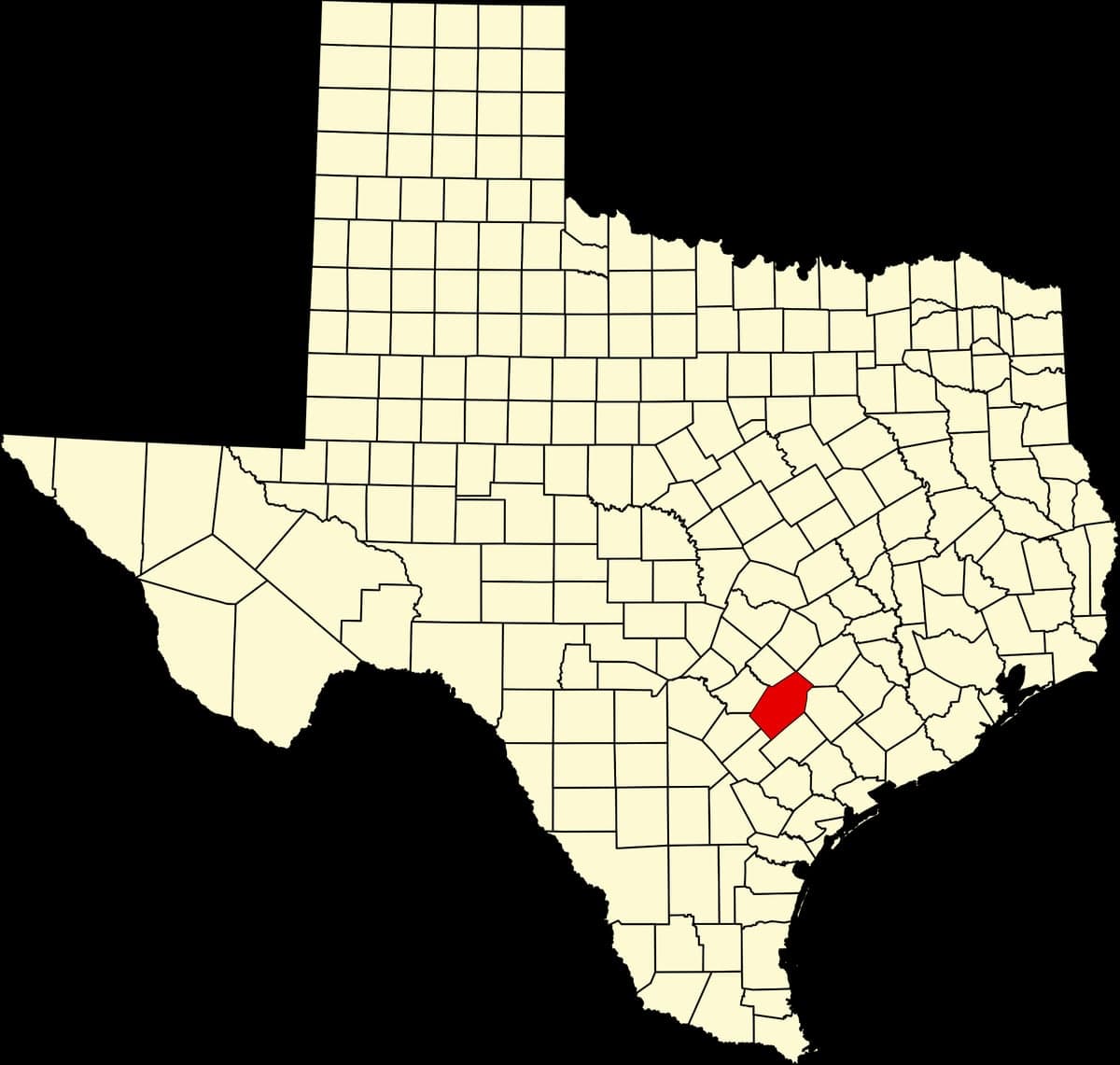
Gonzales County, Texas, offers a spectrum of quality-of-life options that range from the historic county seat of Gonzales to unincorporated crossroads communities, drawing a mix of agricultural families, commuters to the San Antonio-Austin corridor, and those seeking a low-cost, rural lifestyle. With a cost-of-living index of 66—well below the national average of 100—the county provides significant financial breathing room, but the daily experience varies markedly depending on whether you settle in a town with a grocery store and a school or on a ranch off a county road. The county's character is defined by its deep Texas history, working agricultural landscape, and a pace of life that slows considerably the further you get from U.S. Highway 183 and State Highway 97.
Largest town(s) & population centers
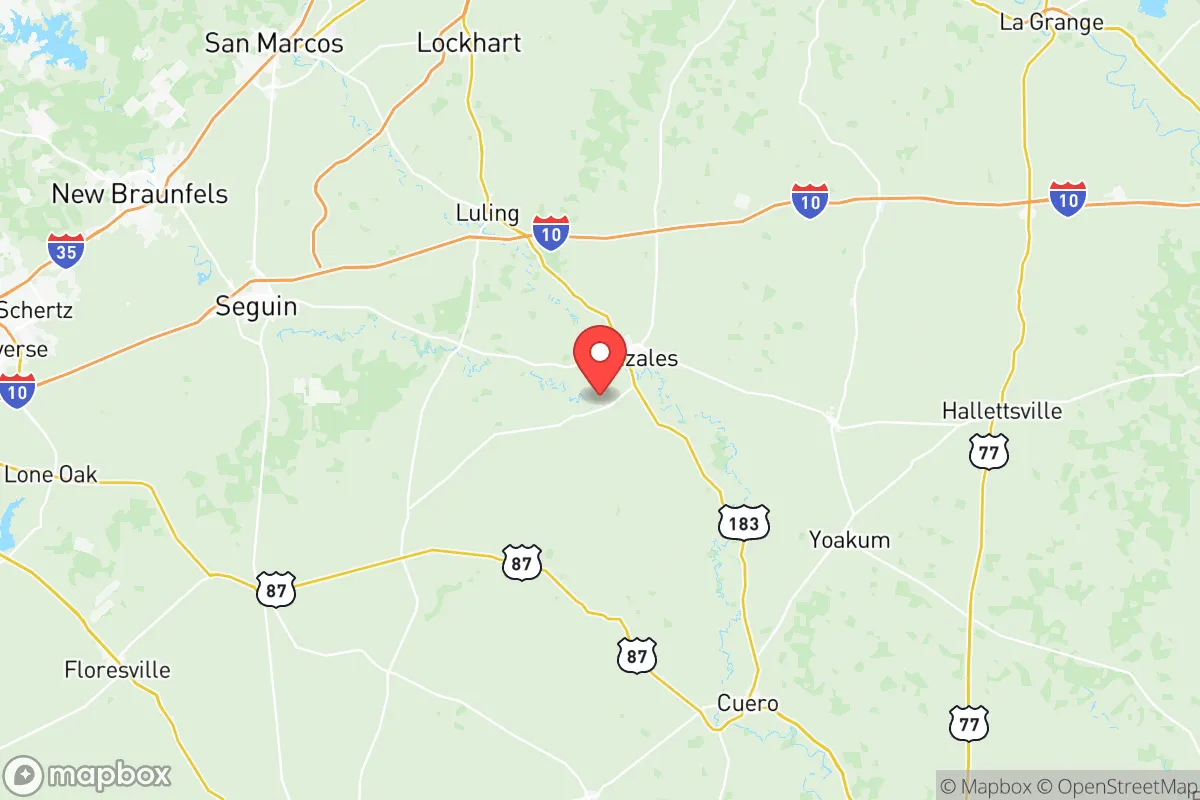
The county's undisputed hub is the city of Gonzales (population roughly 7,200), the county seat and the only incorporated city with a full suite of amenities. Daily life here revolves around the historic downtown square, anchored by the Gonzales County Courthouse, and practical necessities like H-E-B grocery, Walmart, and a regional hospital. The town is home to Gonzales High School and the Gonzales Warm Springs Rehabilitation Hospital, a major employer. Residents enjoy a walkable core, a public library, and community events like the Come and Take It Festival. Just south, the smaller city of Waelder (population ~1,000) sits along U.S. 90 and offers a quieter, more affordable alternative with its own school district and a short commute to Gonzales or even to San Marcos. Nixon (population ~2,500) in the county's northwest corner functions as a bedroom community for jobs in Seguin and San Antonio, with a small downtown and a strong sense of local identity centered on Nixon-Smiley Consolidated ISD.
Smaller towns & rural pockets
Beyond the three incorporated towns, Gonzales County is dotted with unincorporated communities that offer a distinctly different lifestyle. Smiley (population ~550) is a tight-knit agricultural community with a post office, a volunteer fire department, and a strong German-Texan heritage; it is home to the Smiley Independent School District, one of the smallest in the state. Leesville (population ~160) is a crossroads community near the Guadalupe County line, popular among those who want rural land but need quick access to the San Antonio metro via I-10. Harwood (population ~150) sits along the Guadalupe River and is a magnet for weekend anglers and those seeking riverfront property. Bebe and Ottine are unincorporated hamlets where homes sit on large lots or farmland, and where the nearest gas station or convenience store may be a 15-minute drive. These areas lack municipal services like water and sewer, requiring private wells and septic systems, which is a key trade-off for the lower land prices.
Cost & lifestyle range
The cost-of-living spread across Gonzales County is narrow in absolute terms but significant in lifestyle impact. At the low end, rural properties in areas like Bebe or Harwood can be found for under $100,000, and the median home value countywide is just $158,900—roughly half the Texas state median. Median rent is $837, making the county one of the most affordable in the Austin-San Antonio corridor. At the higher end, newer subdivisions on the outskirts of Gonzales, particularly along U.S. 183 south of town, feature homes in the $250,000–$350,000 range with modern amenities and larger lots. The average commute of 27.4 minutes reflects that many residents drive to jobs in Seguin (25 minutes), San Marcos (35 minutes), or even San Antonio (50 minutes). Those living in Nixon or Waelder tend to have longer commutes but lower housing costs, while residents in Gonzales proper enjoy the shortest commutes and best access to services. The lifestyle trade-off is clear: living in Gonzales town means sidewalks, streetlights, and a grocery store within walking distance; living in Smiley or Leesville means more land, more privacy, and a longer drive for milk and bread.
Gonzales County is best suited for those who prioritize affordability and space over urban amenities and who are comfortable with a slower, more self-reliant pace of life. Families who work in the San Antonio or Austin metros but want a low-cost home with acreage will find the northwest corner near Nixon or the I-10 corridor near Leesville appealing. Retirees and history enthusiasts often gravitate to Gonzales itself for its walkable downtown and medical access. Agricultural families and those seeking true rural isolation will feel at home in the unincorporated communities like Harwood or Bebe. The county offers a genuine slice of rural Texas living, but it demands a tolerance for long drives, limited dining and entertainment options, and a community where everyone knows your name—or at least your truck.

Crime in Gonzales County
Crime rates similar to the national median for U.S. locations.
Violent CrimeViolent Crime Analysis
Property CrimeProperty Crime Analysis
Crime Analysis
Gonzales County, Texas, reports a violent crime rate of 346.3 per 100,000 residents and a property crime rate of 1,798.2 per 100,000, placing it in a moderate-risk tier compared to other rural Texas counties. While these figures are lower than major urban centers like Houston or Dallas, they are elevated relative to the safest small towns in the state, such as Fairview or Trophy Club. The county’s safety profile is shaped by its small-town character, limited law enforcement resources, and the proximity of larger cities like San Antonio and Austin, which can influence local crime patterns through transient activity.
Crime in context
Gonzales County’s violent crime rate of 346.3 per 100,000 is roughly 15% higher than the Texas state average of 301 per 100,000 and significantly above the safest rural counties in the Hill Country, such as Kendall County (around 100 per 100,000). The property crime rate of 1,798.2 per 100,000 is about 10% below the Texas average of 2,000 per 100,000, but still higher than in communities like Shiner or Moulton, where rates often fall below 1,500 per 100,000. The county’s crime index is heavily influenced by the city of Gonzales, the county seat, which accounts for a disproportionate share of reported incidents due to its larger population and commercial activity. In contrast, smaller towns like Waelder and Nixon tend to see lower per-capita crime, though data for these communities is often aggregated into county totals.
What residents experience
Residents in Gonzales County most frequently encounter property crimes—burglary, theft, and vehicle break-ins—particularly in unlit rural areas and along major highways like U.S. 183 and State Highway 97. Violent crime, while less common, is concentrated in specific neighborhoods within the city of Gonzales, especially near the downtown corridor and older housing stock. The county’s District Attorney, as of 2026, operates under a conservative judicial philosophy, which aligns with the broader political lean of the region. This means prosecution rates for violent offenses are generally high, and plea deals for repeat offenders are less common than in progressive urban jurisdictions like Travis County (Austin) or Bexar County (San Antonio). For residents, this translates to a perception that the justice system prioritizes public safety over offender rehabilitation, a factor that can deter some property crimes but does not eliminate the risk of isolated violent incidents, such as domestic disputes or alcohol-related assaults.
Daily life in Gonzales County involves practical safety habits: locking vehicles and homes, avoiding isolated areas after dark, and staying informed through local sheriff’s office alerts. The county’s volunteer fire departments and community watch programs are active in towns like Smiley and Cost, but response times can exceed 20 minutes in remote stretches. For families, the presence of a conservative DA and sheriff’s office provides reassurance, but the lack of a major hospital or trauma center within the county means that serious incidents require transport to San Antonio or Austin, adding a layer of risk.
Neighborhood-level variation
Crime is not uniform across Gonzales County. The city of Gonzales itself sees the highest rates, with violent crime concentrated in the 78629 ZIP code, particularly around the historic square and adjacent low-income housing. Waelder, a small town of about 1,000 residents, reports violent crime rates near zero in most years, though property crime can spike during harvest seasons when transient labor passes through. Nixon, with a population under 2,500, has a mixed record: its proximity to Interstate 10 makes it a target for vehicle theft, but its tight-knit community and active police department keep violent crime rare. The unincorporated areas around Palmetto State Park and the Guadalupe River are generally safe, though isolated thefts from parked vehicles occur. For the safest living, residents often choose the outskirts of Gonzales or the smaller communities of Smiley and Cost, where neighborly vigilance and low population density reduce opportunities for crime.
* Values derived from national, state, county, city and local statistics and may differ in a specific area. Last updated: 2026-10-17T00:16:39.000Z
Narrative content on this page is AI-generated and may contain mistakes. Verify any details that matter before acting on them.
ReloMaps may earn a commission from affiliate links at no extra cost to you.

