Photo: Wikipedia
Political ClimatePolitical Climate in Westfield, IN
District shown is the primary district for this city’s centroid. Cities may span multiple districts.
Local Political AnalysisPolitical Analysis of Westfield, IN
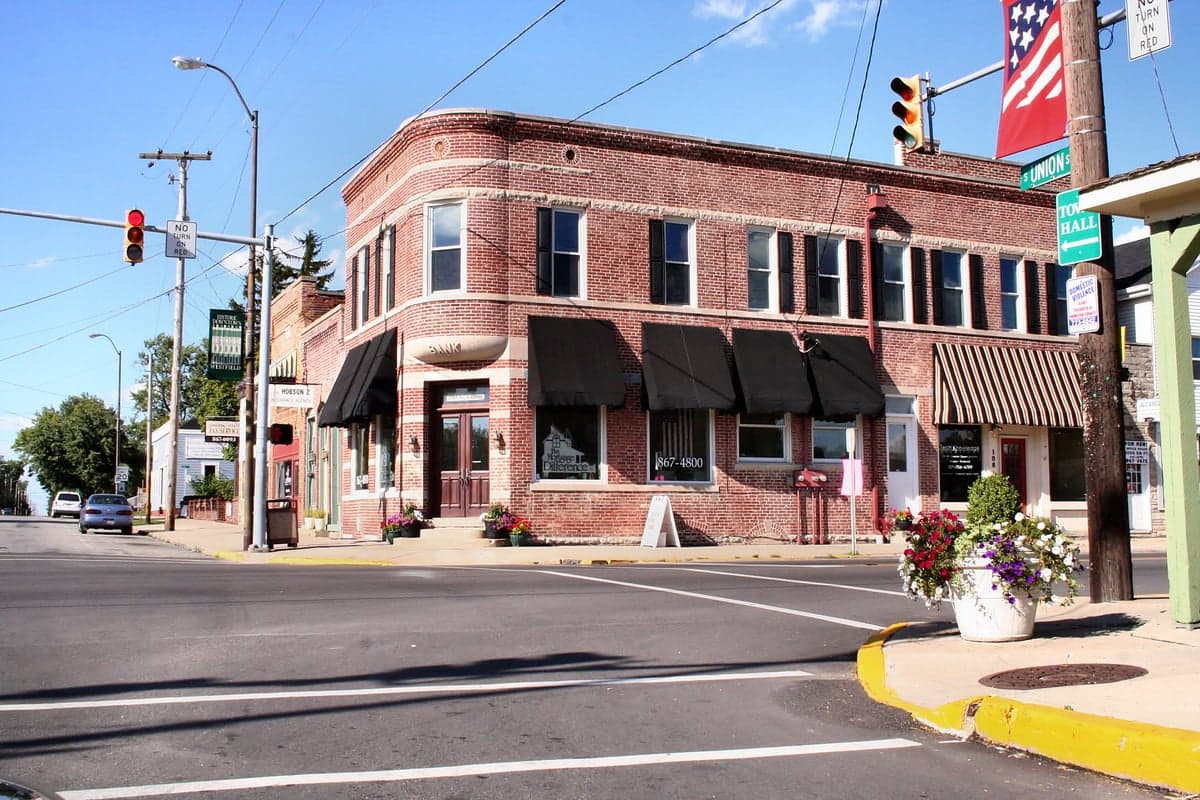
Westfield, Indiana, has long been a reliably conservative community, and the numbers back that up with a Cook PVI of R+8. But if you’ve lived here as long as I have, you know the political climate isn’t just about voting patterns—it’s about a way of life that’s increasingly under pressure. The town’s rapid growth, fueled by folks fleeing pricier and more progressive areas like Carmel and Indianapolis, has brought a steady influx of new residents. While many of them share our values, there’s a noticeable shift in the air, especially in local school board meetings and city council chambers, where the old-school “leave us alone” mindset is being challenged by louder calls for more government involvement in daily life.
How it compares
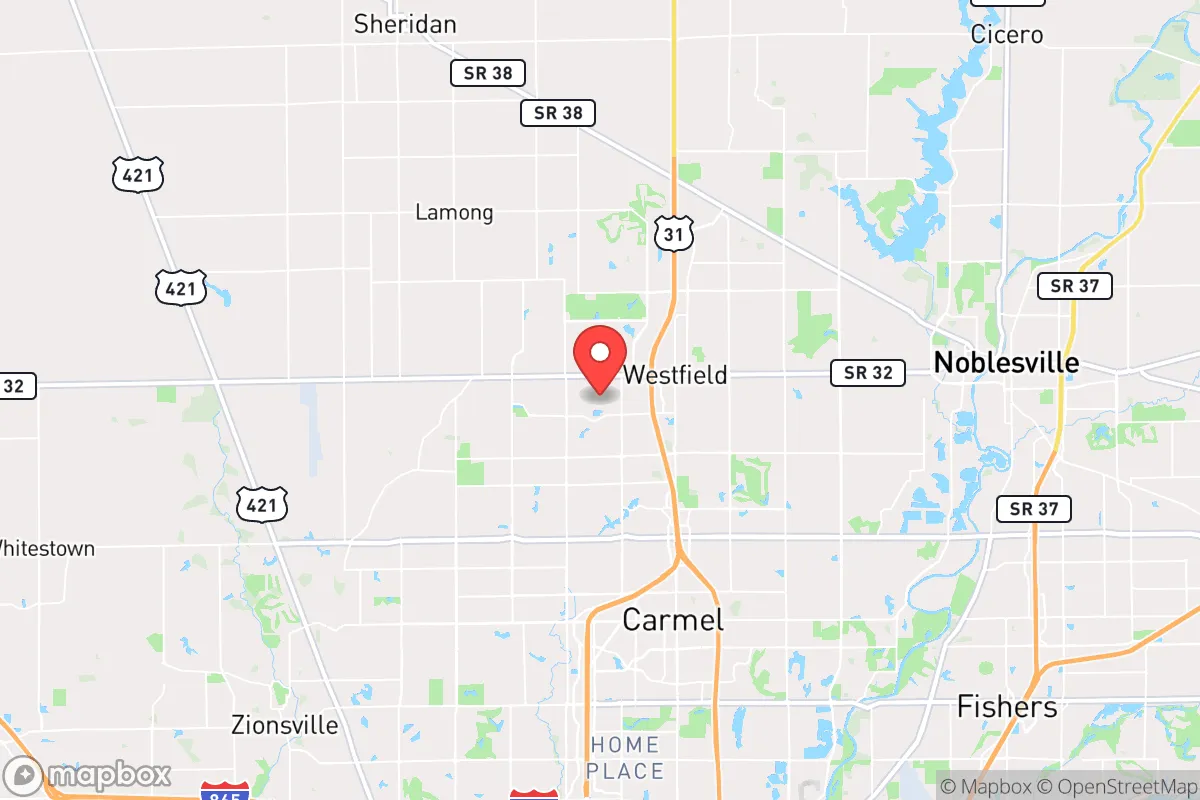
Compared to its neighbors, Westfield still feels like a bastion of common sense. Drive ten minutes south to Carmel, and you’ll find a city that’s fully embraced the progressive playbook—think bike lanes everywhere, higher taxes, and a mayor who’s more focused on national headlines than local potholes. Head east to Noblesville, and it’s a similar story, though a bit more tempered. Westfield, by contrast, has historically been the place where people moved to get away from that kind of overreach. But the lines are blurring. The 2024 election saw Hamilton County as a whole shift slightly left compared to 2020, and while Westfield itself held firm, the surrounding townships are starting to see more competitive races. The real contrast is with rural counties to the north, like Tipton or Clinton, where the political culture is still deeply skeptical of any government expansion. Westfield is caught in the middle—too big to ignore the pressures of suburbanization, but still small enough that a few bad policies can change the character of the place fast.
What this means for residents
For those of us who value personal freedom and limited government, the warning signs are there. The biggest red flag is the creeping influence of progressive ideology in local schools. A few years ago, you’d never hear talk of critical race theory or gender ideology in a Westfield classroom—now, it’s a recurring battle at school board meetings. The city council has also flirted with zoning changes that sound good on paper (like “affordable housing” mandates) but amount to government telling property owners what they can and can’t do with their land. Property taxes have been climbing, partly because of state-level decisions, but also because local officials are more willing to approve new spending without a fight. If you’re the kind of person who believes the best government is the one that stays out of your way, these trends are concerning. The long-term trajectory depends on whether enough residents show up to vote in local primaries and school board elections—not just presidential years.
Culturally, Westfield still has its small-town feel, but it’s fading. The annual Grand Park events and the downtown farmers market are great, but they’re also being used as platforms for political messaging that wouldn’t have flown a decade ago. The biggest policy distinction is that Westfield has so far resisted the push for a local income tax, unlike Carmel and Fishers. That’s a win for fiscal conservatism, but it’s under constant attack from those who want more government services. My honest take? We’ve got maybe five to ten years before the political character of this town changes for good—unless we get serious about holding the line on government overreach. If you’re thinking of moving here, do it soon, and get involved in the local GOP precinct meetings. That’s where the real fight is.

State Political ClimatePolitical Climate in Indiana
State Political AnalysisPolitical Environment in the State
Indiana has been a reliably Republican state for decades, but the nature of that conservatism has shifted significantly. While the state hasn’t voted for a Democratic presidential candidate since 2008 (when Barack Obama narrowly won it), the real story is the growing intensity of the rural-urban split and a quiet but steady rightward drift on cultural and economic issues. Over the last 10-20 years, the GOP has consolidated power at the statehouse, moving from a moderate, business-friendly conservatism to a more populist, culturally assertive one, while the Democratic stronghold has shrunk almost entirely to a few urban islands.
Urban vs. rural divide
The political map of Indiana is stark. The entire state outside of a handful of counties is deep red. Marion County (Indianapolis) is the lone Democratic bastion of any size, consistently delivering 60-65% of its vote to Democrats. The other blue dots are Lake County (Gary and the Chicago suburbs) and Monroe County (Bloomington, home to Indiana University). These three counties account for nearly all Democratic votes statewide. Meanwhile, the rest of the state—places like Fort Wayne, Evansville, South Bend, and Terre Haute—have become reliably Republican, even in areas that once had strong union and Democratic traditions. The shift is most visible in the old industrial towns: Kokomo and Muncie have flipped hard red, driven by cultural issues and a rejection of national Democratic messaging. The rural counties, particularly in the south and central parts of the state, routinely vote 75-80% Republican. This isn't a purple state; it's a red state with a few blue cities that have little statewide influence.
Policy environment
Indiana’s policy environment is among the most conservative in the Midwest, and it has been trending that way for a decade. The state has a flat income tax rate of 3.15% (down from 3.23% in 2024, with a scheduled phase-out to 2.9% by 2027), no inheritance tax, and a relatively low corporate tax rate. Property taxes are capped at 1% of assessed value for homesteads, which is a major draw for families. On education, Indiana was an early adopter of school choice, and the state’s voucher program is one of the most expansive in the nation, covering nearly all low- and middle-income families. The state also passed a near-total abortion ban in 2022 (Senate Enrolled Act 1), with exceptions only for rape, incest, and life of the mother. Indiana is a "right-to-work" state and a "shall-issue" state for concealed carry permits (permitless carry was enacted in 2022). Election laws have tightened: voter ID is required, and the state purges inactive voters regularly. There is no no-excuse absentee voting; you need a state-approved excuse to vote by mail. Overall, the policy environment is designed to limit government growth and maximize individual choice in education and economic activity, though critics argue the tax cuts have strained public services.
Trajectory & freedom
On the freedom front, Indiana has been moving in a decidedly libertarian-conservative direction over the past five years. The most significant expansion of personal liberty was the passage of permitless carry (House Enrolled Act 1296) in 2022, which allows any law-abiding adult to carry a handgun without a license. That was a major win for gun rights advocates. On parental rights, the state passed a law in 2023 requiring schools to notify parents if a child requests a name or pronoun change, and it banned instruction on human sexuality in grades K-3. Medical freedom saw a setback with the abortion ban, but the state has not imposed COVID-19 vaccine mandates or mask mandates since 2021, and the legislature has actively blocked local health departments from imposing such measures. Property rights are strong: Indiana is a "right-to-farm" state, limiting nuisance lawsuits against agricultural operations. The biggest concern for freedom-minded residents is the state's heavy reliance on property taxes for local services, though the caps provide a ceiling. Indiana is becoming more free on cultural and Second Amendment issues, but less free on healthcare choices for women, which is a trade-off that aligns with its conservative base.
Civil unrest & political movements
Indiana has not seen the kind of large-scale civil unrest seen in coastal states, but there have been notable flashpoints. The 2020 George Floyd protests in Indianapolis led to several nights of property damage and clashes with police, but the response was relatively restrained compared to Portland or Seattle. The most organized political movements are on the right: the Indiana Republican Party has been increasingly influenced by grassroots conservative groups like the Indiana Family Institute and local "Moms for Liberty" chapters, which have been active in school board races, particularly in suburbs like Hamilton County (Carmel, Fishers, Noblesville). These groups have successfully pushed for curriculum transparency and parental notification policies. On the left, the Indiana Democratic Party is largely moribund outside of Indianapolis and Bloomington, but activist groups like the Indiana Chapter of the ACLU have been active in challenging the abortion ban and voter ID laws. Immigration politics are relatively quiet, as Indiana is not a border state and has a small foreign-born population (around 5%). There is no sanctuary city movement of any significance. Election integrity controversies have been minimal; the state's voter ID law and regular purges are accepted by both parties as standard practice. The most visible political flashpoint for a new resident would likely be the ongoing debate over school curriculum and library books in suburban school districts.
Projection
Over the next 5-10 years, Indiana is likely to become even more Republican, but with a growing internal tension between the business-friendly, Chamber of Commerce wing and the populist, culturally conservative wing. The state is experiencing modest in-migration from Illinois and California, particularly to the Indianapolis suburbs and the Lake Michigan shoreline (places like Chesterton and Michigan City). These newcomers tend to be more moderate and fiscally conservative, which could soften the edges of the state's cultural conservatism over time. However, the rural and small-town population is aging and shrinking, while the urban cores are growing younger and more diverse. This will likely deepen the urban-rural divide. The flat tax phase-out will continue to squeeze state revenues, potentially leading to cuts in services or a push for a sales tax increase. The biggest wildcard is the abortion ban: if it leads to a shortage of OB-GYNs in rural areas (which is already happening), it could create a backlash among moderate voters. But for now, the trajectory is clear: Indiana will remain a solidly red state with a conservative policy environment, though the flavor of that conservatism may shift from cultural to economic as new residents arrive.
Bottom line for a new resident: If you're looking for a state where your taxes are low, your gun rights are protected, your kids won't be taught critical race theory in elementary school, and your vote actually counts in a Republican primary, Indiana is a strong choice. You'll find a welcoming environment in the suburbs of Indianapolis (Carmel, Zionsville, Greenwood) or in smaller cities like Columbus or Warsaw. Just be prepared for a state that is culturally homogeneous outside of a few urban pockets, and understand that the political debate here is not about whether to be conservative, but what kind of conservative to be. The state is stable, safe, and predictable—which is exactly what many relocating families and individuals are seeking.
* Values derived from national, state, county, city and local statistics and may differ in a specific area. Last updated: 2026-04-22T12:25:36.000Z
Narrative content on this page is AI-generated and may contain mistakes. Verify any details that matter before acting on them.
ReloMaps may earn a commission from affiliate links at no extra cost to you.

