 Popular
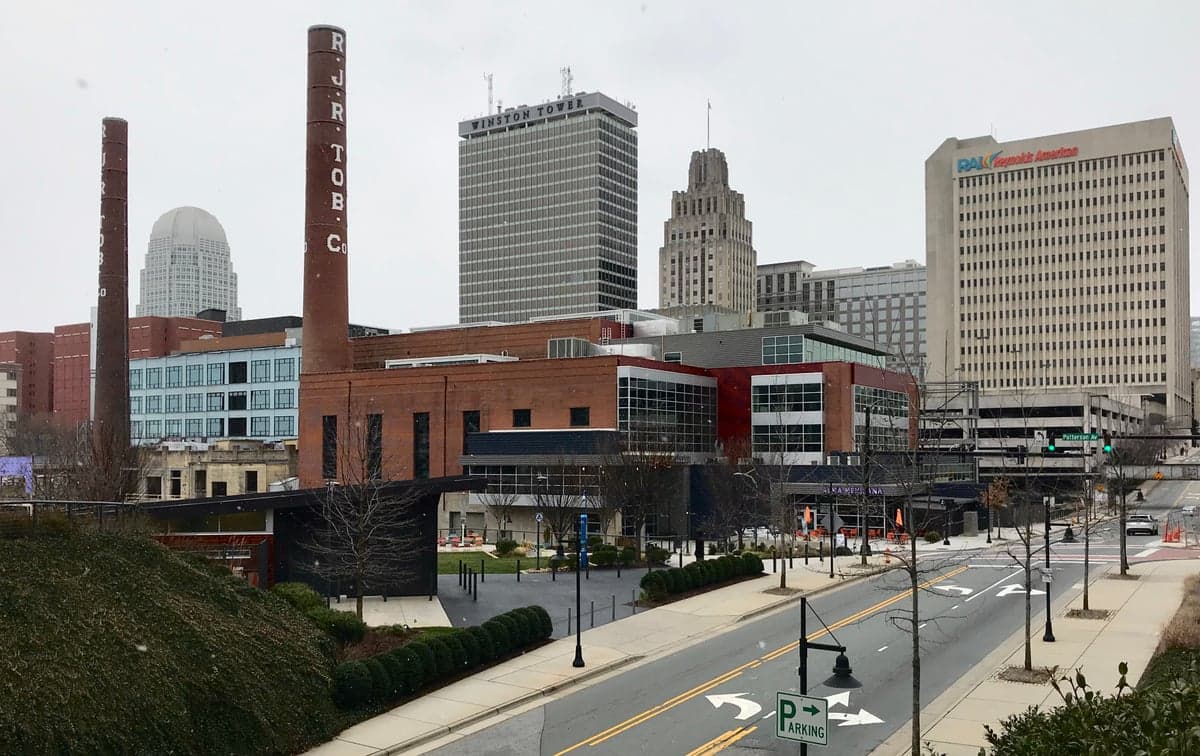
Photo: Wikipedia
Quality of Life in Winston Salem, NC
Above-average quality of iife. The area offers a reasonable cost of living, decent mobility, and a mix of neighborhood amenities.
What does Quality of Life tell us?
Quality of Life blends cost of living, nearby amenities, socioeconomic signals, and neighborhood character. City-level scores represent the whole municipality; individual neighborhoods can differ.
What does this tell us?
Quality of Life blends cost of living, nearby amenities, socioeconomic signals, and neighborhood character. City-level scores represent the whole municipality; individual neighborhoods can differ.
Cost of Living
17% below national average
The Real Cost of Living in Winston Salem, NC for 2026
| Tier | Individual | Family (4) |
|---|---|---|
| Survival | $16k | $31k |
| Comfortable | $40k | $59k |
| Luxury | $104k+ | $161k+ |
| Elite (Top 5%) | $146k+ | $226k+ |
97%
The Area Signal
A metric tracking the socioeconomic signals of the area.
Hobbies
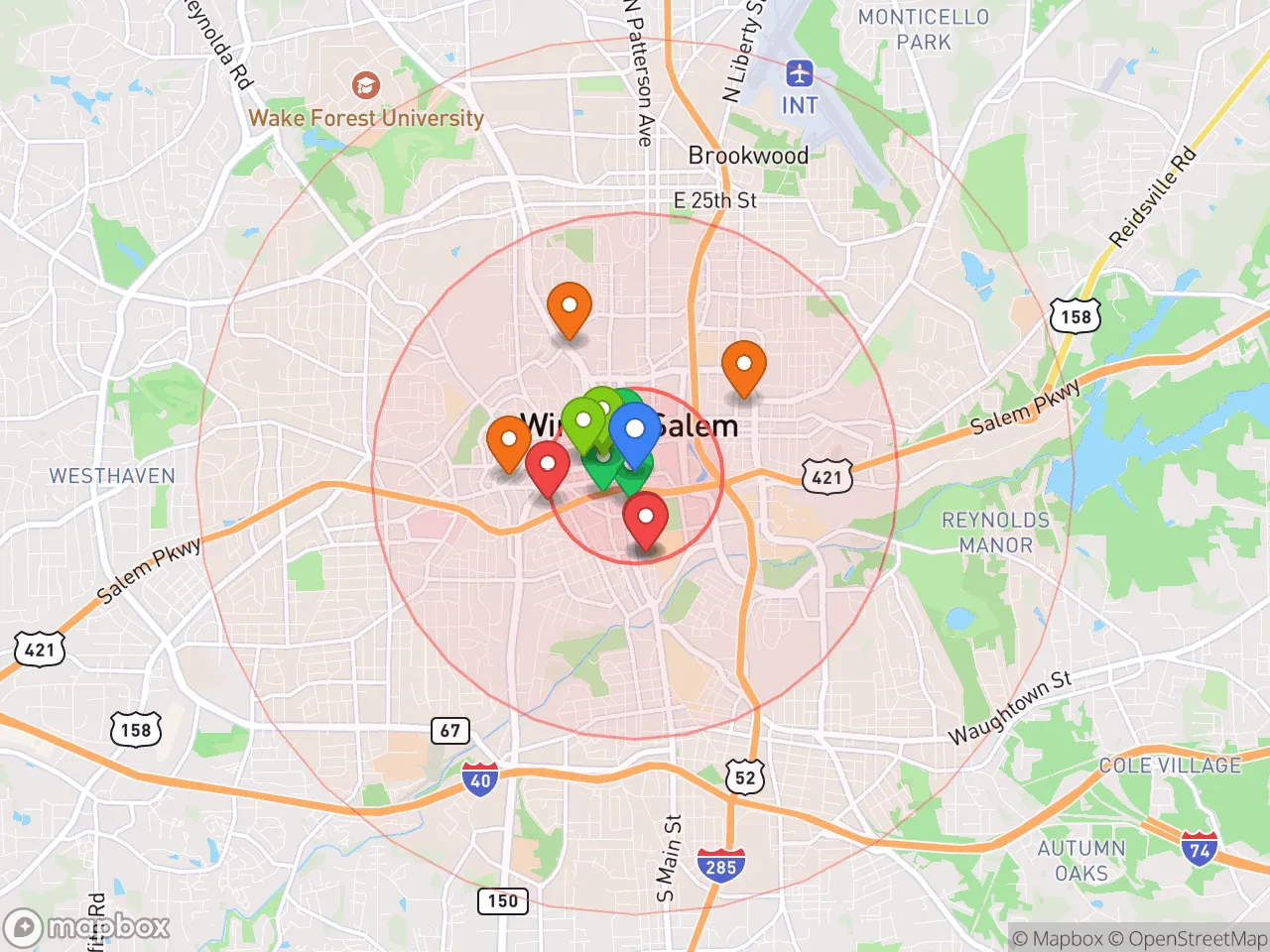
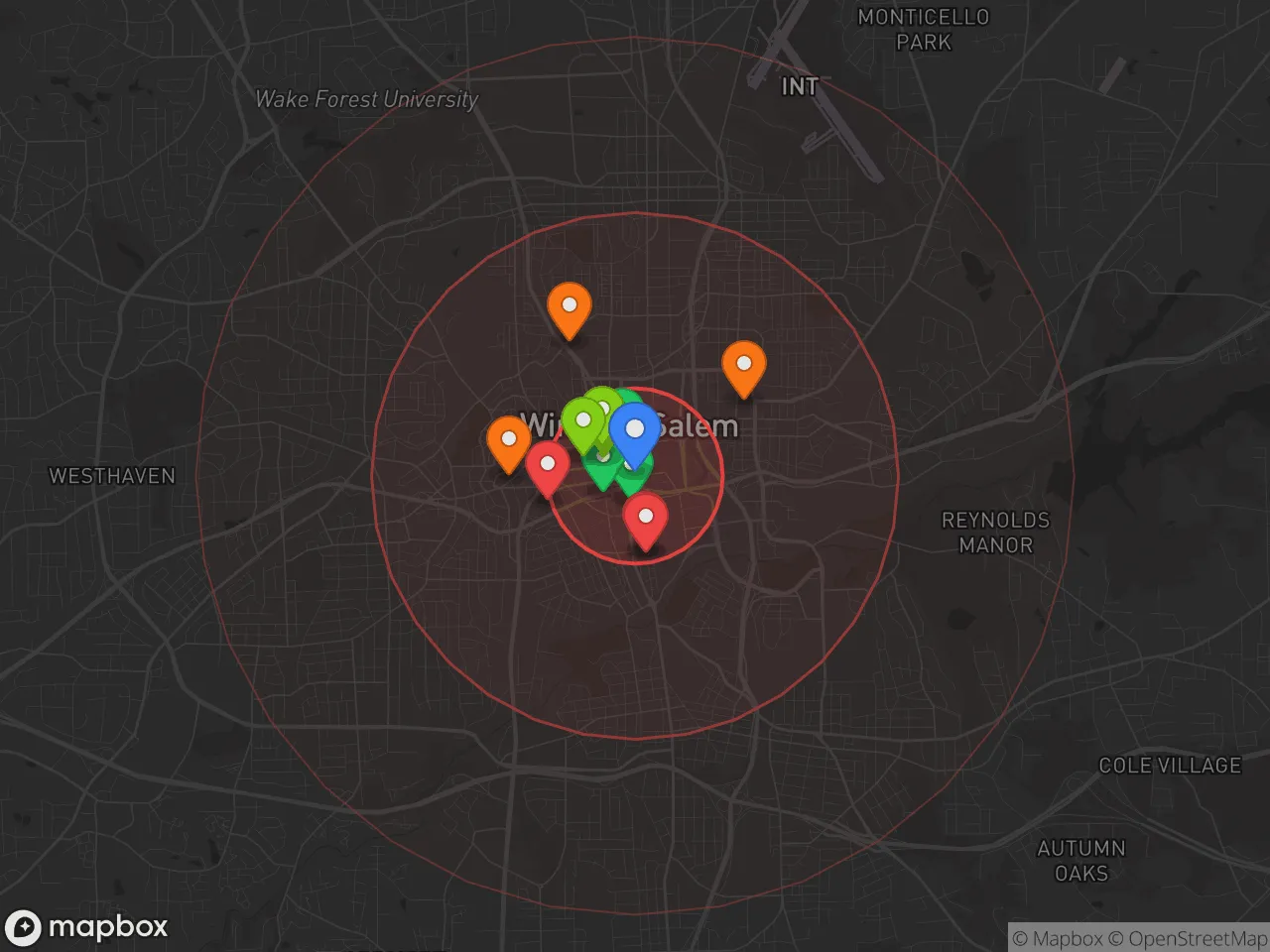
Explore the areaGroceries
6 within 10 miles
Gas
20 within 10 miles
Hospital
11 within 20 miles
Airport
CLT — Charlotte Douglas International
Post Office
USPS — Winston Salem, NC
Critical Amenities
Quality-of-Life Analysis
Winston-Salem offers a quality of life that blends Southern charm with urban reinvention, attracting a mix of young professionals, growing families, and retirees drawn by its affordability and cultural depth. The city’s cost of living index sits at 83 (100 = U.S. average), making it significantly cheaper than the national norm while still providing access to major employers like Wake Forest Baptist Health, Reynolds American, and the burgeoning innovation district around Wake Forest Innovation Quarter. This economic anchor, combined with a median household income that outpaces the state average for similar-sized metros, creates a community where middle-class stability is attainable without the financial strain found in Charlotte or Raleigh.
Cost of living, housing affordability, and how it compares to nearby areas
Winston-Salem’s housing market is a primary draw for newcomers. The median home value is $208,200, roughly half the national median and well below the $350,000+ averages in the Raleigh-Durham corridor. Median rent is $1,033, which undercuts nearby Greensboro (around $1,150) and High Point (around $1,100), making the Triad’s largest city the most affordable rental market in the region. Property taxes in Forsyth County average about 0.75% of assessed value, keeping monthly carrying costs low even for first-time buyers. The average commute of 21.8 minutes is shorter than the national average of 26 minutes, meaning residents spend less time in traffic and more time at home or in the city’s revitalized downtown. Compared to Charlotte (30+ minute average commutes and home values above $400,000), Winston-Salem offers a clear affordability advantage without sacrificing job access.
What daily life is like for families: schools, parks, and local amenities
Daily life in Winston-Salem revolves around a mix of historic neighborhoods like Ardmore and West End, and newer suburban developments in Clemmons and Lewisville. The city’s public school system, Winston-Salem/Forsyth County Schools, includes magnet programs like the Early College of Forsyth and the Arts-Based School, which draw families seeking specialized education. For recreation, the 1,100-acre Salem Lake offers fishing, hiking, and a 7-mile trail loop, while the city’s 80+ parks include the newly renovated Bailey Park in the Innovation Quarter. The downtown arts scene is anchored by the Stevens Center for the Performing Arts and the Reynolda House Museum of American Art, providing cultural amenities that rival much larger metros. The rhythm of life is slower than the Research Triangle but faster than rural Piedmont towns, with a growing number of farm-to-table restaurants, craft breweries, and coffee shops filling the former tobacco warehouses along Trade Street.
Winston-Salem is best suited for those who value a lower cost of living without sacrificing urban amenities or career opportunities in healthcare, education, and advanced manufacturing. Young professionals will find a growing job market in biotech and tech services, while families benefit from affordable housing and a commute that leaves room for weekend trips to the Blue Ridge Parkway (just 45 minutes west). Retirees are drawn to the mild climate, walkable historic districts, and access to Wake Forest Baptist’s top-tier medical facilities. The city’s main trade-off is a less dynamic nightlife and slower pace compared to Charlotte or Raleigh, but for anyone prioritizing financial breathing room and a balanced lifestyle, Winston-Salem delivers a quality of life that consistently ranks among the best values in the Southeast.

Crime in Winston Salem, NC
Crime rates similar to the national median for U.S. locations.
Violent CrimeViolent Crime Analysis
Property CrimeProperty Crime Analysis
Crime Analysis
Winston-Salem presents a mixed safety profile, with crime rates that fall below the national average for violent offenses but exceed it for property crime. The city recorded a violent crime rate of 299.4 per 100,000 residents and a property crime rate of 1,659.9 per 100,000, according to the most recent FBI data. While the violent crime figure is lower than the U.S. average of roughly 380 per 100,000, the property crime rate sits above the national benchmark of approximately 1,950 per 100,000, indicating that theft, burglary, and vehicle break-ins are more common concerns than physical assault or robbery.
Crime in context
Compared to other mid-sized North Carolina cities, Winston-Salem’s violent crime rate is notably lower than Durham (roughly 700 per 100,000) and Fayetteville (over 800 per 100,000), but higher than the state’s safest suburbs like Cary or Apex. Property crime in Winston-Salem is elevated relative to the state average of about 1,500 per 100,000, driven largely by larceny and motor vehicle theft. A significant factor in the city’s crime dynamics is the influence of Forsyth County’s elected district attorney and judges, who have pursued progressive criminal justice reforms in recent years. These policies, which emphasize diversion programs and reduced pretrial detention, have been criticized by law enforcement for contributing to repeat offending and a perception of leniency. Residents should be aware that such ideological approaches, while intended to reduce incarceration, can result in more criminals remaining on the street and a diminished sense of accountability for property crimes.
What residents experience
Daily life for most Winston-Salem residents involves a low risk of violent victimization, but property crime is a tangible nuisance. Neighborhoods near downtown and along major corridors like Peters Creek Parkway and Silas Creek Parkway report higher incidences of car break-ins and package theft. The city’s police department has responded with targeted patrols and community watch programs, but the underlying challenge of a justice system that prioritizes offender rehabilitation over public safety remains. For families and retirees, this means that securing homes with alarms, using well-lit parking, and avoiding high-crime blocks after dark are practical precautions. The presence of progressive judges who frequently release nonviolent offenders on personal recognizance bonds has been linked to higher recidivism rates for theft and burglary, a pattern that directly impacts victims who see little restitution or prosecution.
Neighborhood-level variation is significant. The affluent, historic districts of Buena Vista and Ardmore enjoy very low crime rates, while areas like East Winston and parts of the Southside experience violent crime rates two to three times the city average. The city’s overall numbers mask this disparity: a resident in a gated community near Wake Forest University faces a dramatically different safety reality than someone living near the intersection of Liberty Street and Martin Luther King Jr. Drive. Prospective movers should research specific census tracts and consult local police precinct reports, as block-by-block conditions can shift sharply within a mile. The combination of a progressive prosecutorial philosophy and concentrated poverty in certain neighborhoods creates a safety landscape where vigilance is warranted, particularly for property crime and occasional violent incidents.
* Values derived from national, state, county, city and local statistics and may differ in a specific area. Last updated: 2026-05-03T04:51:02.000Z
Narrative content on this page is AI-generated and may contain mistakes. Verify any details that matter before acting on them.
ReloMaps may earn a commission from affiliate links at no extra cost to you.

