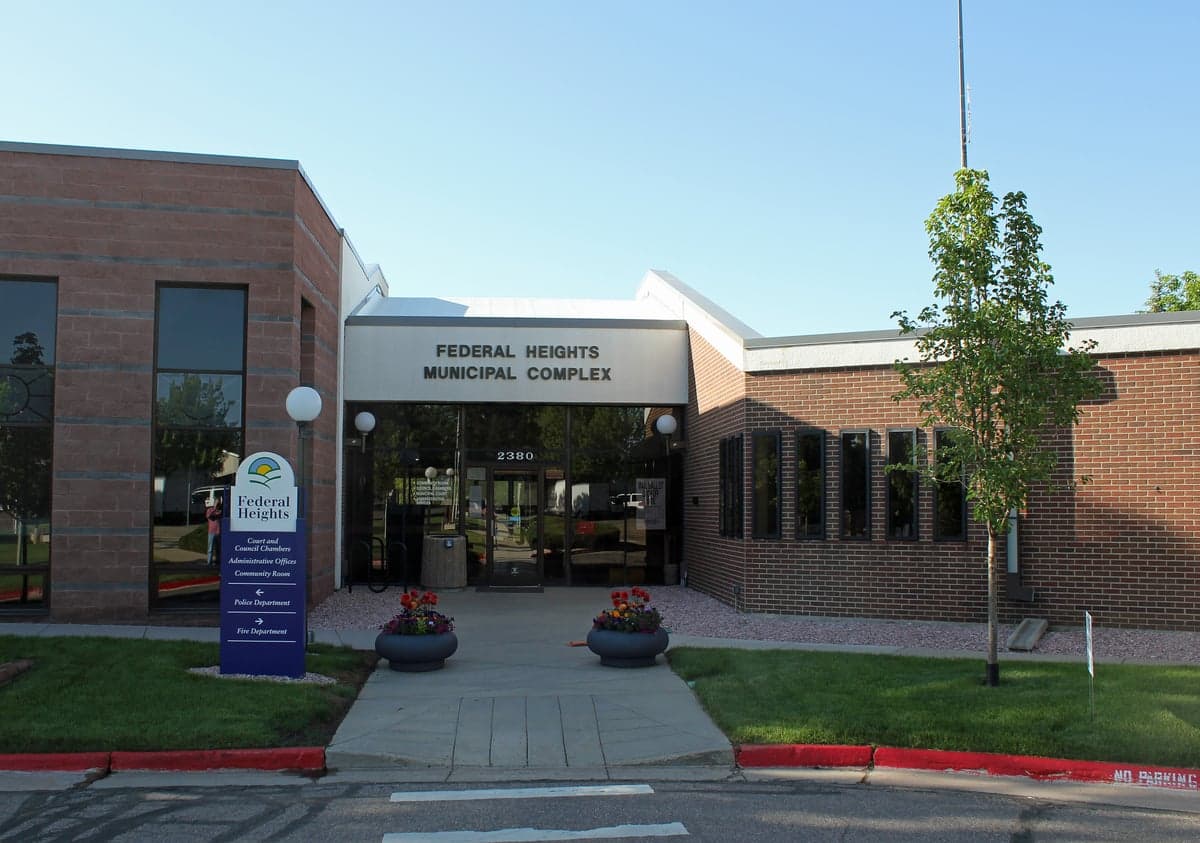
Photo: Wikipedia
Political ClimatePolitical Climate in Federal Heights, CO
District shown is the primary district for this city’s centroid. Cities may span multiple districts.
Local Political AnalysisPolitical Analysis of Federal Heights, CO
Look, I’ve been in Federal Heights long enough to remember when this town was a quiet, no-nonsense place where folks kept to themselves and the government mostly stayed out of your business. Politically, we’re sitting right on the fence—Cook PVI rates us as EVEN, which means we’re a true swing area, not solidly red or blue. That’s a double-edged sword. On one hand, it means our votes actually matter in statewide races. On the other, it’s made us a target for outside interests trying to tilt things leftward. Over the last decade, I’ve watched the local council meetings get more heated, with progressive activists pushing for things like higher density zoning and “equity” programs that sound good on paper but usually mean more rules and less freedom for the average homeowner. The trajectory is worrying: if we’re not careful, Federal Heights could drift into the same kind of over-regulated mess you see in Boulder or Denver proper.
How it compares
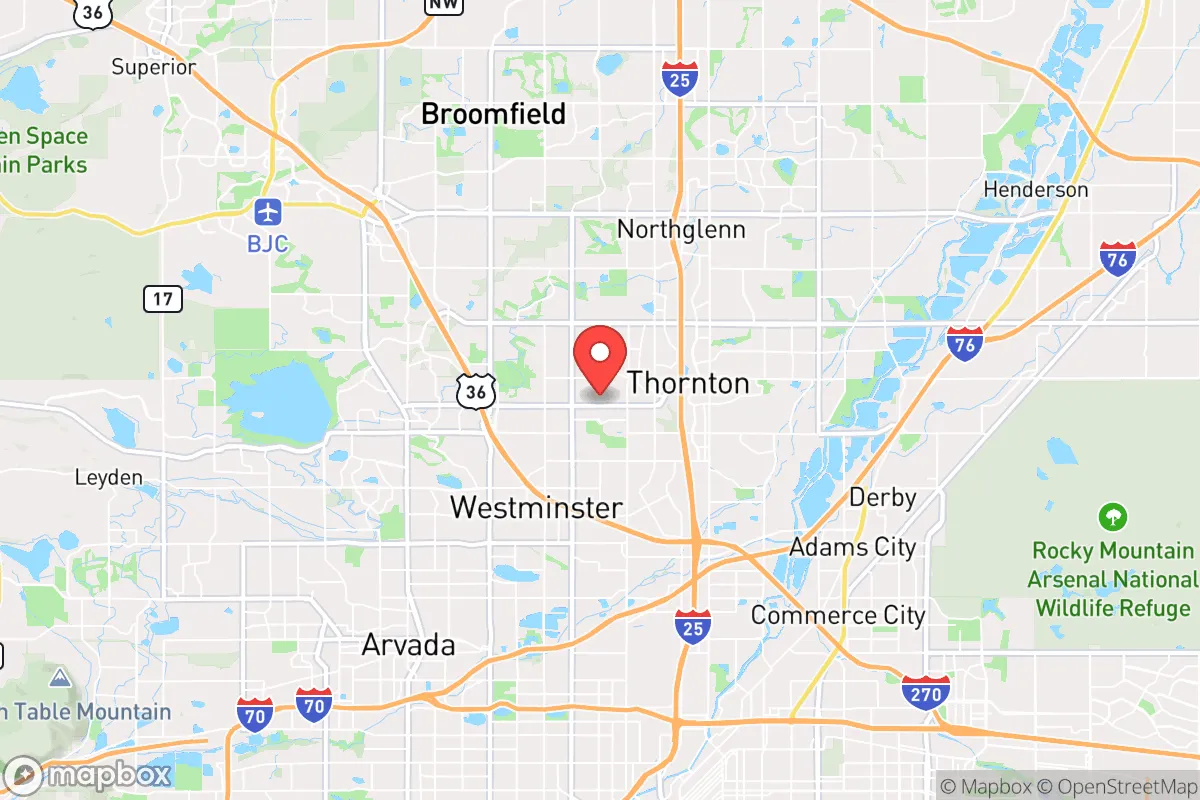
Drive ten minutes south into Thornton or Westminster, and you’ll feel the difference immediately. Those suburbs have gone hard progressive—Thornton’s city council has passed rent control ordinances and mandatory paid leave mandates that small business owners here can’t stomach. Head north to Northglenn, and it’s a mixed bag, but still leans more left than we do. The real contrast is with places like Erie or even parts of Broomfield, where property rights and lower taxes are still respected. Federal Heights sits in this weird middle ground: we’re close enough to Denver to feel the cultural pull, but far enough that a lot of us still remember when the biggest issue was fixing potholes, not debating gender ideology in schools. Our neighbors to the west in Arvada are more conservative, but even they’re seeing the same creeping government overreach—new fees on single-family homes, stricter noise ordinances, and a general attitude that the city knows better than you do.
What this means for residents
For the average person living here, the political climate translates directly into your wallet and your daily life. Property taxes have crept up as the county tries to fund more social programs, and you’ll notice new “climate action” fees tacked onto your utility bill—fees that don’t actually fix anything but do pad the bureaucracy. The school board has been a battleground, with some members pushing for curriculum changes that emphasize activism over academics. If you value personal freedoms—like the right to build a shed without three permits, or the right to teach your kids what you want—you’ll want to stay engaged. The local elections are where the real fights happen, because once a progressive majority gets in, it’s hard to roll back the regulations they pile on. I’ve seen it happen in nearby towns: first it’s a “sustainability” board, then a “diversity” commission, and before you know it, you need a license to mow your own lawn.
Culturally, Federal Heights still has a bit of that old Colorado independence—people wave, neighbors help each other, and the Fourth of July parade is still about flags and fire trucks, not identity politics. But the pressure is real. The city council recently debated a “welcoming city” resolution that would have limited cooperation with federal immigration enforcement, which is a classic first step toward sanctuary policies. It failed by one vote, but that margin is shrinking every election cycle. Long-term, if we don’t hold the line, I see us becoming another Thornton—a place where the government treats you like a child and taxes you like a corporation. For now, we’re still a pocket of sanity in a state that’s gone off the rails, but it takes constant vigilance. If you’re thinking of moving here, just know that your vote actually counts—and you’ll need to use it.

State Political ClimatePolitical Climate in Colorado
State Political AnalysisPolitical Environment in the State
Colorado has shifted from a classic purple swing state to a solidly blue-leaning state over the past two decades, with Democrats now controlling the governorship, both U.S. Senate seats, and both chambers of the state legislature. The state voted for Joe Biden by 13 points in 2020 and for Hillary Clinton by 5 points in 2016, a stark contrast from 2004 when George W. Bush won the state by 5 points. This transformation has been driven by explosive population growth in the Denver metro area and along the Front Range, while rural and mountain communities have grown increasingly conservative in response.
Urban vs. rural divide
The political map of Colorado is a tale of two worlds. The Denver metro area — including Denver, Aurora, Boulder, and the surrounding suburbs — accounts for roughly 60% of the state's population and votes overwhelmingly Democratic. Boulder County is one of the most liberal counties in the nation, routinely giving Democrats 75-80% of the vote. Meanwhile, the Eastern Plains, the Western Slope, and the San Luis Valley are deeply conservative. El Paso County (Colorado Springs) remains a Republican stronghold, though its margins have shrunk as the city has grown. Weld County (Greeley) and Mesa County (Grand Junction) are reliably red, with Mesa County voting +25 points for Trump in 2020. The suburban counties that once decided elections — Jefferson, Arapahoe, and Larimer — have all trended blue over the last decade, with Jefferson County flipping from red to blue in 2016 and staying there. Douglas County, south of Denver, remains the last major suburban holdout for Republicans, but even there, margins have tightened from +30 points in 2012 to about +12 points in 2020.
Policy environment
Colorado's policy environment reflects its blue governance. The state has a flat income tax rate of 4.4%, which voters rejected an attempt to raise to a progressive structure in 2020. Property taxes are relatively low compared to Texas or the Northeast, but the state's Taxpayer Bill of Rights (TABOR) — a constitutional amendment that limits revenue growth and requires voter approval for tax increases — has been steadily eroded by Democratic legislatures. In 2023, lawmakers referred a measure to voters that would have gutted TABOR's refund mechanism; it failed, but the fight continues. The regulatory posture is increasingly aggressive: Colorado was the first state to implement a strict plastic bag ban, has some of the nation's toughest oil and gas regulations (SB 19-181), and mandates a 100% renewable energy grid by 2040. Education policy is dominated by the Colorado Department of Education, which has pushed critical race theory-adjacent curricula and gender identity policies in schools. The state's school choice system, once a national model, has been weakened by Democratic legislatures that have defunded charter schools and opposed voucher programs. Healthcare is heavily regulated, with a state-run insurance exchange and a public option pilot program that has driven up costs for private plans. Election laws have been liberalized significantly: Colorado was one of the first states to adopt universal mail-in voting, automatic voter registration, and same-day registration, which critics argue has eroded ballot security.
Trajectory & freedom
Colorado is becoming less free by nearly every measure of personal liberty. On gun rights, the state has passed some of the nation's strictest laws: a 2013 magazine capacity ban (15 rounds), a 2023 "red flag" law that allows courts to confiscate firearms without a criminal conviction, and a 2024 law raising the purchase age for all firearms to 21. The state also banned the sale of "assault weapons" in 2024, though enforcement is being challenged in court. On parental rights, Colorado passed a 2023 law that allows minors to access abortion and gender transition procedures without parental consent, and the state's Department of Education has issued guidance requiring schools to affirm a student's chosen gender identity without notifying parents. Medical autonomy has been curtailed by vaccine mandates for healthcare workers and school employees, and the state's public health orders during COVID were among the most restrictive in the nation, including a prolonged stay-at-home order and mask mandates that lasted into 2022. Property rights have been weakened by a 2021 law that allows local governments to impose rent control, and by a 2023 law that restricts short-term rentals in mountain towns. On the positive side for conservatives, Colorado remains a right-to-work state, and the state's oil and gas industry, while heavily regulated, still provides significant economic freedom for those in the energy sector.
Civil unrest & political movements
Colorado has seen significant political activism from both sides. The 2020 George Floyd protests in Denver turned violent, with looting and fires in the downtown area, and the city's Democratic leadership was criticized for a slow police response. The state has a robust sanctuary policy: Colorado's "Protect Colorado" law (2019) limits cooperation between local law enforcement and federal immigration authorities, and Denver has been a "sanctuary city" since 2017. This has created tension with rural counties, some of which have declared themselves "Second Amendment sanctuaries" and "sanctuary counties for the unborn." The Colorado Republican Party has been fractured between establishment and populist factions, with the latter pushing for a "Colorado Independence" movement that has gained little traction. Election integrity remains a flashpoint: the 2020 election in Colorado was conducted entirely by mail, and while no widespread fraud was found, the state's lack of voter ID requirements and the use of unverified ballot drop boxes have fueled ongoing distrust. The state's most visible political movement is the "Colorado Project," a left-wing organizing effort that has successfully flipped suburban legislative seats. On the right, the "Colorado Rising" movement has focused on school board elections and parental rights, with some success in Douglas and El Paso counties.
Projection
Over the next 5-10 years, Colorado is likely to continue its leftward drift. The Denver metro area is growing faster than the rest of the state, and in-migration from California, Texas, and the Northeast is bringing more Democratic voters. The state's Democratic supermajority in the legislature is likely to persist, and further restrictions on gun rights, energy production, and parental authority are probable. The state's housing crisis — driven by restrictive zoning and high demand — could eventually moderate growth, but for now, the political trajectory is clear. A conservative moving to Colorado should expect to live in a state where their values are increasingly in the minority, especially in urban and suburban areas. The rural and mountain communities will remain conservative, but they lack the population to swing statewide elections. The best bet for a conservative is to settle in El Paso County (Colorado Springs), Weld County (Greeley), or Mesa County (Grand Junction), where local governance is still friendly to conservative values, even if state policy is not.
For a new resident, the bottom line is this: Colorado offers stunning natural beauty, a strong economy, and a relatively low tax burden, but it comes with a political environment that is actively hostile to gun rights, parental authority, and traditional values. If you're willing to fight for your freedoms at the local level and accept that state policy will be against you, you can still find a good life here. But if you're looking for a state that respects your personal liberty and your right to raise your family without government interference, you may want to look at Wyoming, Idaho, or Texas instead.
* Values derived from national, state, county, city and local statistics and may differ in a specific area. Last updated: 2026-04-23T02:11:02.000Z
Narrative content on this page is AI-generated and may contain mistakes. Verify any details that matter before acting on them.
ReloMaps may earn a commission from affiliate links at no extra cost to you.

