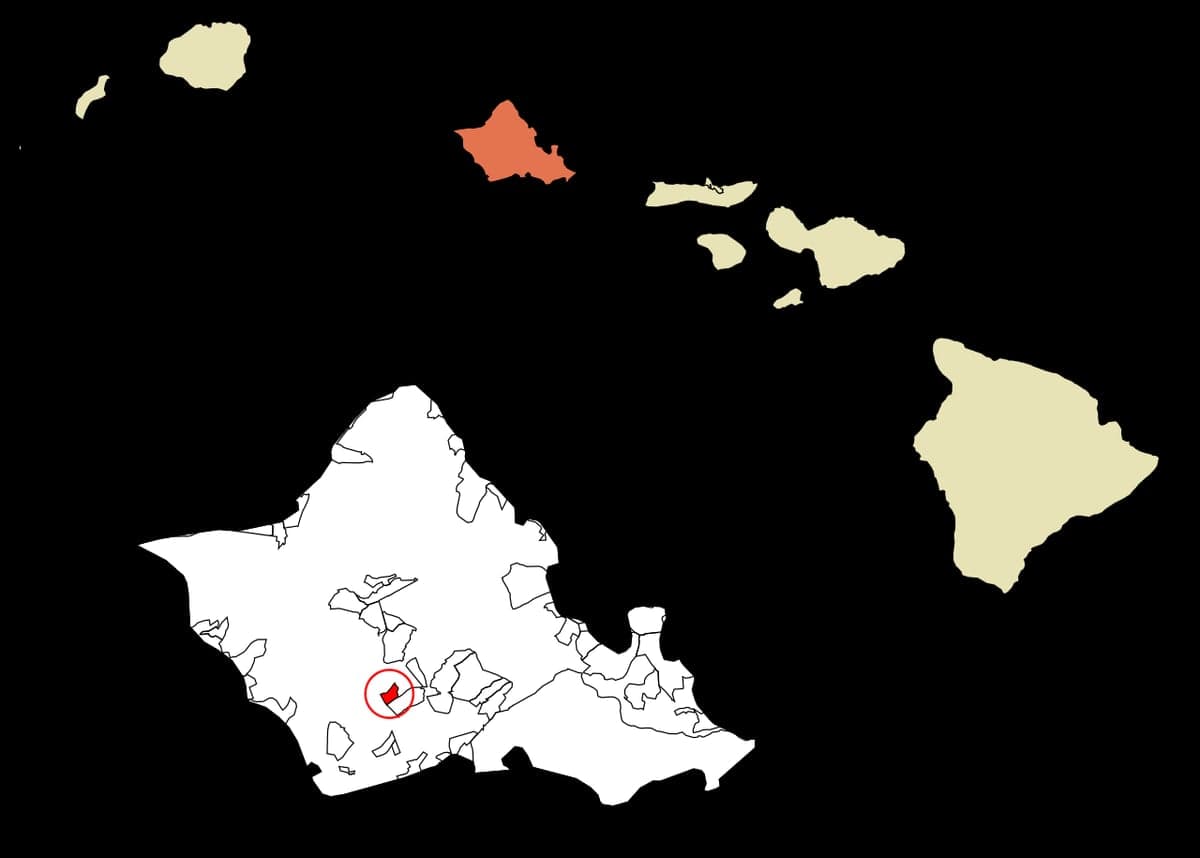
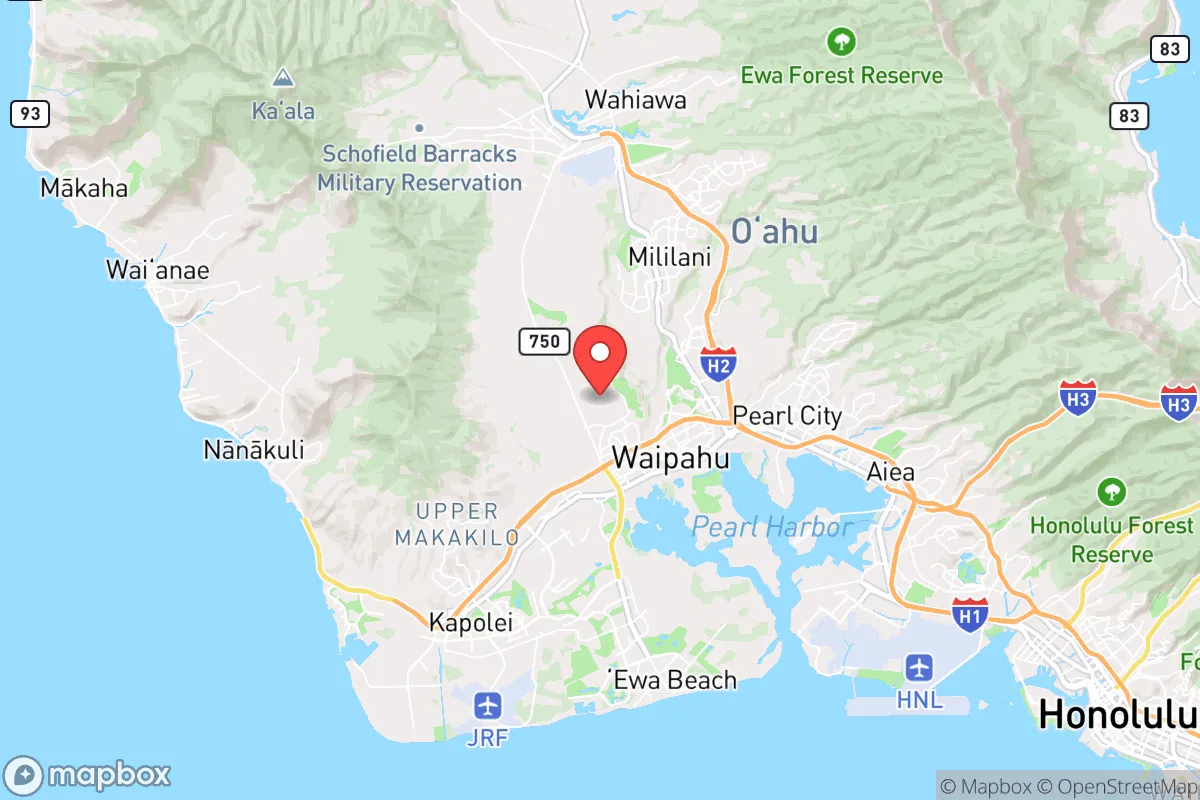
Photo: Wikipedia
Quality of Life in Royal Kunia, HI
A high quality of life with strong walkability, manageable living costs, healthy neighborhood signals, and solid amenity access.
What does Quality of Life tell us?
Quality of Life blends cost of living, nearby amenities, socioeconomic signals, and neighborhood character. City-level scores represent the whole municipality; individual neighborhoods can differ.
What does this tell us?
Quality of Life blends cost of living, nearby amenities, socioeconomic signals, and neighborhood character. City-level scores represent the whole municipality; individual neighborhoods can differ.
Cost of Living
163% above national average
The Real Cost of Living in Royal Kunia, HI for 2026
| Tier | Individual | Family (4) |
|---|---|---|
| Survival | $38k | $72k |
| Comfortable | $107k | $158k |
| Luxury | $157k+ | $244k+ |
| Elite (Top 5%) | $185k+ | $287k+ |
85%
The Area Signal
A metric tracking the socioeconomic signals of the area.
Hobbies
Explore the areaGroceries
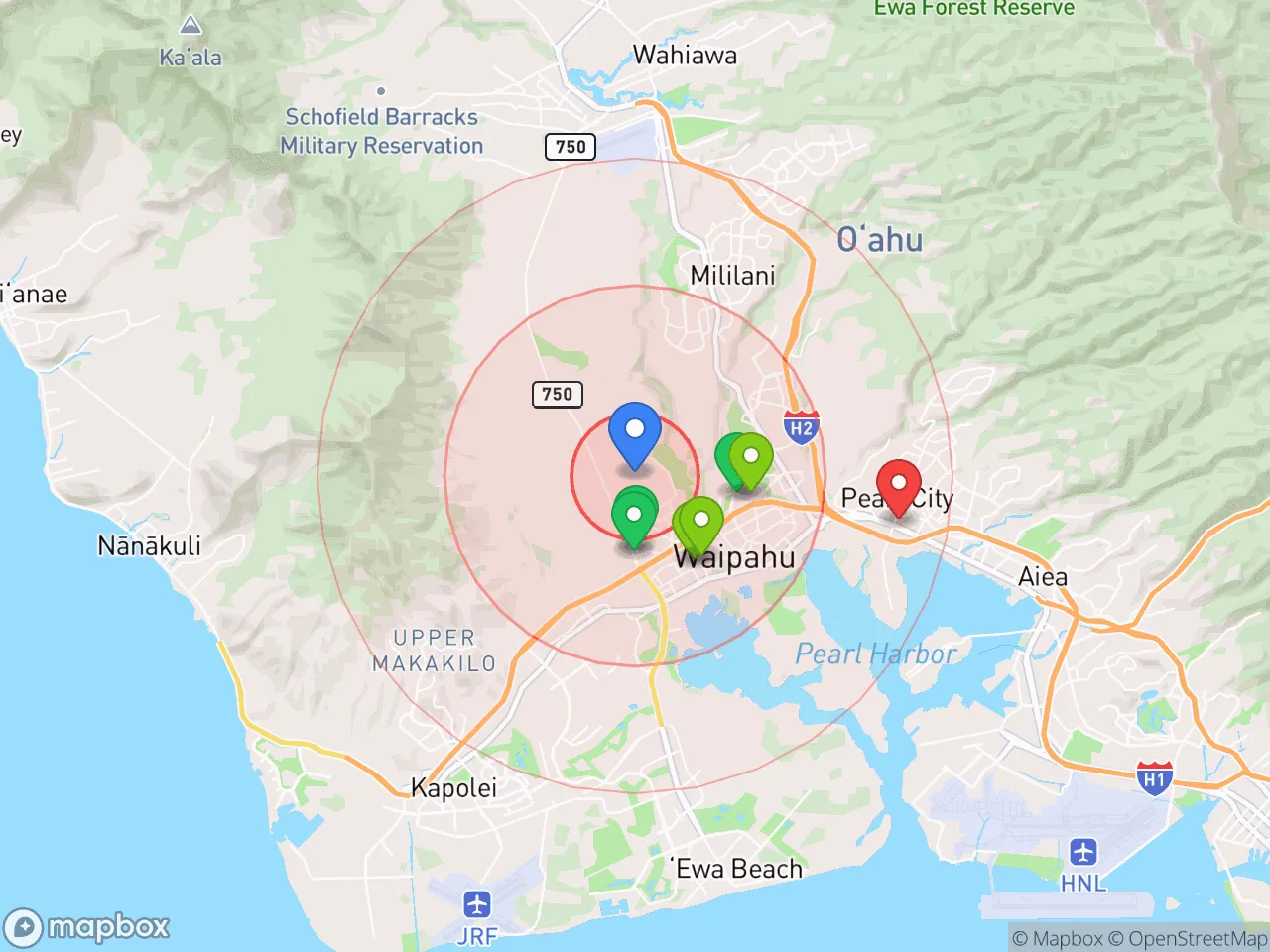
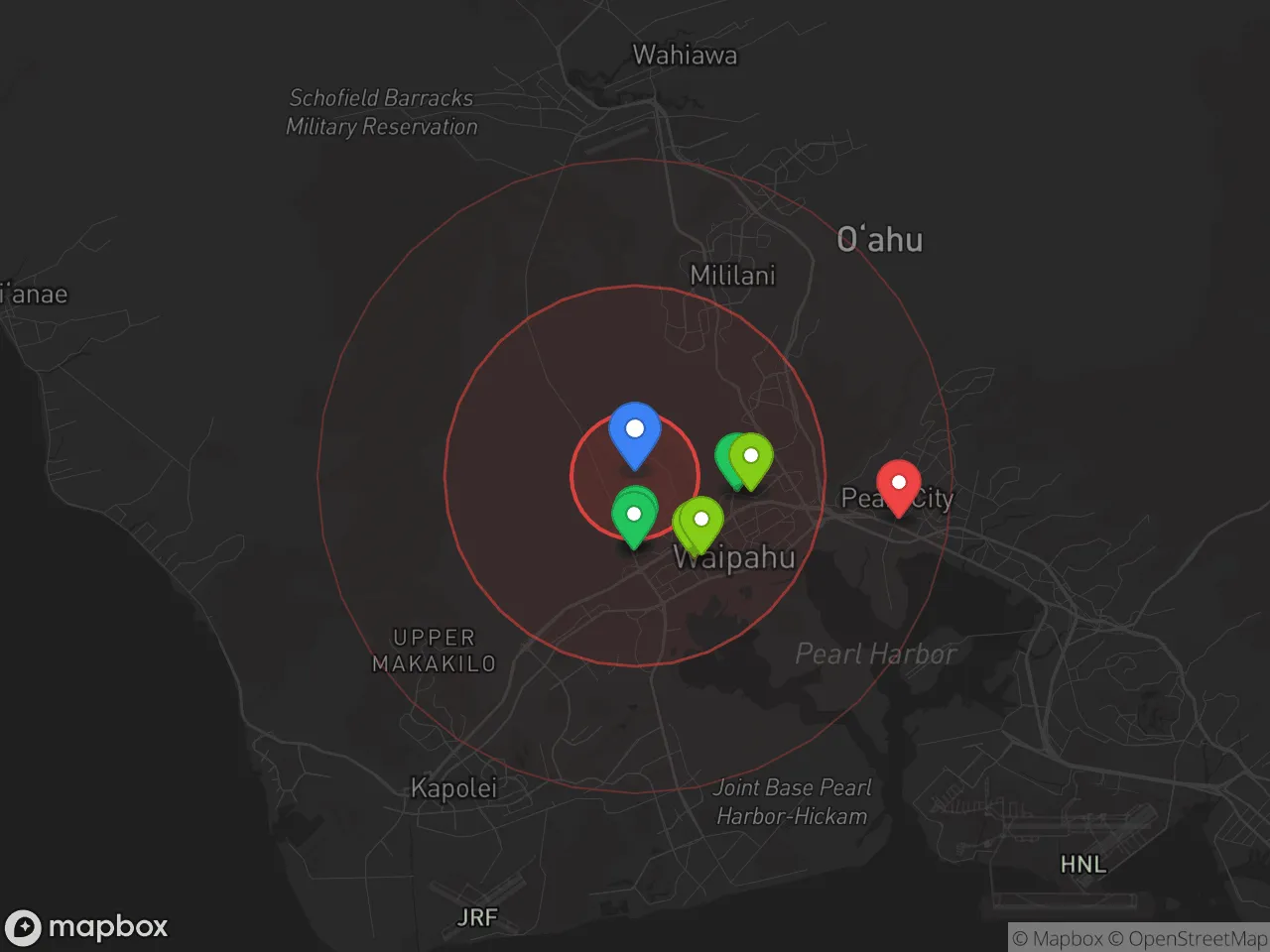
5 within 10 miles
Gas
20 within 10 miles
Hospital
16 within 20 miles
Airport
Daniel K. Inouye International Airport
Post Office
USPS — Mililani, HI
Critical Amenities
Quality-of-Life Analysis
Royal Kunia is an affluent, master-planned residential community in central Oahu, home to a largely professional and family-oriented population drawn by its newer housing stock and relative quiet compared to Honolulu’s urban core. With a cost of living index of 263 (more than 2.5 times the U.S. average), the neighborhood is firmly upper-middle-class by local standards, attracting military families, healthcare workers, and commuters who work in Pearl Harbor, Waipahu, or downtown Honolulu. The area’s demographic skews toward married couples with children, and the median age hovers around 38, reflecting a settled, long-term resident base rather than a transient rental population.
Cost of living, housing prices, and affordability compared to nearby areas
Royal Kunia’s cost of living is among the highest on Oahu, driven almost entirely by housing. The median home value sits at $833,000, which is roughly 15% higher than the broader Waipahu area but still below the $1 million-plus averages seen in East Honolulu or Kailua. Median rent is $2,806, placing it above the Oahu median of roughly $2,400 and making it one of the pricier rental markets in central Oahu. For context, a comparable single-family home in Mililani (5 miles east) might rent for $2,500–$2,700, while a similar unit in Ewa Beach runs $2,900–$3,200. The average commute of 32 minutes is slightly longer than the Oahu average of 28 minutes, largely because Royal Kunia sits at the end of a winding hillside road with limited direct freeway access; most residents drive H-1 westbound toward Pearl Harbor or Honolulu. Property taxes remain relatively low by mainland standards (roughly 0.35% of assessed value), but the high purchase prices mean a typical monthly mortgage payment (including insurance and taxes) can easily exceed $4,500, making homeownership inaccessible for most renters without a dual-income household earning above $120,000 annually.
Local amenities, school quality, and the daily rhythm of life
Daily life in Royal Kunia revolves around the Royal Kunia Shopping Center, which anchors the community with a Safeway, a Starbucks, a handful of local restaurants, and a medical clinic. For more extensive shopping, residents drive 5–10 minutes down to Waipahu Town Center or the Pearl Highlands Center, which offer big-box retailers, a multiplex cinema, and a wide range of Asian and Pacific Islander grocery stores. The neighborhood is served by August Ahrens Elementary School (rated 7/10 on GreatSchools), Waipahu Intermediate, and Waipahu High School, though many families opt for private schools such as Island Pacific Academy or Saint Louis School, both within a 20-minute drive. The area lacks its own parks or green spaces—the nearest sizable park is Waipahu District Park, about 10 minutes away—so outdoor recreation often means a 15-minute drive to Pearl Harbor’s historic sites or a 25-minute drive to the beaches of Ko Olina. The daily rhythm is quiet and suburban: most streets are cul-de-sacs, traffic is minimal within the neighborhood itself, and the dominant sounds are lawnmowers and children playing rather than city noise. Restaurants are limited to a few takeout spots (a popular pho shop and a plate-lunch counter), so dining out usually requires a short drive.
Royal Kunia is best suited for families and professionals who prioritize a newer, quiet, low-crime environment over walkability or urban energy. It works well for dual-income households with stable jobs at Pearl Harbor, Tripler Army Medical Center, or downtown Honolulu, and for those who can absorb the high housing costs without sacrificing savings. Singles or young renters on a single income will likely find the rent-to-income ratio too steep, and anyone seeking nightlife, cultural venues, or a walkable downtown will be disappointed. For the right buyer—someone who values space, safety, and a predictable suburban routine—Royal Kunia delivers a rare combination of modern housing and relative affordability within Oahu’s inflated market.

Crime in Royal Kunia, HI
Generally safer than 64% of comparable U.S. locations.
Violent CrimeViolent Crime Analysis
Property CrimeProperty Crime Analysis
Crime Analysis
Royal Kunia, a residential community in central Oahu near Waipahu, reports a violent crime rate of 200.2 incidents per 100,000 residents and a property crime rate of 1,586.9 per 100,000. These figures place the area below the national average for violent crime but above the national average for property crime, reflecting a mixed safety profile common to many suburban Honolulu-adjacent neighborhoods. The overall crime picture is shaped by its proximity to larger commercial corridors and the broader challenges of Hawaii’s urban core.
Crime in context
Royal Kunia’s violent crime rate of 200.2 per 100,000 is roughly 43% lower than the U.S. national average of about 370 per 100,000, aligning closely with Hawaii’s statewide violent crime rate of approximately 250 per 100,000. Property crime, however, tells a different story: at 1,586.9 per 100,000, it exceeds the national average of roughly 1,950 per 100,000 but is notably higher than the Hawaii state average of about 2,800 per 100,000. This suggests that while violent confrontations are less common, theft, burglary, and vehicle break-ins are more frequent than in many mainland suburbs. The presence of progressive judicial policies in Honolulu County—including bail reform and diversion programs favored by district attorneys and judges—has been cited by local law enforcement as a factor in recidivism rates, potentially contributing to property crime persistence.
What residents experience
Residents of Royal Kunia typically report a quiet, family-oriented atmosphere during the day, with most concerns centering on property crimes like package theft, unlocked car entries, and occasional burglaries in townhome complexes. The community’s layout—a mix of single-family homes and condominiums on hillside streets—provides natural surveillance, but the lack of a dedicated police substation means response times can vary. The broader Honolulu County justice system’s emphasis on rehabilitation over incarceration has drawn criticism from neighborhood watch groups, who argue that repeat property offenders cycle through the system without meaningful consequences. For families, the practical impact is a need for vigilance: securing vehicles, installing cameras, and participating in community alerts are common precautions.
Neighborhood-level variation within Royal Kunia is modest but notable. The newer, gated subdivisions along Kunia Road tend to report fewer incidents, while older rental properties near the Waipahu border see higher rates of car break-ins and vandalism. The nearby Kunia Shopping Center and the busy H-1 freeway corridor act as conduits for transient crime, with most property offenses occurring overnight. Overall, Royal Kunia offers a relatively safe environment compared to urban Honolulu, but the property crime rate and the influence of progressive prosecutorial policies warrant ongoing caution for prospective residents.
* Values derived from national, state, county, city and local statistics and may differ in a specific area. Last updated: 2026-04-24T11:00:40.000Z
Narrative content on this page is AI-generated and may contain mistakes. Verify any details that matter before acting on them.
ReloMaps may earn a commission from affiliate links at no extra cost to you.

