Photo: Wikipedia
Demographics of Hawaii
Affluence Level in Hawaii
An upper-middle-class area. Household wealth, education levels, and homeownership run ahead of national benchmarks.
People of Hawaii
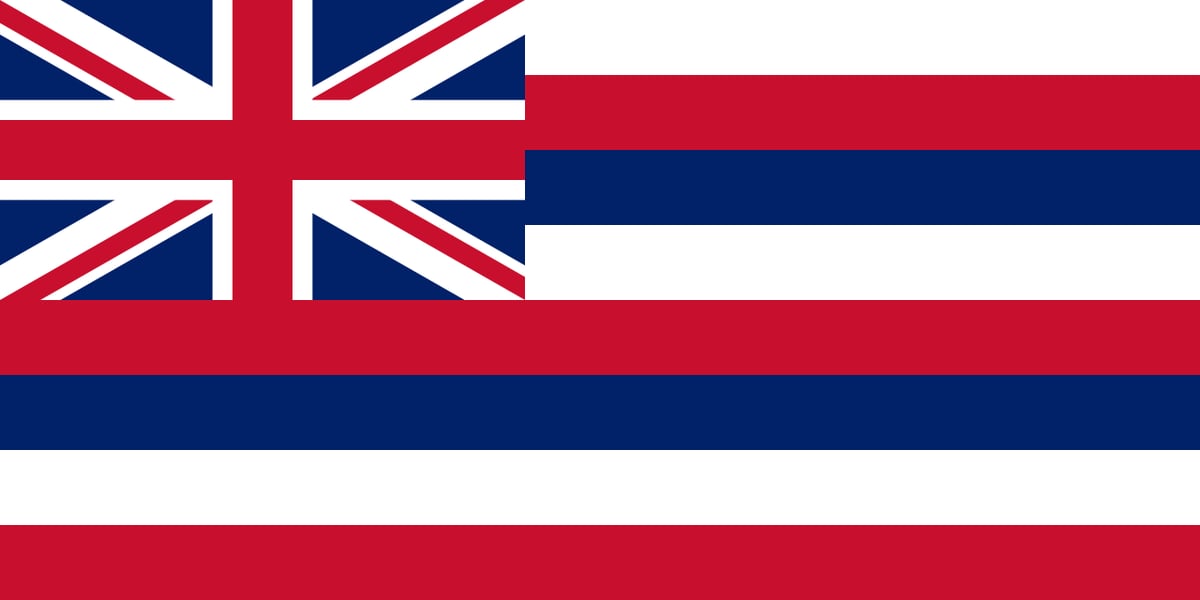
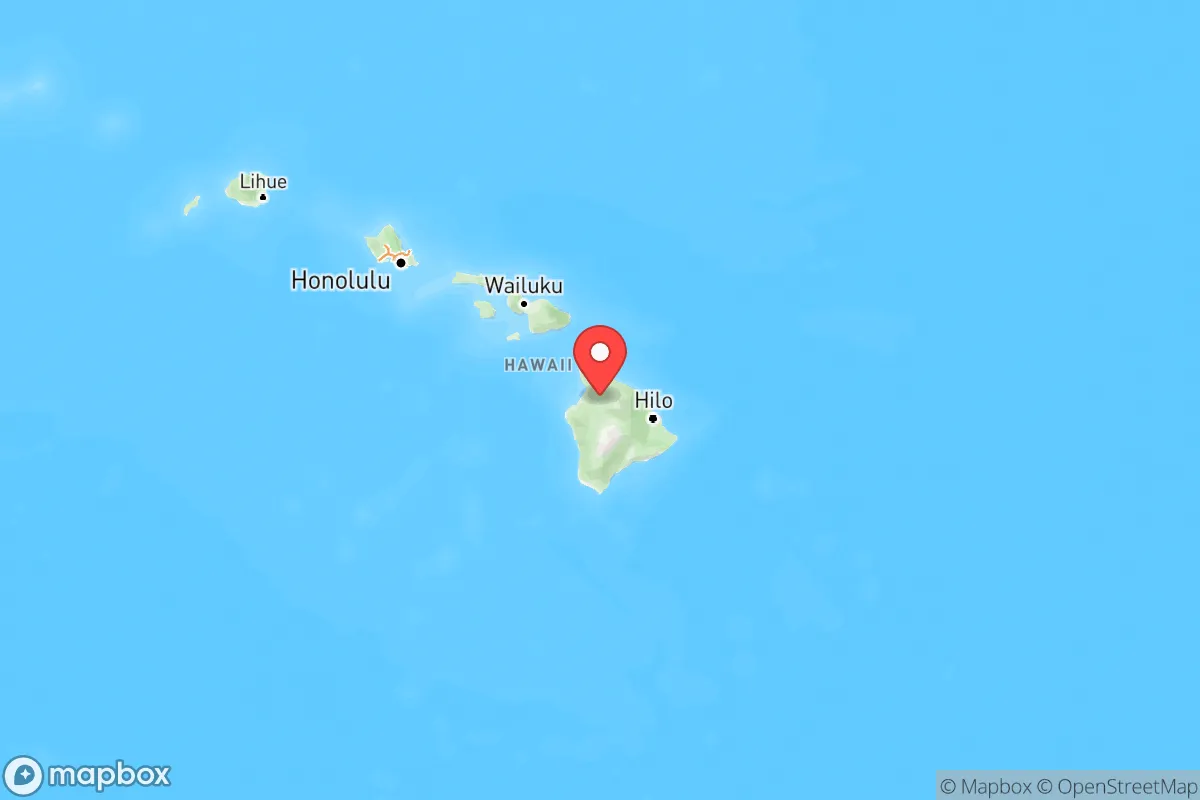
Today, the people of Hawaii form one of the most racially and ethnically diverse populations in the United States, with East and Southeast Asian communities alone accounting for 36.5% of the state's 1.4 million residents. White residents make up 21.1%, Hispanic residents 9.8%, and foreign-born residents represent 7.1% of the population—a figure notably lower than the national average, reflecting the dominance of U.S.-born multiethnic families. The population is heavily concentrated on Oahu, which holds nearly two-thirds of all residents, with Honolulu acting as the economic, political, and cultural center for the entire state.
Settlement & growth (pre-1960)
The first people to settle Hawaii were Polynesians who arrived from the Marquesas Islands around 1000 AD, followed by a second wave from Tahiti roughly 500 years later. These voyagers established a stratified society of chiefs and commoners across the main islands, with population centers forming around fertile coastal valleys such as Waikiki on Oahu, Lahaina on Maui, and Hilo on the Big Island. The Native Hawaiian population is estimated to have reached several hundred thousand by the time of Captain James Cook's arrival in 1778, after which introduced diseases reduced that number dramatically over the following century.
Western contact brought sandalwood traders, whalers, and eventually American Protestant missionaries who arrived in the 1820s and established churches and schools in Honolulu and Lahaina. The missionaries' descendants became influential in politics and business, shaping the islands' trajectory toward annexation. The real demographic transformation, however, was driven by sugar plantations that required massive labor imports. From the 1850s through the 1880s, Chinese laborers arrived by the thousands, many later moving into commerce in Honolulu's Chinatown. They were followed by Portuguese immigrants from Madeira and the Azores between the 1870s and 1900s, who settled in farming communities on Oahu and Maui and in pockets of Honolulu such as the Kalihi and Palolo valleys.
The largest wave before 1900 came from Japan: between 1885 and 1907, roughly 180,000 Japanese immigrants arrived to work the cane fields. They concentrated in plantation camps across the islands, forming enduring communities in Waipahu on Oahu, Hilo on the Big Island, and Kahului on Maui. After annexation in 1898 and the end of Japanese labor migration following the Gentlemen's Agreement of 1907, plantations turned to new sources. Puerto Ricans arrived in 1900-1901, settling around Hanapepe on Kauai and in the Ewa district on Oahu. Koreans came in small numbers after 1903, often working alongside Japanese laborers. The last and largest plantation-era group were Filipinos, who began arriving in 1906 and by the 1930s had become the largest immigrant labor force, with major communities in Waipahu, Kahului, and the sugar towns of the Big Island such as Pahala and Papaikou.
Military buildup during World War II brought tens of thousands of mainland servicemen and defense workers to Oahu, many of whom stayed after the war. The bombing of Pearl Harbor on December 7, 1941, and subsequent martial law also led to the internment of Japanese-American residents — a community that nonetheless reemerged strongly in postwar politics and business. Statehood in 1959 accelerated mainland migration and tourism development, setting the stage for the modern demographic profile.
Modern era (post-1965)

Most Diverse Cities in Hawaii
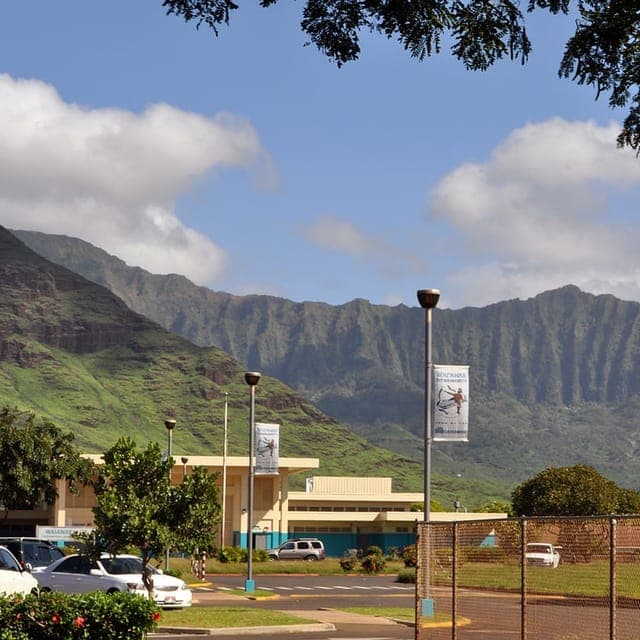
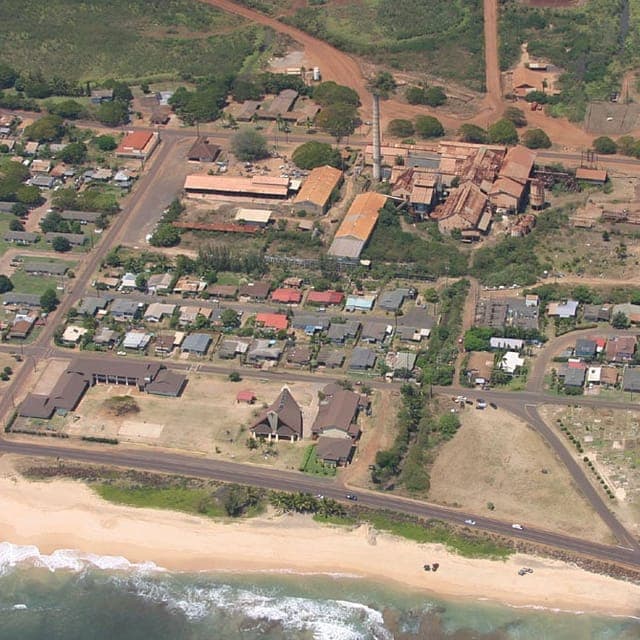
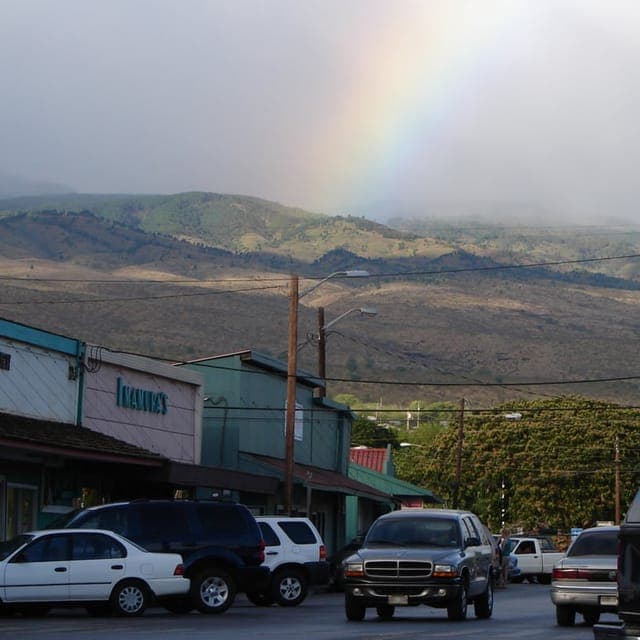
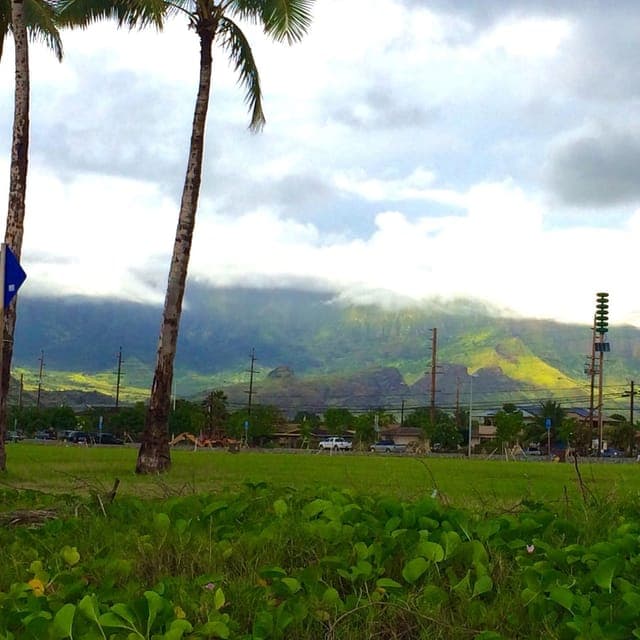
Most Homogenous Cities in Hawaii
* Values derived from national, state, county, city and local statistics and may differ in a specific area. Last updated: 2026-06-03T05:30:39.000Z
Narrative content on this page is AI-generated and may contain mistakes. Verify any details that matter before acting on them.
ReloMaps may earn a commission from affiliate links at no extra cost to you.

