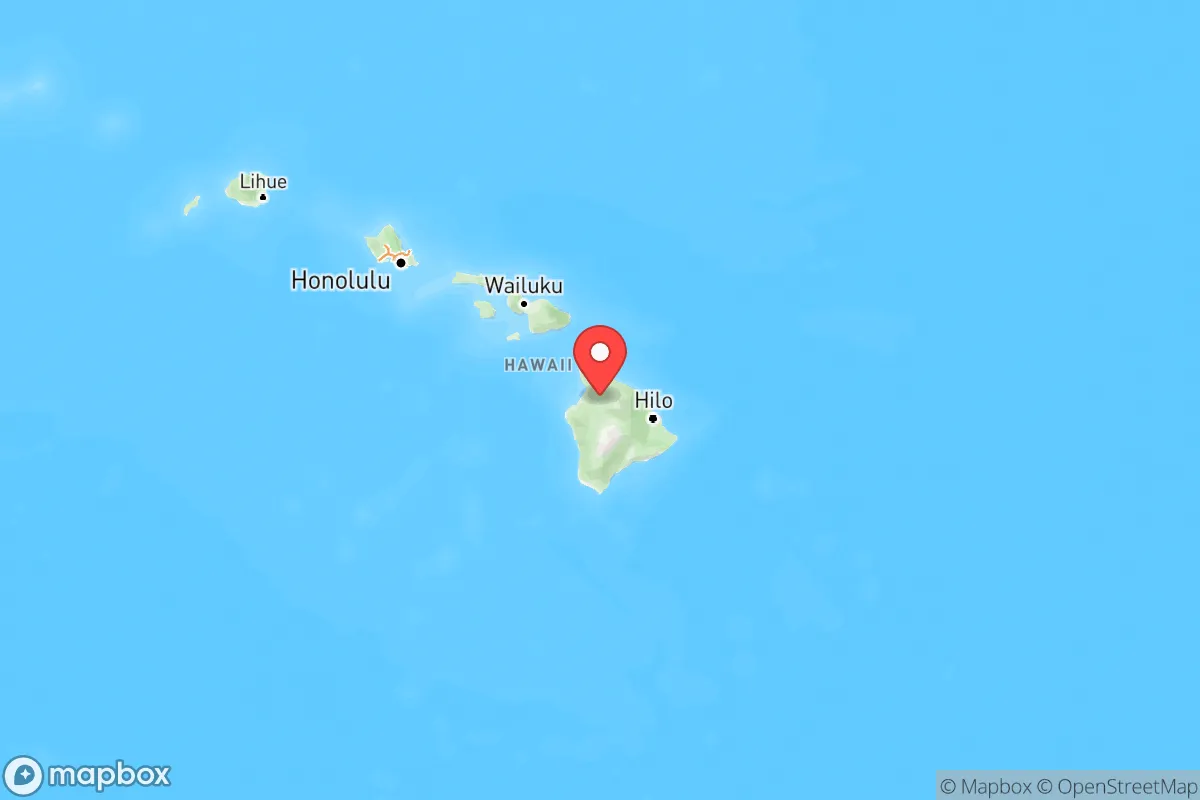
Photo: Wikipedia
Strategic Assessment of Hawaii
Workable tactical position. Some exposure to population density or targets, but generally defensible in a crisis.
What does the Strategic Assessment tell us?
Our Strategic Assessment grades tactical survivability of an area. Major population centers, military targets, fallout zones, natural disasters, and border exposure all drive risk — lower exposure means a more defensible position in a crisis.
This is heavily inspired by Joel Skousen's Strategic Relocation book. Highly recommended you checkout the book ($)What does this tell us?
Our Strategic Assessment grades tactical survivability of an area. Major population centers, military targets, fallout zones, natural disasters, and border exposure all drive risk — lower exposure means a more defensible position in a crisis.
This is heavily inspired by Joel Skousen's Strategic Relocation book. Highly recommended you checkout the book ($)Regional Safe Places
Below is our recommended "safe zones" in Hawaii and the surrounding area based on our strategic heuristics. For most people, it's unrealistic to live in a “safe zone” full-time due to work, family or other personal reasons. They tend to be more rural. However, many of these areas are perfect for second homes and retreat properties that double as a vacation home or even a short-term rental.

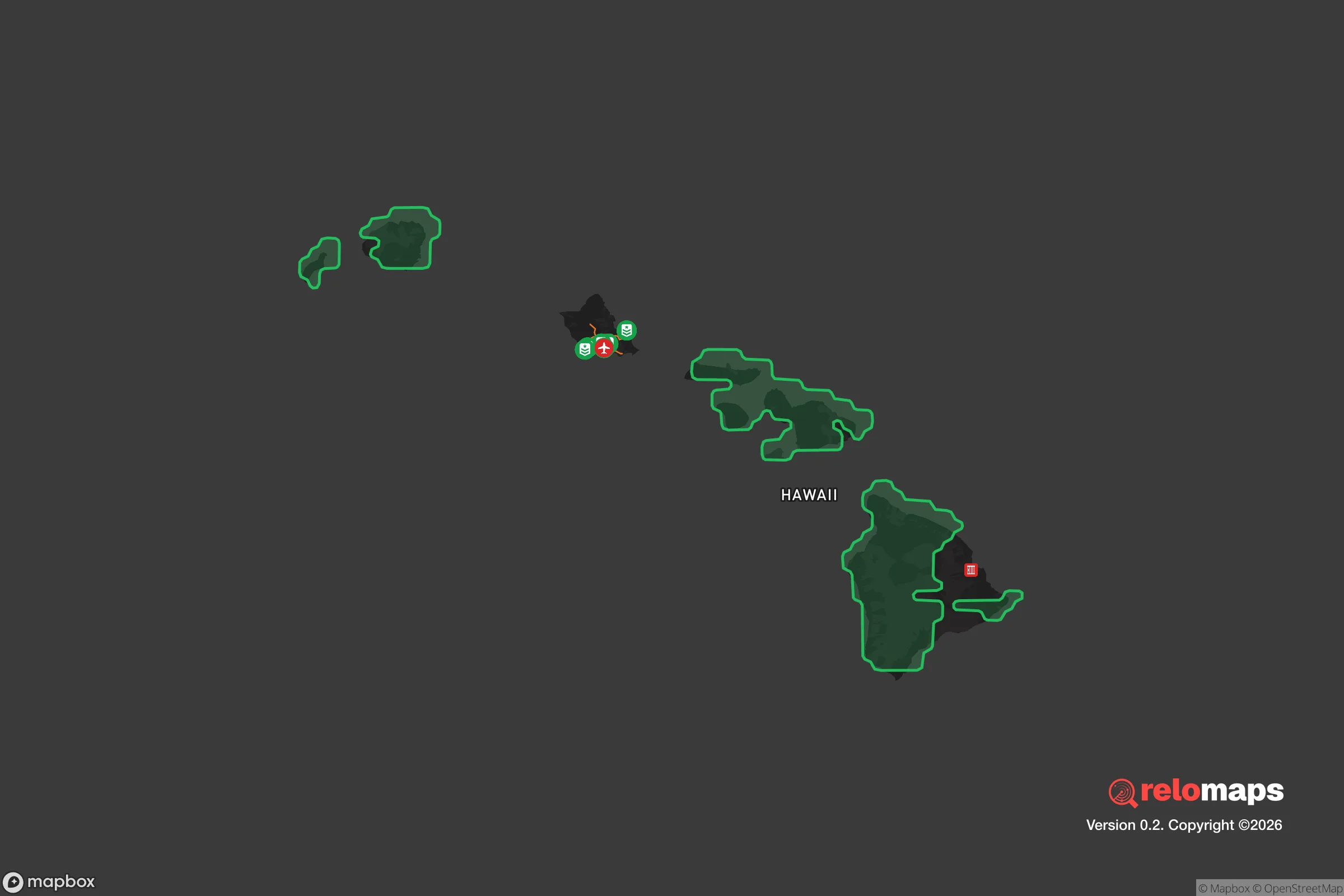


Important Note: For informational purposes only. This does not mean nothing bad ever happens in the green zones. Please use common sense. This is based on public data and modeled with AI. We tried to take a conservative approach but mistakes happen. We update this regularly as new information becomes available.
Solar Generator Recommendations
Backup power matters more here than in safer locations. We've picked three solar generators across budgets and capacity tiers — start with the budget unit if you only need a few essentials, or step up if you want to run a fridge and HVAC for days at a time.

Jackery Portable Power Station Explorer 300
Budget OptionPower on the Go: Weighing only 11 lbs, it's convenient to set up and store with book-sized foldable solar panels

BLUETTI Portable Power Station AC180
Designed for both indoor and outdoor scenarios, AC180 is highly capable as it has a robost capacity and continuous output power.

EF ECOFLOW DELTA Pro Ultra Power Station
Upgraded PickEcoFlow DELTA Pro Ultra is a whole-home energy system designed to grow with your family. Integrated with the Smart Home Panel 2, it scales to meet your evolving energy needs — keeping your home powered, intelligent, and secure through every stage of life.
We earn a commission, at no additional cost to you.
Strategic Assessment Analysis
Hawaii offers a unique strategic profile for those prioritizing geographic isolation and natural resilience, but it comes with significant trade-offs that a conservative prepper must weigh carefully. The state’s position in the central Pacific, roughly 2,500 miles from the nearest continental landmass, provides a natural buffer against many of the cascading failures that could plague the mainland—supply chain collapses, civil unrest spreading from major cities, or fallout from a continental-scale event. However, this same isolation creates acute vulnerabilities in logistics, energy, and food security that demand serious advance planning. For a relocator focused on self-sufficiency and avoiding the chaos of urban centers, Hawaii’s appeal is real but conditional on understanding its specific risks.
Geographic position and natural advantages for long-term security
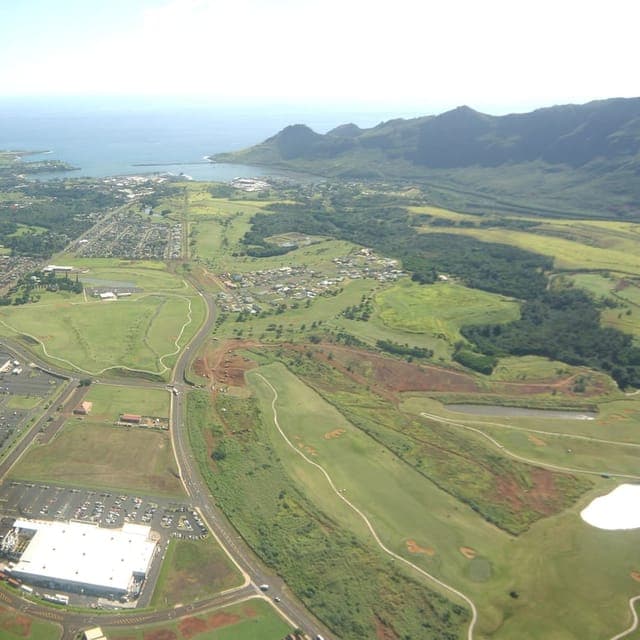
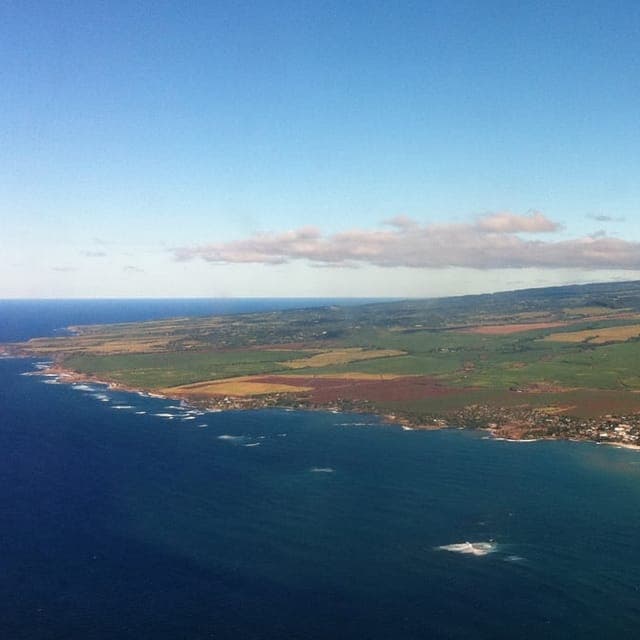
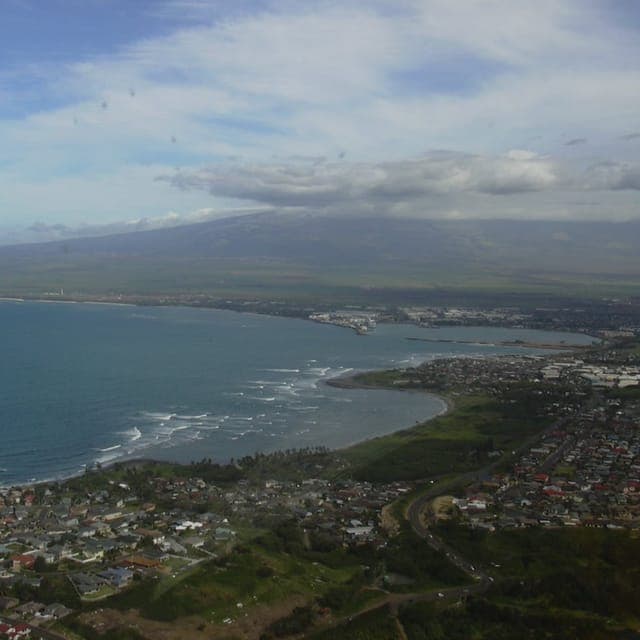
Hawaii’s primary strategic asset is its distance from the continental United States. The state’s main population centers—Honolulu on Oahu, Hilo on the Big Island, and Kahului on Maui—are all far removed from the major industrial corridors, military bases, and political flashpoints that could become targets or sources of unrest. For a prepper, this means a lower probability of being caught in a mass casualty event tied to a mainland crisis, such as a terrorist attack on a refinery corridor or a civil war scenario involving bases like Fort Hood or Camp Pendleton. The volcanic terrain of the Big Island, in particular, offers rugged, defensible areas with limited access points, making it harder for outside groups to penetrate. The year-round growing season and abundant rainfall in windward areas (like Hilo and the Hamakua Coast) provide a natural advantage for food production that most mainland locations cannot match. Additionally, the state’s geothermal and hydroelectric resources—especially on the Big Island—offer potential for off-grid energy that reduces dependence on fragile mainland power grids.
Risks, exposures, and proximity to fallout-relevant landmarks
The most critical downside is Hawaii’s extreme dependence on imported goods. Over 85% of the state’s food and nearly all of its fuel arrive by ship, primarily through the ports of Honolulu and Hilo. A disruption to global shipping—whether from a geopolitical conflict, a pandemic, or a natural disaster—would cut off supplies within weeks. The state’s single oil refinery, the Par Hawaii Refinery in Kapolei on Oahu, is a key vulnerability; if it were damaged or shut down, fuel for transportation, generators, and agriculture would vanish rapidly. For a relocator, being near Honolulu or the refinery corridor is a negative—these areas would become choke points for unrest and resource competition during a crisis. Military installations like Joint Base Pearl Harbor-Hickam and Schofield Barracks are also double-edged: they provide some security but also make Oahu a potential target in a conflict involving China or North Korea. Fallout from a nuclear event on the mainland is unlikely to reach Hawaii due to distance, but a detonation in the Pacific—say, near Guam or a rogue state—could pose a direct threat. Tsunami risk is real, especially for low-lying coastal areas like Waikiki and parts of Hilo, so inland elevation is a must for any serious prepper.
Practical resilience for a relocator: food, water, energy, and defensibility
For a single individual or family willing to put in the work, Hawaii can be made resilient. The Big Island is the best bet: its diverse microclimates allow for year-round gardening, livestock, and even small-scale aquaculture. Rainwater catchment is common in rural areas, and with proper filtration, it can provide a reliable water source independent of municipal systems. Solar power is viable across most of the state, and on the Big Island, geothermal energy from the Kilauea rift zone offers a unique backup option—though proximity to active volcanic vents carries its own risks. Defensibility is highest on the Big Island’s remote east side (Puna, Ka’u) or the rural north (Waimea, Kohala), where properties are spread out and access roads are limited. On Oahu, the dense population around Honolulu and the military presence make long-term survival more difficult; Maui and Kauai offer middle ground but still face tourism-driven economies that could collapse. The key practical steps for a relocator: secure a property with its own water catchment and solar array, stockpile at least six months of non-perishable food and medical supplies, and learn basic farming and hunting skills. The state’s gun laws are restrictive—Hawaii has some of the toughest in the nation—so a prepper should plan for legal compliance while still maintaining a defensive capability, perhaps through less-regulated tools like bows or non-lethal options.
Overall, Hawaii presents a mixed strategic picture for the conservative prepper. Its isolation is a powerful shield against mainland chaos, but that same isolation becomes a trap if global systems fail. The state’s natural resources—water, fertile soil, renewable energy—are genuine advantages, but they require upfront investment and a willingness to live far from modern conveniences. For someone seeking to avoid the fallout of urban collapse, the Big Island’s rural areas offer a viable long-term haven, provided they are prepared for the logistical challenges of island life. The mainland may offer more immediate access to supplies and allies, but Hawaii’s distance from the brewing storms of continental unrest is a factor that cannot be dismissed. The smart move is to treat it as a retreat, not a primary residence—or to commit fully to self-sufficiency before the next crisis hits.

Top 10 Cities by Strategic Assessment in Hawaii
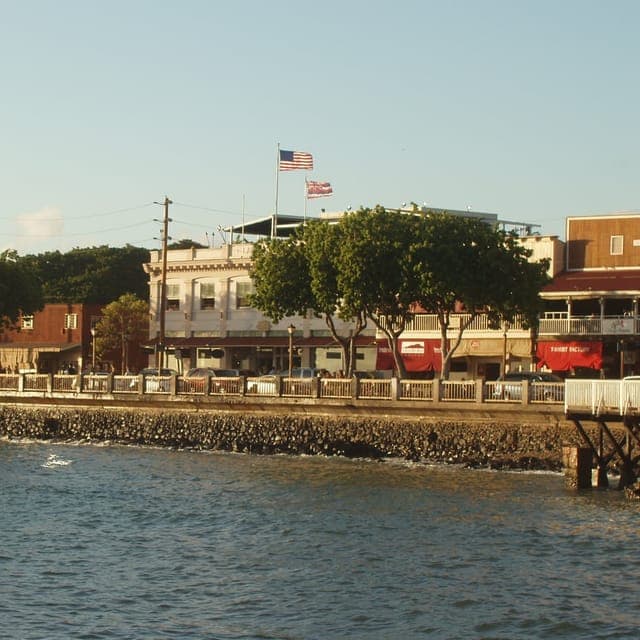
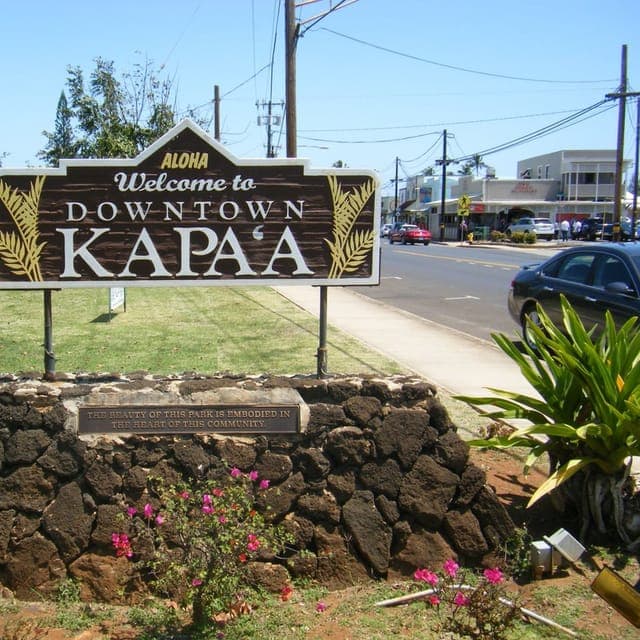
* Values derived from national, state, county, city and local statistics and may differ in a specific area. Last updated: 2026-06-03T05:30:39.000Z
Narrative content on this page is AI-generated and may contain mistakes. Verify any details that matter before acting on them.
ReloMaps may earn a commission from affiliate links at no extra cost to you.

