Political ClimatePolitical Climate in North Key Largo, FL
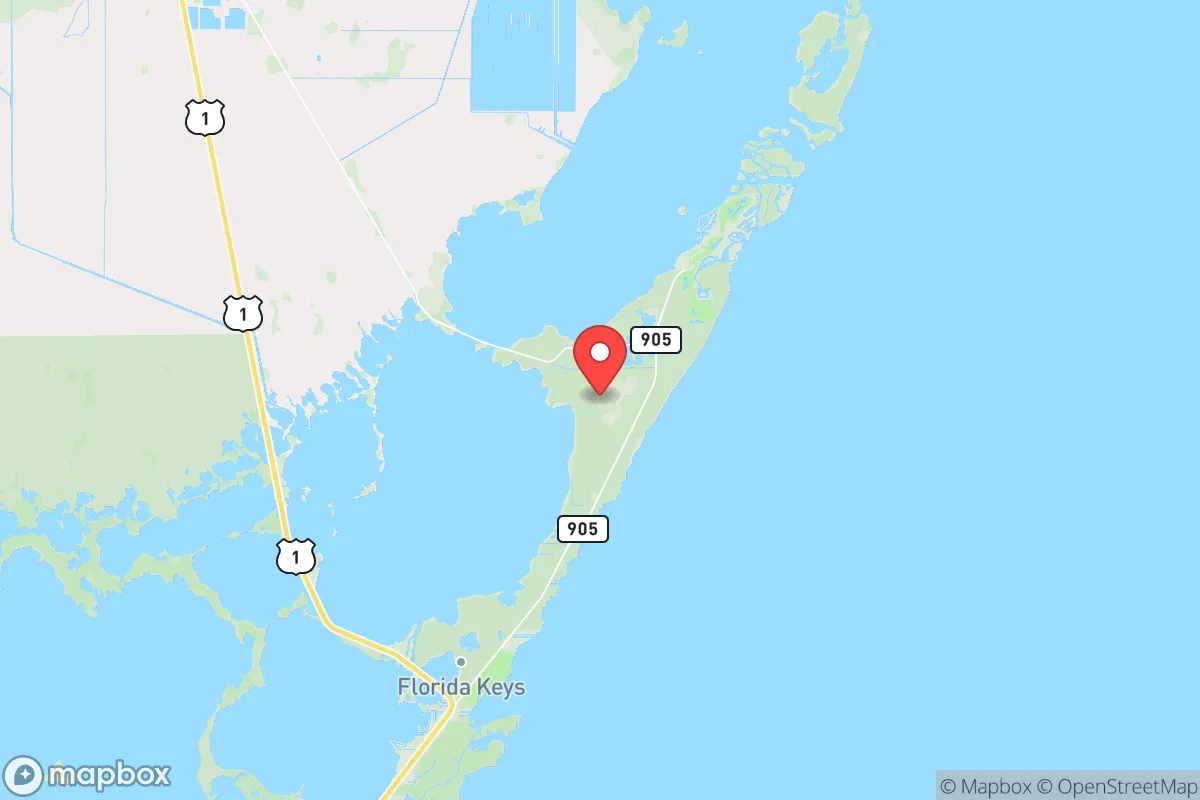
District shown is the primary district for this city’s centroid. Cities may span multiple districts.
Local Political AnalysisPolitical Analysis of North Key Largo, FL
North Key Largo leans solidly conservative, with a Cook PVI of R+10 that makes it one of the more reliably Republican pockets in the Florida Keys. That’s a full five points redder than the state of Florida as a whole, which sits at R+5. If you’ve lived here a while, you’ve seen that tilt hold steady even as the rest of Monroe County has drifted a bit—Key West, for instance, has become a reliably blue stronghold, and even Islamorada to the south has seen some purple creeping in. But up here, the political DNA is still rooted in a live-and-let-live, small-government ethos that’s been the backbone of the Keys for generations.
How it compares
Compared to the rest of Florida, North Key Largo is a conservative outlier in a state that’s already trending right. The statewide R+5 PVI reflects a competitive environment where Miami-Dade and Broward pull hard left, while the Panhandle and interior counties push right. Here, the R+10 rating means local elections are rarely competitive—Republicans routinely win by double digits. That’s a stark contrast to places like Key West (D+15) or even Marathon, which is closer to R+3. The difference isn’t just numbers; it’s cultural. In North Key Largo, you don’t see the same push for progressive zoning changes, environmental overregulation, or the kind of government expansion that’s become common in South Florida. The local commission meetings are shorter, the debates are more about property rights and fishing access than social policy, and there’s a general distrust of Tallahassee or Washington telling us how to live.
What this means for residents
For folks living here, the conservative lean translates into real, tangible freedoms. Property taxes are kept in check by a county commission that’s skeptical of new spending. There’s no talk of rent control or mandatory affordable housing quotas—those are seen as government overreach that would wreck the local economy. The school board, while small, has resisted the kind of curriculum battles you see in Broward or Palm Beach. And when it comes to things like boat ramp access, beach parking, or short-term rental rules, the prevailing attitude is “don’t fix what isn’t broken.” That’s not to say there aren’t tensions—newer residents from blue states sometimes push for more regulation, especially around environmental issues. But so far, the old guard has held the line. The concern for the future is whether that can last. As property values climb and more people move in from places like New York or California, there’s a real risk that the political balance could shift. A few commission seats flipping progressive could mean stricter building codes, higher impact fees, and more red tape for small businesses.
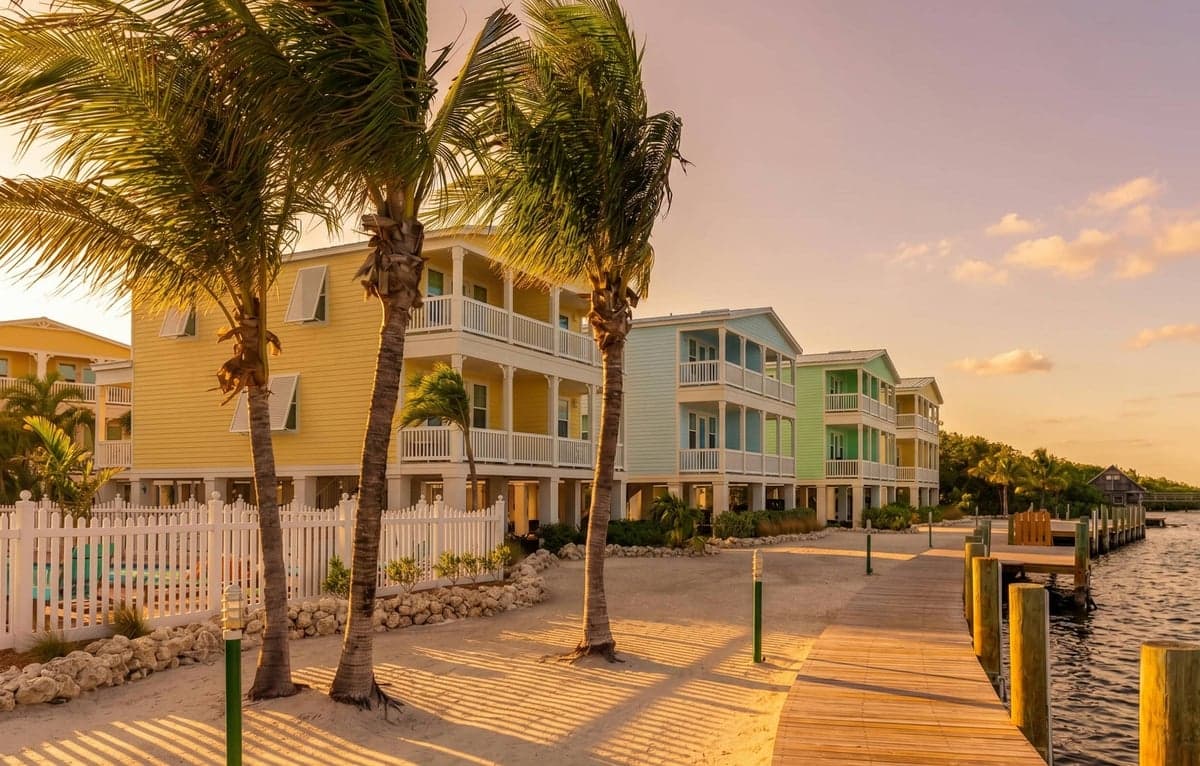
Culturally, North Key Largo still feels like Old Florida—more bait shops than boutique hotels, more pickup trucks than Teslas. The policy distinctions are subtle but important: there’s no mask mandate talk, no sanctuary city status, and the sheriff’s office is known for enforcing the law without getting into social experiments. The local paper, the Key Largo Independent, still runs letters to the editor complaining about federal overreach in the Everglades. It’s a place where the Second Amendment is a given, not a debate, and where the biggest political fights are about whether to widen a road or dredge a channel. If you value personal freedom and a government that stays out of your way, this is still one of the best spots in Florida to call home. But keep an eye on the next few election cycles—the winds are shifting, and it’s up to us to keep them from blowing too far left.

State Political ClimatePolitical Climate in Florida
State Political AnalysisPolitical Environment in the State
Florida has transformed from a classic swing state into a solidly Republican-leaning powerhouse, carrying a Cook PVI of R+5 and delivering decisive wins for Donald Trump in both 2020 and 2024 by margins exceeding three points. The dominant coalition is a blend of conservative-leaning transplants from the Northeast and Midwest, native-born rural and suburban voters, and a growing population of Hispanic voters—particularly Cuban-Americans and Venezuelans—who have shifted rightward on economic and cultural issues. Over the past two decades, the state has moved from a purple battleground where elections were decided by razor-thin margins to a reliably red state where Republicans now hold supermajorities in both legislative chambers and control every statewide office.
Urban vs. rural divide
The political map of Florida is a study in stark contrasts. The major urban centers—Miami-Dade County, Orlando (Orange County), and Tampa (Hillsborough County)—still lean Democratic, but their margins have been shrinking. Miami-Dade, once a Democratic fortress, flipped to Trump in 2020 and again in 2024, driven by a massive shift among Cuban-American and Nicaraguan voters who reject progressive policies on socialism and immigration. Meanwhile, the rural Panhandle—places like Panama City and Pensacola—votes overwhelmingly Republican, often by 30-40 point margins. The real story is in the suburbs and exurbs: Jacksonville (Duval County) has trended red, while fast-growing counties like St. Johns (south of Jacksonville) and Collier (Naples) are now deep red strongholds. The I-4 corridor, stretching from Tampa through Lakeland to Daytona Beach, remains the key battleground, but even there, Republican registration has surged as retirees and families flee high-tax states like New York and Illinois.
Policy environment
Florida’s policy environment is aggressively pro-business and pro-freedom, with no state income tax, a right-to-work law, and a regulatory climate that consistently ranks among the top five in the nation for economic freedom. The state has passed universal school choice through the Family Empowerment Scholarship program, allowing parents to direct tax dollars to private schools, charter schools, or homeschooling—a major draw for conservative families. On healthcare, Florida refused to expand Medicaid under Obamacare and has passed laws to protect medical conscience rights and ban COVID-19 vaccine mandates for private employers. Election integrity is a top priority: the state passed SB 90 in 2021, which tightened voter ID requirements, limited drop boxes, and banned mass mail-in ballot requests. Property taxes are relatively low, but homeowners insurance has skyrocketed due to litigation abuse and hurricane risk—a growing concern. The state also preempts local gun control ordinances, ensuring uniform Second Amendment protections from Miami to the Panhandle.
Trajectory & freedom
Florida is unequivocally becoming more free under Governor Ron DeSantis, who has signed a wave of legislation expanding personal liberty and pushing back against federal overreach. The Parental Rights in Education Act (HB 1557) prohibits classroom instruction on sexual orientation and gender identity in early grades, giving parents control over sensitive topics. The Stop WOKE Act (HB 7) bans mandatory diversity training and critical race theory in schools and workplaces. On gun rights, Florida became a permitless carry state in 2023 (HB 543), allowing law-abiding citizens to carry concealed firearms without a government-issued license. The state also passed the Florida Freedom Act, which prohibits the enforcement of federal gun laws that violate the state constitution. Medical autonomy was bolstered by a ban on vaccine passports and a law prohibiting discrimination based on COVID-19 vaccination status. Property rights were strengthened through the Live Local Act, which preempts local zoning to allow more housing development, though critics say it undermines local control. The overall trajectory is toward greater individual freedom, lower taxes, and less government intrusion—exactly what draws new residents.
Civil unrest & political movements
Florida has seen relatively little civil unrest compared to states like Oregon or Minnesota, but it has been a flashpoint for organized political movements on both sides. The Black Lives Matter protests in 2020 were largely peaceful in cities like Miami and Tampa, but they did lead to property damage in some areas and prompted a strong law-and-order response from state leaders. On the right, the Moms for Liberty movement was born in Florida and has become a national force, organizing school board takeovers and pushing for parental rights. Immigration politics are front and center: Governor DeSantis has bused illegal immigrants to Martha’s Vineyard and signed the SB 1718 law, which requires businesses with 25+ employees to use E-Verify and bans local governments from issuing sanctuary policies. Election integrity remains a hot-button issue, with the state creating a dedicated Office of Election Crimes and Security to investigate voter fraud. A new resident would notice the absence of the kind of street-level political violence seen in Portland or Seattle, but they would also see a highly engaged citizenry that shows up to school board meetings and city council hearings.
Projection
Over the next 5-10 years, Florida is likely to become even more conservative as in-migration continues from blue states like New York, California, and Illinois. The state is projected to gain two to three additional congressional seats after the 2030 census, all of which will likely be Republican-leaning. The Hispanic vote will continue to shift right, particularly as younger Cuban-Americans and Venezuelans prioritize economic freedom and anti-socialist messaging. However, there are risks: the influx of moderate Republicans and independents from the Northeast could soften the state’s edge on some cultural issues, and the growing population of Puerto Ricans in Central Florida may lean more Democratic. Climate change and rising insurance costs could slow growth in coastal areas like Miami and Fort Lauderdale, pushing development inland to places like Lakeland and Ocala. The biggest wildcard is whether the state can maintain its low-tax, low-regulation model as infrastructure demands grow. For now, the trend is clear: Florida is solidifying as the nation’s leading laboratory for conservative governance.
For a new resident, the bottom line is this: Florida offers a rare combination of low taxes, strong parental rights, robust Second Amendment protections, and a government that actively pushes back against federal overreach. You will find a state where your vote actually counts, where your children’s education is not dictated by progressive activists, and where your personal freedoms are respected. The trade-offs are real—intense heat, hurricane risk, and rising insurance costs—but for those prioritizing liberty and economic opportunity, Florida remains the most attractive destination in the country.
* Values derived from national, state, county, city and local statistics and may differ in a specific area. Last updated: 2026-05-14T02:18:34.000Z
Narrative content on this page is AI-generated and may contain mistakes. Verify any details that matter before acting on them.
ReloMaps may earn a commission from affiliate links at no extra cost to you.

