Photo: Wikipedia
Quality of Life in Maui County
A livable area that tracks near national norms for affordability, walkability, and neighborhood health.
What does Quality of Life tell us?
Quality of Life measures an area by evaluating factors like cost of living, nearby amenities, country club access, airport proximity, socioeconomic signals and neighborhood character. For large states, this is a general average — quality of life can vary dramatically between metro areas, suburbs, and rural communities within the same state.
What does this tell us?
Quality of Life measures an area by evaluating factors like cost of living, nearby amenities, country club access, airport proximity, socioeconomic signals and neighborhood character. For large states, this is a general average — quality of life can vary dramatically between metro areas, suburbs, and rural communities within the same state.
Cost of Living
118% above national average
55%
The Real Cost of Living in Maui County for 2026
| Tier | Individual | Family (4) |
|---|---|---|
| Survival | $30k | $56k |
| Comfortable | $117k | $172k |
| Luxury | $172k+ | $266k+ |
| Elite (Top 5%) | $202k+ | $314k+ |
Quality-of-Life Analysis
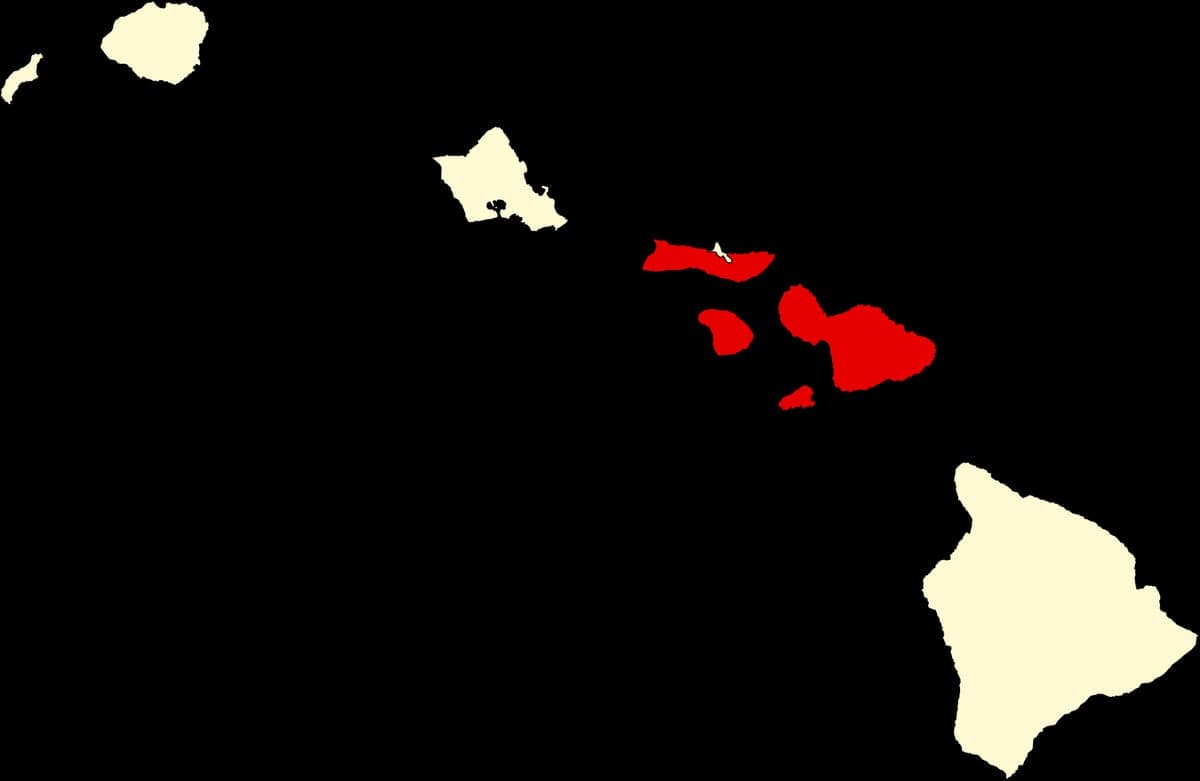
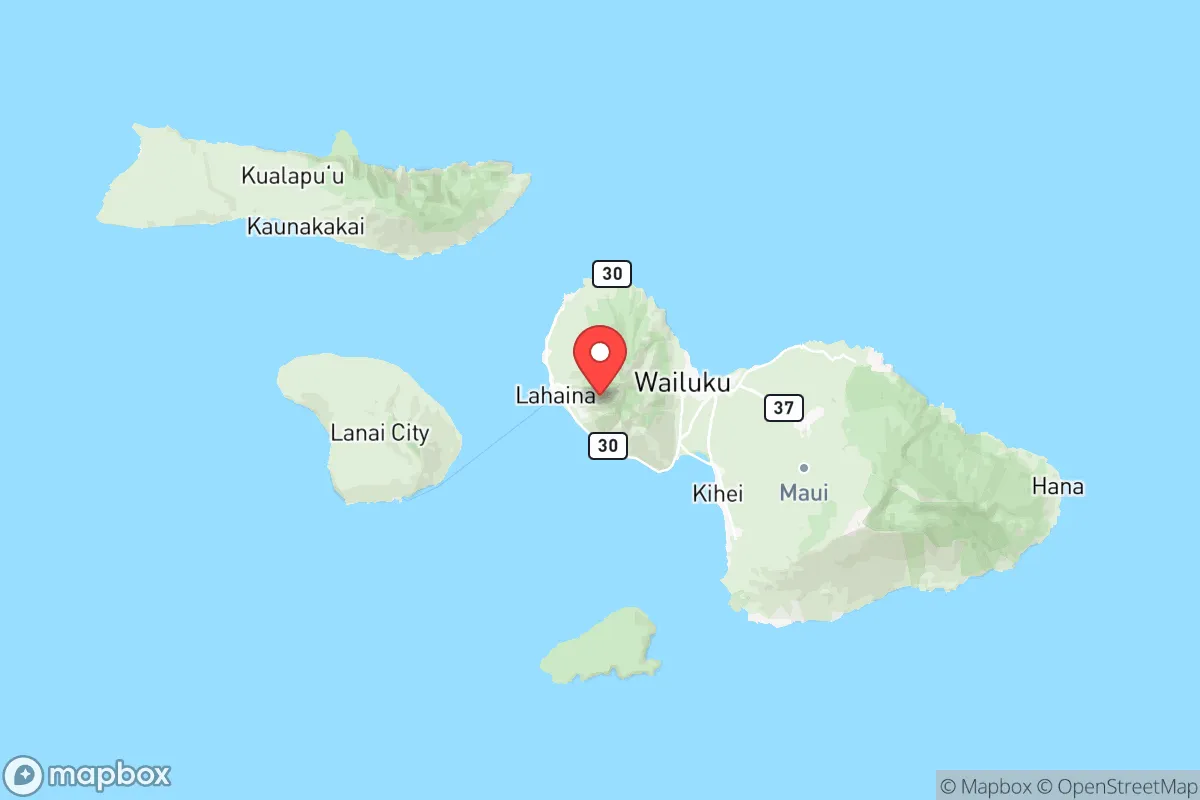
Maui County, encompassing the islands of Maui, Molokai, and Lanai, offers a quality-of-life spectrum that ranges from the resort-driven bustle of West Maui to the deep rural isolation of Molokai’s east end. The county draws a mix of hospitality workers, remote professionals, retirees, and agricultural families, each finding a different balance of convenience, cost, and community in its distinct regions. With a cost-of-living index of 218 (more than double the U.S. average) and a median home value of $858,600, the choice of where to live within the county dramatically shapes daily life and financial feasibility.
Largest town(s) & population centers
The primary population and economic hub is Kahului, home to Maui’s main airport, major retail centers like the Maui Mall and Queen Ka’ahumanu Center, and the county’s largest industrial park. Daily life here is practical and car-dependent, with an average commute of 22.8 minutes — relatively short by mainland standards but congested during tourist season. Wailuku, immediately west, serves as the county seat and offers a more historic, walkable downtown with local government offices and a growing arts scene. Kihei, along the south shore, is a dense, sun-drenched strip of condos, beach parks, and tourist-oriented businesses, popular with younger transplants and service workers. These three towns form the county’s core, where median rents of $1,863 are the norm and most grocery stores, medical clinics, and public schools are concentrated.
Smaller towns & rural pockets
Beyond the central corridor, Maui County’s smaller communities offer distinctly different lifestyles. Upcountry towns like Makawao, Kula, and Pukalani sit at 1,500–3,000 feet elevation on the slopes of Haleakalā, providing cooler temperatures, agricultural lots, and a ranching heritage. Makawao’s paniolo (Hawaiian cowboy) culture is visible in its boutiques and rodeo grounds, while Kula is known for flower farms and small-scale coffee growers. On the remote eastern side, Hana is a tiny, isolated community of roughly 1,200 residents, reachable only via the winding Hana Highway; it lacks chain stores and has limited medical services, attracting those seeking profound seclusion. On Molokai, the town of Kaunakakai is the island’s sole commercial hub, with a single grocery store and a deeply local, subsistence-oriented economy. Lanai City, on the island of Lanai, is a planned plantation town now dominated by two luxury resorts, offering a quiet, small-town feel with few employment options outside hospitality.
Cost & lifestyle range
The cost and lifestyle spread across Maui County is extreme. At the high end, resort areas like Wailea and Kapalua feature multimillion-dollar oceanfront homes, gated communities, and world-class golf courses, with median home values far exceeding the countywide $858,600. These areas attract wealthy second-home owners and luxury vacationers. At the moderate end, Kahului and Wailuku offer the most accessible housing stock — older condos and single-family homes in the $700,000–$900,000 range — along with the best access to jobs, schools, and services. On the low end, rural pockets on Molokai and in parts of East Maui have lower property values (some homes under $400,000) but also far fewer amenities, higher food costs due to shipping, and limited healthcare. Renters in Kihei or Lahaina often pay $1,800–$2,200 for a one-bedroom, while a similar unit in Kaunakakai might rent for $1,200–$1,500 but require a longer drive to basic services. The trade-off is consistent: lower cost comes with greater isolation and fewer economic opportunities.
Who thrives in Maui County depends heavily on which sub-region they choose. Remote workers with mainland incomes can afford the premium of Wailea or the tranquility of Upcountry. Hospitality and service employees typically settle in Kahului, Wailuku, or Kihei for job access and rental availability. Those seeking true off-grid living — and willing to accept limited infrastructure — find their niche in Hana or on Molokai. The county’s high cost of living and geographic fragmentation mean that no single area suits everyone; the key is matching lifestyle expectations with the specific trade-offs of each town and island.

Crime in Maui County
Generally safer than 64% of comparable U.S. locations.
Violent CrimeViolent Crime Analysis
Property CrimeProperty Crime Analysis
Crime Analysis
Maui County, encompassing the islands of Maui, Molokai, and Lanai, presents a crime profile that is notably safer than many mainland U.S. counties of similar population, though property crime remains a significant concern for residents and visitors. The county's overall violent crime rate of 200.2 incidents per 100,000 people is substantially lower than the national average, while its property crime rate of 1,586.9 per 100,000 sits slightly above the national median, driven largely by thefts and vehicle break-ins in tourist-heavy areas. Understanding these figures requires looking beyond the county-wide averages to the specific dynamics of individual towns and the influence of local law enforcement and prosecutorial policies.
Crime in context
Compared to the rest of Hawaii, Maui County's violent crime rate is roughly on par with the state average, which itself is among the lowest in the nation. The county's property crime rate, however, is elevated relative to more rural neighbor islands like Kauai, but lower than the densely populated urban core of Honolulu on Oahu. The most common violent crimes are aggravated assault and robbery, while larceny-theft—particularly from vehicles and rental properties—accounts for the bulk of property crime. The presence of a progressive prosecutorial philosophy in the county's judicial system, which has emphasized diversion programs and reduced sentencing for non-violent property offenders, has been a point of contention. Critics argue this approach has contributed to a revolving-door effect for repeat theft offenders, undermining deterrence and public confidence in the justice system.
What residents experience
Daily life for most Maui County residents is characterized by a low risk of violent victimization, but a persistent nuisance from property crime. In the main tourist corridor of Kihei and the resort areas of Lahaina (prior to the 2023 wildfires), vehicle break-ins and thefts from beach parking lots are routine, with rates spiking during peak visitor seasons. Residents in Kahului, the county's commercial hub, report higher rates of shoplifting and residential burglary compared to more affluent, gated communities in Wailea and Kapalua, which enjoy significantly lower crime rates due to private security and lower population density. On the more rural islands, Lanai City and the small towns of Molokai experience very low violent crime but face challenges with property crime tied to substance abuse and limited police presence. The county's District Attorney's office, which has been criticized for its lenient plea deals and reluctance to seek jail time for property crimes, has created a perception among long-term residents that the justice system prioritizes offender rehabilitation over victim restitution and public safety.
Neighborhood-level variation is stark. The safest areas are generally the master-planned resort communities of Wailea and Makena in South Maui, where violent crime is virtually non-existent and property crime is low due to 24/7 security patrols. In contrast, the central Maui communities of Wailuku and Kahului see higher rates of both violent and property crime, driven by higher population density and socioeconomic pressures. The rural upcountry towns of Makawao and Kula offer a middle ground, with very low violent crime but occasional thefts from farms and vehicles. For anyone considering a move to Maui County, the choice of town has a direct impact on daily safety experience, with the progressive judicial philosophy in the county courts meaning that property crime offenders are more likely to receive lenient treatment, a factor that should weigh heavily in relocation decisions.
* Values derived from national, state, county, city and local statistics and may differ in a specific area. Last updated: 2026-05-11T21:54:46.000Z
Narrative content on this page is AI-generated and may contain mistakes. Verify any details that matter before acting on them.
ReloMaps may earn a commission from affiliate links at no extra cost to you.

