Political ClimatePolitical Climate in Gotha, FL
District shown is the primary district for this city’s centroid. Cities may span multiple districts.
Local Political AnalysisPolitical Analysis of Gotha, FL
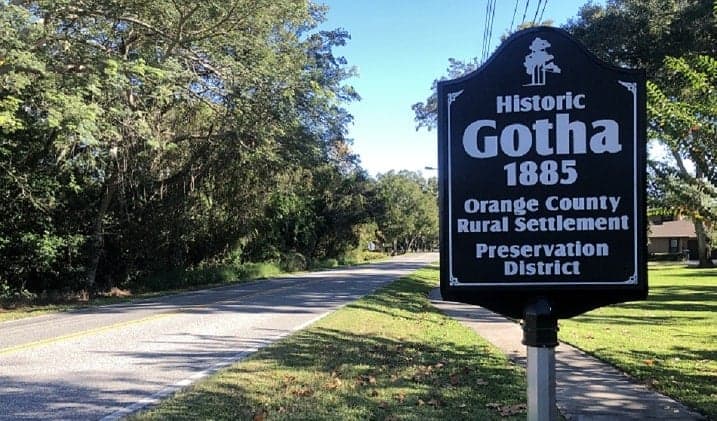
Gotha, Florida, has long been a quiet, conservative pocket in Central Florida, and that hasn’t changed much—even as the state around it has gotten bluer in some spots. The area’s Cook Partisan Voting Index (PVI) sits at R+8, meaning it’s a solid three points more Republican than the state of Florida as a whole, which is R+5. That might not sound like a huge gap, but in practical terms, it means Gotha residents have consistently voted for conservative candidates by wider margins than most of the state, and that trend has held steady through the last few election cycles. If you’re looking for a place where the local government isn’t itching to experiment with progressive policies, this is still a safe bet.
How it compares
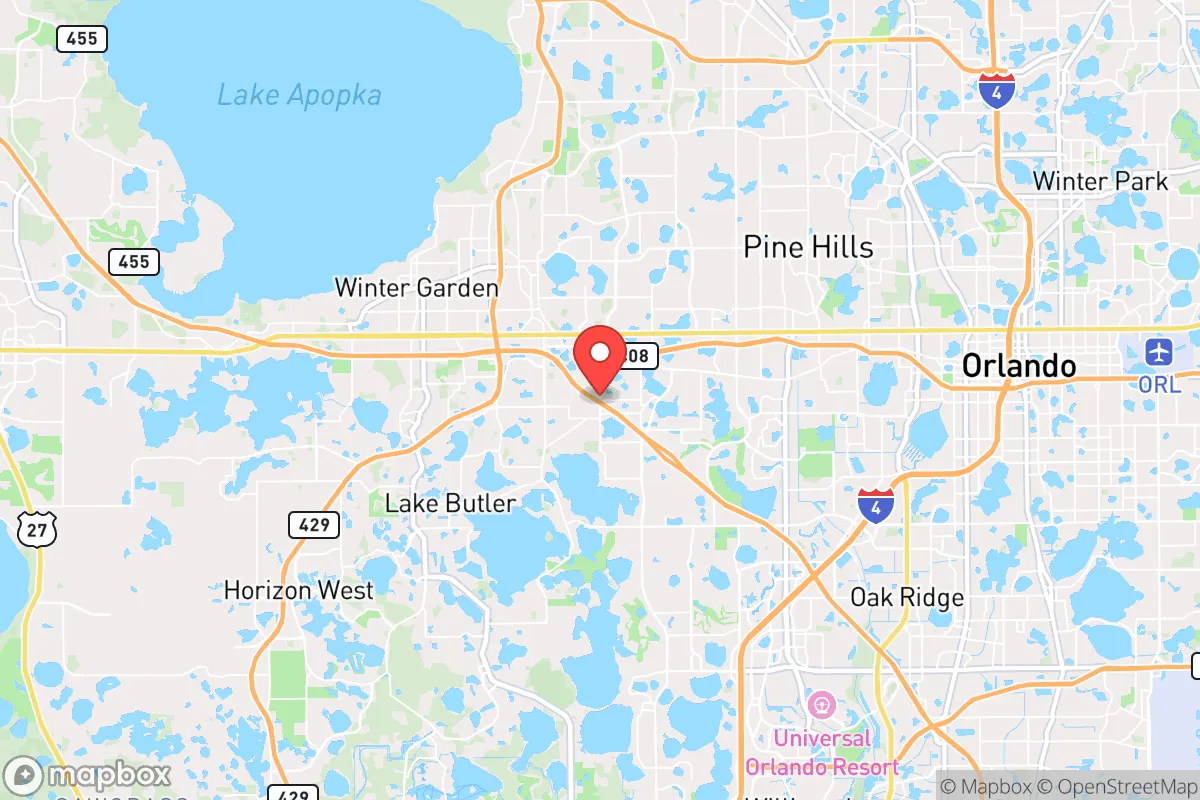
When you stack Gotha up against the rest of Florida, the difference is noticeable but not extreme. The state’s R+5 rating already makes Florida a reliably red state in presidential elections, but Gotha’s R+8 puts it in a different league—closer to the deep-red rural counties in the Panhandle than to the swingier suburbs of Orlando or Tampa. For context, nearby cities like Windermere and Dr. Phillips lean more moderate, with some precincts trending purple in recent years, while Ocoee and Winter Garden have seen a slow creep of progressive influence, especially on local school board and county commission races. Gotha, by contrast, has largely resisted that shift. The local precincts here have voted Republican by double-digit margins in the last two presidential cycles, and the county-level races—like the Orange County Commission—still favor conservative candidates, though the county as a whole is more mixed. It’s a bit of a conservative island in a sea of suburban sprawl.
What this means for residents
For folks living here, the political climate translates into a few concrete realities. First, local government tends to be less intrusive—zoning rules are looser, property taxes are lower than in neighboring Windermere, and there’s less appetite for new regulations on things like short-term rentals or home-based businesses. Second, the school board elections here still lean conservative, which means curriculum decisions and library policies have stayed more traditional compared to the Orange County school district as a whole. Third, and this is the big one for a lot of people: the push for progressive social policies—like mandatory diversity training for small businesses or stricter environmental mandates on residential properties—hasn’t gained traction here. That’s not to say it’s a perfect bubble; the county government in Orlando does occasionally try to extend its reach, but Gotha’s residents have been vocal and effective at pushing back.
Looking ahead, the long-term trajectory is a mixed bag. The area’s growth is bringing in new people from all over, and some of them bring different politics. But the core of Gotha’s identity—its rural feel, its large lots, its sense of personal freedom—tends to attract folks who value limited government. If the state continues its slow drift toward the center, Gotha will likely remain a redoubt of conservative values. The real concern is if county-level overreach starts to chip away at local autonomy, like with recent attempts to impose county-wide rental registration schemes or stricter building codes. For now, though, Gotha is still a place where you can live your life without a lot of government looking over your shoulder, and that’s worth holding onto.

State Political ClimatePolitical Climate in Florida
State Political AnalysisPolitical Environment in the State
Florida is a solidly Republican state with a Cook PVI of R+5, but don’t let that single number fool you—it’s a battleground in miniature, where a coalition of conservative retirees, suburban families, and rural voters has held the line against a steady blue push from transplants and younger voters. Over the past 20 years, the state has shifted from a classic swing state (think 2000 recount chaos) to a reliably red lean, thanks largely to GOP gains in the I-4 corridor and the Panhandle. But the margins are tightening: in 2020, Trump won by just 3.4 points, down from his 2016 margin of 1.2 points, and Democrats have made inroads in fast-growing metros like Orlando and Tampa. The real story is that Florida’s political center of gravity has moved right on cultural issues, even as its demographics get more diverse—a tension that defines every election cycle.
Urban vs. rural divide
The political map of Florida is a tale of three regions. The I-4 corridor, stretching from Tampa through Orlando to Daytona Beach, is the state’s biggest swing zone—home to suburban voters in places like Lakeland and Winter Park who broke for Trump in 2020 but also elected Democrats in local races. Miami-Dade County, once a Democratic stronghold, has been trending red since 2016, driven by Cuban-American and Venezuelan voters in suburbs like Hialeah and Kendall who prioritize anti-socialism rhetoric and economic freedom. Meanwhile, the Panhandle (think Pensacola, Panama City) and rural North Florida (Gainesville’s outskirts, Lake City) are deep red, with Trump winning some counties by 40+ points. The blue islands are concentrated in South Florida’s coastal enclaves (Miami Beach, Fort Lauderdale) and the college towns of Gainesville and Tallahassee, where younger, more progressive voters dominate. The divide isn’t just geographic—it’s cultural: urban centers push for transit and density, while rural areas fight for property rights and gun access.
Policy environment
Florida’s policy environment is a conservative’s dream on paper, but with real-world trade-offs. The state has no personal income tax, a flat corporate tax rate of 5.5%, and a homestead exemption that keeps property taxes manageable for primary residences—though rising home values have made insurance a nightmare. Governor Ron DeSantis has pushed a Parental Rights in Education Act (HB 1557, the “Don’t Say Gay” law) and a ban on gender-affirming care for minors (SB 254), both of which have drawn national attention but solidified GOP support. Election laws tightened after 2020: SB 90 restricted drop boxes and mail-in voting, while a new election police force (the Office of Election Crimes and Security) has been active. On healthcare, Florida refused Medicaid expansion and passed a 15-week abortion ban (HB 5) in 2022, later extended to six weeks in 2023. The regulatory posture is business-friendly, with fast permitting and no state-level rent control, but local governments in blue cities like Miami Beach and Orlando have pushed their own progressive ordinances on minimum wage and short-term rentals, creating friction.
Trajectory & freedom
Florida is arguably more free than it was a decade ago, but the freedom is unevenly distributed. The Second Amendment Preservation Act (2021) made Florida a “Second Amendment Sanctuary” state, blocking local enforcement of federal gun laws—a big win for gun rights advocates. The Live Local Act (2023) preempted local zoning to fast-track affordable housing, which conservatives see as a property rights win against NIMBYism. But there’s a flip side: the state’s anti-riot law (HB 1, 2021) expanded penalties for protest-related offenses, which critics call a chill on speech, and the Stop WOKE Act (HB 7, 2022) restricted workplace diversity training—a move supporters say protects free thought from ideological coercion. Medical autonomy took a hit with the six-week abortion ban, though a 2024 ballot initiative (Amendment 4) to restore access failed narrowly. On taxes, the property tax cap (Save Our Homes) has locked in low rates for longtime owners but created a “lock-in effect” that discourages moving—a freedom issue for those wanting to downsize. Overall, the trajectory is toward more state-level control over local governments, which conservatives see as protecting individual rights from progressive city councils.
Civil unrest & political movements
Florida has seen its share of flashpoints, but nothing like the sustained unrest of Portland or Seattle. The 2020 George Floyd protests in Miami, Tampa, and Jacksonville were large but mostly peaceful, though a few nights of looting in downtown Miami led to the anti-riot law. The “Don’t Say Gay” law sparked protests at the state capitol and school board meetings, with groups like Equality Florida organizing walkouts—but counter-protests from parental rights groups like Moms for Liberty were equally visible. Immigration politics are hot: Governor DeSantis’s SB 1718 (2023) required businesses with 25+ employees to use E-Verify and banned local sanctuary policies, leading to a wave of migrant flights to Martha’s Vineyard. Election integrity remains a live wire: the 2022 midterms saw a record number of mail-in ballot rejections under the new rules, and the election police have investigated dozens of cases, though no widespread fraud has been found. The most visible movement is the “Free Florida” coalition of libertarians and conservatives pushing for further tax cuts and school choice expansion—a force that’s kept the legislature moving right.
Projection
Over the next 5-10 years, Florida will likely stay red but get more competitive. In-migration from blue states (New York, California, Illinois) is adding hundreds of thousands of new voters annually, many of whom lean Democratic—but they’re often older, wealthier, and more focused on taxes and crime than social issues, so they may not flip the state. The I-4 corridor will be the key: if suburbs like Lakeland and Winter Garden continue trending red, the GOP holds. But if Miami-Dade’s Hispanic voters drift back to Democrats (as some did in 2022), the math gets tight. The biggest wildcard is climate change: rising insurance costs and flood risks in coastal areas like Miami Beach and Fort Myers could drive out moderate conservatives and attract younger, greener voters. Expect more preemption battles between Tallahassee and blue cities, and a continued focus on school choice (the state already has the largest voucher program in the nation) and property tax reform. A new resident moving in now should anticipate a state that’s culturally conservative but economically dynamic, with a political climate that rewards engagement—your vote will matter more here than in a deep blue or deep red state.
Bottom line for a new resident: Florida offers a high degree of personal freedom on taxes, guns, and education, but you’ll need to navigate a patchwork of local politics—especially if you’re moving to a blue city like Miami Beach or Orlando. The state is trending more conservative on cultural issues, but the demographic tide is slowly turning, so expect the political battles to intensify. If you value low taxes, parental rights, and a business-friendly environment, you’ll feel at home—just keep an eye on the I-4 corridor and Miami-Dade, because that’s where the future of Florida will be decided.
* Values derived from national, state, county, city and local statistics and may differ in a specific area. Last updated: 2026-05-14T02:16:36.000Z
Narrative content on this page is AI-generated and may contain mistakes. Verify any details that matter before acting on them.
ReloMaps may earn a commission from affiliate links at no extra cost to you.

