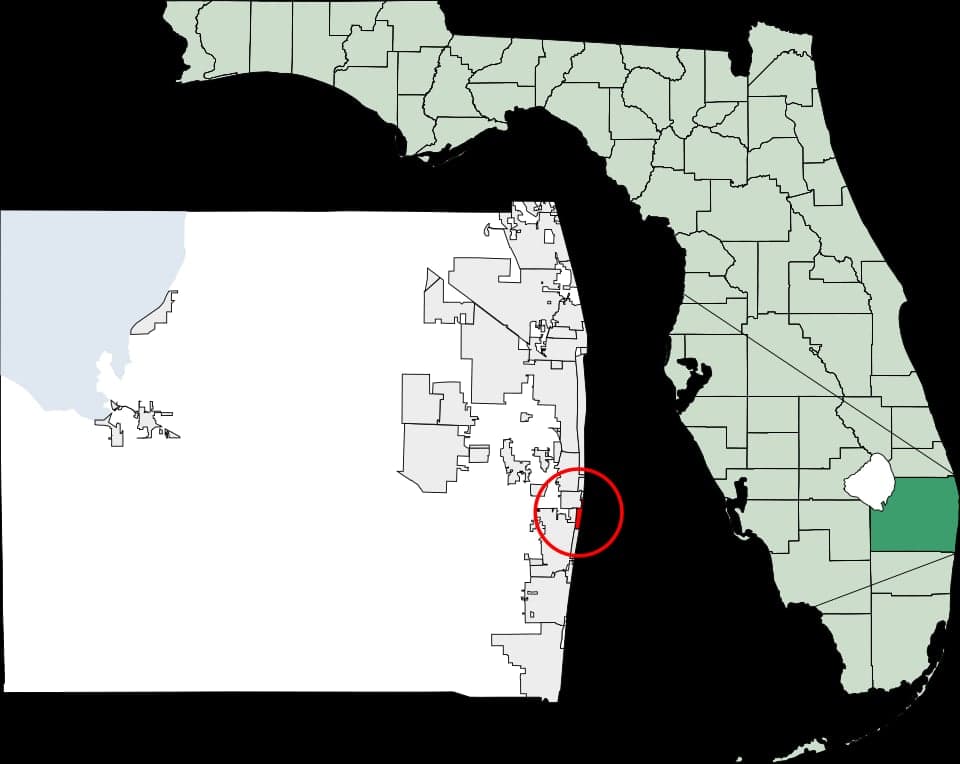
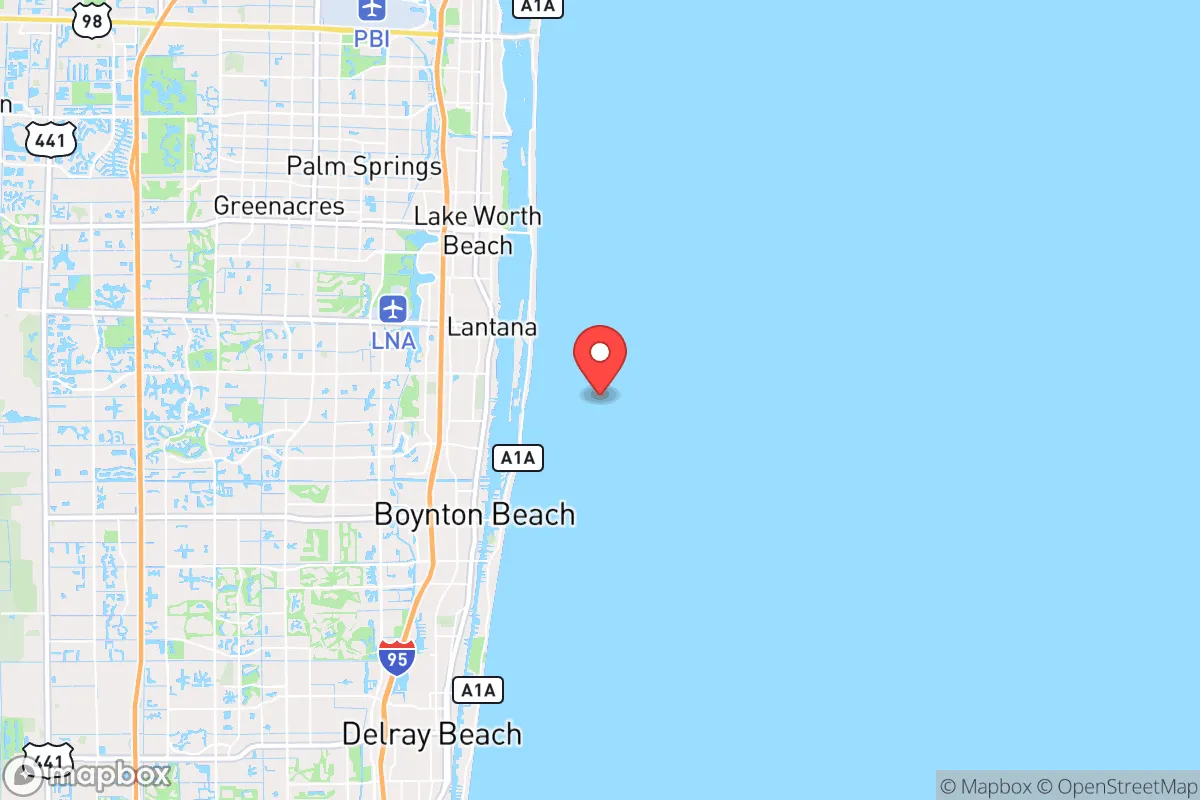
Photo: Wikipedia
Political ClimatePolitical Climate in Manalapan, FL
District shown is the primary district for this city’s centroid. Cities may span multiple districts.
Local Political AnalysisPolitical Analysis of Manalapan, FL
Manalapan, Florida, is a small, affluent town on Palm Beach County’s barrier island that has long leaned Democratic, with a Cook PVI of D+4, but don’t let that number fool you—this place has a quiet, conservative undercurrent that’s been getting louder in recent years. The town’s politics are shaped by its older, wealthy residents who value privacy, low taxes, and minimal government interference, but the surrounding state of Florida has shifted hard right, with a Cook PVI of R+5, creating a fascinating tension between local voting patterns and the broader cultural drift. If you’ve been here as long as I have, you’ve seen the slow creep of progressive policies in town governance—things like zoning overreach and environmental mandates that feel more like control than common sense—and it’s got folks worried about where we’re headed.
How it compares
Manalapan’s D+4 PVI puts it in a different universe from the rest of Florida, which is R+5—a 9-point gap that’s hard to ignore. Drive just a few miles north to Palm Beach Gardens or west to Wellington, and you’ll find communities that vote more in line with the state’s conservative majority, with lower taxes and fewer regulatory headaches. The contrast is stark: while Florida as a whole has embraced school choice, Second Amendment protections, and business-friendly policies under Governor DeSantis, Manalapan’s local council has flirted with progressive pet projects like climate resilience studies and density restrictions that feel like government overreach. Neighboring towns like Gulf Stream and Briny Breezes lean more conservative, and you can feel the difference in how they handle property rights—less red tape, more trust in the individual. For a long-time resident, it’s frustrating to see Manalapan’s leadership drift leftward when the state is proving that conservative governance works, keeping freedoms intact and the economy humming.
What this means for residents
For those of us living here, the political climate means we’re constantly fighting to keep government out of our lives. The D+4 lean has led to some local ordinances that feel like nanny-state nonsense—like strict beach access rules and building height limits that prioritize aesthetics over property owner rights. In contrast, the state’s R+5 tilt has shielded us from the worst of it, with preemption laws that block local gun control and rent control, but the battle is ongoing. If you value personal freedom—say, the right to renovate your home without a dozen permits or to enjoy your property without environmental activists dictating what you can plant—you’ll want to keep a close eye on town hall meetings. The long-term trajectory is concerning: as younger, more progressive transplants move in from the Northeast, we risk losing the hands-off, low-regulation vibe that made this place a haven for decades. It’s a slow slide, but one that demands vigilance.
Culturally, Manalapan remains a bastion of old-money discretion, but the policy distinctions are where the rubber meets the road. The town’s Democratic lean hasn’t translated into the kind of aggressive social engineering you see in places like Broward County—yet. We still have a strong sense of community that values individual responsibility over collective mandates, and most residents are fiscally conservative even if they vote blue on the national level. But the pressure is mounting: state-level wins on school choice and tax cuts have been a lifeline, while local pushes for “sustainability” initiatives feel like a foot in the door for bigger government. If you’re considering a move here, know that you’ll be living in a politically mixed bag—a town that votes left but still respects conservative principles, for now. Keep your ear to the ground, and don’t be afraid to speak up at those council meetings; the future of this place depends on it.

State Political ClimatePolitical Climate in Florida
State Political AnalysisPolitical Environment in the State
Florida is a solidly Republican state with a Cook PVI of R+5, but it’s not a monolith—it’s a battleground of transplants, retirees, and young families that has shifted from a classic purple swing state to a reliably red one over the past decade. The dominant coalition is a mix of conservative-leaning seniors, suburban families, and rural voters, with a growing Hispanic population in places like Miami-Dade that has moved rightward. Over the last 20 years, the state has trended red, flipping from a narrow Bush win in 2004 to Trump winning by over 3 points in 2020 and nearly 1.5 points in 2024, driven by massive in-migration from blue states and a backlash against progressive policies elsewhere.
Urban vs. rural divide
The political map is stark: the I-4 corridor from Tampa to Orlando is the swing zone, but the real action is in the metros. Miami-Dade County, once a Democratic stronghold, has shifted dramatically right—Trump won it in 2020 by double digits among Cuban-American and Venezuelan voters, and that trend accelerated in 2024. Jacksonville (Duval County) is a perennial toss-up, while Tampa (Hillsborough County) leans slightly blue but is surrounded by red suburbs like Brandon and Riverview. Orlando (Orange County) remains a blue island, driven by tourism and a younger, more diverse population, but its suburbs—Winter Garden, Clermont, Sanford—are increasingly red. Rural North Florida, from Pensacola to Gainesville, is deep red, while the Panhandle counties like Santa Rosa and Okaloosa vote 70%+ Republican. The divide isn’t just urban vs. rural—it’s also coastal vs. inland, with the Atlantic coast from Fort Lauderdale to West Palm Beach still blue-leaning but shrinking.
Policy environment
Florida’s policy environment is a conservative’s dream: no state income tax, a right-to-work law, and a regulatory climate that encourages business growth. The state has been a leader in school choice, with the Family Empowerment Scholarship program letting parents use tax dollars for private or homeschool options—a huge draw for families fleeing districts with mask mandates or CRT curricula. On healthcare, Florida refused to expand Medicaid under the ACA and has kept COVID-era emergency powers limited. Election laws tightened after 2020: SB 90 (2021) added voter ID requirements, limited drop boxes, and banned ballot harvesting, though it’s been challenged in court. Property taxes are moderate, but homeowners get a $50,000 homestead exemption and a 3% annual cap on assessment increases (Save Our Homes). The state also preempted local gun laws with Florida’s preemption statute, meaning cities like Miami Beach can’t pass their own restrictions—a win for Second Amendment advocates.
Trajectory & freedom
Florida is becoming more free in many respects, but not without controversy. Governor Ron DeSantis signed the Parental Rights in Education Act (HB 1557, 2022), which banned classroom instruction on sexual orientation and gender identity in K-3—a move that drew national fire but was popular with conservative parents. The Stop WOKE Act (HB 7, 2022) restricted mandatory diversity training in workplaces and schools, though parts were blocked by courts. On guns, Florida passed constitutional carry (HB 543) in 2023, allowing permitless concealed carry—a major expansion of Second Amendment rights. Medical autonomy took a hit with the 15-week abortion ban (HB 5, 2022), later tightened to six weeks in 2024, which pro-life advocates cheered but libertarians saw as government overreach. Property rights are strong: no state-level rent control, and the Live Local Act (2023) preempted local zoning to boost affordable housing, though it’s been criticized for overriding local control. The trajectory is toward more personal liberty on guns and education, but less on reproductive choices—a trade-off new residents should weigh.
Civil unrest & political movements
Florida has seen its share of flashpoints. The 2020 Black Lives Matter protests in Miami, Tampa, and Orlando were large but mostly peaceful, though looting hit Miami Beach and Fort Lauderdale. The state’s response was aggressive: DeSantis created the Office of Election Crimes and Security in 2022, which prosecuted a handful of voter fraud cases, and signed a law (SB 184) that made it easier to sue local governments for “defunding” police. Immigration politics are front and center: Florida passed SB 1718 (2023), which banned local “sanctuary” policies, required E-Verify for employers, and made it a felony to transport undocumented immigrants into the state—a direct challenge to Biden-era border policies. The “Don’t Say Gay” law sparked boycotts and protests from Disney and LGBTQ groups, but also energized conservative parents. Election integrity remains a hot topic: the 2020 and 2022 elections saw no major fraud, but the state’s voter purge of non-citizens (2021) and strict signature-match rules have drawn lawsuits. A new resident will notice the political energy—yard signs, bumper stickers, and local activism are common, especially in suburbs like The Villages (a GOP stronghold) and St. Augustine.
Projection
Over the next 5-10 years, Florida will likely become more Republican as in-migration from blue states continues—roughly 1,000 people move in per day, many from New York, California, and Illinois. These transplants tend to be older, wealthier, and more conservative than the national average, though some bring moderate or liberal views. The Hispanic vote, especially in Miami-Dade and Tampa, will keep trending right as Cuban, Venezuelan, and Nicaraguan communities prioritize economic freedom and anti-socialism. The biggest wildcard is climate change: rising insurance costs and hurricane risks could slow growth in coastal areas like Fort Myers and Naples, pushing development inland to Ocala and Lakeland. Politically, expect more preemption of local progressive ordinances (e.g., rent control, plastic bag bans) and continued fights over school curriculum and parental rights. The state’s 6-week abortion ban will likely face a ballot initiative in 2024 or 2026, which could drive turnout among moderates. For a new resident, the next decade looks like more of the same: low taxes, strong gun rights, and a government that prioritizes individual freedom—but with a heavy hand on social issues and immigration.
Bottom line for a new resident: Florida offers a low-tax, high-freedom environment for those who value economic liberty and conservative social policies, but it’s not a libertarian paradise—the state is willing to use government power to enforce its vision on education, abortion, and immigration. If you’re a parent, the school choice options and parental rights laws are a major plus. If you’re single, the lack of income tax and vibrant job market in Tampa or Jacksonville are draws. Just be ready for a politically engaged community where your vote matters, and where the culture wars are fought in real time—from the classroom to the ballot box.
* Values derived from national, state, county, city and local statistics and may differ in a specific area. Last updated: 2026-10-10T16:28:10.000Z
Narrative content on this page is AI-generated and may contain mistakes. Verify any details that matter before acting on them.
ReloMaps may earn a commission from affiliate links at no extra cost to you.

