
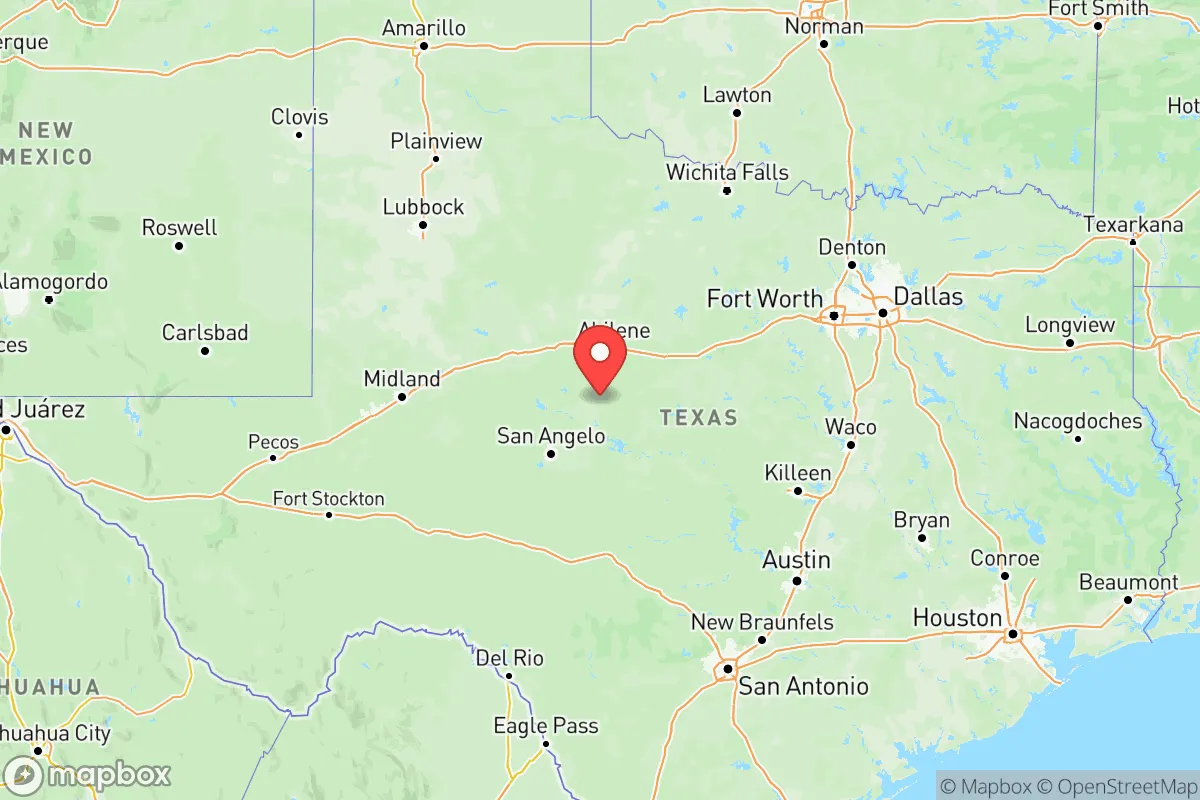
Photo: Wikipedia
Quality of Life in Texas
A livable area that tracks near national norms for affordability, walkability, and neighborhood health.
What does Quality of Life tell us?
Quality of Life measures an area by evaluating factors like cost of living, nearby amenities, country club access, airport proximity, socioeconomic signals and neighborhood character. For large states, this is a general average — quality of life can vary dramatically between metro areas, suburbs, and rural communities within the same state.
What does this tell us?
Quality of Life measures an area by evaluating factors like cost of living, nearby amenities, country club access, airport proximity, socioeconomic signals and neighborhood character. For large states, this is a general average — quality of life can vary dramatically between metro areas, suburbs, and rural communities within the same state.
Cost of Living
6% above national average
103%
The Real Cost of Living in Texas for 2026
| Tier | Individual | Family (4) |
|---|---|---|
| Survival | $21k | $40k |
| Comfortable | $51k | $74k |
| Luxury | $138k+ | $214k+ |
| Elite (Top 5%) | $176k+ | $273k+ |
Quality-of-Life Analysis
Texas offers one of the widest quality-of-life spectrums in the United States, ranging from hyper-urban high-rise living in Houston to remote ranch life in the Big Bend region. With a statewide cost-of-living index of 106 (slightly above the national average of 100), a median home value of $260,400, and a median rent of $1,339, the state accommodates everyone from tech executives in Austin to retirees on fixed incomes in the Piney Woods. The average commute of 26.7 minutes reflects the sprawl of major metros, but smaller towns often cut that to under 15 minutes. The key is matching lifestyle preferences—career pace, cultural density, outdoor access, and housing budget—to the right region.
Major metros
Texas's five largest cities each project a distinct identity. Houston is the energy and medical capital, with a sprawling, car-dependent layout, a humid Gulf Coast climate, and the world's largest medical complex (Texas Medical Center). Its job market is robust but its traffic and flood risk are real trade-offs. Dallas leans corporate and finance-driven, with a polished downtown, a strong banking sector, and a more conservative social vibe than Austin; its northern suburbs like Plano and Frisco are among the fastest-growing in the nation. Austin remains the tech and culture hub, drawing young professionals with its live-music scene, outdoor recreation along Lady Bird Lake, and headquarters for companies like Tesla and Dell—but its median home value now exceeds $500,000, far above the state average. San Antonio offers a lower cost of entry (median home value around $240,000) and a strong military and tourism economy, anchored by the River Walk and Lackland Air Force Base. Fort Worth retains a Western, ranching heritage with a revitalized Stockyards district, a lower crime rate than Dallas, and a more family-oriented suburban feel. Each metro has its own commuter pain points: Houston's average commute is 28 minutes, while Austin's is 26, but both can spike to over 45 minutes during peak hours on major arteries like I-35 or I-45.
Mid-size cities & college towns
Beyond the big five, mid-size cities offer a balance of opportunity and affordability. College Station (home to Texas A&M) is a classic college town with a tight-knit community, a strong agribusiness and engineering job base, and a median home value near $290,000—cheaper than Austin but pricier than rural areas. Lubbock sits on the High Plains, offering a low cost of living (median home value around $180,000) and a dry climate, with Texas Tech University driving culture and healthcare jobs. Waco has seen a renaissance thanks to the Magnolia empire of Chip and Joanna Gaines, drawing tourism and new residents, though its median home value has climbed to $220,000. Denton, north of Dallas, combines two universities (University of North Texas and Texas Woman's University) with a vibrant music scene and a median rent of $1,200, appealing to creatives and academics. El Paso, at the far western tip, offers a unique binational culture, a low crime rate for a city its size, and a median home value under $200,000, though its isolation from the rest of Texas can feel limiting for some.
Small towns & rural areas
For those seeking quiet, space, and lower costs, Texas's small towns and rural regions deliver. Fredericksburg in the Hill Country is a tourism-driven town with German heritage, wineries, and a median home value around $450,000—pricey for a small town but offering scenic beauty and a tight-knit community. Marfa in far West Texas is an art-world outlier, attracting minimalists and creatives to its high desert landscape, but with limited jobs and a median home value near $350,000. Jefferson in the Piney Woods offers antebellum architecture and a slow pace, with median home values under $150,000, ideal for retirees or remote workers. The Panhandle region (towns like Amarillo, Dalhart, and Pampa) features flat plains, strong agricultural roots, and some of the cheapest housing in the state—median home values often below $130,000—but with harsh winters and limited cultural amenities. The Rio Grande Valley (McAllen, Harlingen, Brownsville) offers a subtropical climate, a strong Hispanic culture, and a cost of living 15-20% below the state average, though poverty rates are higher and healthcare access can be limited in remote areas.
Luxury vs. affordable living
The luxury tier in Texas is concentrated in specific enclaves. Westlake and Highland Park (Dallas suburbs) boast median home values above $1.5 million, with top-rated schools and gated communities. West University Place near Houston and Barton Creek in Austin offer similar exclusivity. Southlake (near DFW Airport) has a median home value of $800,000 and is known for its award-winning Carroll ISD. On the affordable end, Brownsville has a median home value of $140,000, Wichita Falls at $145,000, and Abilene at $160,000. Renters can find one-bedroom apartments in Lubbock for under $900, while similar units in Austin average $1,500. The spread is dramatic: a 3,000-square-foot home in Alpine (West Texas) might cost $250,000, while the same square footage in University Park (Dallas) exceeds $2 million.
The practical reality is that Texas's quality-of-life options are not a single experience but a menu of trade-offs. Young professionals and tech workers gravitate to Austin and Dallas for career growth, accepting higher housing costs and traffic. Families often choose suburban rings of Houston or San Antonio for better schools and larger homes at lower prices. Retirees and remote workers find the best value in small towns like Kerrville or Georgetown, where the cost of living is 10-15% below the state average and the pace is slower. The state's lack of income tax is a universal draw, but property taxes (averaging 1.6-2.5% of home value) vary significantly by county, with rural areas often having lower rates. Ultimately, the right choice depends on whether one prioritizes career density, cultural amenities, outdoor recreation, or pure affordability—Texas has a place for each, but no single place offers all four.

Crime in Texas
Crime rates similar to the national median for U.S. locations.
Violent CrimeViolent Crime Analysis
Property CrimeProperty Crime Analysis
Crime Analysis
Texas has a mixed safety profile, with a violent crime rate of 345.5 per 100,000 residents and a property crime rate of 1,796.1 per 100,000, both above national averages. While major urban centers like Houston and Dallas drive these numbers upward, suburban communities such as Frisco and McKinney consistently report some of the lowest crime rates in the state. The state’s size and diversity mean safety varies dramatically depending on where you live, with progressive judicial policies in some large metro areas contributing to higher recidivism and public safety concerns.
Crime in context
Texas’s violent crime rate of 345.5 per 100,000 is roughly 10% higher than the national average of about 310 per 100,000, while its property crime rate of 1,796.1 per 100,000 exceeds the U.S. average of approximately 1,950 per 100,000. Houston, the state’s largest city, reports violent crime rates near 500 per 100,000, driven by gang activity and property theft rings, while Dallas County sees similar figures. In contrast, Collin County suburbs like Frisco and McKinney post violent crime rates below 100 per 100,000, thanks to well-funded police departments and conservative local governance. The disparity is stark: residents in high-crime areas face risks 5–10 times greater than those in safe suburbs.
What residents experience
Property crime is the most common safety concern for Texans, with theft, burglary, and motor vehicle theft accounting for the bulk of incidents. In cities like Austin and San Antonio, property crime rates hover around 2,500 per 100,000, fueled by auto theft rings and smash-and-grab retail thefts. Violent crime, while less frequent, is more concentrated: Houston’s South Central and Sunnyside neighborhoods, along with parts of Dallas’s South Dallas and West Dallas, experience elevated rates of aggravated assault and robbery. Residents in these areas often report feeling unsafe walking alone at night, while those in suburbs like Plano or Sugar Land describe low fear of crime. The state’s progressive district attorneys in Harris County (Houston) and Dallas County have faced criticism for soft-on-crime policies, including reduced bail requirements and plea deals for repeat offenders, which critics argue embolden criminals and undermine victim justice.
Neighborhood-level variation
Safety in Texas is highly localized, with sharp divides between urban cores and affluent suburbs. In the Houston metro, neighborhoods like The Woodlands and Katy report violent crime rates below 150 per 100,000, while nearby Acres Homes and Fifth Ward exceed 800 per 100,000. Similarly, in the Dallas-Fort Worth area, Frisco and McKinney are among the safest cities in the U.S., with property crime rates under 1,200 per 100,000, while Dallas’s Fair Park and Oak Cliff areas see rates above 3,000 per 100,000. Smaller cities like El Paso and Lubbock maintain moderate crime rates, while border towns like Brownsville face property crime challenges tied to cartel-related theft. For newcomers, choosing a neighborhood with strong local policing and conservative judicial oversight—such as those in Tarrant or Collin counties—offers the best protection against the state’s crime trends.
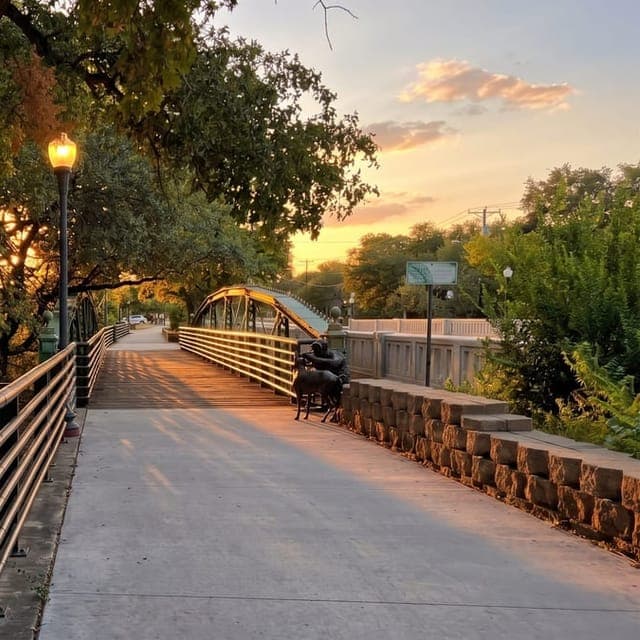
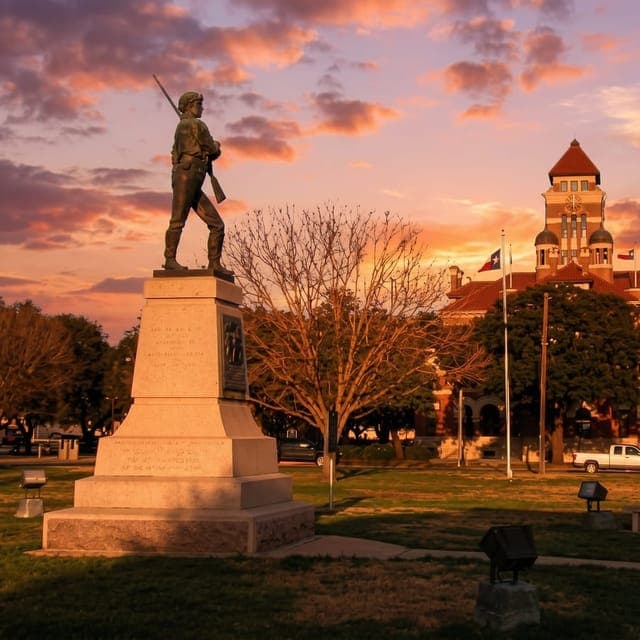
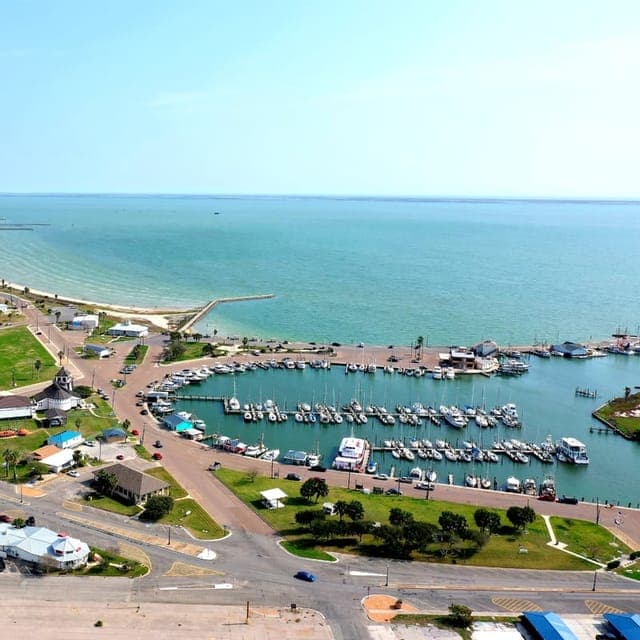
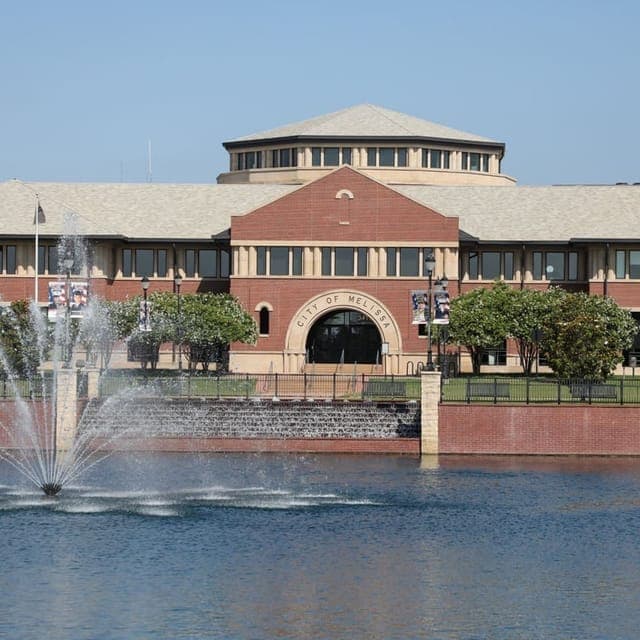
Top Cities for Quality of Life in Texas


* Values derived from national, state, county, city and local statistics and may differ in a specific area. Last updated: 2026-09-08T17:24:20.000Z
Narrative content on this page is AI-generated and may contain mistakes. Verify any details that matter before acting on them.
ReloMaps may earn a commission from affiliate links at no extra cost to you.

